REVIEW · WESTERN CAPE
Authentic Private South African Cooking Class with Jolandi
Book on Viator →Operated by Traveling Spoon · Bookable on Viator
A home kitchen beats any restaurant when you want the real feel of South Africa. I like that you cook traditional dishes step-by-step with Jolandi, in a private setting, then sit down to enjoy local wine pairings with what you made. The main thing to think about is logistics: there’s no hotel pickup, so you’ll need to get yourself to the meeting point.
What makes this class stand out is the way the food and the story stay connected. You’ll prep and cook for about 1.5 hours, with Jolandi sharing context as you go—like where classic dishes came from and how ingredients and traditions traveled. One possible drawback: the menu can change by season, so you might not get an exact dish list every time.
If you love hands-on travel that feels personal, this is a great use of an afternoon or evening. You’ll also get a vegetarian option if you plan ahead, and the whole experience is built around your group only. Just make sure you tell them about dietary needs at booking so the cooking stays comfortable and your meal is properly matched.
In This Review
- Key highlights to look for
- A home kitchen in the False Bay countryside
- How the 3-hour class actually flows (and why it works)
- What you’ll cook: traditional South African dishes, made practical
- Wine pairings that make dinner feel like a real course
- The food stories you’ll remember (from Bunny Chow to Apartheid origins)
- Conversation at the table: family energy, not a script
- Lunch or dinner choice: pick the timing that matches your mood
- Price and value: why $74 can feel like a steal
- Practicalities that actually matter for a smooth evening
- Who this class is best for (and who might want to skip)
- Should you book Jolandi’s South African cooking class?
- FAQ
- What is the duration of the cooking class?
- Is the class private?
- Do I need to arrange my own transport to the meeting point?
- Is lunch or dinner included?
- Is wine included?
- Can you accommodate vegetarian diets and allergies?
Key highlights to look for
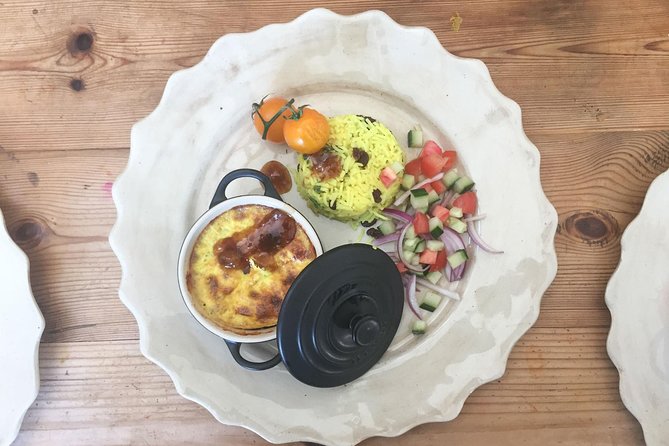
- Hands-on cooking in Jolandi’s own home kitchen, not a studio
- Local wine pairings timed to your courses
- Food stories while you cook, including origins tied to Apartheid-era history
- Choice of lunch or dinner class for better fit with your day
- Menu can vary by season, so ask ahead if you’re hoping for a specific dish
A home kitchen in the False Bay countryside
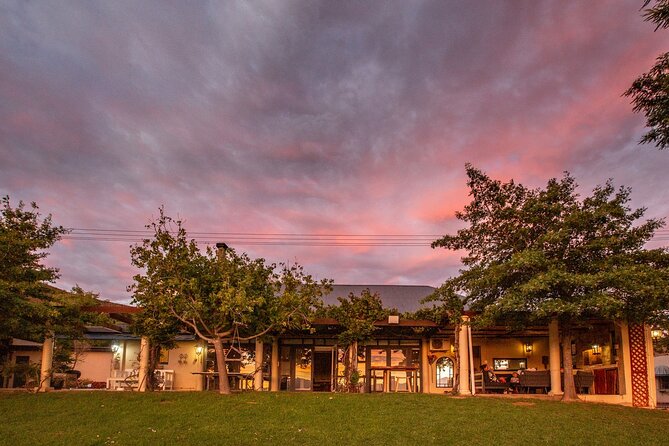
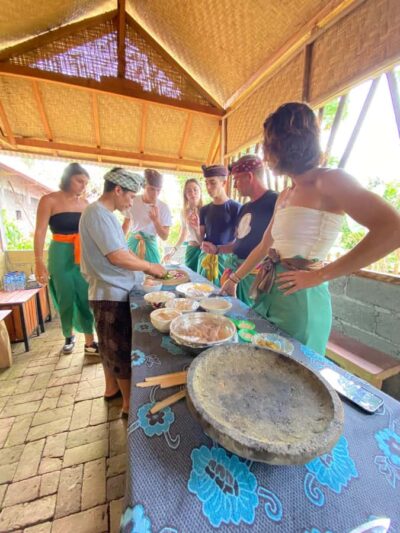
This cooking class is set up like you’re visiting a real Cape home, not walking into a commercial classroom. Jolandi hosts you at her countryside property, with the feel of mountains, vineyards, and wineries all around. That matters, because the setting helps explain why the food tastes like it does—South African cooking leans hard on fresh produce and technique learned over time.
The experience is private, so it doesn’t feel rushed or “everybody cook the same thing.” It’s just your group with Jolandi and her family, which is exactly what makes the conversation flow. If you want a meal you can talk about later—how it’s made, why it matters, and what to try next—this is built for that.
The one caution: the meeting point listed is Die StalDie Teras in De Wet (Worcester area), while Jolandi’s home is described as being in the False Bay area. Since pickup isn’t included, plan your timing and transport so you don’t arrive frazzled.
How the 3-hour class actually flows (and why it works)
The total time is about 3 hours, with roughly 1.5 hours of active cooking. In practice, that split is a big deal. Many food tours spend too long “watching.” Here, you’re doing the chopping, the sizzle, and the stirring—then you get the payoff: you eat what you made.
A typical flow is:
- You arrive and get oriented in Jolandi’s kitchen.
- You help prepare the meal, following her techniques and cues.
- While you cook, she explains the background of the dishes—where they came from and how they became part of South African food culture.
- After cooking, you sit down together and enjoy the meal with wine pairings.
This pacing keeps the class fun and not overly long. It also means you learn both skills and context: what to do in the kitchen, plus what to listen for when you’re tasting later.
What you’ll cook: traditional South African dishes, made practical
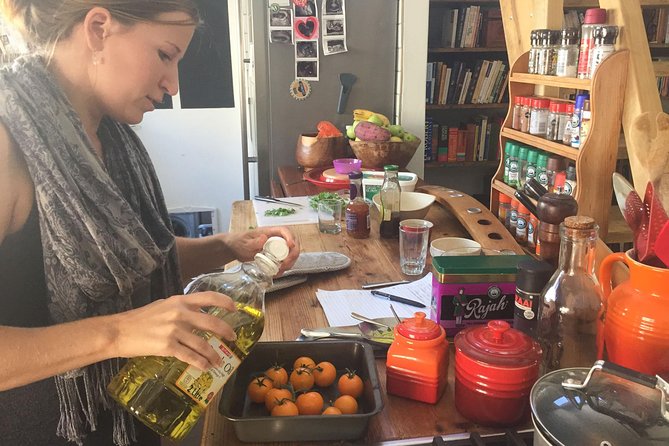
The class focuses on traditional South African cuisine, with a special emphasis on Jolandi’s love for Cape Malay flavors alongside classic local dishes. South African food isn’t just “spiced meat and starch.” It’s texture, balance, and the habit of using what grows nearby and then building something comforting with it.
Jolandi teaches the cooking as you go, using fresh ingredients so the flavors aren’t masked. That’s a useful reminder if you usually cook at home with limited pantry staples. You’re learning technique, not just a recipe.
A key detail: the menu may vary depending on the season. That’s not a problem if you enjoy variety, but it’s worth planning for. If you have one must-have dish, you should message ahead so you can set expectations.
Also, you’ll want to speak up about dietary restrictions at booking. A vegetarian option is available, but the only way that works smoothly is if Jolandi has time to adjust ingredients and steps to match your needs.
Wine pairings that make dinner feel like a real course
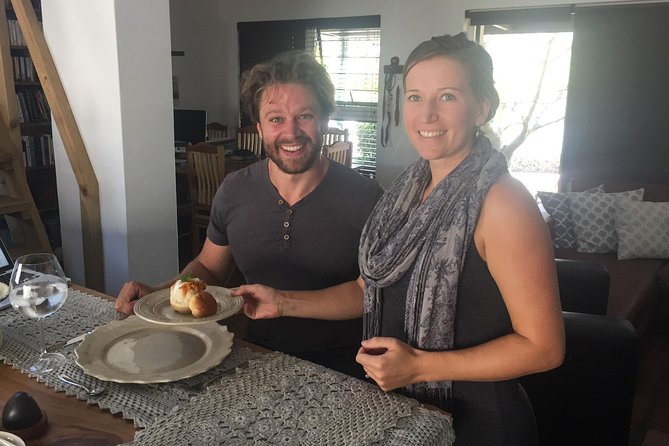
Wine is included with the meal, and it’s not treated like an afterthought. The class includes wine pairings of local South African wines, paired with what you’re eating course by course.
Even if you’re not a wine expert, pairing matters because it gives you a framework for tasting. You’ll start paying attention to how acidity, sweetness, and tannins change the way spices and rich food flavors land on your palate. That’s the kind of “small thing” that turns a normal dinner into something you remember.
One more reason this works: the wine pairing happens after the cooking (and alongside it as the meal comes together). You’re tasting while the steps are still fresh in your mind, so it’s easier to connect flavor choices to technique.
The food stories you’ll remember (from Bunny Chow to Apartheid origins)
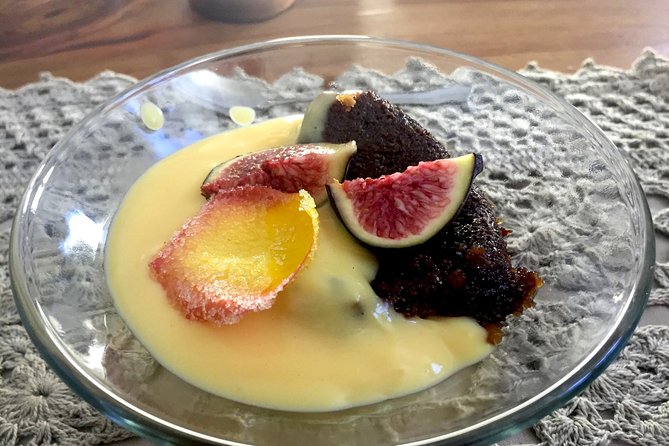
What I really like about this experience is the way the cooking is paired with history you can understand. Jolandi doesn’t just recite facts; she connects stories to the dishes you’re preparing and eating.
One example specifically mentioned is the origins of Bunny Chow during Apartheid. That kind of detail changes how you see a meal. Instead of thinking of it as a snack, you start thinking about community, survival, and how culinary traditions evolve under pressure.
The takeaway for you: you won’t leave with just a list of recipes. You’ll understand why certain dishes show up at South African tables and how Cape Malay and broader South African influences can share the same plate.
Conversation at the table: family energy, not a script
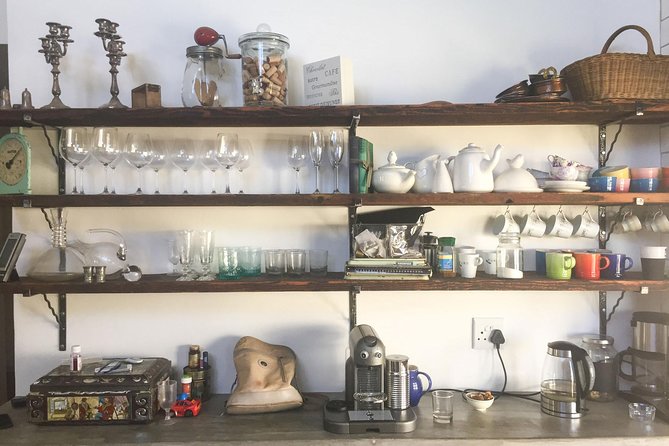
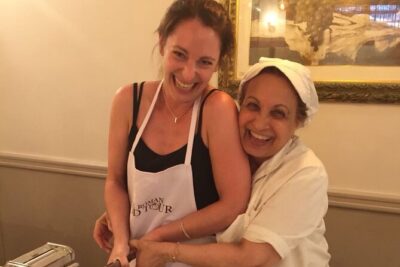
After cooking, you share the meal with Jolandi and her family. That part is important because it turns the class into something more human than “activity tourism.”
Based on how people describe the experience, Jolandi makes the conversation part of the value. It’s not just about asking what’s in the sauce. You’ll talk about the food, where it fits in culture, and what it means to cook for others in your home.
You might also get a personalized recipe and an information booklet about the dishes and their origins. That’s a nice practical bonus because it gives you something concrete to take home—not just photos.
Lunch or dinner choice: pick the timing that matches your mood
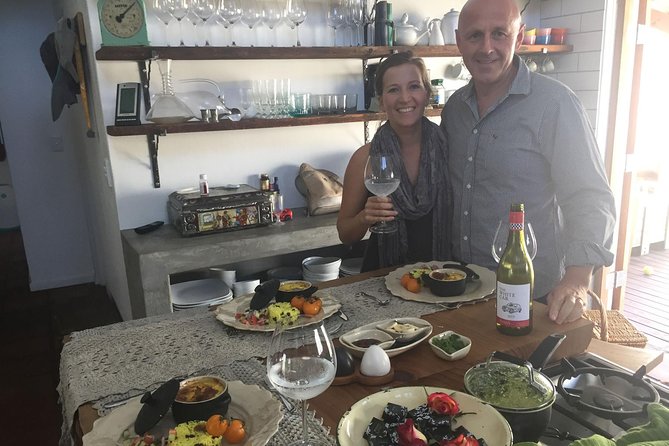
You can choose a lunch or dinner cookery class. That matters more than it sounds.
- If you pick lunch, you’ll likely enjoy the meal with the rest of your day still ahead, which makes it easier to fit into a busy itinerary.
- If you pick dinner, the whole experience becomes more relaxed and evening-like, and the wine pairing can feel like a centerpiece instead of one stop among many.
Because the menu can vary by season and the class length is about the same, the choice mostly affects the vibe, not the structure.
Price and value: why $74 can feel like a steal
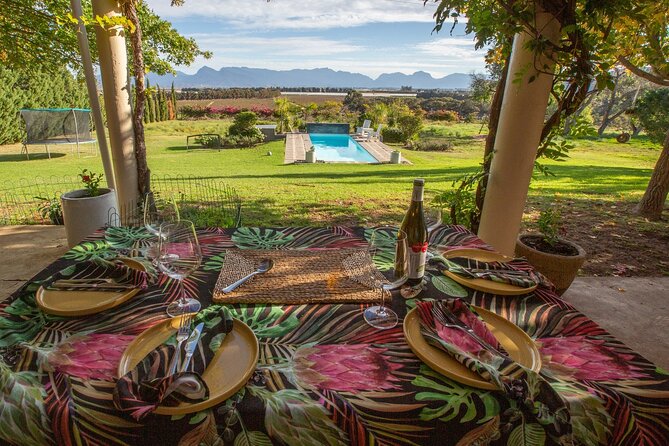
The price is $74 per person for a private cooking class with meal and wine pairings. On paper, that can look like “one dinner and a lesson.”
In real value terms, you’re getting several things at once:
- A private home setting where you cook hands-on (not just observe)
- Wine pairings with your meal
- Dish context and learning from a host who cooks in her own kitchen
- A chance to get a personalized recipe and background information (based on the experience descriptions)
Also, you’re likely avoiding the usual restaurant problem: you eat something great, but you don’t learn how to recreate it. Here, you get the “how,” plus the “why.”
The one caveat on value: because pickup isn’t included, your total cost can rise if you need taxis or rideshare to get to the meeting point. If you already have a car, or you’re comfortable arranging local transport, that’s an easy fix.
Practicalities that actually matter for a smooth evening
Here’s how to set yourself up for success with the information you’re given.
Meeting point and transport: The class starts at Die StalDie Teras, De Wet Rd, De Wet, Worcester. The activity ends back at the meeting point. Hotel pickup and drop-off aren’t included, so plan your own way there and back.
Confirmation timing: You should receive confirmation within 48 hours of booking, subject to availability. If you’re traveling on tight dates, that’s useful to keep in mind.
Dietary needs and allergies: Vegetarian is available if you request it at booking. Allergies, dietary restrictions, and cooking preferences should be shared when you book, so Jolandi can adjust the menu.
Private group only: This is a private tour/activity, meaning only your group participates. That’s great if you want a calmer experience where questions and adjustments can happen in real time.
Who this class is best for (and who might want to skip)
This is ideal if you want:
- A hands-on cooking experience rather than a demo
- A host-led class with cultural context (not just recipes)
- A good fit for food lovers who enjoy talking and learning
- Lunch or dinner plans that include wine
It may not be the best choice if:
- You hate arranging your own transport (since pickup isn’t provided)
- You need a fixed menu with no seasonal variation
- You prefer large-group restaurant energy (this is specifically private and home-focused)
If you’re traveling as a couple, friends, or a small group, the private setting is where the experience really shines.
Should you book Jolandi’s South African cooking class?
I think you should book it if you value learning from a real home cook, want traditional South African flavors with Cape Malay influence, and like your meals with context. The combination of hands-on cooking, local wine pairings, and food history tied to what you’re eating makes it feel more like a day you’ll remember than a one-off activity.
Skip it only if transport is a headache for your itinerary, or if you’re booking last minute without time to communicate dietary needs. If those aren’t issues, this is one of the best ways to spend a half-day in the Western Cape—because you leave with both a full stomach and a deeper sense of the food.
FAQ
What is the duration of the cooking class?
The class runs for about 3 hours total, including an active hands-on cooking period of roughly 1.5 hours.
Is the class private?
Yes. It’s a private, personalized experience with only your group participating.
Do I need to arrange my own transport to the meeting point?
Yes. Hotel pickup and drop-off aren’t included. The experience starts at Die StalDie Teras in De Wet (Worcester area) and ends back at the meeting point.
Is lunch or dinner included?
Yes, you can choose either a lunch or dinner cookery class, and the included meal is part of the experience.
Is wine included?
Wine pairings are included with your meal, featuring local South African wines.
Can you accommodate vegetarian diets and allergies?
A vegetarian option is available if you request it at booking. You should also advise Jolandi about allergies, dietary restrictions, or cooking preferences when you book so the menu can be adjusted.