REVIEW · PUGLIA
Cooking class in a Trullo near Polignano
Book on Viator →Operated by Curioseety SRLS · Bookable on Viator
A trullo kitchen turns dinner into a lesson. In this hands-on cooking class in Puglia, you learn traditional homemade pasta like orecchiette (or capunti), then sit down for a relaxed 3-course lunch or dinner.
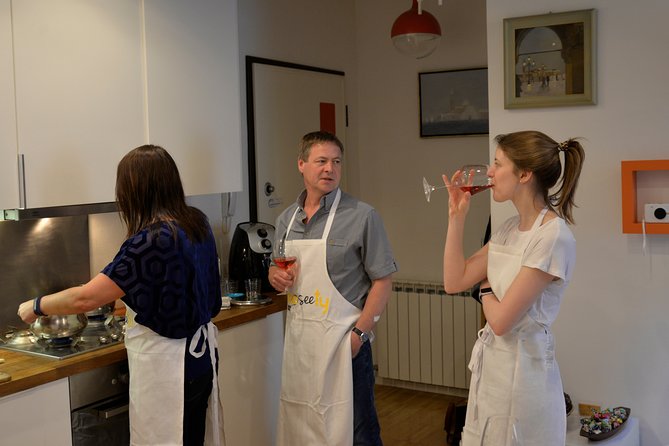
What I like most is how personal it feels—welcome with an aperitif, cooking right in a local home, and learning from the host and her family. I also love that you leave with a recipe handbook and enough food to make the rest of your day easy.
One thing to consider: you cook and eat for the full experience length, and the schedule can run longer than the 3-hour estimate depending on the meal and the pace.
In This Review
- Key Takeaways
- Cooking in a Trullo Near Polignano: What Makes This Different
- The Real Flow of the Experience: Aperitif, Cooking, and a Big Table
- What You Cook: Orecchiette, Capunti, Ragù, and the Stuff That Tastes Like Sundays
- Homemade pasta: orecchiette or capunti
- Second course: fish or meat, plus vegetables
- Dessert: Sporcamuss, pasticciotto, or tiramisu
- The Hands-On Part: Skills You Can Reuse at Home
- Drinks and Portion Reality: Plan Like a Local
- Price and Value: Why $119-ish Can Feel Like a Steal
- Getting There: Cozze Meeting Point and Simple Logistics
- Who This Is Perfect For (and Who Might Want Something Else)
- Practical Tips to Make the Day Go Smooth
- Should You Book the Trullo Orecchiette Class?
- FAQ
- How long is the cooking class?
- Is the class offered in English?
- What food will I eat and is it included?
- Do I get a recipe handbook?
- Where do I meet the host?
- Is transportation included?
- What if I have dietary restrictions?
- Is the experience affected by weather?
Key Takeaways
- Trullo setting: You cook in a real conical-stone home, not a studio kitchen.
- Hands-on pasta practice: Expect homemade orecchiette or capunti plus sauce skills.
- A 3-course meal included: The class doesn’t end when cooking stops.
- Small group size: Maximum 8 people, so you get real attention.
- English-friendly: The experience is offered in English.
- Dessert options: You may make Apulian classics like Sporcamuss or Torta pasticciotto (or tiramisu by request).
Cooking in a Trullo Near Polignano: What Makes This Different
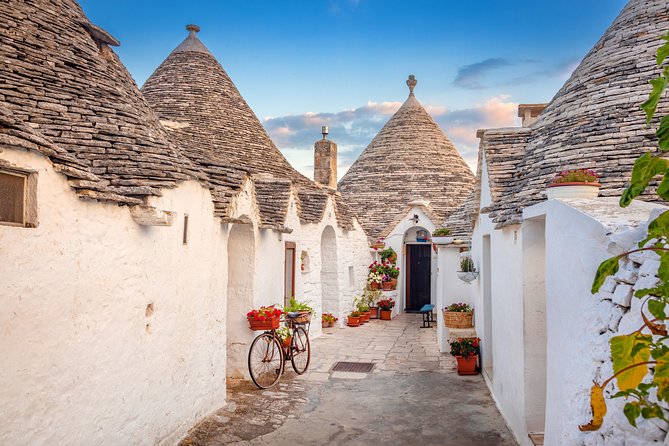
If you’ve ever wondered what it would be like to cook like a local family cooks, this is a strong answer. Puglia isn’t just about food here—it’s about place. You’re stepping into a trullo near Polignano, a home built in a very distinctive style, where stone walls and low, cozy rooms naturally make the whole experience feel intimate and calm.
That matters because cooking classes vary a lot. Some feel like a performance: watch, copy, leave. This one is designed to be the opposite. You’re not just learning recipes; you’re learning process. You’ll prep dishes together, then eat what you made in a relaxed setting with family-style warmth.
Also, the fact that it’s limited to up to 8 travelers makes a big difference. You can ask questions without shouting across the room, and the host can adjust as you go—especially with pasta, where technique is everything.
The one practical downside? The experience is weather-dependent. The class requires good weather, and if it can’t run as planned you’ll need to switch dates or get a full refund. If you’re traveling in shoulder season, just be flexible and keep an eye on the forecast.
The Real Flow of the Experience: Aperitif, Cooking, and a Big Table
You start at the meeting point in Cozze (Via delle Sirene, 70042, Cozze BA), then head to the host’s trullo. From there, the rhythm is simple and satisfying.
First, there’s a welcome with an aperitif. This isn’t a quick handshake moment—it sets the tone. It signals you’re coming for a home meal, not a rushed activity.
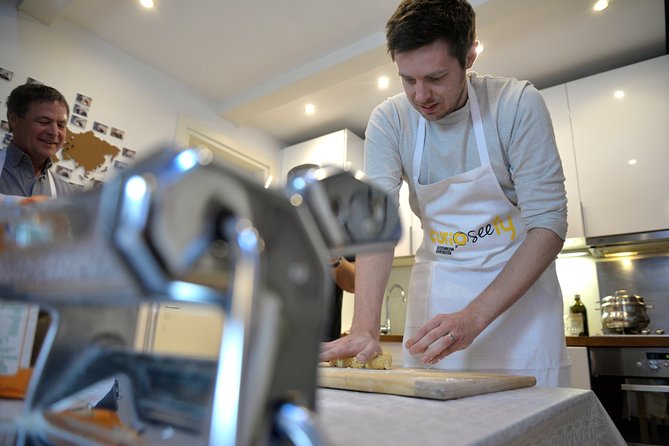
Then the cooking begins. Depending on season, you may focus on a first course of homemade pasta (often orecchiette or capunti), or you may move toward a second course built around meat with vegetables. Either way, you’re actively involved in making components that turn into the full lunch or dinner.
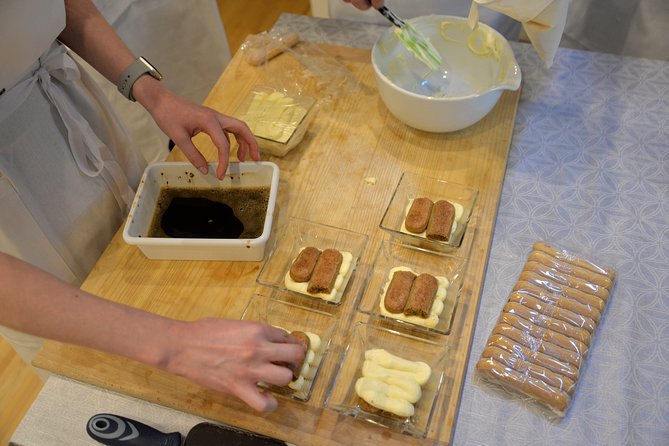
After the main courses, you’ll have a typical local dessert. Options can include Apulian classics such as Sporcamuss (typical Bari cake), Torta pasticciotto (typical Lecce cake), or tiramisu if you request it.
Finally, you sit down for the meal. The best part is that you get to enjoy it without thinking like a student. You made it; now you eat it. And in at least some experiences, the day can stretch out longer than the 3-hour estimate—one anniversary-style schedule ran from late morning to mid-afternoon.
What You Cook: Orecchiette, Capunti, Ragù, and the Stuff That Tastes Like Sundays
Let’s talk menu choices, because this class is built around the kind of food you remember later.
Homemade pasta: orecchiette or capunti
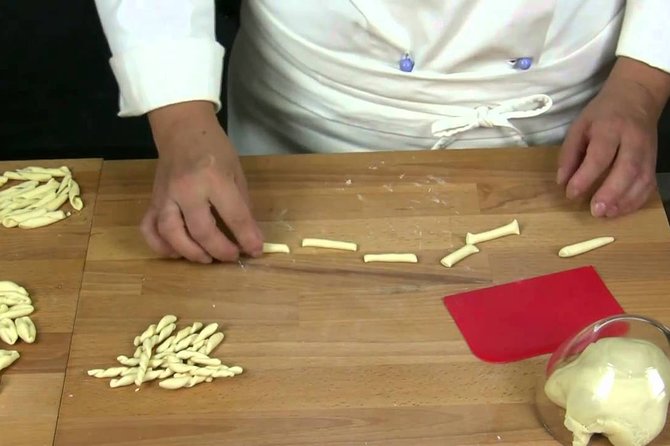
The centerpiece is traditional homemade pasta. The class focuses on orecchiette or capunti, both common in Southern Italy and recognizable for their shape and texture. Orecchiette has that signature “little ear” look, and capunti is similarly tied to local tradition.
What you’re really learning here isn’t just how to make dough. It’s how to handle pasta dough with confidence—working the right way, forming the pieces, and learning how the sauce and pasta should meet on the plate.
Second course: fish or meat, plus vegetables
For the second course, you’ll choose between fish or meat. If the day leans meat-heavy, you may also see a style like ragù of Sunday—a comfortingly slow-cooked type of sauce associated with family meals.
If you’re the type who loves variety, this is a nice format. You get one “classic pasta” moment, then you finish with something that feels like the table’s main attraction.
Dessert: Sporcamuss, pasticciotto, or tiramisu
Dessert is where the class becomes unmistakably regional. You might make Sporcamuss, known as a typical cake from the Bari area, or Torta pasticciotto, tied to Lecce. If you’d rather keep things familiar (or you’re a fan of creamy coffee flavors), you can request tiramisu.
This is one of the reasons I think this class stands out: you’re not just learning “Italian dessert.” You’re learning Apulian dessert.
The Hands-On Part: Skills You Can Reuse at Home
A good cooking class gives you recipes. A great one teaches you technique, so the recipe works again later.
Here, the hands-on component is a real focus. You’ll make pasta by hand, and you’ll also prepare parts of sauces and dishes that help the whole menu come together. In a couple of experiences described by guests, the teaching style included tomato sauce work for the handmade pasta, and even additional baking like lemon pie and a basic bruschetta—so depending on the day and the host’s choices, you may see more than just the “core menu.”
Two things you should expect to take home:
- Practical confidence with dough and pasta shape (this is where most people get nervous, and it’s also where guidance helps most).
- Sauce thinking, meaning you’ll learn how to build flavor and balance the sauce with the pasta you shaped.
And because a handbook of recipes is included, you’re not leaving with only memories. You’ll have something to reference when you want to try again.
Drinks and Portion Reality: Plan Like a Local
This class includes local wine and beverages, and it comes with the energy of a meal that’s meant to last. You start with an aperitif, and you finish with courses that aren’t tiny.
If you’re used to tourist meals where portions are controlled, you’ll probably need to adjust expectations here. The experience is built around cooking and eating together, so the food volume tends to be generous. In one anniversary-style schedule, guests finished with plenty of extra food, and even packed leftovers.
So my practical advice: eat lightly before you go. Not “skip breakfast,” but don’t arrive stuffed. You want your stomach ready for pasta, a second course, and dessert—especially if you’re drinking wine along the way.
Also, tell the host about dietary restrictions in advance. The experience notes that you should communicate dietary needs beforehand, which matters for ingredient choices across pasta, meat/fish sides, and dessert.
Price and Value: Why $119-ish Can Feel Like a Steal
At $119.21 per person, this isn’t a bargain-class option where you just get a quick demo. But when you look at what’s included, the value starts to make sense.
You’re paying for:
- A hands-on class
- Three courses (lunch or dinner)
- A recipe handbook
- Local wine and beverages
- A small group capped at 8 travelers
Many cooking experiences either focus on one dish or stop at a light tasting. Here, you cook enough to eat like a real home meal. In other words, you’re not only learning—you’re also fed, with drinks included.
Transportation isn’t included, which is the one cost that might affect your true total. If you’re relying on taxis or a ride from your base, factor that in.
Still, if you’re visiting Puglia and want one experience that feels both authentic and practical, this is a strong contender.
Getting There: Cozze Meeting Point and Simple Logistics
Your start point is Via delle Sirene, 70042 Cozze BA, Italy, and the activity ends back at the same meeting point. Private transportation isn’t included, so you’ll need to plan how you’ll arrive and depart from Cozze.
That detail matters because “near Polignano” can mean different travel times depending on where you’re staying. If you’re based in central Polignano, you’ll likely want a short taxi ride or a pre-arranged transfer. If you’re staying farther out, plan a bit more buffer time.
One more practical note: one guest mentioned the meeting point shown online wasn’t accurate, and the fix was simple—contact the person who reaches out to you on WhatsApp before the class. That’s good advice even if everything goes smoothly for you. Send a message after booking and confirm the exact pickup details.
Who This Is Perfect For (and Who Might Want Something Else)
This class fits best if you want an authentic, food-first experience with real instruction and real hospitality.
You’ll likely enjoy it if:
- You like homemade pasta and want to learn technique, not just watch
- You want a meal that feels like a family table, including wine and dessert
- You’re traveling with friends or a partner and want a small-group setting
It might be less ideal if:
- You’re looking for a fast, structured “clockwork” activity with lots of sightseeing stops
- You dislike eating multi-course meals with wine included
- You need very specific accessibility or medical accommodations (no accessibility details are provided here)
Practical Tips to Make the Day Go Smooth
Here are a few tips that will help your experience feel effortless.
- Wear something you can stand cooking in. Flour finds its way. Expect it.
- Bring a light appetite. You’ll have pasta, a second course, and dessert.
- Ask about dessert direction when you arrive. If you want tiramisu, it’s listed as an option upon request.
- Communicate dietary needs early. It’s explicitly encouraged, and it helps the host plan.
- Plan for good weather. The class requires it; if conditions are poor, you’ll need to reschedule or receive a full refund.
- Use WhatsApp to confirm meeting details. It’s a low-effort way to avoid confusion.
Should You Book the Trullo Orecchiette Class?
I think you should book this if you want one experience in Puglia that combines three things: real local cooking, a home-style meal, and a small group that keeps the teaching personal. The trullo setting makes the whole day feel special without turning it into a show, and the menu choices (orecchiette/capunti, a second course with fish or meat, and Apulian desserts like Sporcamuss or pasticciotto) give you a genuine taste of the region.
Skip it only if you want a quick hit or you’re uncomfortable with a long meal flow. Otherwise, this is the kind of day where you leave with stronger cooking skills, a full stomach, and the memory of eating what you just made—surrounded by Puglia warmth.
FAQ
How long is the cooking class?
The duration is listed at about 3 hours. Some schedules may run longer depending on the cooking and the meal flow.
Is the class offered in English?
Yes. The experience is offered in English.
What food will I eat and is it included?
You’ll have a hands-on cooking class and then a 3-course lunch or dinner. Included is a first course (like homemade pasta such as orecchiette or capunti), a second course (fish or meat), and a typical Apulian dessert. Local wine and beverages are included too.
Do I get a recipe handbook?
Yes. A handbook with recipes is included.
Where do I meet the host?
The meeting point is Via delle Sirene, 70042 Cozze BA, Italy, and the activity ends back at the same meeting point.
Is transportation included?
No. Private transportation is not included.
What if I have dietary restrictions?
You should communicate dietary restrictions in advance when booking, so the host can plan accordingly.
Is the experience affected by weather?
Yes. The experience requires good weather, and if it’s canceled due to poor weather, you’ll be offered a different date or a full refund.