REVIEW · CHIBA
Japanese Cooking Class and Cultural Experience Around Tokyo
Book on Viator →Operated by Home-style Authentic basic Japanese Cooking Class & Experience of Japanese culture · Bookable on Viator
Sake tasting after you cook sounds great. This small-group class in Chiba has you making Japanese home dishes (including dashi), then finishing with a short tasting and cultural add-on like tea or calligraphy.
I especially like the focus on real, everyday technique you can repeat later, and the fact that you’re doing the cooking yourself in a maximum of 8 people.
The one thing to watch is that your menu choice (A, B, C, or D) may depend on how many other groups are in the same session.
In This Review
- Key highlights you’ll care about
- Japanese cooking in Chiba: close to Tokyo, focused on real home food
- Chiba Station meeting point and how the day actually starts
- The cooking portion: 3–4 home-style dishes in about 2.5 hours
- Menu choices (A, B, C, or D) and how to pick smart
- Dashi: why this class treats it like a core lesson
- Hands-on cooking setup: what the small group changes
- The tasting and cultural options: sake, tea, or calligraphy
- Sake tasting time
- Tea tasting alternative
- Calligraphy alternative (with tools you’ll use)
- How to choose between sake, tea, and calligraphy
- Price and value: what $100.11 buys you (and why it can be fair)
- Who this experience is best for (and when it isn’t)
- Should you book this Japanese cooking class near Tokyo?
- FAQ
- Where does the class meet?
- How long is the cooking and the final tasting/activity?
- Can I choose what dishes we cook?
- What if I don’t want to drink sake?
- What can I do in the calligraphy option?
- What is the cancellation policy?
Key highlights you’ll care about
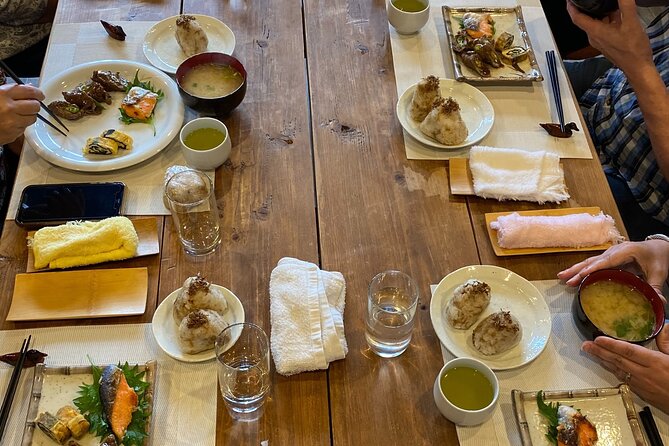
- Dashi training: Learn how to make Japan’s go-to soup stock as part of the meal.
- 3–4 home-style dishes: You cook multiple popular favorites, not one single recipe.
- Small group, hands-on pace: Maximum of 8 travelers keeps it interactive.
- Sake tasting time: Enjoy a short tasting featuring locally distilled, rare high-quality sake.
- Flexible cultural finish: If you prefer not to drink (or if you’re not an adult), switch to tea tasting or calligraphy.
- Calligraphy with tools and fan-making: Write your name or a kanji character with special brush/ink, then decorate your own fan.
Japanese cooking in Chiba: close to Tokyo, focused on real home food
If you want Japanese food that feels lived-in rather than showy, this class is the right shape. It runs in Chiba, but it’s designed for people who want the Tokyo area experience without getting stuck in a tourist-only routine. You start at Chiba Station, and from there it’s straight into a proper cooking setup where you learn as you go.
What I like about this format is that it treats cooking as a skill, not a performance. You’re learning basic but authentic Japanese home-style cuisine, plus how ingredients behave in real dishes. Then you get an optional cultural layer—sake, tea, or calligraphy—so your evening isn’t just about eating.
The session is also well paced. Cooking takes about 2.5 hours, and the tasting or cultural activity adds about 0.5 hour. That keeps the experience from turning into a long, fuzzy food blur.
Chiba Station meeting point and how the day actually starts
The meeting point is at Chiba Station (Chuo Ward, Shinchiba area, with the specific address listed as 1-chōme 1). The description notes it’s near public transportation, which matters because it removes one of the biggest travel headaches: finding the place after you’re already tired.
Pickup is offered, which is a quality-of-life win if you’d rather not navigate trains and streets right before cooking. And you’ll receive a mobile ticket, which makes it easier to show up without digging through printed paperwork.
One practical note: your confirmation comes within 48 hours of booking, depending on availability. So once you book, keep an eye on the message around the two-day mark so you don’t wait until the last minute to plan your arrival.
The cooking portion: 3–4 home-style dishes in about 2.5 hours
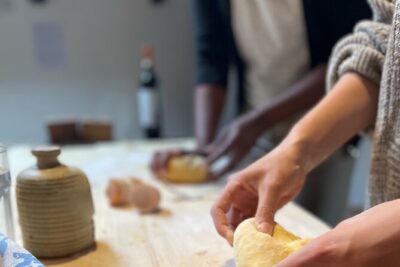
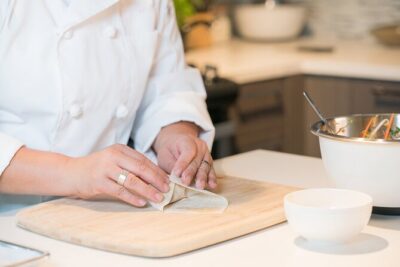
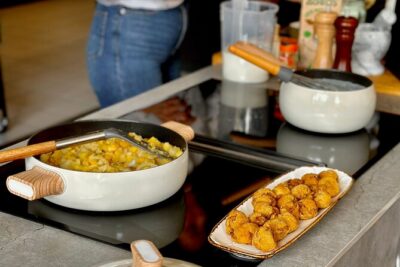
This is a working cooking class. The main promise is that you’ll cook 3–4 Japanese home-style cuisine together, with guidance through basic techniques and Japanese ingredient know-how.
Ingredients are prepared beforehand by the instructor, which is important for two reasons. First, it keeps the pace realistic for a 3-hour session. Second, it means you can focus on hands-on cooking choices—how you handle ingredients, how you follow the flow of each dish, and how flavors come together—rather than spending the whole time prepping from scratch.
You’ll also be learning dashi as part of the experience. Dashi is a foundational Japanese soup stock used across a lot of everyday cooking, so learning the method here gives you a tool you can use beyond the class recipes. Even if you never become a chef, understanding the stock base changes how you think about Japanese flavor.
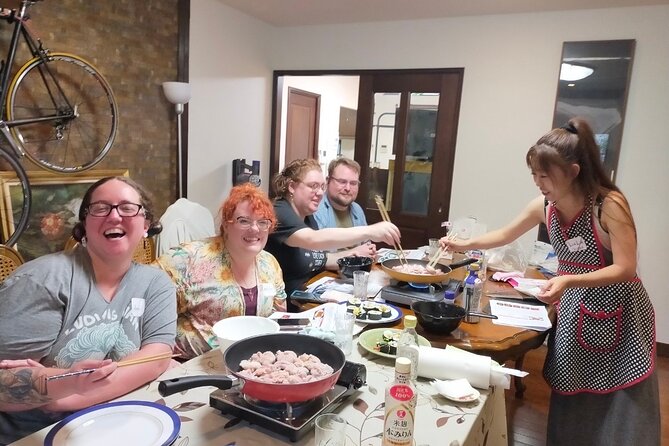
The best part is that you’re not just watching. With a maximum group size of 8, you should expect an interactive rhythm where you can get questions answered while you cook.
Menu choices (A, B, C, or D) and how to pick smart
When you book, you’re asked to choose your menu from A, B, C, or D. The instructor prepares ingredients in advance based on that choice, so this isn’t a gimmick. It’s meant to give you a say in what you’ll cook.
However, there’s a real-world condition: if only you (or your group) is attending, you can choose your favorite menu. If another group is also attending the same class, menu selection may be limited and you might not be able to get your exact A–D option.
So the practical strategy is this: if you have strong preferences (for example, you’re only interested in certain dishes), try to book on days/times when fewer groups are likely to join. If your schedule is fixed, don’t stress—every menu is described as popular and well-known in Japan, and the core skills (like dashi and home-style technique) still land.
If you have food allergies, you should message in advance. The host says they can discuss the menus with you, and that’s the right move with a class like this, since substitution decisions need time.
Dashi: why this class treats it like a core lesson
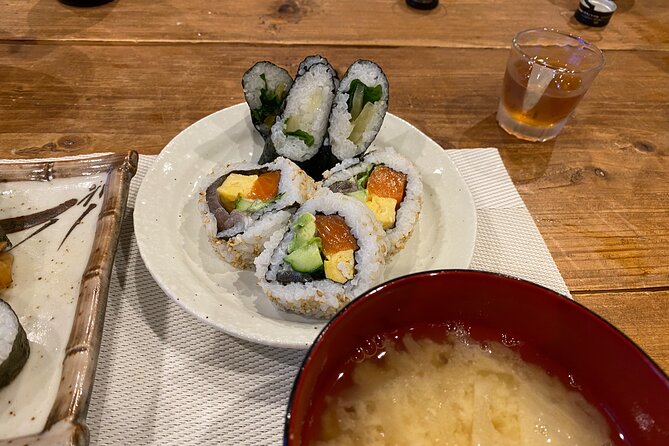
You’ll learn how to make dashi, the Japanese soup stock behind many comfort dishes. The class specifically calls out dashi because it’s not just a side ingredient—it’s a base flavor. Learning it in context (while you’re also cooking dishes that rely on that base) makes the lesson stick.
In practical terms, dashi teaches you how Japanese home cooking builds flavor through a stock foundation rather than relying only on heavy sauces or bold seasoning. Once you understand what dashi is doing, it becomes easier to recognize why certain Japanese dishes taste balanced and light instead of salty or overpowering.
And because the class teaches basics but keeps it authentic, you’re not just copying a recipe. You’re learning the method and the logic behind it—exactly what you want if you’d like to cook Japanese food at home later.
Hands-on cooking setup: what the small group changes
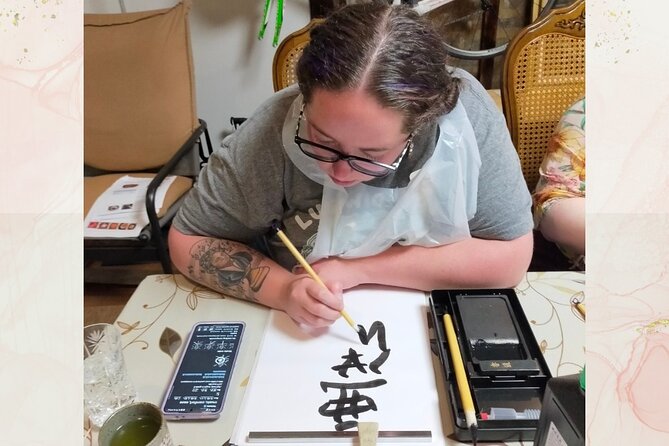
A maximum group size of 8 isn’t just a number. It affects how you experience the cooking.
With a smaller class, you’re more likely to get feedback while you cook—things like timing, technique, and how ingredient steps connect between dishes. It also reduces the common “everyone watches while one person cooks” feeling that some classes accidentally create. Here, the promise is that you enjoy cooking together as the instructor teaches basic but authentic home-style cuisine.
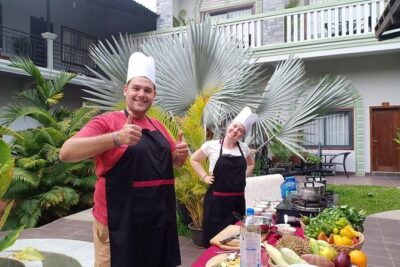
The atmosphere from the class feedback also points to this being lively and friendly. People describe the hosts as kind and engaging, and the whole thing as very fun. That matters because cooking classes are partly about the food and partly about whether you feel comfortable asking questions mid-process.
One more benefit: when the group is small, it’s easier to adapt if you want to adjust for preferences like not drinking alcohol later, or if you need a menu discussion because of allergies.
The tasting and cultural options: sake, tea, or calligraphy
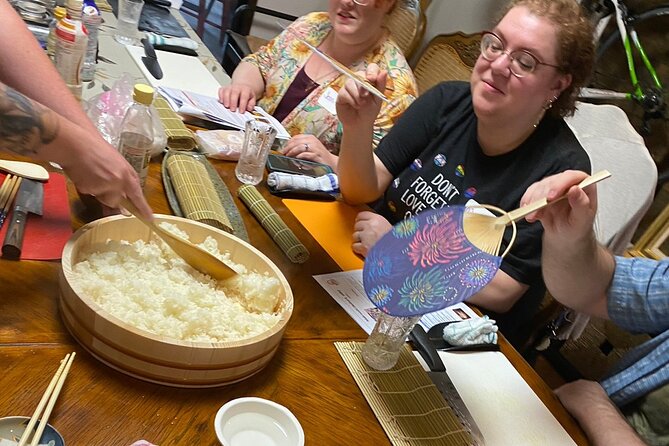
After you enjoy the dishes you cooked, you shift to a final segment built around taste and culture.
Sake tasting time
If you choose the alcohol option, you’ll have a sake tasting. The class notes that the sake is very unique and rare, and that it’s distilled locally in Japan. The tasting itself is short—about 0.5 hour—so it’s designed as a concluding experience rather than a long drinking event.
Tea tasting alternative
If you’re not a fan of alcohol, you can switch to a Japanese tea tasting. The description highlights that Japanese tea isn’t only green tea, which is a nice reminder if your only reference point is matcha or basic green varieties.
Calligraphy alternative (with tools you’ll use)
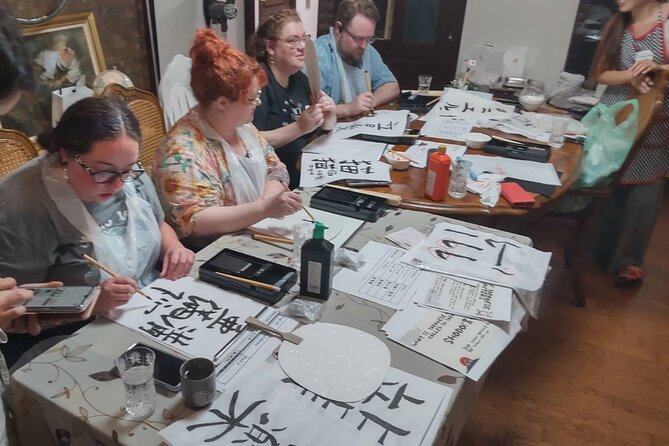
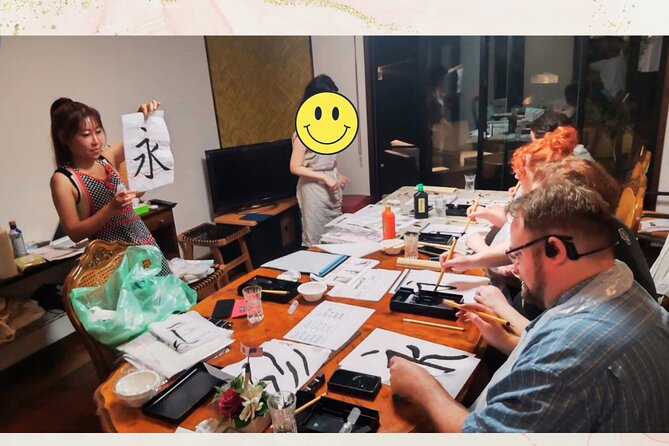
Another option is calligraphy. You can write your name or a kanji character using special brushes and ink. Then, based on the class experience, you’ll even decorate your own fan after the lesson—an activity that turns the “class souvenir” into something you made with your own hand.
If you want a cultural takeaway that doesn’t involve alcohol, this calligraphy track is one of the strongest reasons to book. It also gives the class a different flavor than the cooking alone, so you end the evening with an item that feels personal.
How to choose between sake, tea, and calligraphy
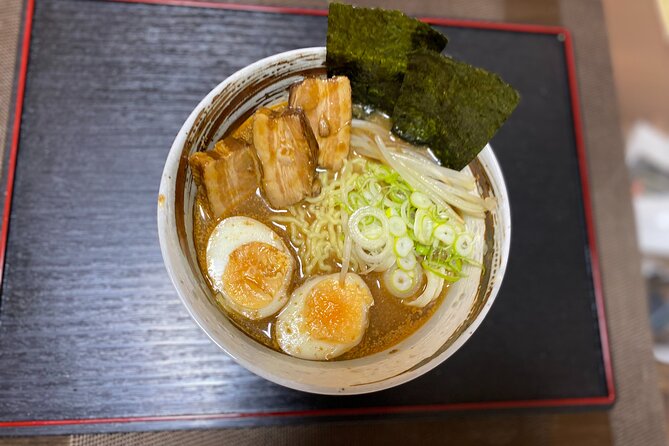
Your decision here can shape the mood of the last half-hour.
- Choose sake tasting if you want the full Japanese food-and-drink arc and you’re comfortable tasting something special after your meal.
- Choose tea tasting if you want a similar finish without alcohol, and you’re curious about the broader range of Japanese tea.
- Choose calligraphy if you want a creative skill and a take-home souvenir that connects more with tradition than with tasting.
The class is clear that you can switch if you’re not a fan of alcohol or if you’re not an adult. So you don’t have to worry that you’ll be forced into the tasting part.
Price and value: what $100.11 buys you (and why it can be fair)
At $100.11 per person for about 3 hours, this class is pricing the experience more like a hosted skill session than a simple meal.
Here’s what you’re paying for:
- Instruction for multiple dishes (3–4) in a home-style cooking format
- Learning dashi and Japanese ingredient basics as part of the workflow
- Ingredients that are prepared beforehand so you can cook efficiently
- A short final segment that can include sake tasting, tea tasting, or calligraphy with special tools
- A small group limit of 8, plus pickup is offered (if you want it)
- A mobile ticket and an organized structure that reduces day-of stress
So the value isn’t only about food quantity. It’s about buying time with an instructor, getting hands-on technique, and leaving with either a sensory memory (taste) or a created keepsake (calligraphy and fan decoration).
If you compare this to eating out, it’s not the same purchase. You’re not buying a restaurant meal—you’re buying a lesson with food, and that’s why the price can feel reasonable even when it’s more than a quick bite.
Who this experience is best for (and when it isn’t)
This class is a great fit if you:
- Want hands-on Japanese cooking and you like structured instruction
- Are curious about how Japanese flavor is built, starting with dashi
- Like the idea of a small group class rather than a crowded workshop
- Want an add-on at the end that matches your preferences (sake, tea, or calligraphy)
- Care about authenticity and everyday home-style technique more than plating tricks
It may be less ideal if you:
- Need a guaranteed A–D menu choice when other groups are joining (menu selection can be limited then)
- Have very complex allergies and need lots of special accommodations (the class says you should discuss allergies in advance, but it’s still better to message early and clearly)
Either way, the small group size and the flexible cultural options make it a strong choice for many budgets and interests.
Should you book this Japanese cooking class near Tokyo?
If you want a practical way to learn Japanese home cooking, I think this is worth booking. The combination of dashi training, cooking multiple dishes together, and a short cultural finish (especially calligraphy) gives you more than just dinner. You come away with skills you can reuse and either a tasting memory or a take-home item.
Book it if you’re excited by the hands-on process and you want a Tokyo-area experience that feels local and teachable—starting at Chiba Station and staying in a small group of up to 8.
Only hesitate if your top priority is a specific A–D menu and your schedule makes it likely other groups will join. If that’s you, message early about the menu situation, and be open to the fact that the core learning will still be the same.
FAQ
Where does the class meet?
It starts at Chiba Station in Chiba, Japan (Chuo Ward, Shinchiba). The listed address is Chiba, 260-0031, Shinchiba 1-chōme 1.
How long is the cooking and the final tasting/activity?
The experience is about 3 hours total. Cooking takes about 2.5 hours, and the sake/tea tasting or calligraphy takes about 0.5 hour.
Can I choose what dishes we cook?
Yes. When you book, you choose a menu from A, B, C, or D. The host notes that menu choice is easiest if you or your group are the only attendees; if another group attends the same class, you may not be able to choose the exact menu.
What if I don’t want to drink sake?
If you are not a fan of alcohol (or if you are not an adult), you can switch the program to Japanese tea tasting or calligraphy.
What can I do in the calligraphy option?
You can write your name or a kanji character using special brushes and ink. The experience also includes decorating your own fan after the lesson.
What is the cancellation policy?
Free cancellation is available. You can cancel up to 24 hours in advance for a full refund; if you cancel less than 24 hours before the start time, the amount paid is not refunded.