REVIEW · LEVANTO
Levanto, Cinque terre: Fresh Pasta and Pesto cooking class
Book on GetYourGuide →Operated by da Ca Persa · Bookable on GetYourGuide
Your lunch starts with a mortar.
In Levanto, you join a small group cooking session led by Ermanno and Clara, where you’ll make fresh pasta and Genovese pesto, then sit down to lunch with a wine pairing and a spritz-style aperitivo. The best part is that this is not a demo. You work with your hands, and you leave with recipes you can actually use later.
I especially like the hands-on approach to shaping pasta (including corzetti), plus the fact that the instructors walk you through the how and the why, not just the steps. And the meal afterward feels like the payoff: your pasta and pesto land on the table while you’re still in the cooking mood.
One consideration: this is a home-kitchen experience and it’s not suitable for gluten intolerance, and wheelchair access isn’t offered. If you need strict dietary options or step-free access, you’ll want to plan ahead.
In This Review
- Key points to know before you go
- Levanto’s kitchen class: why this beats another pesto workshop
- Getting there from Cinque Terre: the Levanto advantage
- The real schedule: cooking time vs. total experience
- Aperitivo first: a Ligurian way to start the meal
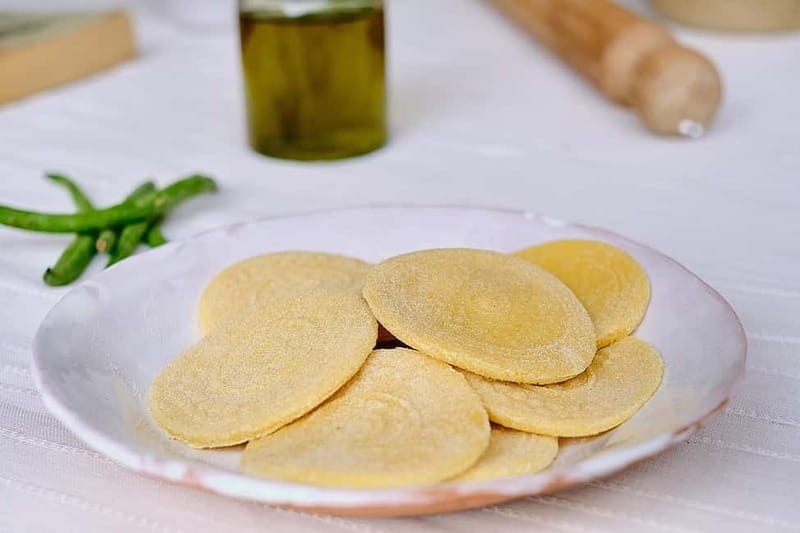
- Making fresh pasta: corzetti and the shapes that matter
- Genovese pesto in the mortar: why it tastes different
- Tiramisu assembly: simple, but satisfying
- Lunch, wine pairing, and espresso: the payoff
- What you’ll take home (besides full stomach energy)
- Who this class is best for
- Value for your money: what you’re actually paying for
- Tips to make your day smoother
- Should you book this Levanto pasta and pesto class?
- FAQ
- Where does this experience start?
- How long is the cooking class?
- What will I learn to cook?
- Is an aperitivo and wine included?
- How big is the group?
- What languages are available?
- Is it suitable for children?
- Is it suitable for gluten intolerance or wheelchair users?
Key points to know before you go
- Pickup and drop-off from Levanto means you’re not juggling taxis after you’ve had wine
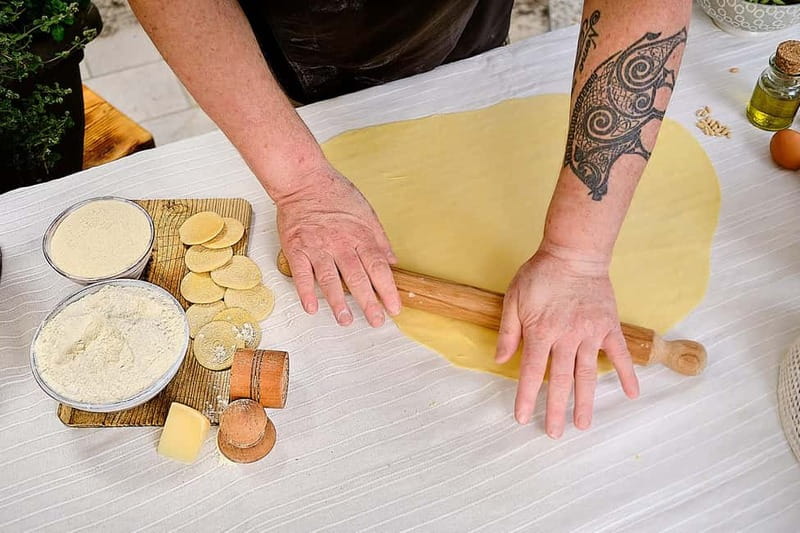
- Hands-on corzetti and fresh pasta shaping (not just watching)
- Ligurian pesto in the mortar for the classic texture
- Aperitivo plus lunch with wine pairing makes it feel like a full afternoon, not a quick class
- A small group size keeps it personal and question-friendly
Levanto’s kitchen class: why this beats another pesto workshop
Cinque Terre gets the headlines, but food culture in Liguria lives in the smaller places too. Levanto is the right base if you want to mix trains and hikes with a day that feels more like a local lunch than a tourist event.
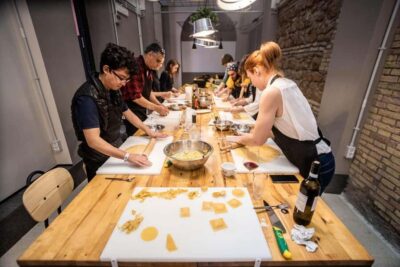
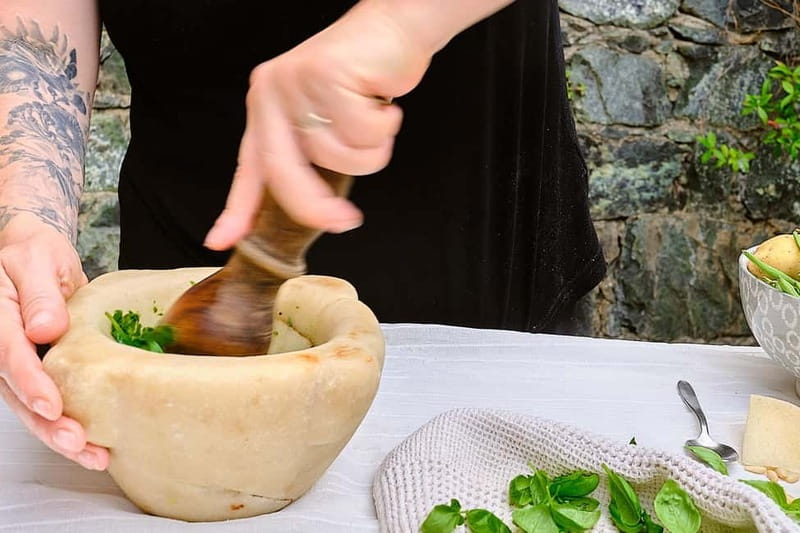
This class works because it treats cooking like a craft. You’re not handed a pre-made dough and told to assemble something for a photo. Instead, you make fresh pasta from scratch and shape it into a traditional form (including corzetti). Then you build Genovese pesto the way Ligurians do it, using a mortar to get that thick, creamy texture that coats pasta properly.
And yes, there’s the fun part: you’ll also make tiramisù. That means your time isn’t just about savory—it’s a full “from start to finish” lunch experience.
The vibe is also unusually warm for a cooking class. The hosts welcome you into their home and keep the group small. From the start, you’re learning, chatting, and then eating what you made, on a terrace that turns the whole afternoon into a slow, satisfied thing.
Getting there from Cinque Terre: the Levanto advantage
If you’re basing yourself in Cinque Terre, you’ll probably travel by train. The nice thing is that Levanto is just a short hop along the coast rail—one stop north—and it’s easy to connect.
What you’ll love here is the included transfer from Levanto. You get picked up and then returned afterward. That matters because the experience includes a wine pairing and an aperitivo, so having transport handled removes the awkward “Do I really want to walk back?” math.
In real terms, it also sets the tone. You arrive without stress, put your stuff away at the hosts’ home, and focus on cooking instead of logistics.
The real schedule: cooking time vs. total experience
The listing duration can look confusing, so here’s how I’d plan your day.
The hands-on cooking part is about 1 hour, but the whole experience typically runs longer because you also do aperitivo, wine, and the sit-down lunch with what you made. Reviews commonly mention it feeling like an afternoon, roughly around three-plus hours.
So if you’re scheduling trains, tours, or a dinner plan right after, don’t be aggressive. Give yourself breathing room. You’re going to eat well, and you’ll want to linger.
Aperitivo first: a Ligurian way to start the meal
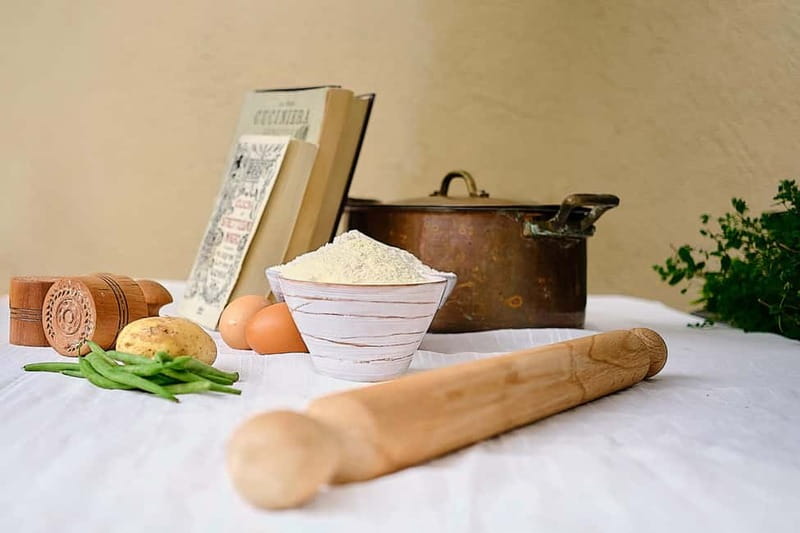
Before the pasta mess begins, you’ll start with an aperitivo. You may get a spritz-style drink, plus local wines. This is more than a drink ticket. It’s a warm-up for the rest of the lesson.
You get comfortable in the space, you meet the hosts, and you settle into the rhythm of a home meal. You’ll also get context as you wait your turn—small tips, regional background, and practical guidance that makes what you do next easier.
This is also where a lot of the personality shows up. It’s not stiff. You’re encouraged to ask questions, and the vibe tends to feel like you’ve been invited for a serious lunch.
Making fresh pasta: corzetti and the shapes that matter
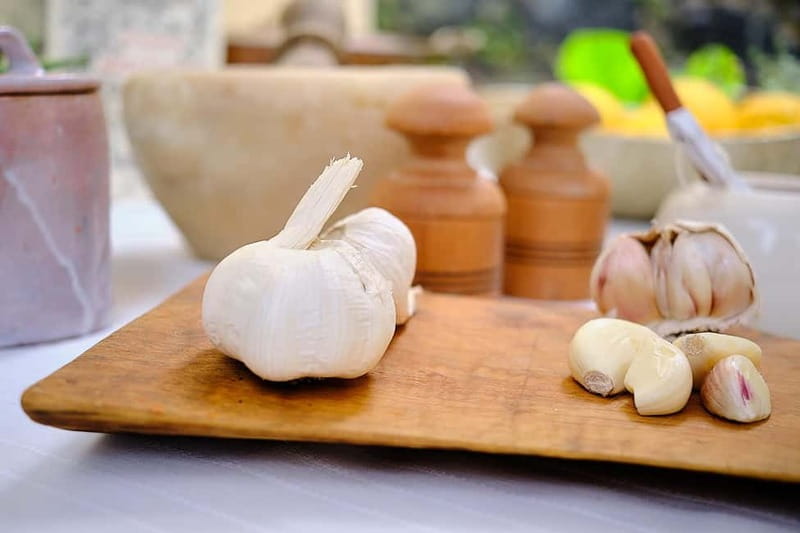
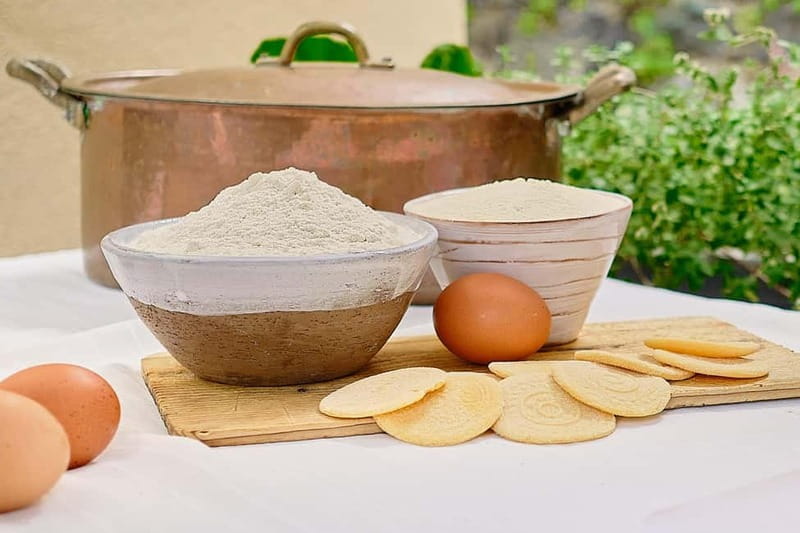
Now for the working part. You’ll learn to make pasta by hand and shape it into corzetti, a traditional Ligurian pasta form. The class also includes guidance on fresh pasta variations, so you’re not stuck doing one single technique.
What I like about this part is that you learn the muscle memory basics:
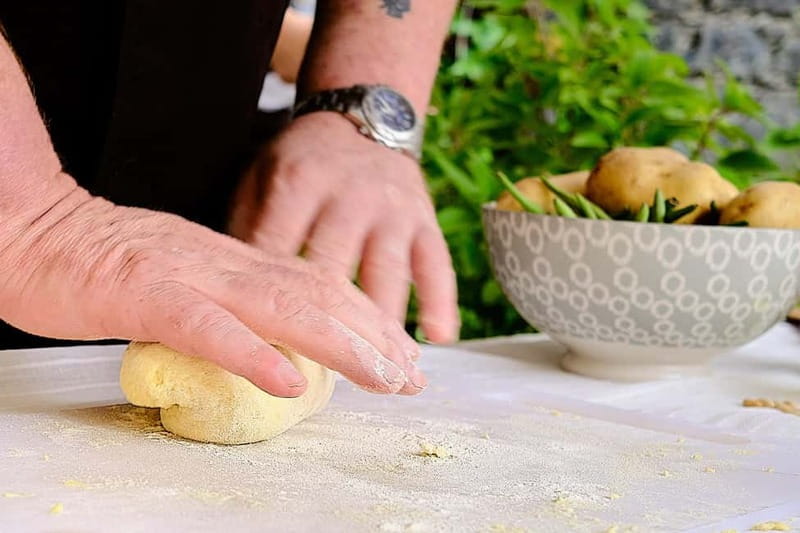
- how the dough should feel while you work it
- how to handle thickness and shape
- how the final texture affects the way it holds sauce
Even if you’ve never made pasta before, the teaching style is practical. The hosts break things down and keep directions clear, which matters because pasta can feel intimidating when you’re standing there holding it like a brick.
Also, having a small group makes a difference. With fewer people, the instructors can correct you without rushing. You’re not on a conveyor belt.
Genovese pesto in the mortar: why it tastes different
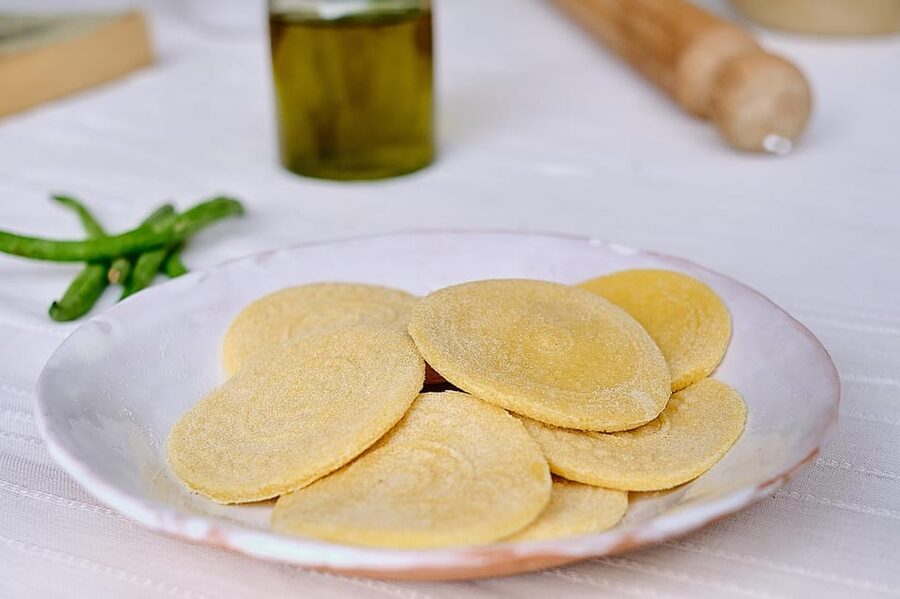
Then comes the pesto. Not pesto “as a sauce.” Pesto as a technique.
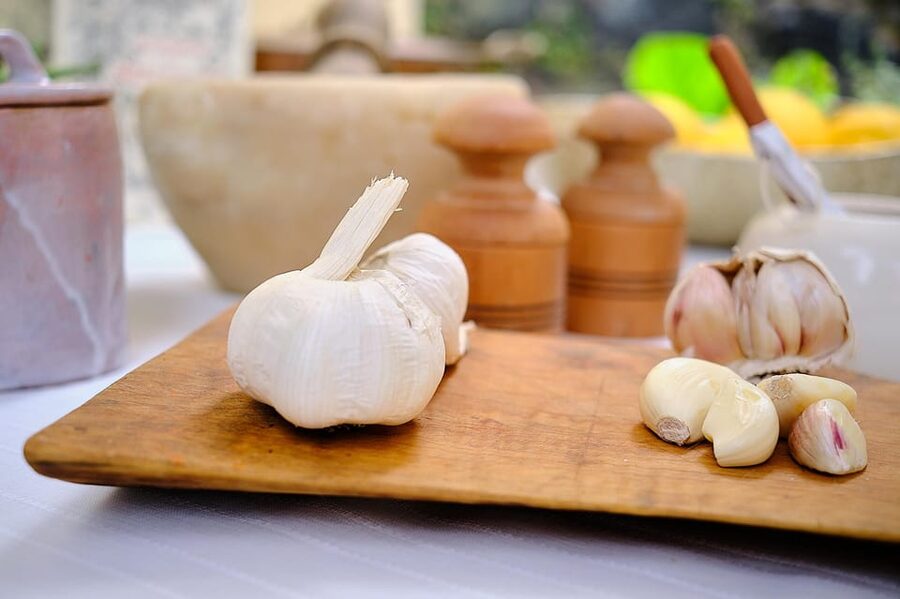
You’ll make Genovese pesto with basil, garlic, pine nuts, and the mortar method that many people skip when they use a blender. The mortar approach matters. It changes the texture. Instead of a uniform grind, you get that slightly rustic, creamy body that clings to pasta.
You’ll learn how to balance the ingredients so it tastes right, not just “green.” You’ll also understand why this dish is considered iconic in Liguria. It’s a practical food, built on simple ingredients and a method that helps them work together.
And yes, the pesto you make becomes part of lunch. That turns a lot of cooking classes from a class into a real meal—because you can taste the difference while it’s still fresh.
Tiramisu assembly: simple, but satisfying
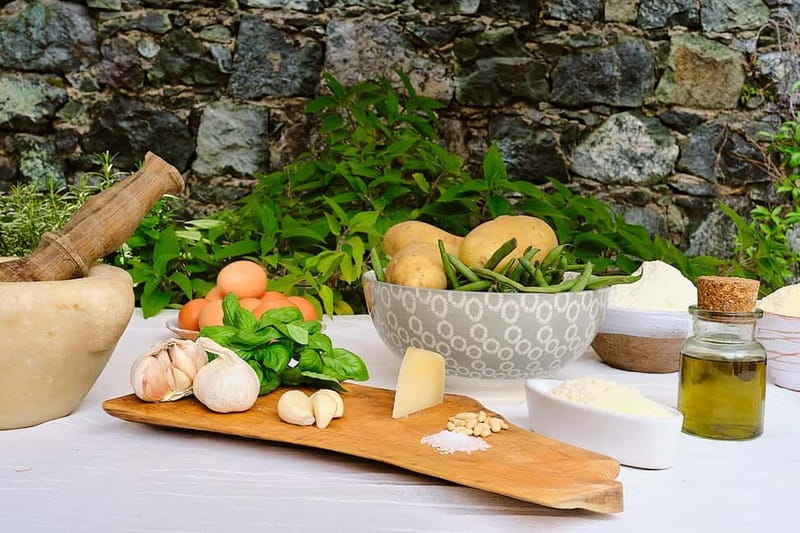
After pasta and pesto, you’ll shift gears to dessert: tiramisu. You’ll assemble it yourself, so you end the class with something you can bring home as a mental win.
This is one of the most useful parts of the whole experience. Pasta and pesto teach technique. Tiramisu teaches timing and layering, plus it shows how classic Italian desserts rely on smart assembly rather than fancy equipment.
Even if you don’t consider yourself a “dessert person,” this section gives you a confidence boost. It’s hard to mess up when you’ve got clear instructions and you’re making it with the group.
Lunch, wine pairing, and espresso: the payoff
When you sit down to eat, you’ll have what you made: pasta dishes finished with your pesto, and tiramisù for dessert. A wine pairing is included, and it’s part of the experience rather than a random add-on.
You also get espresso, which is a nice finishing touch after a meal that’s more than a snack.
The terrace setting (in a home environment) is a big reason this class feels different from standard cooking schools. You’re not in a classroom. You’re eating in the kind of place where cooking is simply how people feed each other.
One small detail that makes it memorable: you might even get the chance to pick lemons from the garden, depending on timing. It’s a quirky moment, but it connects the food to the place. And that connection is what makes recipes less abstract.
What you’ll take home (besides full stomach energy)
The best souvenir here isn’t a keychain. It’s understanding.
You get recipe handouts and recipes, so you can recreate the dishes later. You also walk away with technique:
- How to think about pesto texture
- How to shape corzetti-style pasta
- How to assemble tiramisù without stress
That’s why this class rates so highly. It gives you a real skill set, and you get the meal to prove it.
Who this class is best for
This is ideal for you if you want a hands-on day in Liguria that feels personal, not production-line. It’s also a good match if you’re staying in or near the Cinque Terre area but want to do something different from hiking and photo stops.
It’s especially good for:
- couples and small groups who like conversation
- people who want a cooking class that teaches the method, not just the recipe
- first-timers who feel nervous about “real Italian cooking”
A quick reality check on fit:
- Not suitable for children under 10
- Not suitable for wheelchair users
- Not suitable for people with gluten intolerance
If any of those apply, you’ll need a different plan.
Value for your money: what you’re actually paying for
Even without a listed price here, you can judge the value by what’s included. This class wraps several costs together:
- round-trip transfer from Levanto
- cooking instruction in a small group (limited to 6)
- aperitivo and wine pairing
- lunch built from your own cooking
- recipe handouts
Many cooking classes charge for the instruction alone, then you still pay for lunch and drinks separately. Here, you’re buying a complete experience: teaching plus a meal that uses the same ingredients you handled in class.
And because the group is small, you’re also buying attention. You’re more likely to get corrections, tips, and conversation rather than just moving through a checklist.
Tips to make your day smoother
A few practical things I recommend before you go:
- Wear clothes you can get flour on. Pasta is messy in the best way.
- Bring a good appetite. The meal is part of the experience, not an afterthought.
- Ask questions early. The hosts are teaching style-driven, so it helps to clarify anything that feels confusing while you’re still mid-process.
- Plan your schedule with extra time. You’ll be eating and chatting, not sprinting to the next stop.
Should you book this Levanto pasta and pesto class?
If you want the Cinque Terre region, but with a day that feels human and edible, I think you’ll enjoy this. The hands-on pasta work, mortar pesto, and the fact that you eat what you make turn it into more than a class. It becomes a full afternoon in Liguria, with wine, aperitivo, and dessert handled in one place.
Skip it if you need gluten-free options, or if wheelchair access is required. Also skip it if you hate home-kitchen settings and prefer big-scale, impersonal activities.
Otherwise, book it. This is the kind of day you remember when your dinner plate at home starts tasting a little more like Liguria.
FAQ
Where does this experience start?
It includes transfers, so you’ll be picked up in Levanto and then brought back after the class.
How long is the cooking class?
The cooking class duration is listed as 1 hour, and the overall experience spans several enjoyable hours with aperitivo and lunch.
What will I learn to cook?
You’ll make fresh pasta (including corzetti), Genovese pesto, and assemble tiramisù.
Is an aperitivo and wine included?
Yes. The experience includes aperitivo and a wine pairing, plus lunch and espresso.
How big is the group?
The group is small, limited to 6 participants.
What languages are available?
The instructor speaks English and Italian.
Is it suitable for children?
It’s not suitable for children under 10.
Is it suitable for gluten intolerance or wheelchair users?
It’s not suitable for people with gluten intolerance, and it’s not suitable for wheelchair users.