REVIEW · MALINDI
Malindi : Kenyan Cooking Class with Campfire Meal
Book on GetYourGuide →Operated by Mida Creek Nature Camp · Bookable on GetYourGuide
Firelight food beats restaurant meals. At Mida Creek Nature Camp, you’ll learn Kenyan cooking over a real campfire and then enjoy the meal you make in the natural setting.
What I really liked was the hands-on, step-by-step teaching. Harrison (the instructor) and his family keep explanations clear, talk with passion, and take their time so you understand what you’re doing, not just what to copy.
One thing to consider: this isn’t a safe pick if you have food allergies. The class asks you to contact the provider in advance to discuss allergies and intolerances, but the info also notes it’s not suitable for people with food allergies.
In This Review
- Quick hits before you go
- Campfire cooking at Mida Creek Nature Camp
- What you’ll cook: Coastal classics and flexible favorites
- Timing and meeting: a class that lines up with lunch or dinner
- From fire to plate: how the class flows
- Ingredients and tools: homegrown when possible, shop when needed
- Eat with the group or take your food home
- Cost and value: how $25 holds up in real life
- Who this cooking class suits best
- More than cooking: the camp vibe around your class
- Should you book this campfire Kenyan cooking class?
- FAQ
- Where does the cooking class take place?
- How long is the experience?
- What does it cost?
- Is it lunch or dinner?
- What dishes will we learn to cook?
- Can I request specific dishes?
- Will I eat what I cook?
- Is the instructor fluent in English?
- What should I bring, and are pets allowed?
- Is the class suitable if I have food allergies?
Quick hits before you go
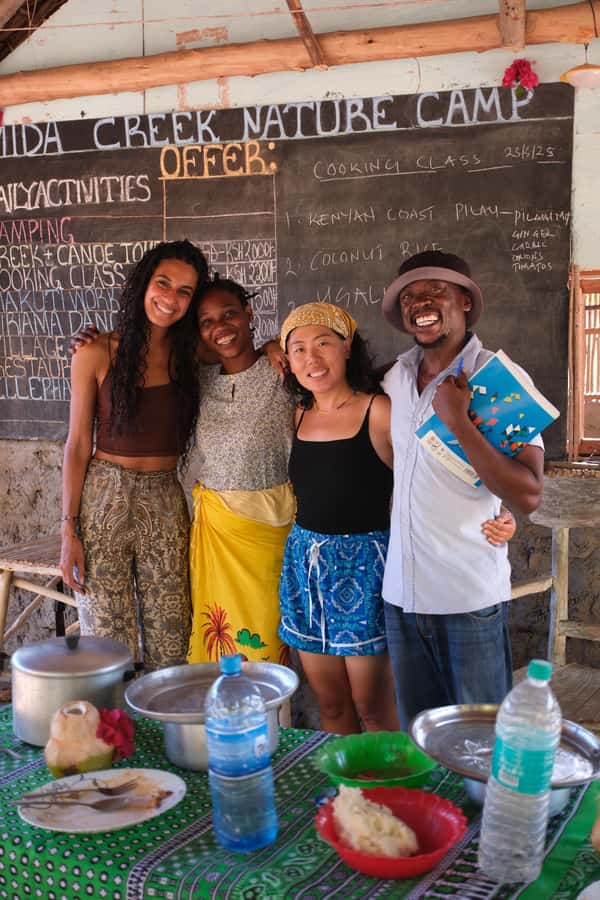
- Campfire cooking in a nature camp just outside Malindi’s main-road area
- Small group size (up to 10 people) means you’ll actually cook, not just watch
- Coastal Kenya dishes like ugali, githeri, pilau, sukuma wiki, mandazi, and more
- You can eat together or take food home depending on what you prefer
- Harrison’s family atmosphere makes it feel connected to local life, not a performance
- Homegrown ingredients first, with a small camp shop used to fill in missing items
Campfire cooking at Mida Creek Nature Camp
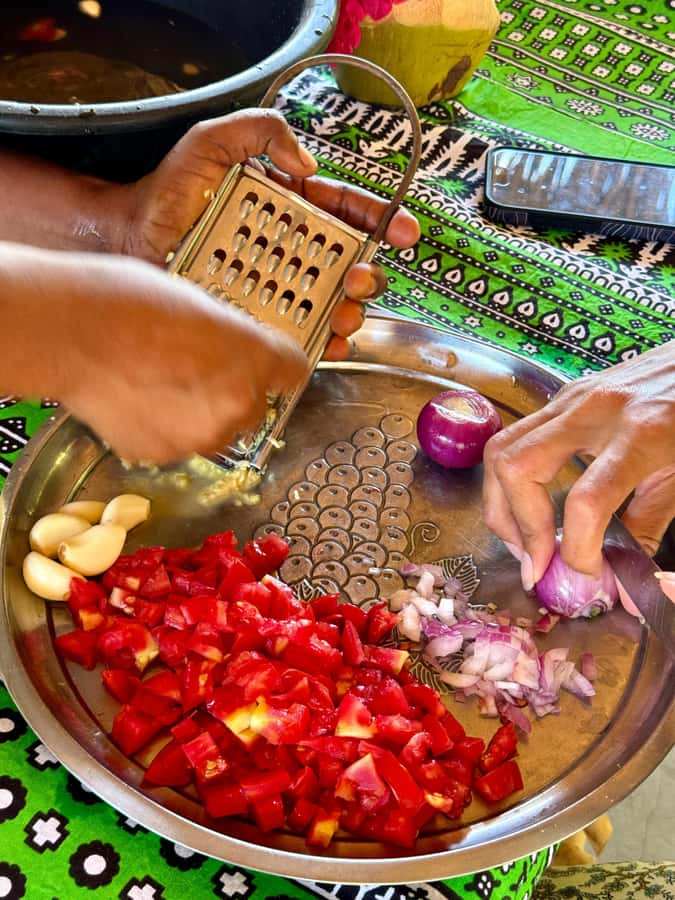
If you want a cooking class that feels like a real moment in Kenya, this one fits. Mida Creek Nature Camp is set in a leafy, sandy-feeling pocket close to the road—then you turn a corner and it feels like you’ve stepped into a quieter world. You’re cooking in open air, with traditional tools and techniques, and the aroma of food builds right there around the fire.
The setting matters because it changes your attention. Indoors, you can half-listen. Here, you’re close to the heat, close to the ingredients, and close to what’s happening. That’s how you learn faster—and remember the steps later when you try to recreate it at home.
Two other details I appreciate: the class is run in English, and it’s kept to small-group size (limited to 10). That combo makes a big difference if you’re the kind of person who asks questions, or wants to know why a sauce thickens or why a staple like ugali is cooked a certain way.
What you’ll cook: Coastal classics and flexible favorites
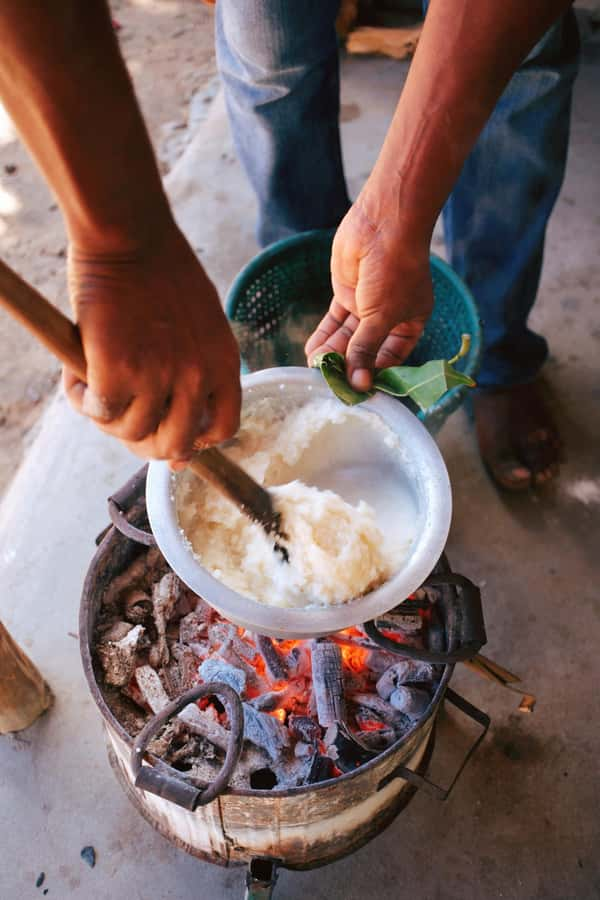
The menu style is “Kenyan tradition, chosen for the day,” so you’re not stuck with one fixed route. Some common dishes listed for the experience include:
- Ugali
- Githeri
- Kenyan Pilau
- Wali Wa Nazi (coconut-based rice)
- Sukuma Wiki
- Mchicha (spinach-style greens)
- Kenyan Stew
- Nyama Choma (grilled meat)
- Matoke (cooked bananas)
- Mandazi
- Grilled Maize
The cool part is not just the dish list—it’s the way the class rotates and can be adjusted. Each lesson features something different, pulling from Kenyan food traditions, but you can request dishes from Kenyan tradition if you want a specific taste.
From the reviews, one of the strongest signals is that the cooking feels typical to village life, using simple ingredients and real skill. People also described the output as very good, not just “fine for a class.” So you’re cooking for an actual meal, with a real chance you’ll want seconds.
Timing and meeting: a class that lines up with lunch or dinner
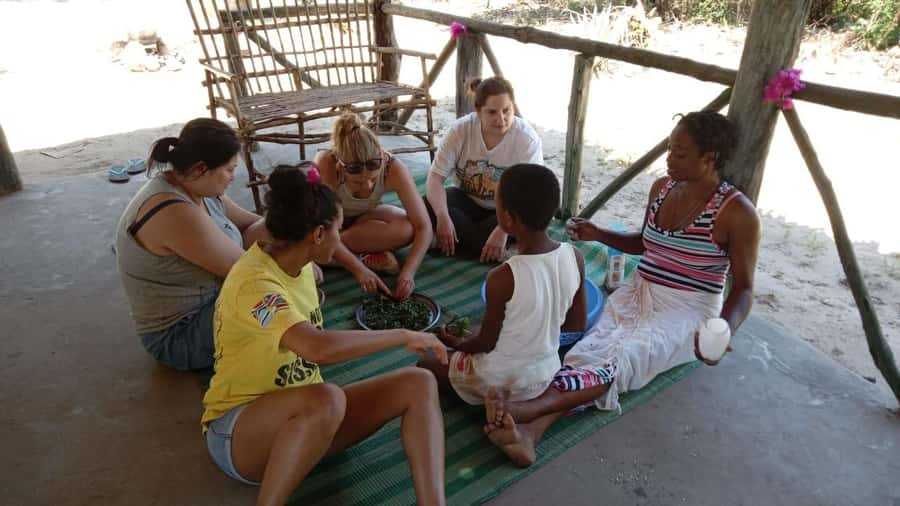
This runs for about 2 hours, and you meet a couple hours before lunch or dinner. The camp holds it at a time that fits your group preference, so you’ll likely choose the meal slot that matches the rest of your day in Malindi.
Why this matters: you’re not learning for hours and then eating later like a museum exhibit. You cook, then you eat soon after. That keeps energy up and helps the food taste right—especially for dishes that rely on timing.
Also, because it’s only two hours, you should go in ready to work. This isn’t a leisurely demo where you sit back. You’ll be chopping, mixing, and cooking along the way, with the instructor guiding you through what to do.
From fire to plate: how the class flows
You’ll start by meeting at Mida Creek Nature Camp and beginning cooking together shortly after. The structure is straightforward:
- Cook together at the campfire using traditional tools and techniques
- Learn key steps while ingredients are still fresh and the cooking rhythm is active
- Finish and serve the meal when it’s ready
The practical benefit here is that you learn in the order Kenyan dishes are meant to be made—rather than learning recipes as a disconnected list. That makes it easier to understand flavor building, not just measurements.
Harrison is a big part of the feel. From feedback, he’s described as smiling, welcoming, and precise with explanations, with a real passion for passing on culture. People also noted he takes his time. That matters because some cooking lessons rush through the tricky parts, and you end up guessing.
And the food output is not just one item. The class can cover multiple dishes in under two hours, so your brain gets used to switching tasks: one pan/sauce, another prep job, and then the finishing step. If you like active learning, you’ll probably enjoy that pace.
Ingredients and tools: homegrown when possible, shop when needed
One detail I like is the approach to ingredients: you should expect to use homegrown ingredients where possible. That’s part of why the meal feels grounded in the local place you’re visiting.
When something is missing, there’s a small shop at the camp to supply what’s needed. That’s a sensible compromise. It keeps the experience realistic (using local where they can) without derailing the class.
What to bring is simple: comfortable clothes. Expect some outdoor heat and the possibility of getting a little messy. Closed-toe shoes can be smart, even though it’s not explicitly listed—at minimum, wear something you can move in easily.
Eat with the group or take your food home
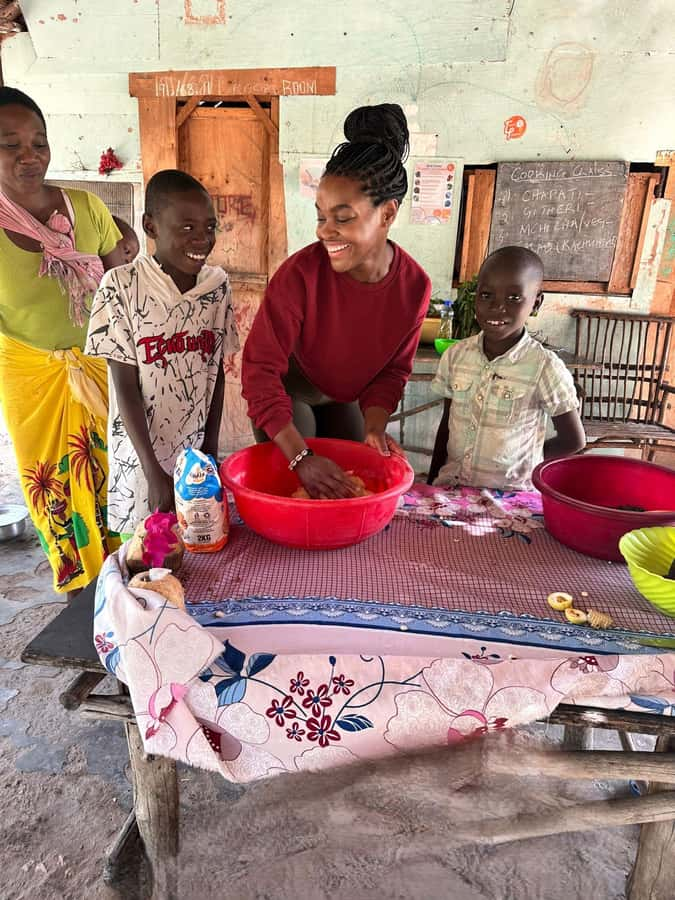
When the food is ready, you’ll have a choice: eat it with the group or bring your creations home with you (as preferred).
I like the “eat together” option because it turns the cooking class into a shared meal, and you’ll get to taste what everyone made. It also keeps the timing right—you’re eating food at its best.
But taking food home can be great if you’re pairing this with other plans in Malindi and want a built-in meal later. Either way, you’ll leave with a sense of what the dishes should taste like when fresh, not just what they taste like once reheated.
Cost and value: how $25 holds up in real life
At $25 per person for a 2-hour hands-on cooking class, this is priced like an accessible activity—especially for the type of learning you get. You’re not paying for a lecture. You’re paying for ingredients, instruction in English, and a meal you cook over a campfire.
The value comes from three places:
- You actually cook (small group, not a show)
- You get a full meal included in the price
- You learn multiple dishes picked from Kenyan tradition
If you’re comparing this to doing food tastings or buying your way through restaurants, the advantage is that you go home with skills, not just photos. And if you plan to cook later, even a few of these techniques can make your future meals better.
So yes, $25 feels fair here, mostly because the experience is structured around work + food + real guidance.
Who this cooking class suits best
This one is a strong fit if you want:
- a hands-on cooking experience with step-by-step help
- authentic Coastal Kenya dishes like pilau, ugali, sukuma wiki, and mandazi
- a small-group setting where you can ask questions
- a nature camp setting, not a kitchen classroom
You might especially like it if you’re the type who learns by doing. If you prefer to watch first and only cook later, this may feel a bit too active for you.
It’s also worth noting a key caution: it’s not suitable for people with food allergies based on the info provided. Even though the provider asks you to contact them in advance about allergies and intolerances, the class still isn’t positioned as safe for food-allergy needs.
More than cooking: the camp vibe around your class
A few guests also pointed out that Mida Creek Nature Camp feels like a hub for other nature and community-focused activities. Depending on what’s available during your visit, you might find added options like village or mangrove tours, plus workshops. Some also mentioned the camp rents tents and treehouses and that staying there can turn your visit into a multi-day experience.
That matters because you can plan the cooking class as your anchor activity, then build the rest of your day around nature breaks and local exploration—without making everything a big production.
Should you book this campfire Kenyan cooking class?
I’d book it if you want a genuine, small-group cooking session over fire, with real Coastal Kenyan dishes and clear teaching from Harrison and his family. The included meal, the camp setting, and the chance to either eat together or take your food home all add up.
Skip it if you need allergen-safe options, since it’s listed as not suitable for people with food allergies. Also, if you dislike active participation, go in aware that this class expects you to help cook rather than just observe.
If your goal is to taste Kenya in a way you can recreate later, this is a solid choice.
FAQ
Where does the cooking class take place?
The class takes place at Mida Creek Nature Camp in the Coast Province area of Kenya. You can use Google Maps for directions from the meeting point.
How long is the experience?
It lasts about 2 hours.
What does it cost?
The price is $25 per person.
Is it lunch or dinner?
You can choose between a lunch or dinner experience, based on group preference. You’ll meet a couple of hours before lunch or dinner.
What dishes will we learn to cook?
The class may include dishes such as ugali, githeri, Kenyan pilau, wali wa nazi, sukuma wiki, mchicha, Kenyan stew, nyama choma, matoke, mandazi, and grilled maize.
Can I request specific dishes?
Yes. Each lesson picks dishes from Kenyan tradition, and the class is open to requests for additional Kenyan dishes.
Will I eat what I cook?
Yes. Once the food is ready, you can eat it with the group or bring your creations home, depending on what you prefer.
Is the instructor fluent in English?
Yes. The instructor speaks English.
What should I bring, and are pets allowed?
Wear comfortable clothes. Pets are not allowed.
Is the class suitable if I have food allergies?
The information says it is not suitable for people with food allergies. If you have allergies or intolerances, contact the provider before the experience so they can discuss your needs.