REVIEW · BORDEAUX
Plant-based French Cooking Class in Historic Bordeaux Apartment
Book on Viator →Operated by Vegan French Cooking Class · Bookable on Viator
Cooking French food in a home beats a tour bus.
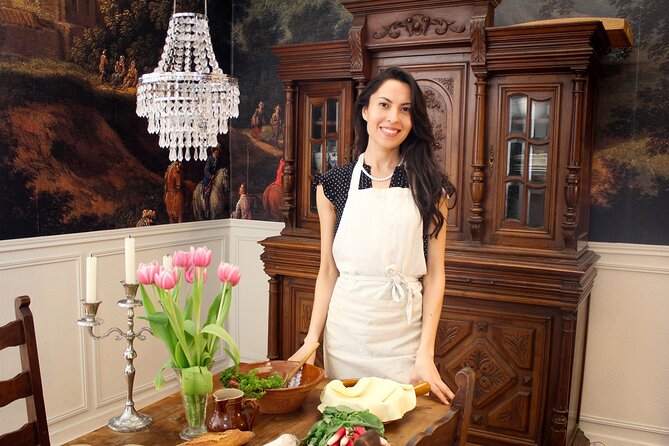
This plant-based French cooking class in Bordeaux mixes a relaxed neighborhood walk from the Grand Théâtre with real kitchen time led by Sarala in her apartment. I like that it feels both social and structured: you share an apéro first, then you cook in a way that teaches technique, not just plating tricks.
What I especially like is the hands-on pace—dessert comes first so it gets time to set or bake, and then you move into the main. One thing to think about: the apartment experience involves walking (about 10 minutes) and climbing three flights of stairs, so it’s not a great fit if mobility is limited.
In This Review
- Key highlights at a glance
- From the Grand-Théâtre to Sarala’s Apartment: the Bordeaux warm-up
- Apéro and menu talk: getting comfortable before you cook
- The cooking flow: dessert first, then the main dish
- What you’ll likely make (and why these dishes work)
- Sample menu moments: tapenade, tarte Tatin, and a chocolate verrine
- Starter: Tapenade with fresh bakery bread and olives
- Main: Tomato tarte Tatin
- Dessert: Chocolate and cream verrine
- Dinner in candlelight: conversation, pace, and bringing your own wine
- Wine policy: what you can and can’t expect
- Price and value: what $155.33 buys in Bordeaux
- Who this plant-based French class suits best
- The booking details that actually matter on the ground
- Should you book this Bordeaux plant-based French class?
- FAQ
- Where do we meet for the class?
- How long does the cooking class last?
- What language is the class taught in?
- How many people are in the group?
- What food is included?
- What dishes will we make?
- Will I get cooking tools and instructions?
- Can I bring wine?
- Is there walking or stairs involved?
- Is cancellation refundable?
Key highlights at a glance
- Meet at Opéra National de Bordeaux – Grand-Théâtre, then take a short scenic stroll on a famous boulevard
- Apéro + menu introductions before you start cooking, so you know what you’re aiming for
- All tools provided: apron, knife, cutting board, and a recipe card for each person
- Small group size (max 6), with Sarala coaching at a comfortable pace
- A full 3-course vegan dinner plus coffee and/or tea and bottled water
- Bring your own wine (alcohol isn’t served by the host due to regulations)
From the Grand-Théâtre to Sarala’s Apartment: the Bordeaux warm-up
The evening starts at Opéra National de Bordeaux – Grand-Théâtre in Place de la Comédie. It’s a smart starting point: you’re in the right part of town fast, and you’re close to public transport. From there, you take a short, scenic stroll down one of Bordeaux’s famous boulevards, passing cafés and boutiques as you get your bearings.
This walk does more than just move you to the kitchen. It sets the tone. You’re not rushing, you’re looking up at the buildings, and you’re already in that Bordeaux rhythm of people lingering outside shops and cafés.
If you want, there’s an option to stop by a wine shop to pick up a bottle for the evening. Even though the class itself can’t serve alcohol, bringing your own wine is allowed, so this can help you plan a nice pairing without overthinking it.
Apéro and menu talk: getting comfortable before you cook
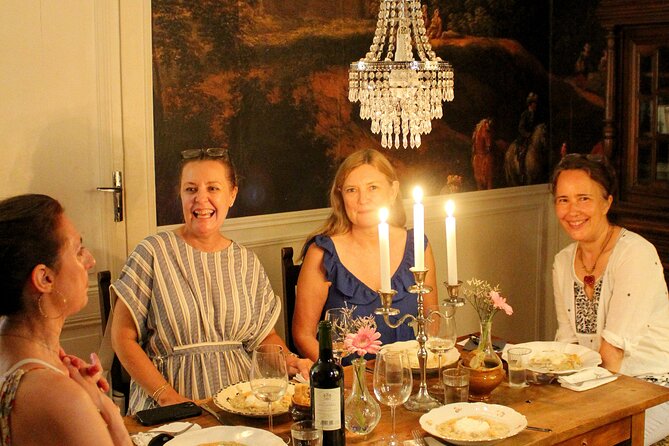
Once you arrive at Sarala’s apartment, the first step is an apéro—a drink with small bites—plus an introduction to what you’ll cook. This is one of the best parts of the whole experience because you don’t feel thrown into a class. You get context, you get to settle in, and you learn how the night flows.
Then Sarala sets expectations in a practical way: you can participate as much or as little as you want. That matters because cooking classes often pressure people into doing every step. Here, you can jump in when you feel confident and step back when you want to observe.
Sarala also explains the ingredients and the process as you go. That teaching style shows up in the feedback: people mention that she helped them understand what each step is doing, not just how to copy it. You’ll also hear practical home-cooking options while you cook, which is the kind of real-world advice you don’t get from a restaurant meal.
The cooking flow: dessert first, then the main dish
The kitchen timeline is simple and effective. You make dessert first, because it needs time to set or bake, and then you move into the main dish. It’s a small scheduling detail, but it makes the whole class feel calm instead of frantic.
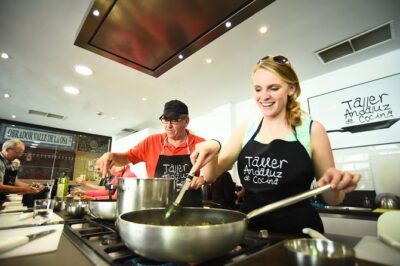
You also get your own station setup: apron, knife, and cutting board, plus a recipe card. Having your own tools reduces the usual bottleneck of group cooking. You’re not waiting for equipment while the group moves on, and it makes the experience feel genuinely hands-on.
In the kitchen, the vibe tends to be relaxed but still educational. One reviewer described it as chilled yet instructional, and that matches the structure: you’re guided through steps, then invited to participate. If you’re a confident cook, you’ll probably want to do more. If you’re new to French techniques, you’ll appreciate the step-by-step coaching.
What you’ll likely make (and why these dishes work)
You might cook a mix of classic French-leaning, plant-forward dishes. Here are examples you may prepare during the class:
- Vegetable blanquette (a creamy, comforting-style dish adapted for plants)
- Tomato tarte Tatin (upside-down style, with caramelized tomato and flaky crust)
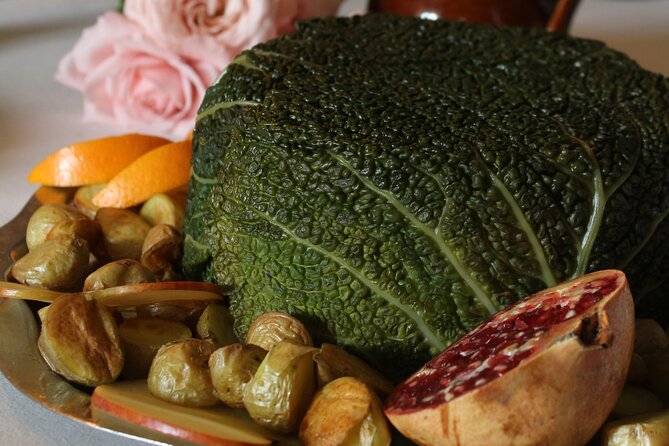
- Chou farci (stuffed cabbage style, depending on seasonal options)
- Chocolate mousse or chocolate-style desserts in a French glass-dessert format
- Seasonal fruit clafoutis
- Verrines (layered desserts served in glasses)
Even if your exact menu varies slightly, the lesson is consistent: French technique meets plant-based ingredients. You’re learning patterns you can reuse—how to build texture, how to manage oven or set time, and how to balance flavors.
Sample menu moments: tapenade, tarte Tatin, and a chocolate verrine
The sample menu gives you a clear sense of what the evening tastes like.
Starter: Tapenade with fresh bakery bread and olives
This is a great starter because it teaches a foundational flavor idea: bold, briny depth from olives and spreadable richness. Tapenade also plays well in a class setting because it’s straightforward, fragrant, and pairs naturally with hearty bread.
If you’re thinking about dinner at home afterward, this is the kind of recipe you’ll likely revisit. It’s flavorful without being complicated, and it gives you a confident first win.
Main: Tomato tarte Tatin
Tomato tarte Tatin is the star-type dish here. It’s upside-down and savory, with tomatoes that burst with juice and a crust that turns crisp and flaky. That combination is very French in spirit: flavor-forward vegetables plus technique-driven pastry.
Also, tarte Tatin-style cooking teaches you something practical: timing and caramelization matter. If you’re paying attention, you’ll learn how to get that sweet-savory effect without losing the tomatoes’ texture.
Dessert: Chocolate and cream verrine
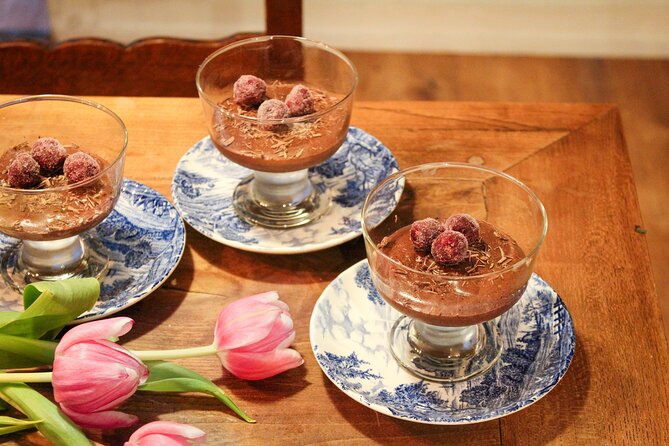
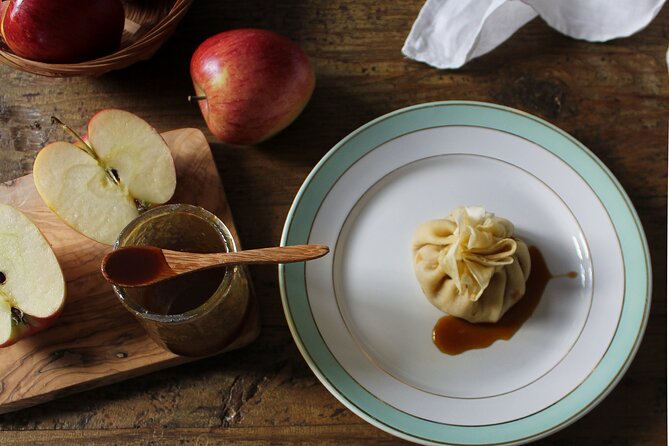
This dessert is layered, pretty, and very French in presentation. A typical version here is freshly made chocolate ice cream layered with lightly whipped vanilla cream, topped with a fruit coulis. The verrine format is also a cheat code for stress-free dessert: you focus on components and assembly while everything else sets.
Dinner in candlelight: conversation, pace, and bringing your own wine
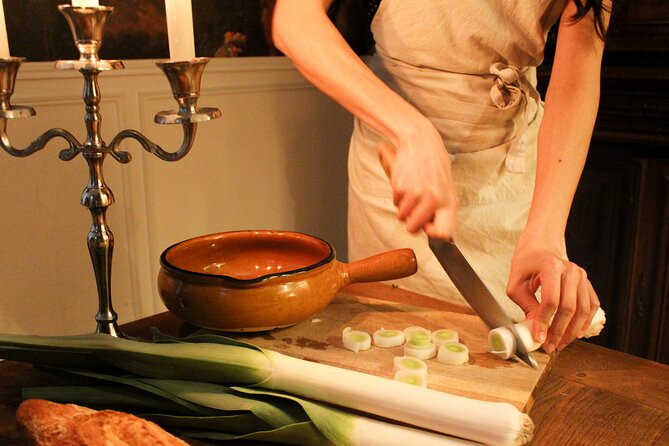
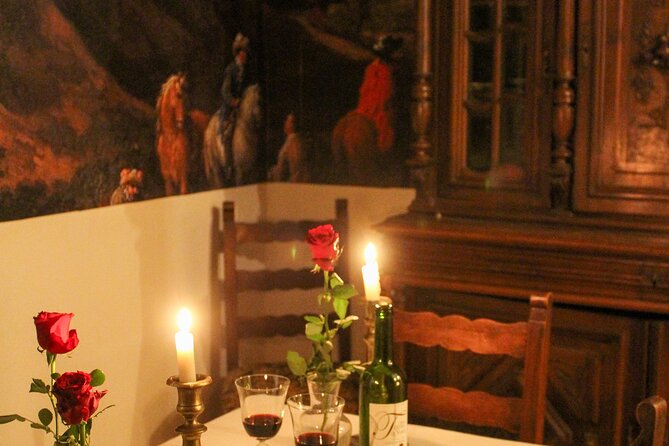
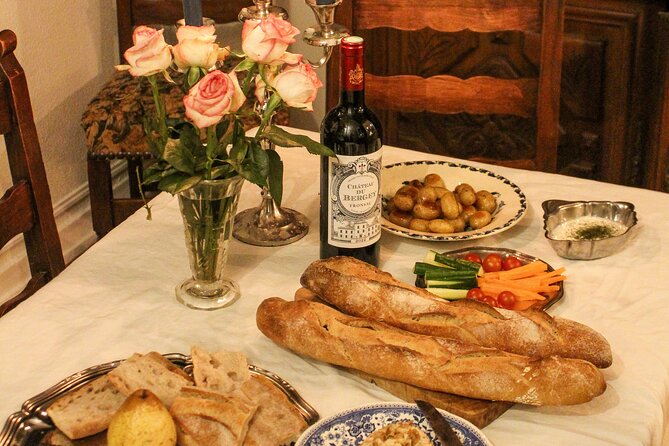
After cooking, you sit down for a candlelit three-course vegan dinner. This is more than just eating what you made. It’s where the class becomes memorable—people linger, conversation flows, and you enjoy the meal as a shared result of the work.
Sarala’s approach shows up in the feedback again and again: people mention laughter, comfortable conversation, and real help during the cooking steps. Even better, Sarala is happy to offer recommendations for discovering Bordeaux. That’s useful because Bordeaux can feel big and spread out, and a local perspective helps you decide what to prioritize.
Wine policy: what you can and can’t expect
Here’s the clear part: due to regulations, the host cannot serve alcohol. You’re welcome to bring your own bottle of wine to enjoy with the class.
Practically, this means you should plan for your favorite bottle ahead of time, especially if you want something that fits the menu. If you’re the type who likes to match wine to dishes, picking up a bottle during the optional wine-shop stop can be a nice way to make the evening feel complete.
Price and value: what $155.33 buys in Bordeaux
At $155.33 per person, this isn’t the cheapest thing you can book in Bordeaux. But it’s also not trying to be. You’re paying for a full 4-hour experience with a small group—maximum 6 travelers—in a private apartment setting, with real instruction and the ingredients turned into a three-course dinner.
For value, focus on what’s included:
- A vegan three-course dinner
- Coffee and/or tea, plus bottled water
- Apron and all cooking utensils
- Your own knife and cutting board
- A recipe card you can use again later
And then count the learning. You’re not just watching. You’re cooking with guidance, and the dessert-first schedule keeps the rhythm comfortable. One thing I like about this value proposition is that it lowers the intimidation factor: you can participate at your comfort level and still get a great meal at the end.
If you’re comparing it to eating out, you’re also getting more than a dinner. You’re getting the technique, the explanation, and a take-home plan for making these dishes again.
Who this plant-based French class suits best
This class fits best if you want French food with a plant-based twist and you’re okay trading restaurant speed for a slower, more personal evening.
You’ll probably enjoy it if:
- You want hands-on cooking rather than a passive tasting tour
- You like learning how recipes work, not just how they taste
- You’re traveling with friends or family and want a shared activity
- You’re curious about specific French-style dishes like tarte Tatin and verrines
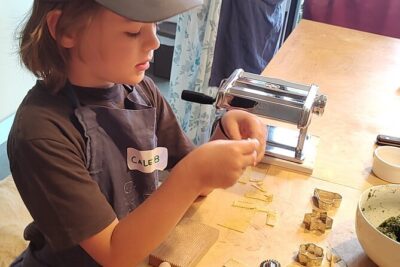
It can also work well for families. One review mentioned cooking with a 10-year-old son, and the host adapted with flexibility for dietary restrictions and substitutions. That said, since stairs and walking are part of the deal, it’s still important to think about your group’s mobility and comfort level.
The booking details that actually matter on the ground
The class starts at 6:00 pm and runs about 4 hours. You’ll end back at the meeting point, so you don’t have to figure out a second transport plan after dinner.
It’s offered in English, and it’s a group experience with mobile ticket access. There are group discounts, which can help if you’re traveling with others.
One key practical note: you must be able to walk at least 10 minutes and climb three flights of stairs. Also, it’s near public transportation, which helps if you want an easy start and finish.
Should you book this Bordeaux plant-based French class?
If you want a relaxed, educational cooking night that ends with a real sit-down dinner you helped create, I’d book it. The strongest selling points are the small group size, the comfortable teaching style from Sarala, and the way the menu is built around classic French formats like tarte Tatin and verrines. Add in the recipe card take-home factor, and this feels like an experience you can repeat, not just remember.
Skip it only if stairs and extra walking will be a problem for you, or if you prefer a hands-off food tour where you don’t cook at all. Otherwise, this is the kind of evening that makes Bordeaux feel personal—one apartment, one kitchen, and a table where you actually understand what you’re eating.
FAQ
Where do we meet for the class?
You meet at Opéra National de Bordeaux – Grand-Théâtre, Pl. de la Comédie, 33000 Bordeaux, France. The class starts at 6:00 pm and ends back at the meeting point.
How long does the cooking class last?
It lasts about 4 hours (approx.).
What language is the class taught in?
The class is offered in English.
How many people are in the group?
The class has a maximum of 6 travelers.
What food is included?
You get a vegan, three-course dinner. The class also includes coffee and/or tea and bottled water.
What dishes will we make?
You may make items such as tapenade with bread and olives, tomato tarte Tatin, and chocolate and cream verrine. Other sample dishes that may be prepared include vegetable blanquette, chou farci, seasonal fruit clafoutis, and verrines.
Will I get cooking tools and instructions?
Yes. You’re provided with an apron, knife, cutting board, and recipe card. Sarala demonstrates steps and invites you to participate as much or as little as you’re comfortable with.
Can I bring wine?
The host cannot serve alcohol, but you are welcome to bring your own bottle of wine to enjoy with the class.
Is there walking or stairs involved?
Yes. You must be able to walk at least 10 minutes and climb three flights of stairs. It’s not recommended for travelers with mobility limitations.
Is cancellation refundable?
Yes. Free cancellation is available up to 24 hours in advance for a full refund.