REVIEW · CROATIA
Traditional Plitvice Lakes Cooking Class
Book on GetYourGuide →Operated by Traditional Plitvice Lakes Cooking Class, OBRT ZA EDUKACIJU, vl. Lidija Špehar · Bookable on GetYourGuide
You eat Croatia with your hands. At House Karlo near Plitvička jezera, you’ll learn traditional recipes through hands-on cooking with Marco and Lidija, not just watch from the sidelines. The class has that home-kitchen warmth, plus a setting that feels properly rural and real, the kind that makes the food taste even better.
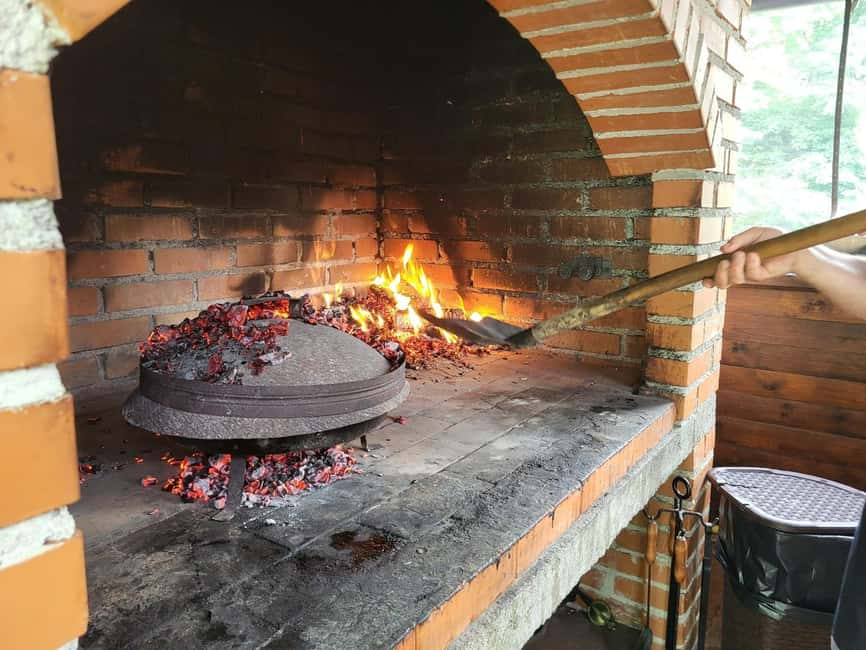
I also love that you’re not stuck with one dish. You’ll follow seasonal cooking that can include things like peka (lamb or veal baked under an iron bell) and classic desserts, then sit down for a full 3-course meal with brandy. One consideration: the menu is traditional and it’s not suitable for vegans or vegetarians, so plan accordingly if your diet is meat-free.
In This Review
- Key Highlights You’ll Actually Feel
- Getting Oriented at House Karlo Near Plitvička Jezera
- Welcome Drink, Tools, and That Family-Home Feeling
- What You’ll Cook: Traditional Dishes That Change With the Season
- From Prep to Peka-Style Cooking: How the Class Works
- The 3-Course Feast: Brandy, Plenty of Food, and Real Satisfaction
- Price and Value: What $135 Buys You (and What It Doesn’t)
- Who Should Book This Cooking Class, and Who Might Skip It
- Should You Book Traditional Plitvice Lakes Cooking Class at House Karlo?
- FAQ
- Where is the cooking class located?
- How long does the experience last?
- What language is the cooking instruction in?
- What’s included in the price?
- Is this class vegetarian or vegan friendly?
- How much does it cost?
- What flexibility do I have with booking or changes?
Key Highlights You’ll Actually Feel
- Welcome drink on arrival: you’re greeted at House Karlo before you start cooking, not after.
- Family-run, rural estate vibe: you cook in a real home setting in the Plitvice Lakes area.
- Season-driven recipes: what you make can shift with the household garden and time of year.
- Mixing, kneading, and tasting: you get hands-on with bread mixtures and wild spices.
- An end-to-the-evening meal: you finish with a hearty feast plus local brandy.
- English instruction: the instructor works in English, and the tone is relaxed and friendly.
Getting Oriented at House Karlo Near Plitvička Jezera
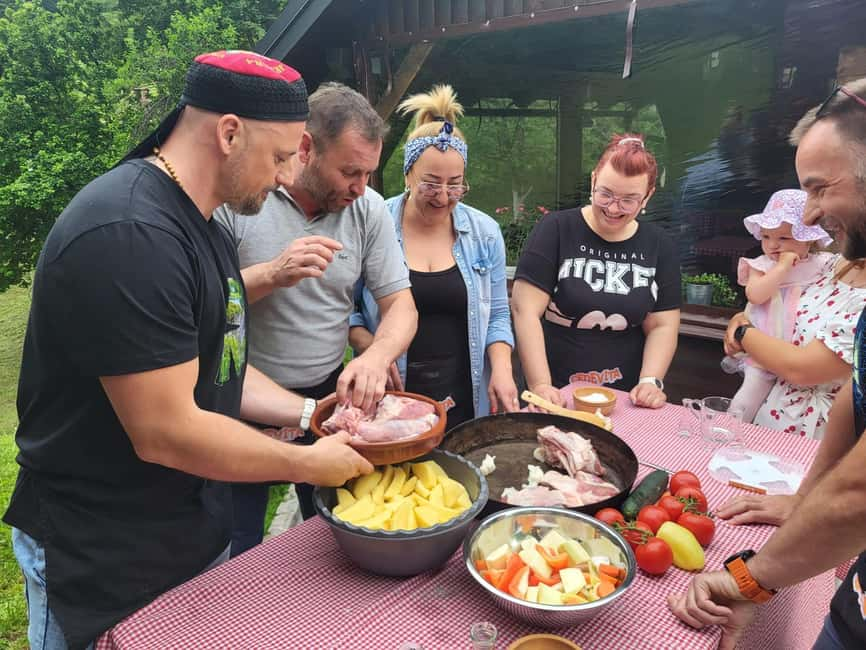
This experience centers on House Karlo, at Rastovača 14/1, Plitvička jezera 53231. That matters because you’re not driving into a city studio or squeezing your cooking into a generic space. You’re stepping into a country home setting in the wider Plitvice Lakes region, and the whole session feels like someone is sharing their daily rhythms with you.
The meeting point is straightforward, which helps if you’re combining it with other Plitvice-area plans. You’ll want to arrive with enough time to settle in, because the evening starts with a welcome drink and then you move into tools, instructions, and prep. In other words, the class doesn’t waste your first 20 minutes.
Language is English with the instructor, so you can follow what’s happening without guessing. And from what you can expect in practice, the vibe is casual. Even if you have a little trouble with food vocabulary, you’ll still pick up the steps because cooking is visual as well as verbal.
If you’re thinking, I want an experience that gives me a real Croatian meal and a story to take home, this checks that box. If you want a silent, highly technical cooking workshop, you might find the family-style pacing more relaxed than lab-like.
Welcome Drink, Tools, and That Family-Home Feeling
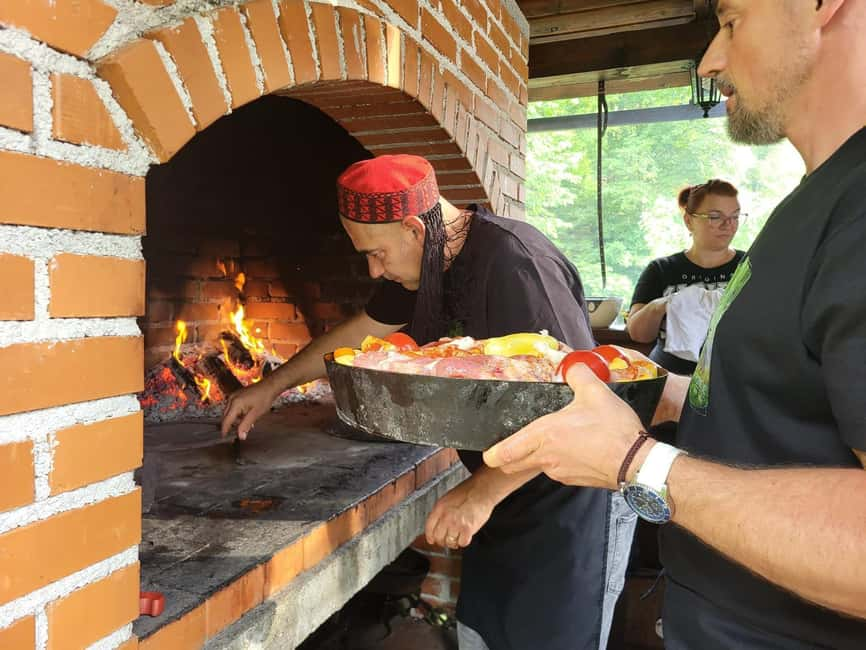
Right when you arrive, you’re welcomed with a drink, then set up with everything you need. This part sounds small on paper, but it’s usually what separates a rushed activity from something you remember. Here, the welcome is part of the experience, not a formality.
You’ll get equipped with cooking equipment and instructions that let you jump in quickly. The goal is to make you part of the process, so you’re not just standing around while someone else does all the work. The class is designed for participation, including moments where you taste spices and get your hands involved with bread-based mixtures.
From the way the evening is described, Marco and Lidija run a warm, generous atmosphere, and you may even cook with or be helped by someone else from the household. That extra personal touch matters because it changes the whole rhythm: you’ll ask questions, you’ll get small pointers, and you’ll feel comfortable trying again when something isn’t perfect.
There’s also something to smile about in the background. A friendly household dog named Oreo has shown up as part of the charm, so you might see a little cameo of rural life while you work. It’s a small detail, but it’s the kind that tells you the cooking class is truly rooted in a real home.
What You’ll Cook: Traditional Dishes That Change With the Season
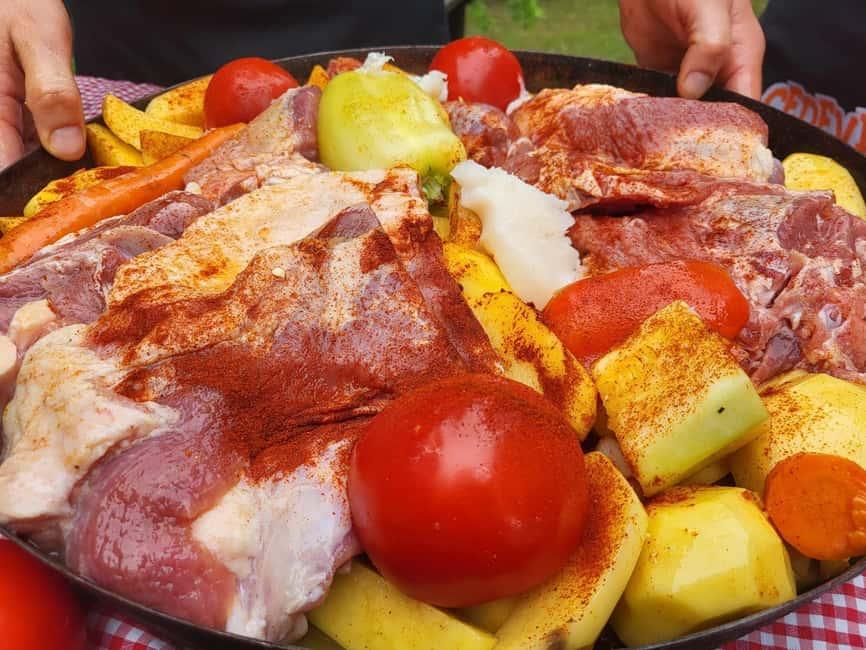
Croatian food is more than one style of cooking, and this class reflects that. Recipes are traditional and passed down within families, described as word-of-mouth generational knowledge. That means you’re learning techniques and flavor logic that locals recognize, not a mash-up designed only for tourists.
Expect the menu to be seasonal. The specific dishes can vary depending on what’s available and what’s freshly available in the household garden. In other words, you’re not guaranteed the exact same set of plates every day, but you are guaranteed the traditional logic behind them.
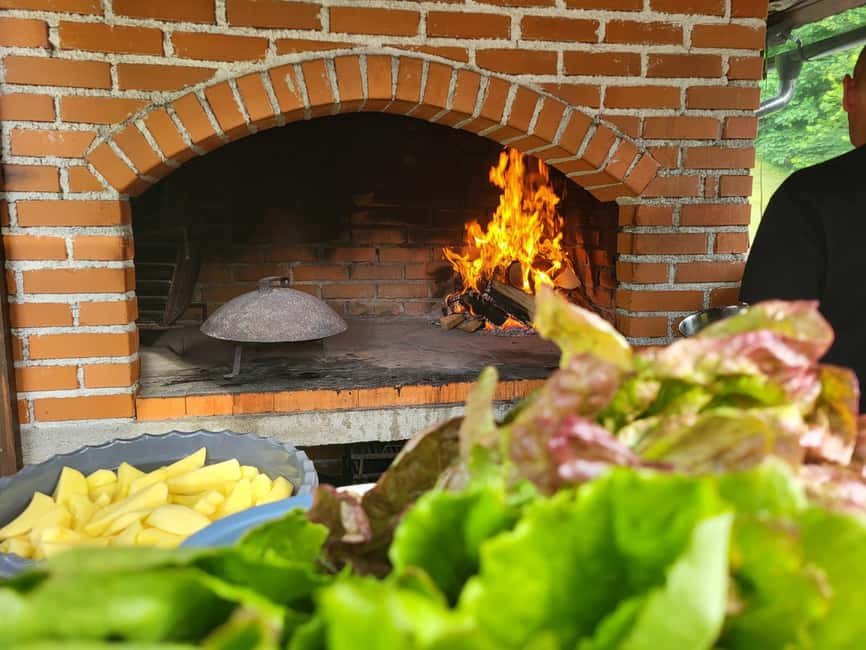
One highlighted possibility is peka, described as lamb or veal baked under an iron bell. Even if you don’t see the full iron-bell stage, the cooking class framing makes it clear that this is the kind of dish that uses method, timing, and steady heat rather than speed.
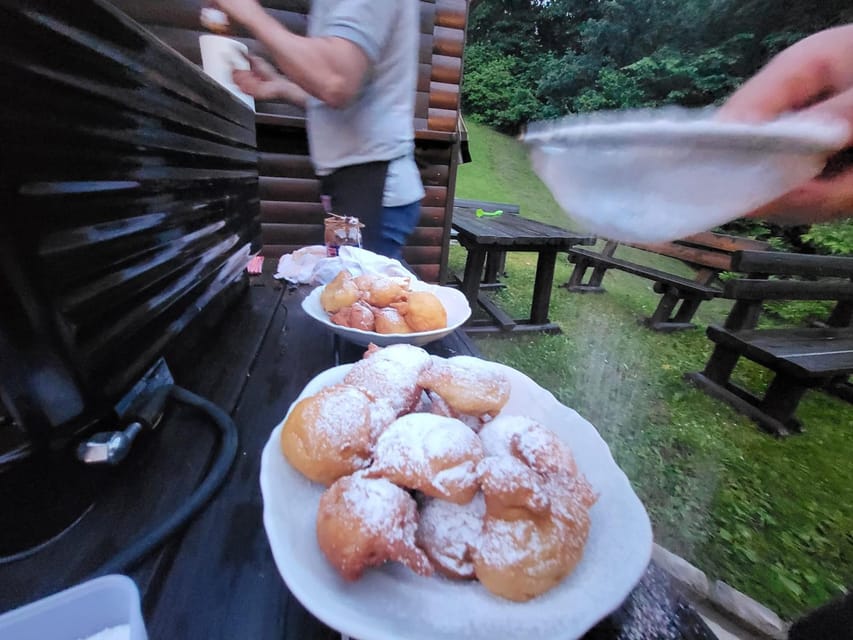
You can also learn how to make desserts that fit the style of the region. If you love pastry but don’t want a supermarket version of dessert, this is worth your attention. Traditional desserts often rely on ingredients and textures that you can’t fully recreate with boxed mixes.
A small but practical point: because it’s traditional and seasonal, the exact dishes aren’t guaranteed in the way a restaurant menu is. If you have a must-have dish list, you might feel a bit uncertain. If you’re open to learning how locals cook based on what’s good right now, this format shines.
From Prep to Peka-Style Cooking: How the Class Works
This is a 4-hour experience, and the time is used for a full flow: arrival welcome, prep, cooking, and then the meal you make. You’re equipped with tools and instructions, then you actively participate.
The cooking includes tactile moments. You’ll get messy: tasting wild spices and digging your fingers into bread mixtures is exactly the sort of hands-on activity that makes the learning stick. It’s also a fun reality check. You learn how thick dough should feel, what a properly mixed base looks like, and how spices change the aroma before they ever touch heat.
You’re also learning in a practical order. First you prep, then you build components, then you cook, then you taste and adjust. That sequence matters. If the class were only about plating at the end, you wouldn’t learn the why. Here, the process is the lesson.
The class is in English, so you can follow the steps without needing a translator. And because the teaching is tied to real food you’ll eat later, the instructions are designed to be usable. You’re not memorizing a lecture. You’re learning what to do next.
One thing I’d keep in mind: food takes timing. Traditional dishes often need more attention than quick recipes. So you’ll want to focus on what’s in your hands and what’s on the stove. If you’re hoping to do a lot of phone scrolling during cooking, this class probably won’t match that pace.
The 3-Course Feast: Brandy, Plenty of Food, and Real Satisfaction
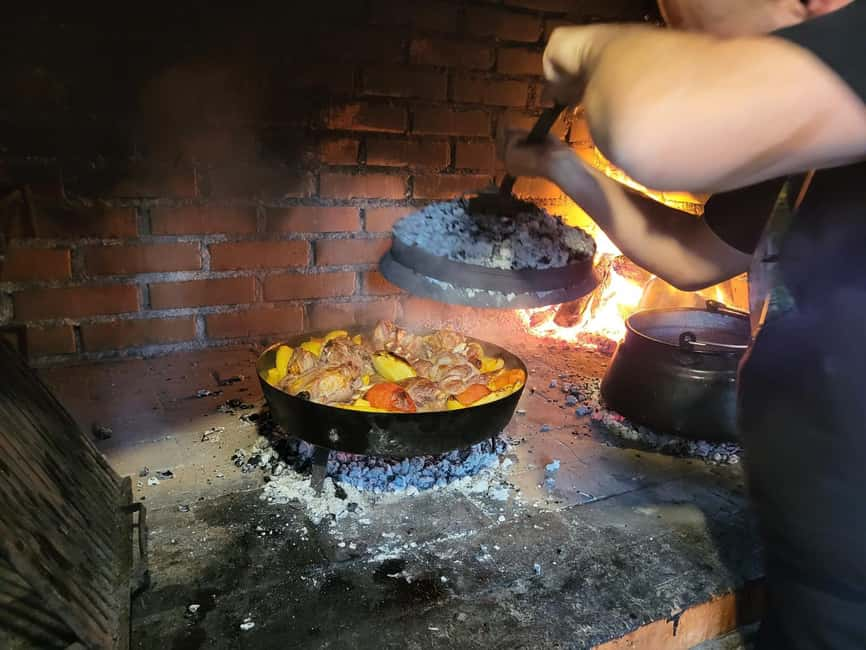
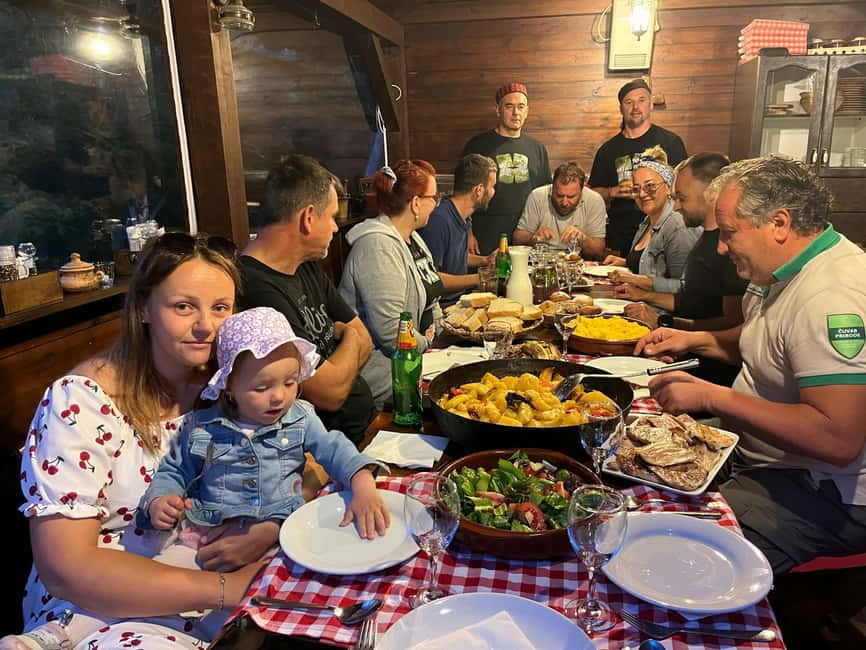
After the cooking, you sit down and eat what you made. That’s a big deal, because many cooking classes stop at tasting. This one goes further with a seasonal 3-course menu and a proper feast at the estate.
You’ll enjoy local brandy along with your meal. That pairing is part cultural, part experiential. It’s not just alcohol for the sake of it; it’s a familiar ritual in many Croatian settings, showing up at the table when the work is done.
One of the strongest practical takeaways is that you get plenty of food. The session is built around feeding you, not sampling tiny bites. If you’ve ever done a class where the meal is more of a snack, you’ll be relieved here. The intent is clear: eat well, talk with the family, and feel like you got your money’s worth in real calories and real flavor.
You might also see additional small plates during the cooking window, such as a cheese platter. Again, that’s not just added food; it supports the pacing. While you’re waiting for something to cook, you’re not stuck hungry and restless. You have something tasty to nibble while you keep learning.
If you care about take-home value, the end result is your biggest proof. The best cooking lesson is the one where the food tastes right. When you finish the class and realize you ate like a local household meal, you’ll understand what you paid for.
Price and Value: What $135 Buys You (and What It Doesn’t)
At $135 per person for 4 hours, you’re paying for more than a recipe. You’re paying for access to a home kitchen, guided instruction in English, the tools, and a full seasonal 3-course meal plus welcome drinks and local brandy.
Here’s how I’d think about the value. In many cooking experiences, you pay mostly for entertainment. This one leans more toward food and culture delivered together. You’re not just watching; you’re participating in prep, mixing, tasting, and cooking. And you eat the results in a proper sit-down format.
You should also factor in setting. House Karlo is in a rural country estate area tied to the Plitvice Lakes region. That’s a lot of the atmosphere. It’s one reason classes like this feel more memorable than a restaurant kitchen demo.
What it doesn’t guarantee is flexibility for specific dietary needs. It’s not suitable for vegans or vegetarians based on the described menu focus, and that can matter more than the price if you have dietary restrictions.
So the value decision comes down to fit:
- If you eat meat and want a true Croatian cooking rhythm, it’s a fair, food-forward price.
- If you’re strict about vegetarian or vegan diets, look for another option because this class isn’t built for that.
Who Should Book This Cooking Class, and Who Might Skip It
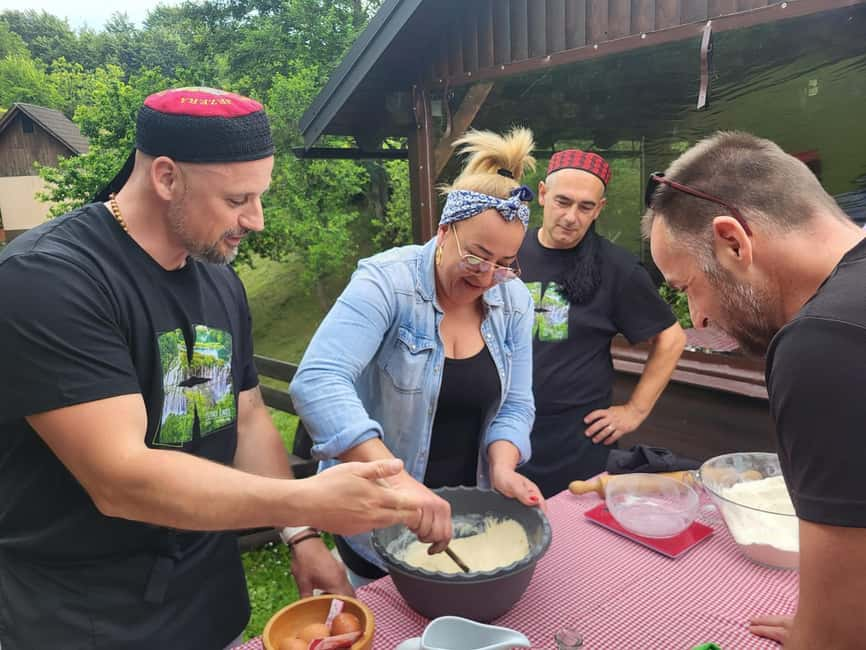
This is best for you if you want a hands-on intro to Croatian home cooking. You’ll like it if you enjoy getting involved in the process and learning through doing, especially with bread textures and spice tasting. You’ll also appreciate the English instruction if you don’t speak Croatian.
It’s a good match if you’re spending time near Plitvice Lakes and want something more personal than a museum stop. Cooking classes in this style make a strong afternoon or evening anchor, because you leave with both skills and a full meal.
It’s also a solid choice for couples and small groups. The class energy reads as family-oriented and welcoming, with enough attention to make you feel included.
Who might skip it:
- If you’re vegan or vegetarian, this isn’t listed as suitable.
- If you’re looking for a strict, formal culinary school experience with lots of technical theory, the tone is more home-cooking and participatory than academic.
Should You Book Traditional Plitvice Lakes Cooking Class at House Karlo?
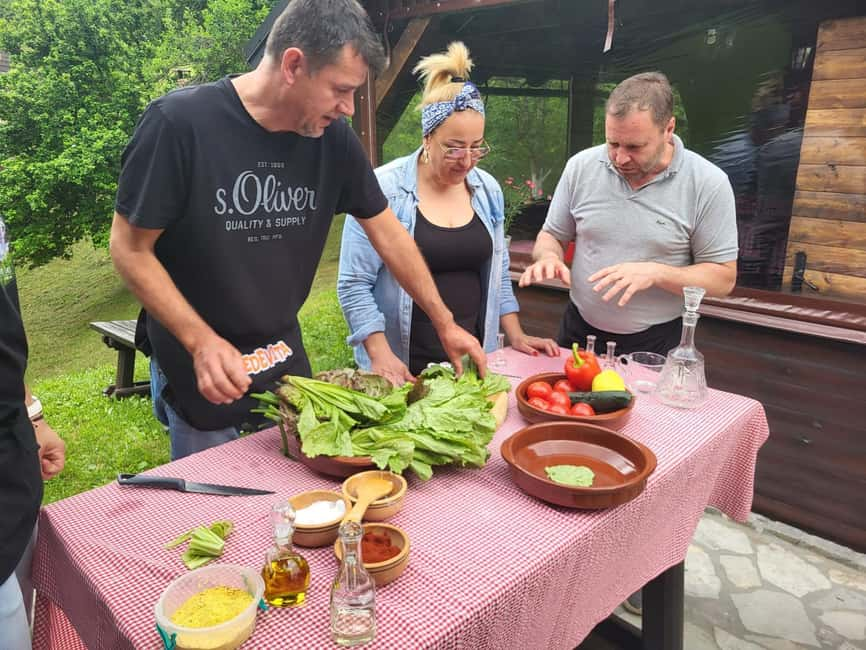
Book it if you want a memorable, food-centered experience that mixes instruction, hands-on cooking, and a full meal in a real rural home setting. I especially think it’s a strong pick if you love learning how traditions are actually practiced, including seasonal changes and classics like pecka.
Skip it if your dietary needs won’t match the traditional menu, or if you prefer your experiences to be purely observation-based.
If you do book, go in hungry and in the right mood. This class rewards participation. Show up ready to taste spices, get a bit messy, and stay for the full 4-hour flow. That’s when House Karlo stops being a cooking lesson and becomes a dinner story you’ll want to repeat.
FAQ
Where is the cooking class located?
The meeting point is House Karlo, Rastovača 14/1, Plitvička jezera 53231, in the Zagreb County area of Croatia.
How long does the experience last?
The duration is 4 hours.
What language is the cooking instruction in?
The instructor provides instruction in English.
What’s included in the price?
You get a seasonal 3-course menu, cooking equipment, and a welcome drink.
Is this class vegetarian or vegan friendly?
No. It is not suitable for vegans or vegetarians.
How much does it cost?
The price is $135 per person.
What flexibility do I have with booking or changes?
You can cancel up to 24 hours in advance for a full refund, and you can reserve now and pay later to keep your plans flexible.