REVIEW · TOKYO PREFECTURE
3-Hour Guided Musubi Japanese Home Cooking Class
Book on Viator →Operated by Musubi Co., Ltd. · Bookable on Viator
Cook dinner in a real Tokyo apartment. This 2.5-hour class is hands-on from dashi to plating, led in English by your host, often Akiko-san, and you finish by eating what you made right at home. I love that you learn one main and two sides from start to finish, and I love the take-home recipe copy that makes it repeatable later. One heads-up: you handle getting to the centrally located meeting point, since transportation isn’t included.
With a maximum of 6 people, the pace stays manageable and questions actually get answered. The menu lets you choose a main dish option, with classic Japanese picks like deep-fried chicken or seaweed-wrapped sushi rolls, plus you’ll round out the meal with miso soup and rice. You’ll also get coffee and/or tea, which sounds small, but it helps the whole lunch feel complete.
In This Review
- Key things to know before you book
- Why this Tokyo class feels like your host invited you in
- Musashi-Koganei meeting point and the easiest way to arrive
- What you cook: dashi, one main, two sides, and miso soup with rice
- Inside the kitchen lesson: hands-on workflow that keeps it simple
- Lunch in the instructor’s home: eating your own meal is the point
- Price and value: does $85 make sense for Tokyo?
- Who should book this cooking class (and who might skip it)
- A few practical tips before you step into the kitchen
- Should you book this 3-hour guided Musubi Japanese home cooking class?
- FAQ
- What is included in the 3-hour Musubi Japanese home cooking class?
- How many people are in each booking?
- Do I get a choice of what to cook?
- Is lunch included?
- Do the instructors speak English?
- Are dietary restrictions accommodated?
- Where do we meet and where does the class end?
- Do I need to bring utensils or ingredients?
- Is transportation provided to the meeting point?
- What is the cancellation refund policy?
- Are children allowed?
Key things to know before you book
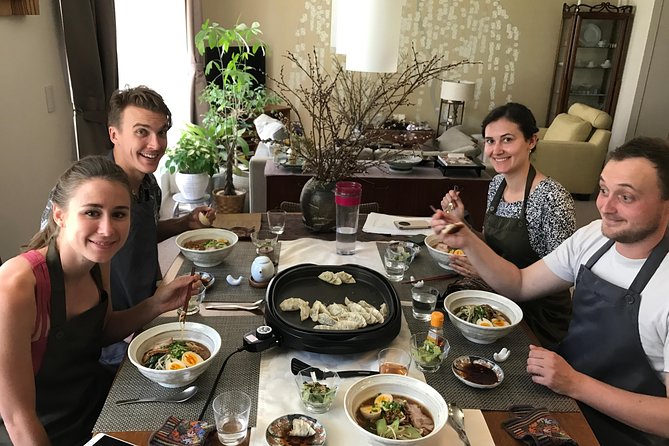
- You cook in a real home: this is not a restaurant workshop. You visit the instructor’s apartment, so you see everyday Tokyo life, not a staged kitchen.
- Dashi and umami basics first: learning the soup stock gives you a flavor shortcut for lots of Japanese cooking.
- One main plus two sides: the meal is focused enough to finish without feeling rushed.
- Small group instruction (up to 6): more hands at the cutting board, more chances to ask questions.
- Lunch is what you make: you don’t just taste samples. You sit down and eat your own meal, plus recipe take-home materials.
Why this Tokyo class feels like your host invited you in
Tokyo food experiences come in two flavors: watch-and-walk tours, or hands-on lessons. This one is firmly in the second category, but with a twist. You’re not doing it in a studio or a restaurant kitchen. You’re doing it in the instructor’s home, which changes the whole vibe.
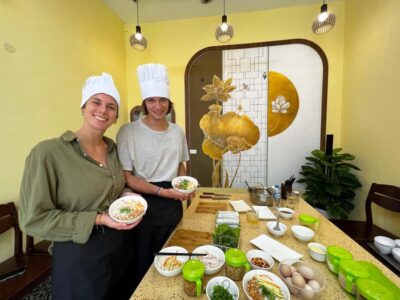
First, it’s easier to relax. You’re not thinking about crowds, restaurant timing, or where to stand for photos. Instead, you’re in a working kitchen where the goal is simple: cook a good Japanese meal the way people actually do at home. That alone is worth it if you’ve ever left a food tour thinking, I can eat this, but I couldn’t make it myself.
Second, you get a real sense of why Japanese home cooking can feel both simple and precise. The class is built around one main dish plus two sides, and you learn the process from start to finish. That structure matters. When lessons try to cover too much, you end up with scattered tips. Here, you can connect the steps to the final taste.
And yes, the teaching style matters. The instructor speaks fluent English, which keeps things clear when you’re learning knife work, seasoning, and timing. In past classes, hosts have been described as welcoming and generous, with conversation flowing naturally while you cook. That’s not just nice. It helps you remember the why behind each move, not only the how.
Potential drawback to keep in mind: because it’s in an apartment setting, you’ll need to be comfortable in a smaller space. This is intimate cooking, not a spacious demo stage. Also, you’ll want to show up ready to get hands-on, since the experience is built around participation.
Musashi-Koganei meeting point and the easiest way to arrive
You meet at Musashi-Koganei Station area (the listing gives: 6 Chome-14 Honcho, Koganei, Tokyo). The activity ends back at the meeting point, so you’re not left trying to map your way home after lunch.
This setup is a practical win. Tokyo can be confusing, especially if you’re hopping between neighborhoods. The meeting point is centrally presented, and the class doesn’t expect you to solve navigation puzzles alone. You get to focus on the lesson.
What you should plan for: transportation to and from the meeting point isn’t included. So factor in your route from your hotel to Musashi-Koganei Station. If you’re using trains, give yourself buffer time for platform changes, station exits, and walking.
Timewise, the cooking class runs about 2 hours 30 minutes. That’s a sweet spot. Long enough to actually cook, but not so long that you’re hungry-suffering through complicated prep.
Also note the group size limit: up to 6 travelers. That matters for logistics too. Fewer people means the instructor can keep things organized in a home space.
What you cook: dashi, one main, two sides, and miso soup with rice
The meal plan is the heart of the value here. You’re not just learning recipes. You’re learning how Japanese meals come together.
You’ll make:
- Umami/dashi (soup stock): the flavor foundation
- One main dish
- Two side dishes
- Miso soup with rice as part of the meal
- Lunch plus coffee and/or tea
The big takeaway is that dashi is not just a step. It’s a lens. When you learn how the stock works, you start noticing how Japanese flavor builds. It’s not only about salty-sweet taste. It’s about balance and depth, often coming from umami in simple ingredients.
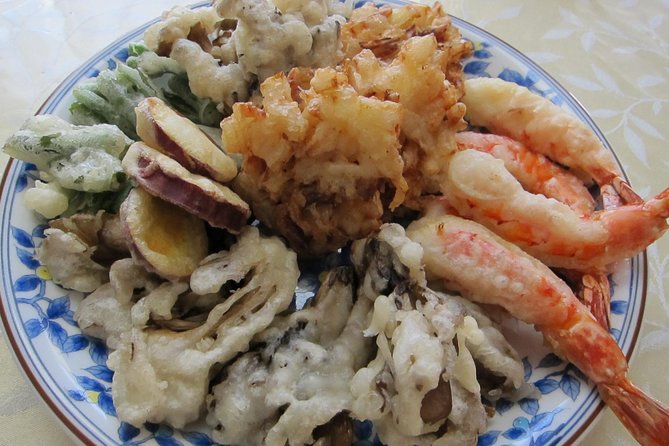
For the main dish, you get a choice from Japanese classics. The class info highlights options like deep-fried chicken or seaweed-wrapped sushi rolls. In actual sessions, dishes like gyoza have also appeared as a hands-on learning example. The exact menu can vary, so when you book, think about what you most want to learn to make at home.
Then you round out the meal with two sides. Even if you don’t end up loving every side, the win is practice. You’ll learn how to season, how to time cooking steps, and how to plate for a Japanese home meal feel. The sides are what make the meal feel complete, not random side quests.
You’ll also get all ingredients and cooking tools included, plus an apron and utensils. That lowers the friction. You’re not showing up to figure out where to buy special items in Tokyo. You’re cooking the lesson exactly as designed.
Inside the kitchen lesson: hands-on workflow that keeps it simple
Japanese cooking can sound intimidating if you’ve only seen it plated in restaurants. This class tackles that head-on by doing two things: simplifying the scope and teaching the workflow.
Here’s what the learning rhythm feels like in practice:
- Setup and basics: you get into the kitchen routine quickly, with apron and utensils ready.
- Choose your main option: you pick a main dish from the class choices, which keeps the lesson personal.
- Make the dashi/umami foundation: once this is in motion, the rest starts to make sense.
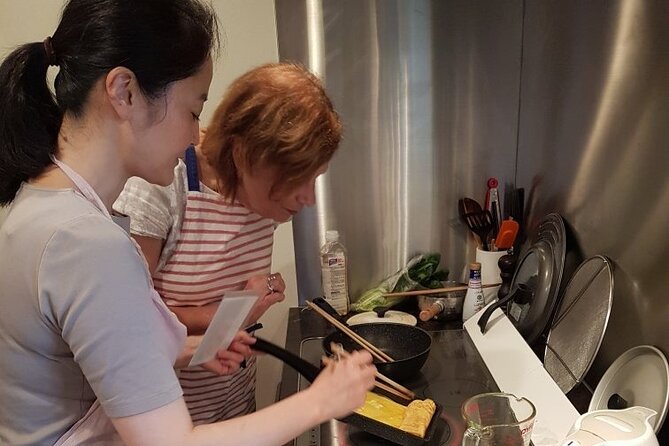
- Cook the main dish and two sides: you’re not only watching. You’re doing. Cuts, seasoning, frying or rolling steps, and timing.
- Eat what you made: lunch becomes part of the lesson, not an afterthought.
A fun detail from the teaching style: hosts often correct small habits without making it awkward. If a dish involves shaping or folding, expect playful troubleshooting. The goal is confidence, not perfection.
The “simple but tasty and healthy” theme is not a slogan here. It comes through in how the lesson is structured. Japanese home cooking often relies on straightforward techniques and consistent seasoning, rather than heavy, complicated steps. Once you learn the stock and the seasoning approach, a lot of recipes become more approachable.
And because the group is small, you’re more likely to get real-time help. If something goes wrong, you can fix it while the ingredients are still workable. That’s a big deal. In cooking, the second you wait too long, you’re either stuck or forced to improvise.
Lunch in the instructor’s home: eating your own meal is the point
This class doesn’t end when the cooking stops. You sit down and eat the results. You’ll also get coffee and/or tea as part of the lunch flow.
That might sound obvious, but it changes the experience in two ways.
First, you taste the lesson immediately. You learn what worked, what needs adjustment next time, and what flavor you can confidently reproduce later. It’s one thing to read a recipe. It’s another to take a bite you helped make.
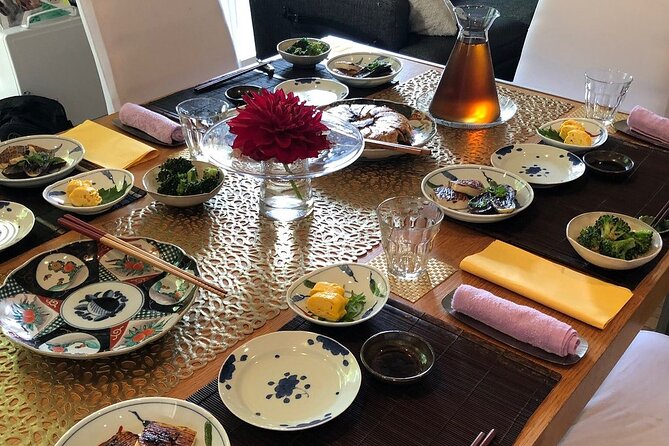
Second, you get to experience the setting as an actual home meal. The instructor’s apartment visit is included, and that’s a cultural layer many food classes skip. You’re not just tasting Japanese cuisine. You’re seeing where people live and how they host in a normal day-to-day Tokyo environment.
Practical comfort note: because it’s lunch, be ready to eat. The class includes miso soup with rice, plus the main and sides you prepared. If you show up too full already, you might lose the joy of tasting everything properly.
Price and value: does $85 make sense for Tokyo?
$85 for a 2.5-hour guided class at a maximum of 6 people, with lunch included, ingredients included, and a recipe copy to take home. That’s the value argument.
Here’s how I think about it:
- You’re paying for instruction in a home kitchen, not a public venue.
- You get guidance for dashi/umami, which is often the hardest part for home cooks.
- You get to take a repeatable set of recipes home, not just memories.
- You eat your meal, plus you’re provided coffee and/or tea.
If you compare it to a typical meal out, you’d likely spend money eating. But you’d get no skill-building, and you’d miss the process behind the flavors. Compared to a purely educational cooking demo, you also get actual hands-on time.
Could it be expensive? Sure, if you’re only looking for sightseeing and don’t plan to cook later. But if you want a skill you can use at home, this price lands in the fair-to-good range.
Another value point: the class includes local taxes, and the group size is capped. That reduces the risk of feeling like you’re in a factory line.
Who should book this cooking class (and who might skip it)
This experience is a strong match if you:
- Want hands-on cooking rather than a walking food tour
- Like the idea of learning dashi/umami fundamentals
- Prefer a small group setting where you can ask questions
- Enjoy eating what you cook, right away
- Want a take-home recipe so you can recreate the meal later
It’s also family-friendly in a limited way. The class info says children under 9 are free. That can be a huge win for families looking for one structured activity in Tokyo.
There are a few “check before you go” points:
- Transportation to the meeting point is not included, so make sure your plan is solid.
- If you have specific dietary needs or preferences, you should advise them when booking. The class explicitly asks for this.
- A group of only male is not allowed, so this isn’t a fit for purely gender-segregated groups.
- Since it’s in a home setting with up to 6 people, you should expect a more personal, less formal setup.
If you hate cooking hands-on, you’ll probably find this too active. But if you like chopping, seasoning, and figuring out timing, you’ll likely feel right at home.
A few practical tips before you step into the kitchen
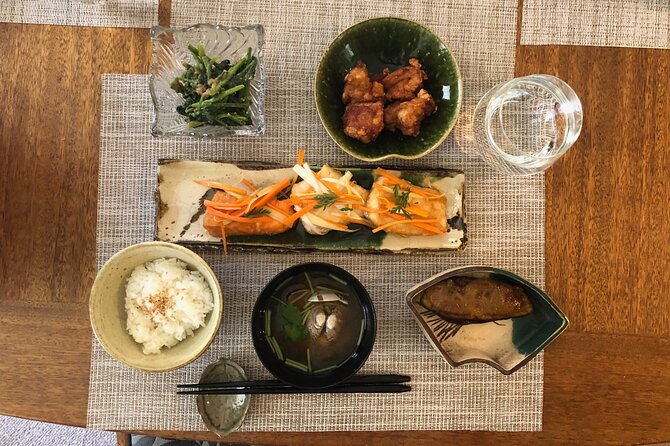
A cooking class is only as good as the prep you bring, even when everything is supplied.
- Bring a dietary note early. The class asks you to advise dietary requirements and preferences at booking. That’s your best chance to get the menu adjusted.
- Arrive on time at the Musashi-Koganei meeting point. You’ll want the full cooking window, and Tokyo walking time adds up.
- Expect active participation. Aprons and utensils are provided, but you’ll still be hands-on for cooking steps.
- Plan to eat lunch comfortably. You’ll have miso soup with rice and the meal you made, plus coffee and/or tea.
- Keep your focus on process. The real skill here is learning how dashi and seasoning build a Japanese meal, not only memorizing one dish.
One more note on refunds: the provided policy text in the information includes details about cancellation windows. Since the cancellation rules shown can conflict in the wording, always check the exact terms in your confirmation before you make plans.
Should you book this 3-hour guided Musubi Japanese home cooking class?
If you want a Tokyo activity that teaches you more than it entertains you, I’d say book it. The home setting, the small group size, and the structure of one main plus two sides make it practical. You’ll leave with lunch in your stomach, a recipe copy in your hands, and a better understanding of why Japanese home cooking tastes so good without feeling out of reach.
Skip it only if you’re mainly looking for a low-effort experience, or if you know you won’t like hands-on cooking. Also, if getting to the meeting point is a hassle for your schedule, that’s worth factoring in since transportation isn’t included.
If you’re even slightly curious about making Japanese food at home, this is the kind of class that pays off later.
FAQ
What is included in the 3-hour Musubi Japanese home cooking class?
You get a small group Japanese home-made cooking class with one main dish plus two side dishes, miso soup with rice, dashi/umami learning, an apartment visit, apron and cooking utensils, all ingredients, a recipe copy to take home, lunch, coffee and/or tea, and local taxes.
How many people are in each booking?
The group size is capped at 6 people per booking.
Do I get a choice of what to cook?
Yes. You choose your main dish from the class options, which include Japanese classics such as deep-fried chicken or seaweed-wrapped sushi rolls.
Is lunch included?
Yes. Lunch is included, and you eat what you prepare during the class.
Do the instructors speak English?
Yes. Instructors speak fluent English.
Are dietary restrictions accommodated?
You should advise any specific dietary requirements and preferences at the time of booking. The class info indicates you can share needs beforehand.
Where do we meet and where does the class end?
The meeting point is at Musashi-Koganei Station, with the address listed as 6 Chome-14 Honcho, Koganei, Tokyo 184-0004. The activity ends back at the meeting point.
Do I need to bring utensils or ingredients?
No. Ingredients and cooking utensils are provided, along with an apron. You also get a recipe to take home.
Is transportation provided to the meeting point?
No. Transportation to and from the meeting points is not included.
What is the cancellation refund policy?
The information provided includes cancellation terms showing free cancellation up to 24 hours in advance for a full refund, and another set of terms mentioning a 50% refund for cancellations between 1 week and 72 hours prior. Check the exact cancellation wording in your booking confirmation to be sure.
Are children allowed?
Children under 9 years old are free.