REVIEW · LEFKADA
Traditional Greek Cooking Class @ Lefkada Micro Farm
Book on Viator →Operated by Lefkada Micro Farm · Bookable on Viator
Cooking starts in the soil. This traditional Greek cooking class at Lefkada Micro Farm turns food into a full-on experience, from regenerative growing to a group meal at the Farmer’s Table. You’ll be working with seasonal, organic ingredients and learning the pace behind Greek cooking, not just memorizing recipes.
I love how it sticks to the basics with confidence: freshness and simplicity drive everything, from bread baked in a wood-burning oven to salad dressed with the farm’s olive oil. I also like the very human size of it, with a small max group of 10, so you get hands-on time and real conversation with the host and kitchen team.
One thing to consider: it’s an outdoor, good-weather kind of day. If weather turns, the plan changes, so bring layers you can adjust fast and expect some flexibility.
In This Review
- Key highlights worth your attention
- Lefkada Micro Farm: where Greek cooking starts before the apron
- The open-air museum stop: farm tour, animals, and the real farm context
- Open-air kitchen cooking: wood-burning oven magic without the showiness
- The menu you’ll make: bread, tzatziki, Greek salad, briam
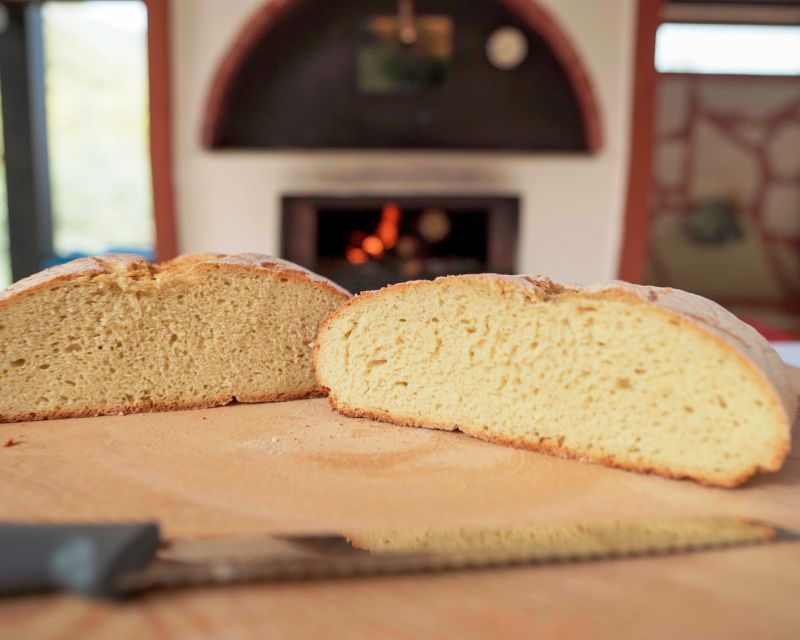
- Bread baked in the wood oven
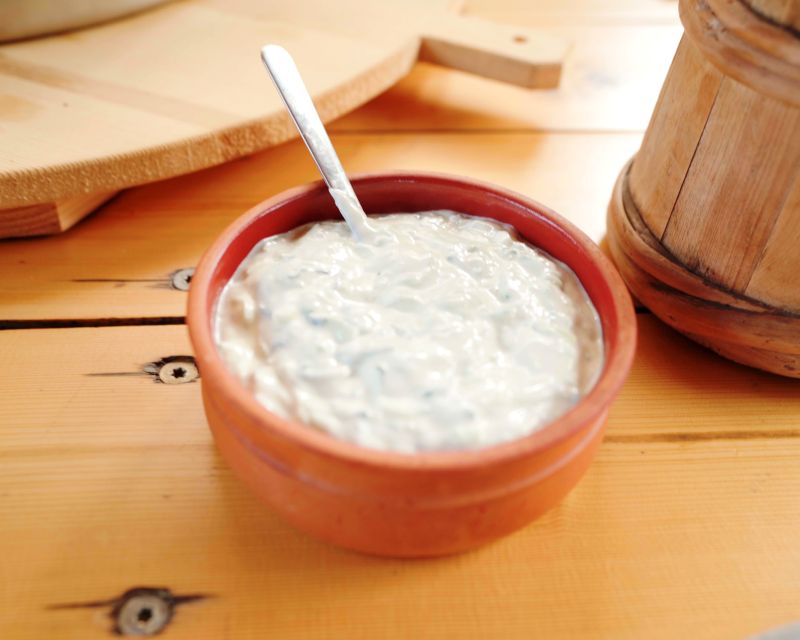
- Tzatziki with farm-to-table dairy
- Greek salad with goat cheese and oregano
- Briam: mixed vegetables roasted the oven way
- Eating at the Farmer’s Table: the real payoff is shared food
- Price and value: what $152.58 buys in a 4-hour day
- Who should book Lefkada’s traditional class (and who might not love it)
- Weather and timing: planning for an outdoor, seasonal experience
- Should you book this Greek cooking class at Lefkada Micro Farm?
- FAQ
- How long is the Traditional Greek Cooking Class?
- What does the cooking class cost?
- Is the class offered in English?
- What’s the group size limit?
- Where do we meet for the class?
- What dishes are included?
- Can the organizers handle allergies or dietary restrictions?
- What happens if the weather is poor?
- Are service animals allowed, and how do tickets work?
Key highlights worth your attention
- Regenerative farming first: you start with the land, then harvest and cook
- Open-air kitchen + wood-burning oven: Greek classics made with a fire
- A small group (max 10): more teamwork, less watching
- You cook and eat together: Farmer’s Table style, not a quick handoff
- Seasonal, farm-grown ingredients: tzatziki, Greek salad, briam built from what’s in season
Lefkada Micro Farm: where Greek cooking starts before the apron
This experience is built around a simple idea: if you want good Greek food, you should understand what’s behind it. At Lefkada Micro Farm, you begin on the land, with the farm’s rhythms and farming methods setting the tone. That means the class feels less like a performance and more like learning how real meals get made—slow, practical, and connected to the seasons.
The farm approach also helps you taste what matters. When ingredients are seasonal and grown with care, the flavors don’t need fancy tricks. You’ll notice that in the menu: bread from a wood-burning oven, creamy tzatziki with sheep’s yoghurt, a classic Greek salad with herbs and olive oil, and briam (mixed vegetables) roasted the oven way.
Also, this is in English, which makes a difference if you want to actually understand the why behind the techniques and ingredient choices. And with a group capped at 10, you get time to participate instead of circling the same few stations like a tourist conveyor belt.
The open-air museum stop: farm tour, animals, and the real farm context
Your day starts at Lefkada Micro Farm, Ε.Ο. Νυδριου Βαυκερής Ράχη, Nidri 311 00, Greece. The setting is an open-air museum style of farm visit—think of it as a living classroom, where the landscape is the exhibit.
If you arrive early, you’ll have time to settle in and get into the day’s pace. In the experience, I’d expect a warm start with coffee, fresh fruit, and cakes before you head out for the tour. It’s a small touch, but it makes the rest of the program feel relaxed rather than rushed.
A big part of the farm tour is connecting your food to what’s happening right now on the farm. You’ll learn about their regenerative farming practices—the kind designed to support the ecosystem instead of stripping it. Then comes the part that turns “theoretical” into “oh, that’s where it comes from”: you harvest seasonal, organic ingredients that you’ll later cook.
And yes, there’s also an animal element to the early moments. You may get to feed animals when you arrive before the main group settles in. It’s not just cute. It helps you understand how a farm becomes a whole system: soil, plants, animals, and the food you eat are all linked.
What to watch for: the tour is outdoors and your cooking is right after. Wear shoes that can handle uneven ground, and dress for the Mediterranean weather swing—sun can be great until it isn’t.
Open-air kitchen cooking: wood-burning oven magic without the showiness
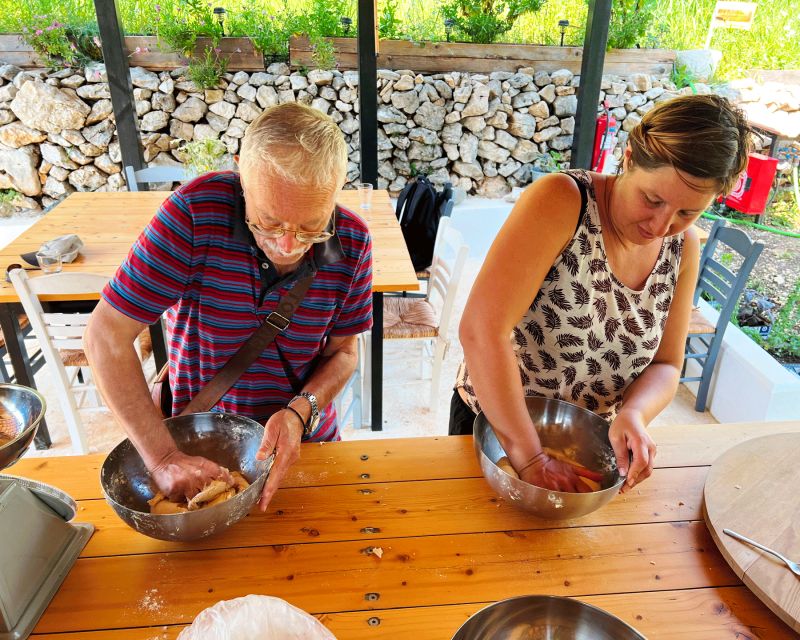
After the farm visit, you move into the open-air kitchen. This is where the day shifts from “how food grows” to “how Greek food becomes dinner.”
The kitchen setup is built around seasonality and simplicity. You’re not being asked to perform complicated techniques. Instead, you’ll learn how to handle a few core ideas well: ingredient quality, smart flavor pairing, and cooking with the tools they actually use.
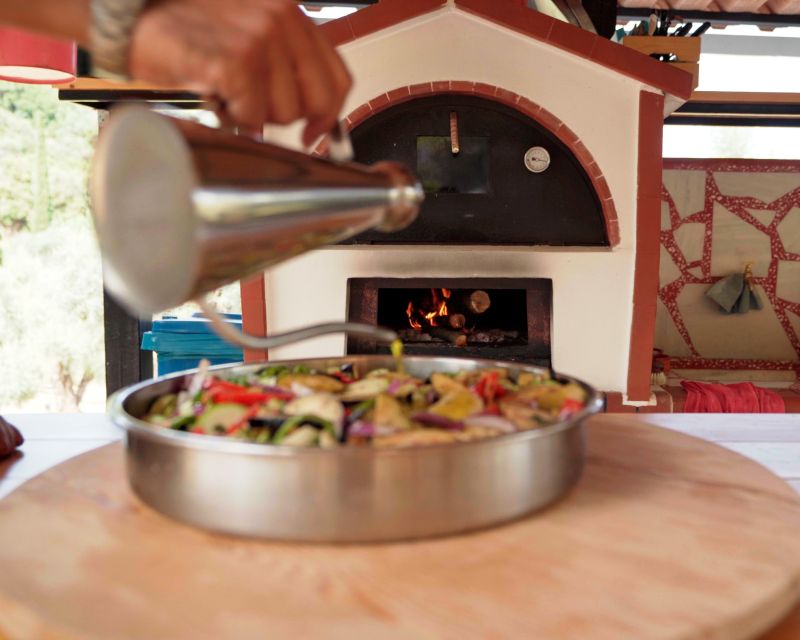
A highlight is the wood-burning oven. Bread gets baked in it, and vegetables for briam get roasted there as well. Wood-oven cooking isn’t just romantic—it changes how food tastes and feels. You’ll likely notice that dishes come out deeply fragrant and more comforting than the same recipes made any other way.
You’ll also get to see the role of the farm’s olive oil up close. The overview describes their oil as award-winning, and the practical point for you is this: in Greek cooking, olive oil isn’t a garnish. It’s a building block. In your meal, it shows up in the Greek salad preparation, along with oregano and the right dairy components.
The menu you’ll make: bread, tzatziki, Greek salad, briam
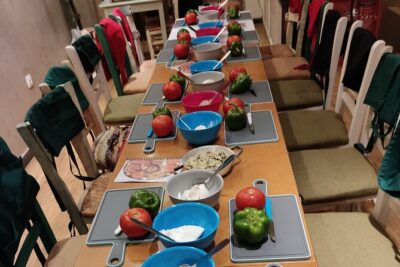
This is the heart of the class, because your learning sticks best when you make the food yourself. Here’s what you’ll be cooking as a group, with the key ingredients that make each dish taste like Greece rather than just “Greek-inspired.”
Bread baked in the wood oven
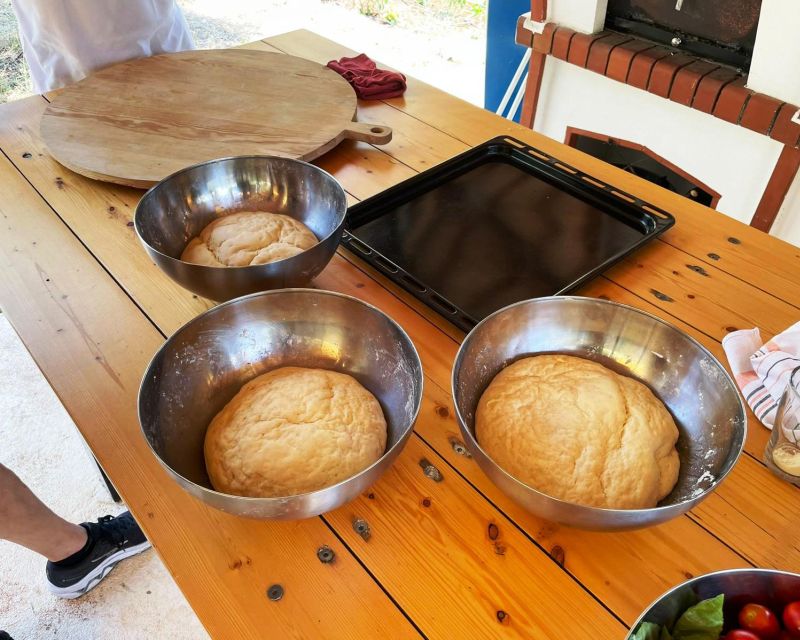
Bread is your starting point. It’s simple, but it’s also a great “feel” lesson: yeast dough, oven heat, and timing all work together. When bread comes out of a wood-fired oven, it tends to have a distinct aroma and texture—useful for understanding why Greeks treat bread as central, not optional.
Tzatziki with farm-to-table dairy
Tzatziki is next, and here it’s made with farm-to-table vegetables and sheep’s yoghurt. The sheep’s yoghurt matters because it adds a rich tang that’s different from many mass-produced versions. You also get to practice the logic of balance: cool, creamy yoghurt paired with crisp, fresh vegetable flavor.
Greek salad with goat cheese and oregano
Greek salad in this menu isn’t just tomatoes and cucumbers. You’re using farm-to-table vegetables plus goat cheese, oregano, and the farm’s Extra Virgin Olive Oil. That combo is the lesson: Greek salad is about letting the ingredients speak, then tying them together with herbs and olive oil instead of drowning them in extras.
Briam: mixed vegetables roasted the oven way
For the main, you’ll make briam, a mixed-vegetable dish roasted in the wood-burning oven. Briam is one of those “everyday Greek comfort” meals that shows how vegetables can be the star. Roasting brings out sweetness and depth, and pairing that with the earlier olive-oil-led flavors makes the whole meal feel coherent.
Small but important detail: you’re cooking as a group, which changes how learning feels. You can ask questions, see how others handle steps, and get quick corrections without pressure. It’s exactly the kind of structure that helps beginners.
Eating at the Farmer’s Table: the real payoff is shared food
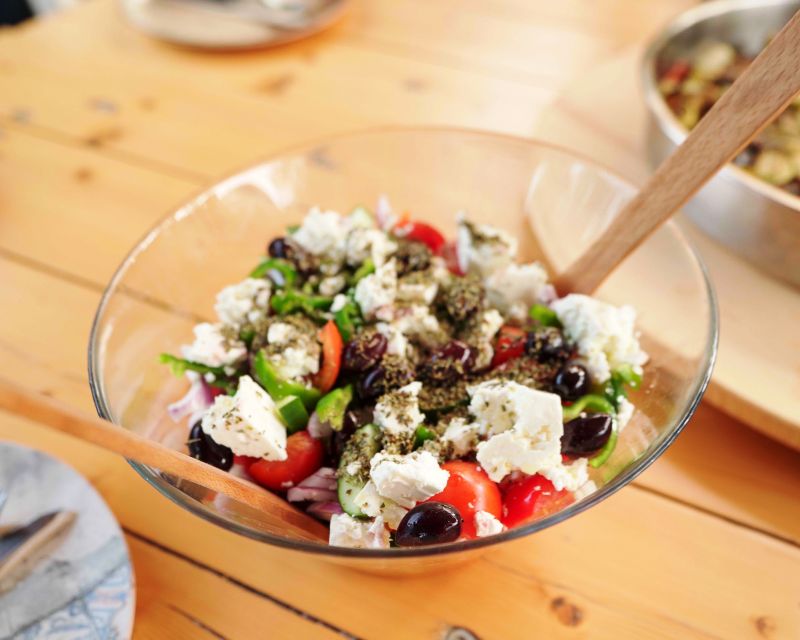
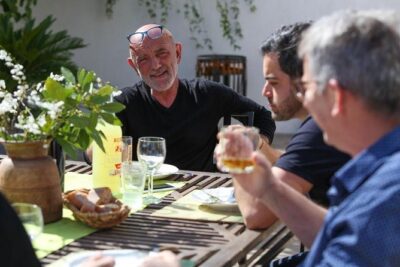
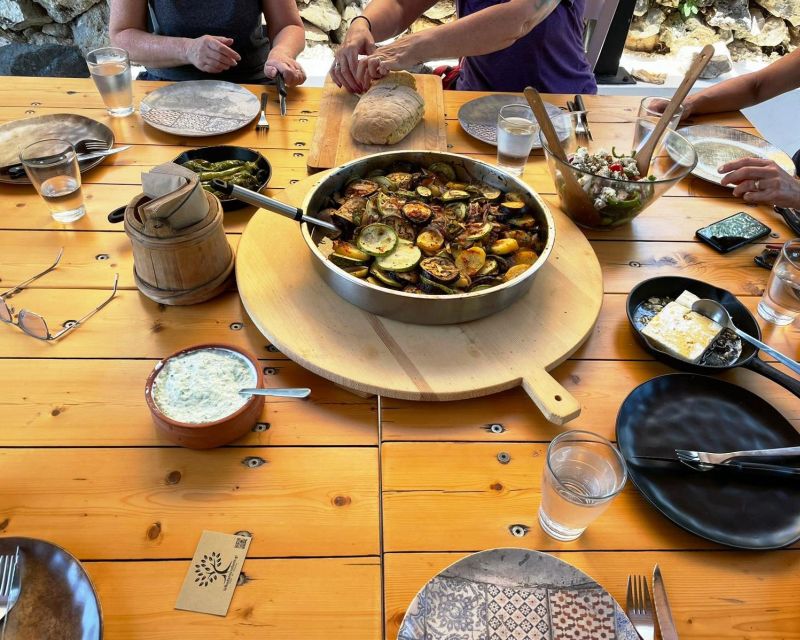
After cooking, you gather to eat the meal you’ve prepared. This is where the class earns its name: you don’t just leave with recipes. You leave with a shared experience of eating together like a family at the Farmer’s Table.
You’ll be sitting down after time in the open air, after smelling smoke from the oven, after tasting ingredients that came from the fields earlier. That sequence matters. Food tastes better when you understand its route from soil to plate.
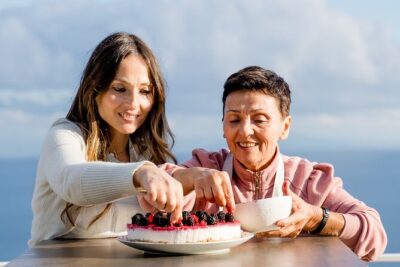
There’s also a social warmth to the setup. The experience is hosted by Andreas, and the day can include his mom and their chef in the process. You’ll feel the focus on hospitality, not just instruction. In a small group setting, that kind of attention stands out fast.
What you’ll likely remember most: the flavor payoff. One strong theme from the experience is that the food is simply excellent—so good that you can tell it’s farm-grown and handled with care. When everything is seasonal and you’re eating what you helped make, it’s harder to miss the difference.
Price and value: what $152.58 buys in a 4-hour day
At $152.58 per person for about 4 hours, this isn’t a bargain class. But it also isn’t just a cooking demo.
Here’s what you’re paying for, in practical terms:
- A small group (max 10), which means hands-on time and less waiting
- A farm-to-table flow: tour first, harvest, then cook and eat what you made
- A real wood-burning oven experience, not a substitute setup
- A full meal: bread, tzatziki, Greek salad, and briam, then sitting together at the Farmer’s Table
If you’re used to big tours where you watch most of the day, this feels different. You’re doing the work, and you’re also getting the background on regenerative farming and how their ecosystem supports ingredient quality. That context is part of the value. It’s the difference between learning recipes and learning a way of eating.
English is included, which is another practical value point. If you’ve ever lost your footing in a class where explanations are too quick or too hard, you’ll appreciate being able to follow every step.
Who should book Lefkada’s traditional class (and who might not love it)
I think this is a great fit if you want a hands-on activity that goes beyond one kitchen trick. It’s ideal for couples, small groups, and anyone who likes food culture tied to real places.
You’ll likely enjoy it most if you:
- Care about seasonal, organic ingredients
- Want a traditional Greek menu with real farm involvement
- Like cooking in a relaxed setting where people explain the why
You might not love it as much if you:
- Prefer fully indoor activities
- Want a fast, high-volume checklist style of cooking where you leave with lots of kitchen gadgets and shortcuts
- Dislike outdoor mornings and afternoons, since it’s a good-weather experience
Weather and timing: planning for an outdoor, seasonal experience
This activity works only when conditions cooperate. The experience is described as requiring good weather, and if it’s canceled due to poor weather, you’ll be offered a different date or a full refund. That means you should avoid scheduling it as your last activity on a tight day if the forecast looks shaky.
Timing is also important for the flow of the day. The class runs around 4 hours, starting and ending back at the meeting point. If you show up early, it can add nice extras like coffee, fruit, cakes, and the chance to feed animals.
Should you book this Greek cooking class at Lefkada Micro Farm?
I’d book it if you want an authentic Lefkada food experience with substance behind it. The farm-to-table rhythm—soil tour, harvesting, then cooking with a wood-burning oven—makes the meal feel earned. And with a max group of 10, it stays personal, not crowded.
Skip it only if you know you hate outdoor time or you’re traveling on a schedule where weather changes would wreck your plan. Otherwise, this is the kind of class that leaves you with more than dinner. You’ll take home a clearer sense of Greek cooking: simple ingredients treated with respect, cooked slowly, then shared.
FAQ
How long is the Traditional Greek Cooking Class?
It lasts about 4 hours.
What does the cooking class cost?
The price is $152.58 per person.
Is the class offered in English?
Yes, it’s offered in English.
What’s the group size limit?
The experience has a maximum of 10 travelers.
Where do we meet for the class?
You meet at Lefkada Micro Farm, Ε.Ο. Νυδριου Βαυκερής Ράχη, Nidri 311 00, Greece.
What dishes are included?
You’ll make and eat bread (baked in their wood-burning oven), tzatziki, Greek salad, and briam (mixed vegetables roasted in the wood-burning oven).
Can the organizers handle allergies or dietary restrictions?
Yes. You should let them know of any allergies or dietary restrictions.
What happens if the weather is poor?
Since the experience requires good weather, it may be canceled due to poor weather, and you’ll be offered another date or a full refund.
Are service animals allowed, and how do tickets work?
Service animals are allowed. You’ll receive a mobile ticket, and confirmation is received at booking unless you book within 10 hours of travel, in which case confirmation is received as soon as possible subject to availability.