REVIEW · KOLKATA
Authentic Bengali Cooking Class in a Local Kolkata Home
Book on Viator →Operated by Traveling Spoon · Bookable on Viator
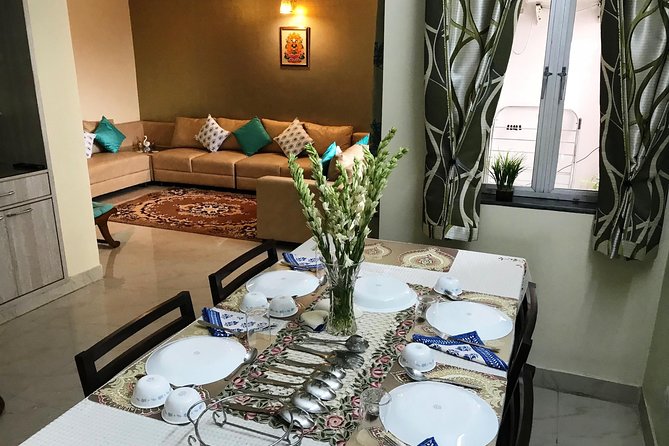
A Bengali kitchen beats a cookbook any day. In Kolkata, you cook with Zinnia in a small home kitchen, learn why mustard oil and panch phoran matter, and then sit down to the meal you made. What I love most is the hands-on feel (rolling dough, frying luchi, making chutney from scratch) and the family-table vibe that makes the class feel personal, not staged. One thing to consider: it’s in a private home kitchen, so the space can be tight and schedules are tight too—come ready to move and get cooking.
If you want food you can actually repeat at home, this is a great fit. You’ll learn how Bengali flavors get built—spice blend first, mustard paste next, then curries, fry-breads, and finishing sauces—so you’re not just following steps. The possible drawback is that menus can vary by season, so if you have a very specific dish in mind, you’ll want to confirm what’s likely for your date.
In This Review
- Key Moments That Make This Cooking Class Work
- A Private Bengali Home Where Spices Lead the Lesson
- Your Class Timeline: From Spice Basics to Fried Bread and Mustard Gravy
- Step 1: Spices and Ingredients You’ll Actually Use Later
- Step 2: Dough and Luchi—The Fry-Bread Skill
- Step 3: Building a Mustard-Gravy Dish (and Learning the Flavor Base)
- Step 4: Tomato and Dates Chutney from Scratch
- The Meal: Eat What You Cook, With a Bengali Home-Table Pace
- Vegetarian Option: Plan Ahead Without Losing the Bengali Point
- Price and Value: What $66 Buys You in Kolkata
- Who This Class Suits Best (And Who Might Find It Tough)
- Tips to Get More from Your Host and Kitchen
- Should You Book This Bengali Cooking Class in Kolkata?
- FAQ
- How long is the cooking class?
- Is this a private class?
- What dishes will I cook and eat?
- Is there a vegetarian option?
- What drinks are included with the meal?
- Do I need hotel pickup and drop-off?
- When should I book?
Key Moments That Make This Cooking Class Work
- Panch phoran spice intro, including how it’s used in Eastern India-style cooking
- Rolling and frying luchi, plus mustard-based dishes like shorshe chingri
- A scratch-made tomato and dates chutney that ties the meal together
- Eating at a family dining table when the household is home, with a home-style paayesh finale
- Private format with your host, so questions and pacing stay personal
A Private Bengali Home Where Spices Lead the Lesson
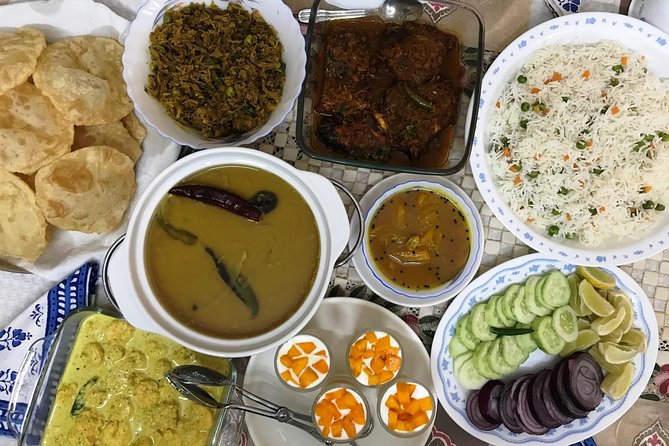
Bengali cooking has a signature logic: flavor comes in layers, and the first layer is usually spice. That’s exactly how this experience starts. You begin with an introduction to Indian spices, then you’ll get a close look at panch phoran—a commonly used blend in Eastern India built from cumin, brown mustard, fenugreek, nigella, and fennel. It’s not just trivia. It’s a practical roadmap for why certain dishes taste the way they do, and it helps you understand what you’re doing later.
Then Zinnia explains the role of mustard oil in Bengali cuisine. If you’ve ever had mustard-heavy flavors and wondered what made them different, this is where it clicks. You’re shown how mustard seeds are ground into a paste, which becomes a key part of the flavor base for dishes like mustard gravies.
This is also where the private setting matters. In a group class, you can spend a lot of time waiting. Here, you’re working alongside your host from the early moments—so you don’t just watch spices happen, you learn how they’re handled.
Your Class Timeline: From Spice Basics to Fried Bread and Mustard Gravy
The class runs about 2 to 3 hours total, with a hands-on cooking block around one hour, followed by sitting down to the meal. You can choose a morning or afternoon session, which is handy in Kolkata. It means you’re less likely to feel squeezed by the rest of your day.
The lesson moves in a clear sequence, and each step teaches something you can carry home.
Step 1: Spices and Ingredients You’ll Actually Use Later
You’re introduced to the spice blend and shown the ingredients of panch phoran. Zinnia also explains why mustard oil gets used so often in Bengali food. That sets the stage for the rest of the cooking, because mustard paste and spice blends influence the aroma, thickness, and tang of the sauces.
If you like cooking, this early portion is a big deal. It transforms the experience from a one-time meal into something you can recreate.
Step 2: Dough and Luchi—The Fry-Bread Skill
Next, you learn to roll out the dough and fry luchi, those puffy deep-fried flatbreads that show up in many Bengali meals. Rolling dough sounds simple until you try it, and frying shows you fast what “right” looks like—bubbles, color, and texture.
Why this part matters: luchi is the backbone of how many Bengali meals are eaten. If you can nail the bread, the rest of the meal feels more complete when you make it later at home.
Step 3: Building a Mustard-Gravy Dish (and Learning the Flavor Base)
You prepare shorshe chingri—prawns in mustard gravy. Even if you don’t consider yourself a seafood person, this dish is valuable as a cooking lesson because it teaches how mustard paste works in a sauce.
Step 4: Tomato and Dates Chutney from Scratch
You also make tomato and dates chutney. This is the kind of “small” component that changes everything. Chutney is where you learn balancing tricks—sweet, tang, and warmth—so the meal tastes rounded, not one-note.
A lot of classes focus only on curries. Here, you get a finishing sauce component that helps you understand how Bengali meals get layered flavors, not just heavy spices.
The Meal: Eat What You Cook, With a Bengali Home-Table Pace
Once cooking wraps, you sit down with Zinnia and her family when they’re at home. The experience is described as a private, personalized time, and that shows in the food flow. It’s not rushed, and it feels like you’re eating inside a household rhythm.
Your menu may include classics such as:
- shorshe maach (fish cooked in mustard sauce)
- kosha maangsho (mutton curry)
- aaloo posto (potatoes with poppy seeds)
- begun bhaaja (eggplant/aubergine fry)
- cholar dal (lentils)
- rice or flat bread
- tomato and dates chutney you helped make
- paayesh (rice pudding) for dessert
If that sounds like a lot, it is—but it’s the kind of “many small joys” meal that makes Bengali food satisfying. Lentils and rice provide softness. Fry items add crisp edges. Mustard-based sauces give punch. Then paayesh closes it out with something comforting rather than just sweet.
The beverage side is also part of the experience. You’ll wash everything down with tea, coffee, water, and local alcohol. The class includes 1–2 glasses of local beer, which is a nice touch if you drink beer, and at least it signals that the meal is meant to be relaxed, not stiff.
Vegetarian Option: Plan Ahead Without Losing the Bengali Point
If you prefer vegetarian, you can request a vegetarian meal. The experience notes that Zinnia can offer vegetarian meals on request, and the cooking class is still framed around Bengali classics and a Bengali flavor logic—spice blends, chutneys, and the way meals get composed.
What’s the practical takeaway? Don’t wait until the last moment. If you have dietary restrictions or cooking preferences, advise at booking. This keeps the menu aligned with what you want to eat and what you’re comfortable cooking.
Also, since the menu may vary by season, a vegetarian request gives you the best chance of getting dishes that fit the ingredients available when you visit.
Price and Value: What $66 Buys You in Kolkata
At $66 per person, you’re not just paying for cooking entertainment. You’re paying for a private home-hosted class that includes:
- a private cooking session with your host
- a home-cooked meal (lunch or dinner)
- 1–2 glasses of local beer
- all taxes, fees, and handling charges
Let’s look at what that means in real-world terms. In many cities, a private cooking class alone can cost a similar amount, and then the meal is extra. Here, the meal is part of the deal, and you’re eating at the same home setting you cooked in. You’re also learning techniques that go beyond one dish: spice foundations, mustard paste prep, dough rolling, frying, and scratch chutney making.
Is it a “cheap” experience? No. But it’s a solid value if you care about learning and want a meal that feels like you were invited, not processed.
Who This Class Suits Best (And Who Might Find It Tough)
This cooking class fits best if you:
- like hands-on lessons (dough, frying, sauce prep)
- want the Bengali flavor foundation, not just a single recipe
- enjoy eating where real households eat
- want a small-schedule visit with a clear length (2–3 hours)
- want a private experience rather than being one of many
It may be less ideal if you:
- hate tight home-kitchen conditions or moving around a small workspace
- need hotel pickup and door-to-door transfers, since pickup and drop-off aren’t included
- have very rigid dietary requirements—best results come from notifying restrictions at booking so the menu can be adjusted
Tips to Get More from Your Host and Kitchen
A few practical things will help you have a smooth, enjoyable time.
Bring an open mind about menu variation. The experience says dishes can change by season, so think of it as Bengali cooking education rather than a guarantee of exact dishes every day.
Be clear about dietary needs during booking. Vegetarian is available by request, but you want that confirmed early so Zinnia can plan accordingly.
Show up ready to cook, not just watch. The most memorable parts—rolling dough, frying luchi, and mixing sauce elements—happen because you participate.
Finally, if you drink alcohol, plan your pace. You get tea and coffee alongside local beer, so you can mix and stay comfortable, but it’s still a home meal setting where you’ll want to relax.
Should You Book This Bengali Cooking Class in Kolkata?
Book it if you want a genuinely local-style food experience with a learning component you can repeat. The combination of hands-on cooking, a clear flavor lesson (panch phoran and mustard oil), and a home-table meal with dessert makes this more than a one-off dinner.
Skip it if you’re looking for a big, sightseeing-heavy day or if you need lots of logistics support like pickup and drop-off. Also, if you only want one specific dish, remember the menu may vary by season.
If you like cooking and you want to eat what you cooked in a real Kolkata home, this is a strong choice.
FAQ
How long is the cooking class?
It runs about 2 to 3 hours total, with around one hour of hands-on cooking and time to share the meal afterward.
Is this a private class?
Yes. It’s a private, personalized experience, and only your group participates.
What dishes will I cook and eat?
You’ll help prepare Bengali staples such as luchi, shorshe chingri (prawns in mustard gravy), and tomato and dates chutney. The full meal may also include dishes like kosha maangsho, cholar dal, aaloo posto, begun bhaaja, and dessert such as paayesh. The menu can vary by season.
Is there a vegetarian option?
Yes. Zinnia can offer vegetarian meals on request. If you want vegetarian, advise at booking.
What drinks are included with the meal?
Tea, coffee, water, and local alcohol are included, with 1–2 glasses of local beer included.
Do I need hotel pickup and drop-off?
No, hotel pickup and drop-off aren’t included.
When should I book?
On average, this is booked about 14 days in advance.