REVIEW · HOI AN
Hoi An: Tra Que Herb Village Cooking Class
Book on GetYourGuide →Operated by Dich vu du lich lang que Cam Thanh · Bookable on GetYourGuide
Herb garden cooking in Hoi An is pure fun. I love the way you start surrounded by Tra Que herbs before you touch a cutting board, and I love that the class leads to four local dishes you’ll eat at the end. The one thing to watch: the meeting spot can be a little tricky to find, so build in extra time.
You’ll meet at the Tra Que Rural Charm Cooking Class in Tra Que Herb Village, then begin with a welcome drink and an English-speaking instructor. In particular, chefs such as Sophia, Thanh, and Trang (including Trang Lê) have been praised for being patient, clear, and genuinely good at explaining the steps.
The menu can shift depending on ingredient availability, and some prep is done ahead of time to keep the pace comfortable. If you don’t have hotel pickup, plan to get there on your own and arrive before the start time you chose.
In This Review
- Key highlights at Tra Que Herb Village Cooking Class
- Arriving in Tra Que Herb Village: herbs, then your welcome drink
- Inside the herb garden: how the cooking lesson actually feels
- The Tra Que menu: spring rolls, pancakes, and a vegetable-village dish
- Chef-led practice: pace, patience, and real explanations
- What you eat at the end: sit, relax, and finish with your own dishes
- Price and value in Hoi An: what you’re really paying for
- Who should book this cooking class, and who should skip it
- Should you book the Hoi An Tra Que Herb Village Cooking Class?
- FAQ
- Where is the meeting point for this cooking class?
- How long is the cooking class?
- What dishes will I cook during the class?
- Is the menu the same every day?
- Do I get hotel pickup and drop-off?
- What’s included in the price?
- Are drinks included besides the welcome drink?
- Is the class taught in English?
- What if it’s a public holiday?
- Is there wheelchair access or are pets allowed?
Key highlights at Tra Que Herb Village Cooking Class
- Herbs first, cooking second: see what you’ll be using before you start.
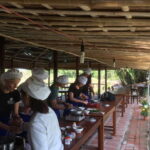
- A garden setting for the whole lesson: the outdoor environment adds a calm, practical feel.
- Learn 4 dishes: including Hoi An spring rolls and vegetable-based pancakes.
- Chefs like Sophia, Thanh, and Trang: instructors have been described as patient and step-by-step.
- You eat what you cook: sit down at the end and enjoy the meal you made.
Arriving in Tra Que Herb Village: herbs, then your welcome drink
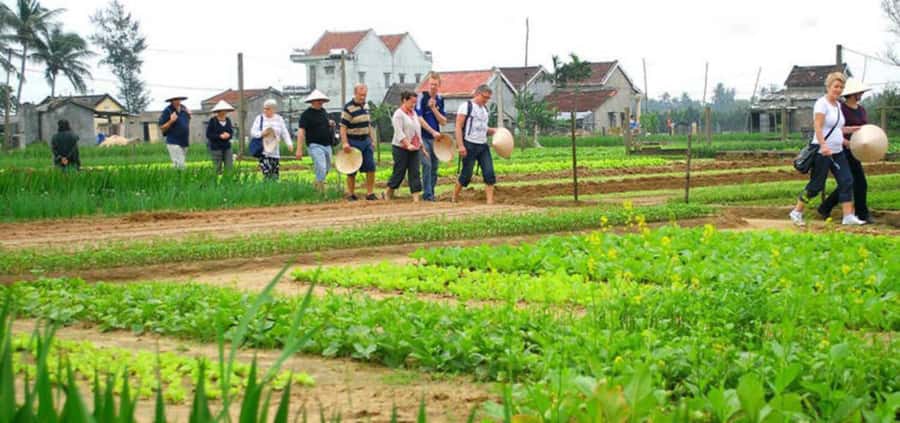
This class starts at Tra Que Herb Village, not in a city kitchen. That matters. You get context for the flavors before cooking—seeing herbs and vegetables growing makes the recipes feel less like theory and more like something you can actually reproduce later.
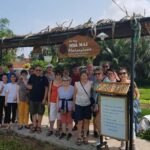
You’ll meet at the Tra Que Rural Charm Cooking Class location, then check out the herb village environment. Even if you’ve been around Vietnamese markets before, this area has a different vibe: it’s about growing and harvesting, not just selling. It sets you up to cook with a “why this ingredient” mindset.
Then comes the welcome drink. It’s included, and it’s a nice reset after traveling (or after finding the place). The class is timed for a 150-minute experience, and there are different starting times in the morning, afternoon, or evening—so you can match it to your Hoi An schedule.
Practical tip: the biggest friction point is logistics, not cooking. Some people say the location is difficult to find, so I’d rather you arrive early and get your bearings fast than stress during the first minutes of class.
You can also read our reviews of more tours and experiences in Hoi An.

Inside the herb garden: how the cooking lesson actually feels
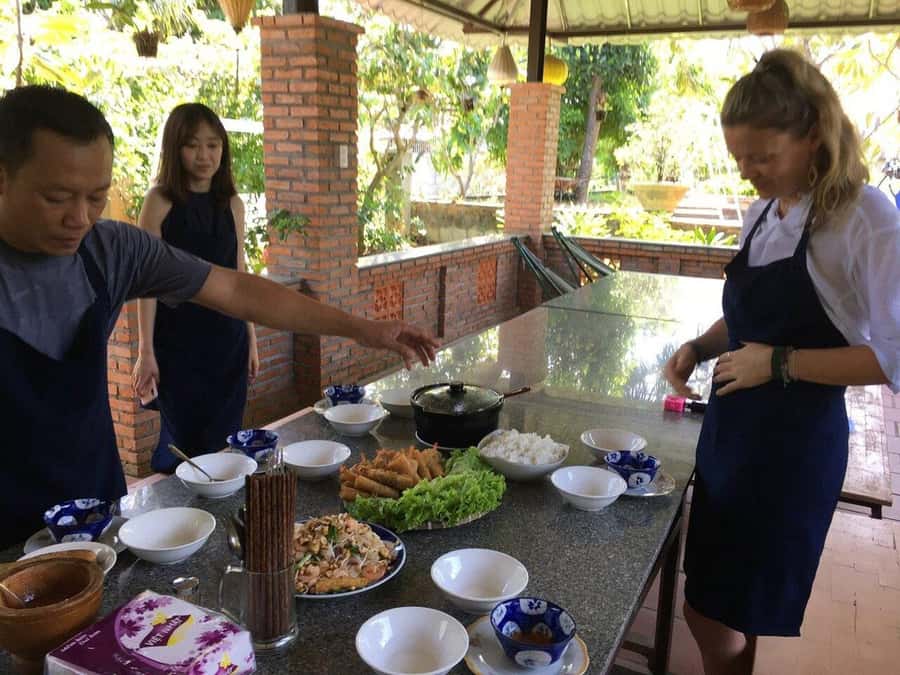
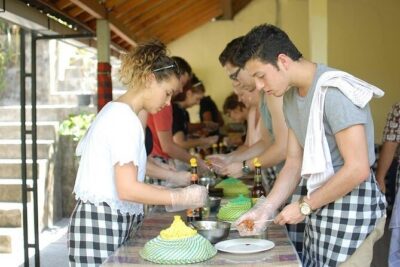
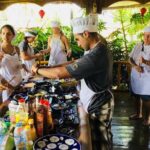
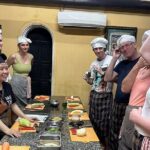
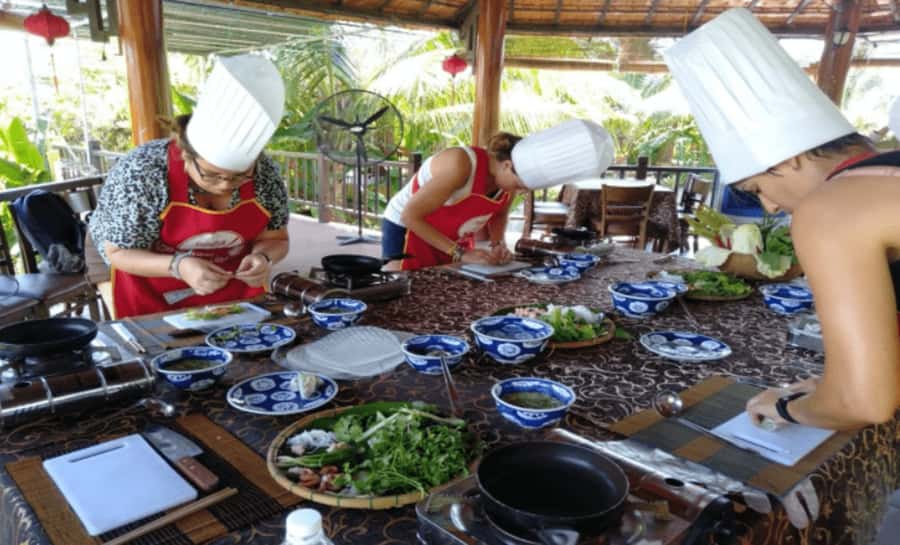
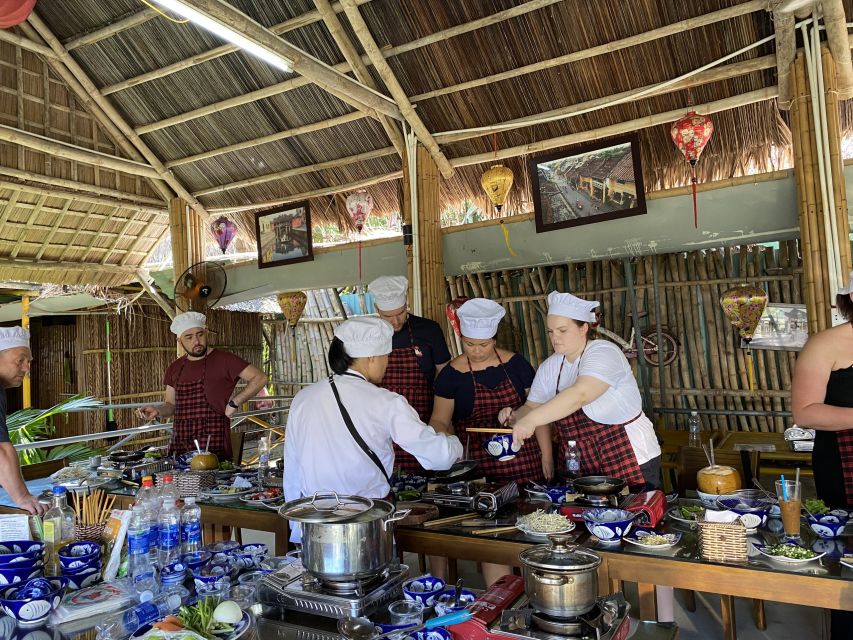
Once you’re in, you’re not just watching. You’re cooking. The lesson is taught by an instructor with English for communication, and the format is hands-on enough that you’ll be actively preparing the dishes rather than hovering.
I like that the setting stays relaxed. Several past participants have described the pacing as unhurried, with instructors taking time to explain each step and leaving space to eat at the end. That’s important in cooking classes—if the pace is too rushed, you lose the logic behind the technique.
Another practical plus: some ingredients are prepared beforehand. That’s not a cop-out; it’s how you keep a 150-minute class from turning into “wait for the instructor” time. It also means you can focus on the real learning moments—mixing, rolling, pan cooking, and understanding how flavors balance.
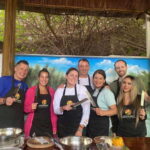
About the people in your group: the experience can be small. Some participants ended up in very small groups (even as few as two or three), which usually means more personal attention. If you’re traveling with a friend and like interactive, not crowded activities, this setup should suit you well.
The Tra Que menu: spring rolls, pancakes, and a vegetable-village dish
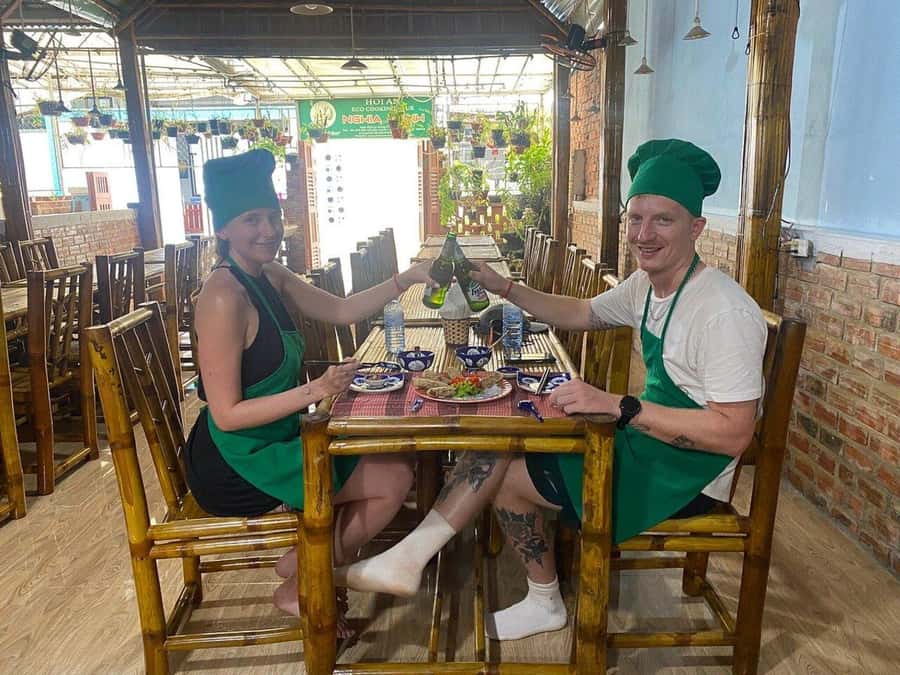
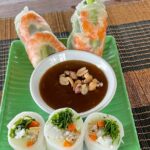
The core promise is that you’ll learn how to cook four different local dishes. The menu includes Hoi An spring rolls and pancakes, plus a special dish pulled from the vegetable village. The exact menu can change based on ingredient availability, so don’t expect a single fixed set of recipes every time.
Here’s what that looks like for you:
- Hoi An spring rolls: you’ll work on the wrapping and the flavor balance that makes them distinct.
- Pancakes: you’ll get practice on a Vietnamese-style pan dish rather than just a quick snack.
- A vegetable-village specialty: this is where the Tra Que environment shows up in your plate, using what’s fresh and available.
One of the best parts of a flexible menu is that it’s not “cook the same thing everywhere.” You’re cooking with ingredients that match what the herb village has at that time. That also explains why you may see small differences between classes on different days.
A few extra notes that help you plan:
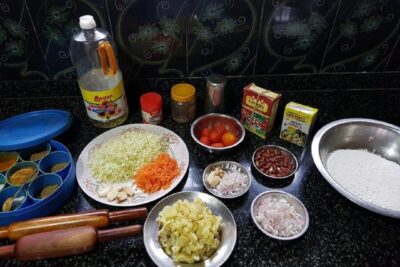
- You’ll cook with ingredients provided by the class.
- Some components are prepped ahead of time, so you aren’t starting from raw whole ingredients for everything.
- If you have dietary needs, the class has shown flexibility. People have reported menu changes for vegan and also catering to gluten and garlic intolerances.
Practical tip: if you have allergies or dietary restrictions, communicate them clearly during booking or before the class. While the class can accommodate certain needs, ingredient-driven menu changes mean you should confirm what’s possible for your situation.
Chef-led practice: pace, patience, and real explanations
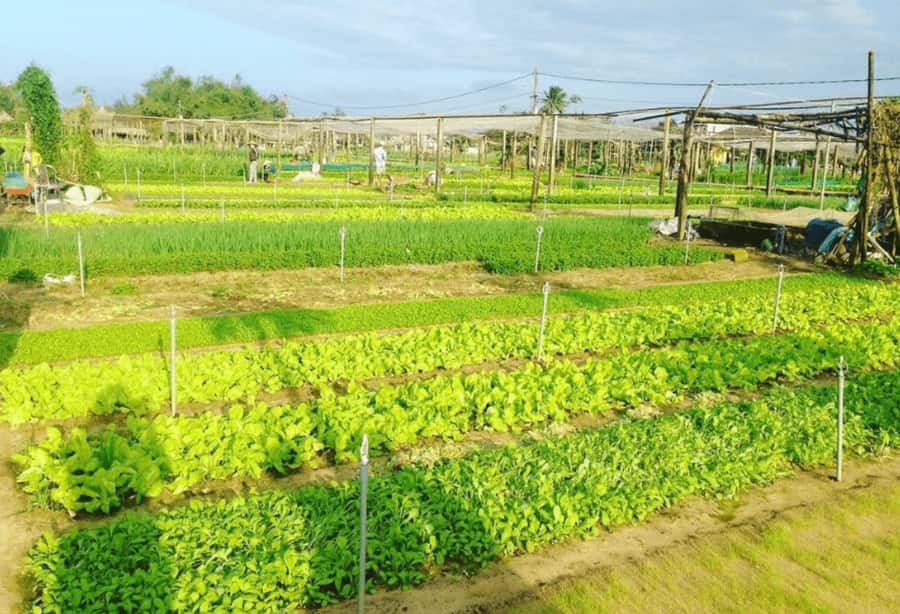
The instructor experience can make or break a cooking class, and this one has a track record for good teaching. In the past, instructors named Sophia, Thanh, and Trang (including Trang Lê) have been singled out for being patient, fun to cook with, and willing to answer questions.
What that means for you on the practical side:
- You get step-by-step instruction rather than vague directions.
- You’re encouraged to ask questions while you cook, not just at the end.
- If your cooking skills are rusty, you’re likely to get enough guidance to keep moving.
Also, the class being in a herb village makes communication easier in a different way. Instead of “cook at these stations,” you’re cooking within a living ingredient environment. That makes it simpler to connect flavors to the plants you saw earlier.
One small downside to know: some people have wanted to pick herbs themselves, but in some cases the herbs and salad greens are already picked for you. That’s not a dealbreaker—just set your expectation that you may do more cooking than harvesting during your session.
Overall, this is the kind of class where you should walk away understanding the technique. That’s what helps you recreate dishes at home, not just copy a recipe list.
What you eat at the end: sit, relax, and finish with your own dishes
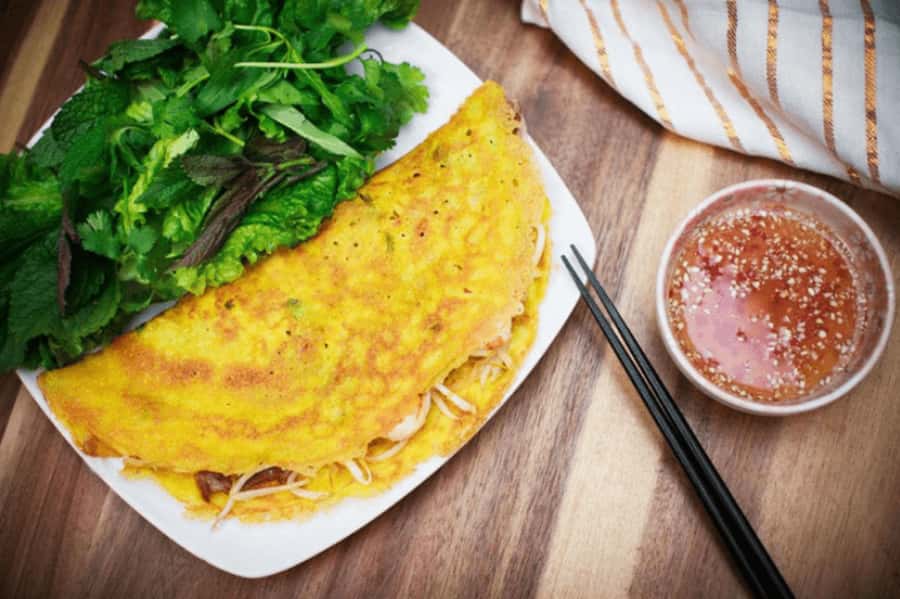
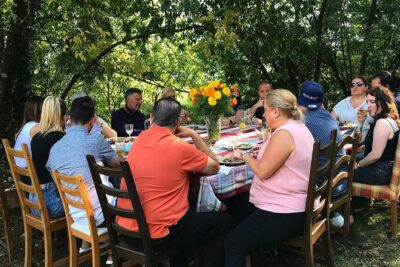
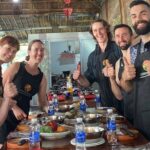
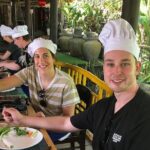
This is not a “you cook, then you leave” situation. You sit down after the lesson and eat everything you made. The class is designed around learning and then enjoying the results together, which is exactly how you should judge a cooking class’s value.
Expect a meal with multiple dishes, and don’t eat beforehand. People have specifically warned that there’s a lot of food, and that many dishes include things like pork and shrimp. If that’s relevant to your diet, this is another reason to confirm what’s in your particular menu when you book.
For your comfort:
- Plan for a leisurely end-of-class meal, not a rushed grab-and-go.
- Bring your appetite. A cooking class meal where you actually get fed is one of the most satisfying parts of the experience.
If you’re cooking with others—friends you join with in the class, or small-group participants—it’s also a good social moment. You’ll likely chat while you eat, which makes the whole experience feel more like a shared activity than a lesson you paid for and forgot later.
Price and value in Hoi An: what you’re really paying for
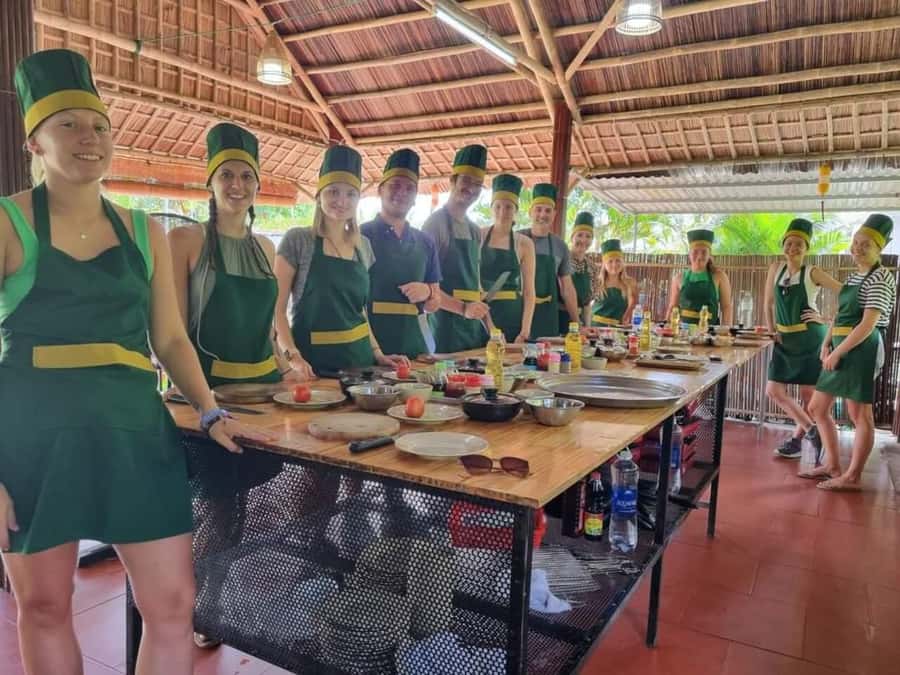
At about $28 per person for a 150-minute class, this is priced like an experience that includes more than instruction. You’re getting:
- a welcome drink,
- cooking ingredients,
- an instructor (with English),
- and recipes to take home,
- plus the full meal from what you cooked.
That combination is where the value comes from. You’re not just paying for cooking time; you’re paying for a complete arc: learn the techniques, make the dishes, then eat them with your group.
Two cost-related details to keep in mind:
- Hotel pickup and drop-off are not included. That can be totally fine if you’re staying nearby or comfortable using local transport, but it does mean you’re responsible for getting to the meeting point.
- Drinks beyond the included welcome drink are not included. So if you like water or other drinks during your meal, budget a little.
There’s also a surcharge of 100,000 VND per person for public holidays, payable in cash. It’s a small extra amount, but it’s the kind of detail that can surprise you if you don’t plan ahead.
If you want a cooking class that feels hands-on, ingredient-based, and meal-centered, this price structure fits that goal well.
Who should book this cooking class, and who should skip it
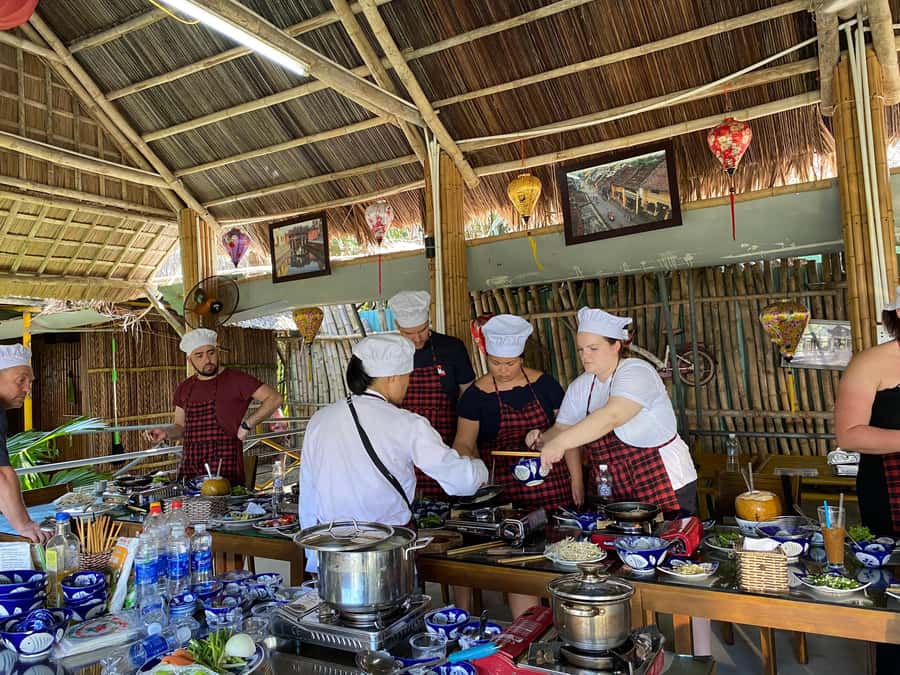
This is a great match if you want Vietnamese cooking that feels practical. You like learning by doing—rolling, mixing, pan cooking—and then eating what you made. It’s also a good fit for people who enjoy being outdoors and want a more authentic Hoi An activity than yet another indoor show.
It also makes sense for:
- couples and small groups who want interaction with the instructor,
- food lovers who care about fresh herbs and vegetable flavor,
- travelers who want recipes to bring home,
- diners with diet flexibility (as the class has shown it can adjust for some needs).
It might not be for you if:
- you rely on wheelchair access (it’s not suitable for wheelchair users),
- you plan to travel with pets (pets are not allowed),
- you don’t want to handle finding the meeting point yourself,
- you’re looking for a fixed menu with zero variation (the menu may change with ingredients availability).
Practical tip: if you’re arriving in Hoi An from another place that day, consider scheduling this at a time when you’re not rushing across town. You’ll enjoy the herb garden more if you’re not sprinting to the start.
Should you book the Hoi An Tra Que Herb Village Cooking Class?
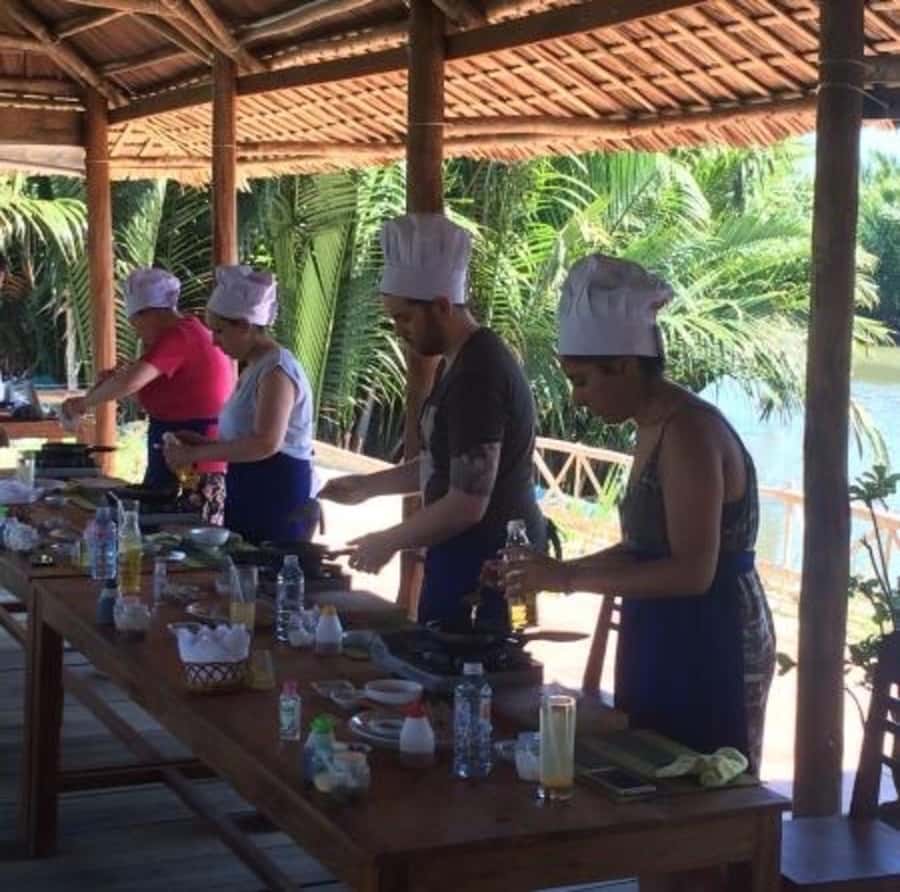
Book it if you want a real cooking lesson in a working herb environment, and you’ll enjoy eating what you make. The strongest reasons to choose it are the garden-first start, the English-led instruction, and the fact that you cook four local dishes and then sit down for the meal.
Skip it if finding the meeting point and handling transport on your own will stress you out, or if you need wheelchair-friendly access. Also, come ready with an appetite—this isn’t a light tasting.
If you want one authentic Hoi An food experience that teaches technique and delivers dinner, this is a solid choice.
FAQ
Where is the meeting point for this cooking class?
You meet at the Tra Que Rural Charm Cooking Class in Tra Que Herb Village.
How long is the cooking class?
The duration is 150 minutes.
What dishes will I cook during the class?
You’ll learn to cook four different local dishes. The menu includes Hoi An spring rolls and pancakes, plus a special dish from the vegetable village.
Is the menu the same every day?
The menu can change depending on the availability of ingredients.
Do I get hotel pickup and drop-off?
No. Hotel pickup and drop-off are not included.
What’s included in the price?
The included items are a welcome drink, cooking ingredients, an instructor, and recipes.
Are drinks included besides the welcome drink?
No. Drinks are not included beyond the welcome drink.
Is the class taught in English?
Yes. The tour guide/instructor language is English.
What if it’s a public holiday?
There is a surcharge of 100,000 VND per person, payable in cash, if the lesson is on a public holiday.
Is there wheelchair access or are pets allowed?
The class is not suitable for wheelchair users, and pets are not allowed.