REVIEW · SOFIA
Bulgarian Food tasting, cullinary-historical tour, Cooking class
Book on Viator →Bookable on Viator
A Bulgarian kitchen day in Sofia beats a food tour that just hands you samples. You’ll get a menu tailored to your skills and preferences, plus hands-on technique practice that goes beyond recipes on a page.
I especially like the way the morning builds context, with ingredient talk that makes dishes make more sense. A possible drawback: it can run longer than the headline duration, and portions can be generous if you’re cooking solo.
In This Review
- Key Things to Know Before You Go
- From St. Nicholas to the Kitchen: How the Day Flows
- Woman’s Market: Buying Bulgarian Ingredients Like You Mean It
- Saint Nikolas Church and a Sofia Center Orientation
- The Cooking Class: A Menu Built Around Your Skills
- What You Might Cook: Burek, Dolmas, Gyuvetche and More
- Grocery-to-Dinner Timing: Plan for a Long, Fun Stretch
- Meals Included: What the Food Tasting Feels Like
- Price and Value: Is $138.18 Worth It?
- Practical Tips for a Smoother Cooking Day in Sofia
- Who This Sofia Class Suits Best (And Who Should Skip It)
- Should You Book This Bulgarian Food Tasting Cooking Class?
- FAQ
- FAQ
- What dishes will I learn to cook?
- Where does the experience start?
- Can I meet at a subway station instead?
- What time does the tour start and how long does it last?
- Is the tour offered in English?
- Do we go grocery shopping?
- What meals are included?
- Are alcohol or soft drinks included?
- Is there anything in the kitchen that could affect allergies?
- What happens if the weather is bad?
Key Things to Know Before You Go
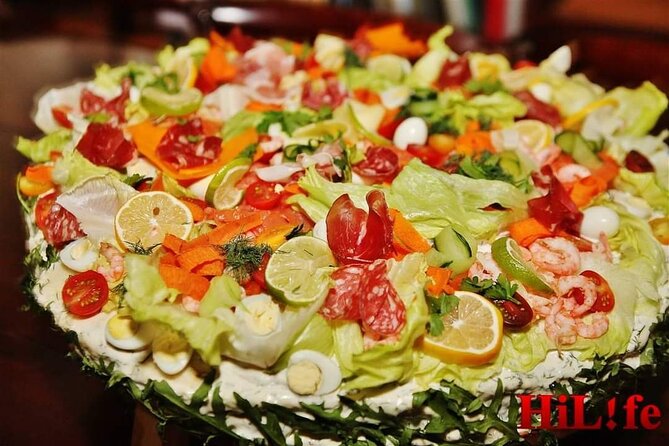
- Three dishes, made by you: the exact menu is built around your cooking level and tastes
- Market ingredients if conditions allow: you may shop together at the Woman’s Market
- A real Sofia reset point: the day starts at a major landmark near the center
- Clear technique focus: expect practical steps, not just watching and tasting
- Meals are covered: you eat your way through starters, mains, and dessert
- Small-group energy: it’s private, so you’re not sharing attention with strangers
From St. Nicholas to the Kitchen: How the Day Flows
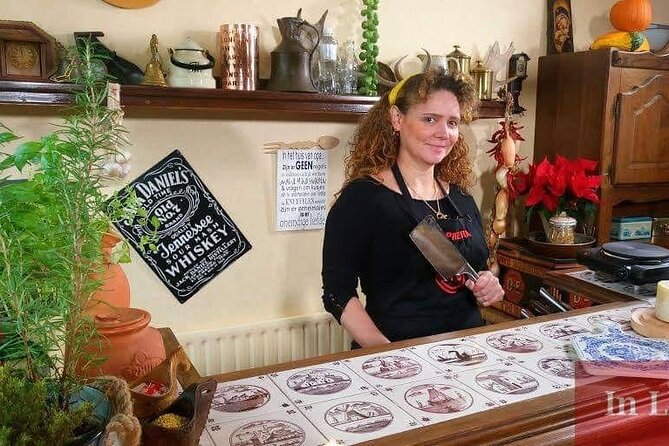
This is one of those experiences where food is the main event, but the lead-up matters. You start at the Church of St. Nicholas the Wonderworker in Sofia’s center, which makes it easy to find and gives the day a proper anchor. If you prefer, you can also meet at the subway station Luvov Most.
From there, the rhythm is simple: you visit a couple of Sofia stops, then you cook. If the weather is good and it’s a working day, you may also do grocery shopping together at the Woman’s Market—a great way to see what Bulgarian cooks actually pick before a meal.
The cooking itself is built around you. Your host will create a three-dish menu depending on your skills and what you like to eat. That’s the smart part: you’re not stuck making something too basic or too advanced. And the day ends with food tasting—shared like a meal, not spooned out like a parade.
Woman’s Market: Buying Bulgarian Ingredients Like You Mean It
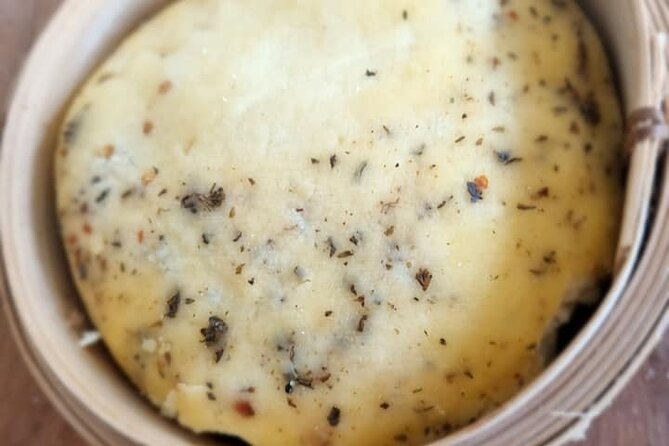
The Woman’s Market (Zhenski Pazar) is where you get the closest thing to a lived-in food lesson. If conditions are right, you’ll go shopping together before class kicks into gear. You’re not just walking past stalls—you’re learning what Bulgarian products are and how people think about them.
Why this matters: when you later work with dough, fillings, and vegetables, you’ll understand what ingredients bring to the plate. You’ll also pick up the logic behind flavors people rely on in the Balkans—things that don’t come from imported shortcuts.
This stop also gives you a chance to see everyday Sofia food culture. If you like markets (and even if you don’t usually), this adds a layer that basic cooking classes miss. It turns the class from cooking-for-the-sake-of-cooking into cooking-with-context.
Tip: come hungry enough to shop with focus, but not so hungry you feel drained before you start cooking.
Saint Nikolas Church and a Sofia Center Orientation
After the market, you’ll visit the Saint Nikolas Russian Church. Even without a long stop, it’s a useful reset. You get a quick look at a key piece of Sofia’s cultural mix, and it breaks up the day so it doesn’t feel like one long food loop.
Then you’re in Sofia Center territory. This part works best if you like light walking and a bit of guidance about where you are in the city. You’re not signing up for a marathon of sights, but you will get enough orientation to connect the day’s ingredients and dishes back to place.
I like this pacing because it keeps the focus on food without making you feel like you’re only doing chores. You’re in the city, then you’re in the kitchen.
The Cooking Class: A Menu Built Around Your Skills
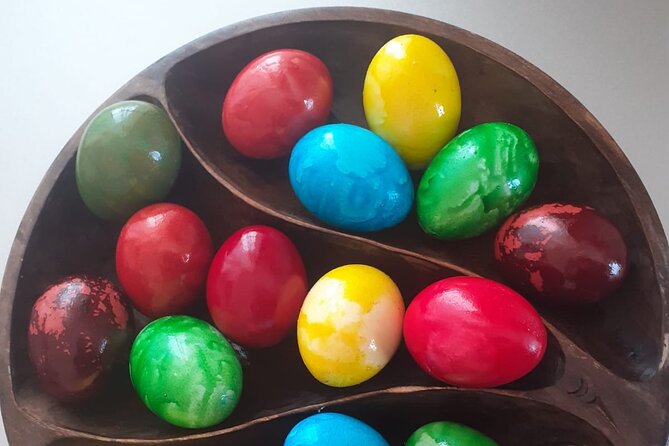
Here’s the centerpiece: you learn to cook three typical Bulgarian dishes. Examples can include bread, cheese pastry, hot pot, dolmas, and more—your host chooses based on your cooking ability and your preferences.
In practice, this means you’re not stuck with a one-size-fits-all menu. If you’re comfortable in the kitchen, you’ll likely get more technique steps and workflow. If you’re newer, you’ll still learn something concrete—like how to handle onions without rushing, or how to structure prep so the final dish works.
One review highlighted learning a nice onion-slicing technique, which is exactly the kind of skill that makes home cooking easier later. Another theme from the day’s feedback is patience and real explanation, not just instructions thrown at you fast.
You’ll also use kitchen equipment that’s included, so you’re not hunting for tools or wondering if you’ll have what you need. The host’s goal is clear: you should walk away with new technique and a better understanding of Balkan cooking—not just a full stomach.
What You Might Cook: Burek, Dolmas, Gyuvetche and More
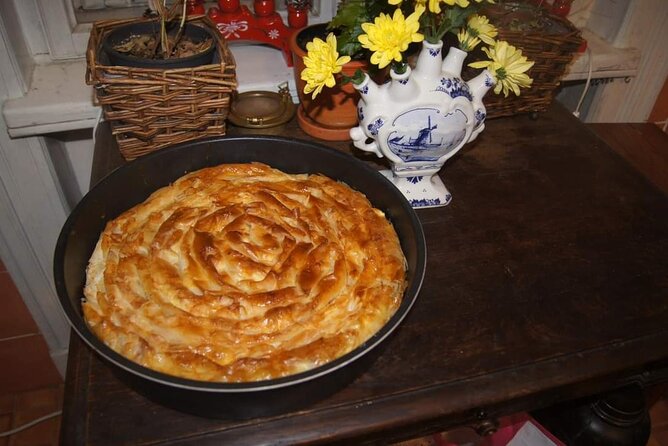
The menu choices can vary, but the sample dishes give you a strong idea of what you’ll learn. Since you’ll cook three dishes total, you’ll get depth on what you make rather than spreading out into everything.
Common starter options:
- Burek: cheese burek pastry, where dough handling and filling balance matter
- Dolmas: cabbage with meat, which teaches slow, careful cooking and seasoning sense
Main courses you might see:
- Gyuvetche: hot pot style, with meat or vegetables, cooked for tender results
- Meshana skara: grilled meat, bringing a different texture and flavor profile than stews
- Kavarma: baked in a pot and covered with omelette, often made with chicken or pork
Desserts that may appear:
- Tikvenik: pastry with pumpkin
- Mekitzi: a cousin of Hungarian langos; typically eaten for breakfast or dessert, with honey or feta
A key point: you’re not just tasting Bulgarian food—you’re building it. That difference is why a cooking class like this tends to stick in your head. Afterward, you can often remember the steps and ingredients that created the final flavor, which is what you want if you plan to cook again later.
Grocery-to-Dinner Timing: Plan for a Long, Fun Stretch
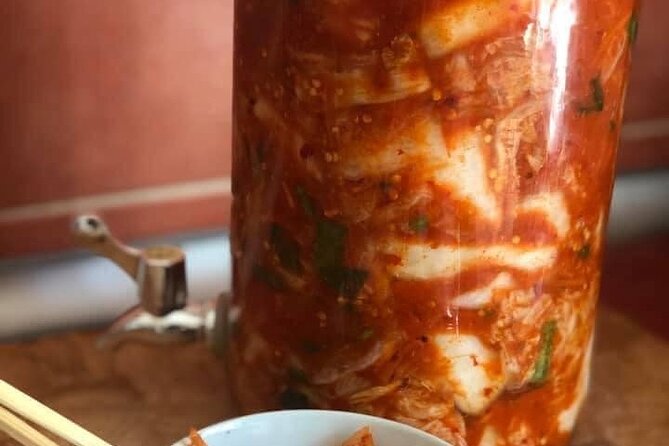
The day is listed as about 6 hours, starting at 9:00 am. But real timing can stretch, especially when you shop together and when the pace is unrushed. One solo traveler described it as starting around 4:00 pm and ending around 9:30 pm—so expect that the experience can run long if the day’s schedule adds extra prep and shopping time.
That matters because you’re not just cooking; you’re also learning history and products, then eating the results. You’ll likely spend time talking as you cook, especially if your host shares Sofia stories and culinary background.
Also, portions can be generous. If you’re traveling solo, you may find you end up with more food than you can comfortably eat in one sitting. That’s not a deal-breaker, but it’s good to know so you can plan how you’ll feel afterward.
If you like hands-on experiences, this longer timeline is usually a benefit. If you’re the type who needs tight schedules, just build in extra breathing room that day.
Meals Included: What the Food Tasting Feels Like
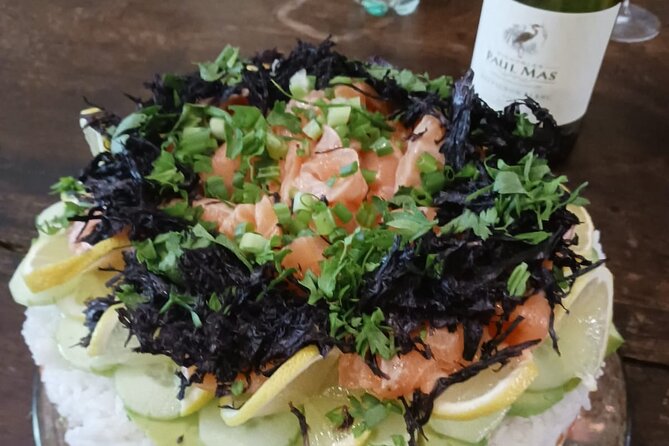
After cooking, you sit down for a shared food tasting that becomes lunch or dinner. The experience lists meals as lunch, brunch, and dinner, which tells you the day is structured as an actual eating event, not a quick snack at the end.
The best way to think about it: you’ll eat what you make—starters, mains, and dessert—so you can taste differences created by your technique. For example, if you’re learning a pastry, you’ll understand how dough texture changes with handling. If you’re making a hot pot dish, you’ll get a sense of how time and heat control tenderness.
This is also where the cultural side lands. When your host explains Bulgarian products and traditions while you cook, the tasting becomes easier to interpret. You’re not guessing what you’re eating; you know why it tastes the way it does.
One practical note: bottled water isn’t included, and alcohol and soda/pop aren’t included either. So if you like drinks with meals, plan to budget for them.
Price and Value: Is $138.18 Worth It?

At $138.18 per person, this isn’t a cheap “just try some food” activity. But it also isn’t a basic class where you watch while someone else cooks.
You’re paying for:
- a private tour/activity where your group is the only group participating
- a market or product context portion (depending on weather/weekday conditions)
- a hands-on cooking lesson where you learn three dishes
- kitchen equipment and a full day of eating (the experience lists lunch/brunch/dinner)
- an English-speaking host who tailors the menu to your skills and preferences
For me, the value comes from tailoring and technique. If you’ve taken generic cooking classes before, you know the trap: you get recipes, but not necessarily skills you can reuse. Here, the goal is to teach technique and cooking logic—so the class has a payoff beyond the meal.
If you’re a foodie who enjoys markets and wants real cooking practice, this price can feel fair. If you mostly want quick tastings with zero time in the kitchen, you may decide you want a simpler food tour instead.
Practical Tips for a Smoother Cooking Day in Sofia
A few details can make your day easier.
- Meeting point and transit: start at Church of St. Nicholas the Wonderworker, and it’s also possible to meet at the Luvov Most metro station.
- Kitchen access: the kitchen is on the second floor and there’s no elevator. If stairs are an issue, plan accordingly.
- Cat in the kitchen: there’s a cat. If you have allergies or you prefer not to be around animals, inform your host in advance.
- What to bring: comfortable shoes help, since you’ll walk between stops. If you bruise easily, keep it simple—this kind of day includes prep work and movement.
- Drinks and water: alcohol, soda/pop, and bottled water are not included, so decide ahead of time if you want to purchase them during the meal.
Also, one of the most useful points from feedback: communication can be flexible. One guest coordinated through WhatsApp and tailored the time of day and the menu to preferences. Even if your class runs at a fixed start time, you can still be proactive about what you like to eat.
Who This Sofia Class Suits Best (And Who Should Skip It)
I think this works best if you:
- want hands-on Bulgarian cooking, not just tasting
- like markets and ingredient stories
- enjoy a guided day with some city context, then a practical workshop
- want a menu tailored to your comfort level
It may not be ideal if you:
- need a very short, tightly timed activity
- can’t handle stairs to a second-floor kitchen
- have allergies or strong preferences about animals in the workspace
- prefer food tours where you sample many different dishes without cooking them
If you fall in the first group, you’ll likely come away feeling you learned something useful you can recreate at home—plus you’ll leave with a Sofia day that feels personal, not mass-produced.
Should You Book This Bulgarian Food Tasting Cooking Class?
If you want a Sofia experience that mixes food shopping, cooking technique, and a real sit-down meal, this is a strong pick. The biggest advantage is the tailored three-dish menu and the fact that you cook, not just watch. Add in the market stop when conditions allow, and you get more than a recipe lesson—you get a feel for how Bulgarian dishes fit together.
Book it if you’re happy with a longer day and you’re willing to cook three dishes in depth. Skip it if you want quick tastings only or you’re sensitive to stairs or the presence of a cat in the kitchen.
FAQ
FAQ
What dishes will I learn to cook?
You’ll learn to cook three typical Bulgarian dishes, such as burek, dolmas, gyuvetche, tikvenik, and others. The exact menu is created based on your cooking skills and preferences.
Where does the experience start?
It starts at the Church of St. Nicholas the Wonderworker, Sofia Center, on bul. Tsar Osvoboditel 3, Sofia.
Can I meet at a subway station instead?
Yes. It’s possible to meet directly at the subway metro station Luvov Most.
What time does the tour start and how long does it last?
The start time listed is 9:00 am, and the duration is about 6 hours.
Is the tour offered in English?
Yes, it’s offered in English.
Do we go grocery shopping?
If the weather is fine and it’s a working day, you’ll do grocery shopping together at the Woman’s market.
What meals are included?
The experience includes lunch, brunch, and dinner, plus kitchen equipment.
Are alcohol or soft drinks included?
No. Alcoholic beverages, soda/pop, and bottled water are not included.
Is there anything in the kitchen that could affect allergies?
There is a cat in the kitchen. If you have allergies or don’t like animals, you should inform the host in advance.
What happens if the weather is bad?
If the experience is canceled due to poor weather, you’ll be offered a different date or a full refund.