REVIEW · THESSALONIKI
Thessaloniki: Greek Cooking Class, Market visit and Lunch
Book on Viator →Operated by Active Thess Holidays · Bookable on Viator
If food is your love language, Thessaloniki delivers. This 3.5-hour class pairs two open-air markets with a hands-on Greek lunch, so you taste the city before you cook it. You’ll shop for ingredients, then make classics like gemista and dolmadakia under a chef’s guidance in a local taverna setting.
I like that the experience is practical, not just talk. You’re not only sampling foods; you’re learning techniques for building a meal you can actually recreate later, plus you get a full lineup from starters to dessert. One thing to consider: it runs close to midday, and it depends on good weather, since you’ll spend real time walking and shopping in outdoor markets.
In This Review
- Key highlights at a glance
- Meeting at Electra Palace and getting your timing right
- Kapani (Vlali) Market: the ingredient hunt starts fast
- Modiano Market: shop with purpose, not just cameras
- The cooking happens at a taverna: classic food, real comfort
- What you’ll cook: a full Thessaloniki meal lineup
- Starters: tzatziki, dolmadakia, and Greek salad
- Main: gemista (the dish with the learning curve)
- Dessert: chocolate salami (kormos)
- Why the market-to-meal pairing is the real value
- Logistics that matter: group size, time, and weather
- Who this tour suits best
- Should you book this Thessaloniki cooking class?
- FAQ
- What dishes do I make and eat on this class?
- Where does the tour start and end?
- How long is the experience?
- Is the class in English?
- How large is the group?
- Is there any requirement about weather?
- What markets are included?
- Can I get a refund if I need to cancel?
Key highlights at a glance
- Two markets, one lunch plan: Kapani (Vlali) and Modiano are both part of your ingredient hunt
- Chef-led, hands-on cooking: you’ll be making dishes, not just watching
- Classic recipes with context: you’ll hear how regional tastes and history shape the food
- You learn the hard parts: gemista technique gets special attention
- Full meal format: tzatziki, dolmadakia, Greek salad, gemista, and chocolate salami/kormos
- Small group size: up to 16 people keeps it interactive
Meeting at Electra Palace and getting your timing right
You start at Electra Palace Thessaloniki on Aristotélous 9, with a 11:30 am kickoff and an end back at the same meeting point. That matters more than it sounds, because a market-and-cooking schedule only works if the group arrives together and stays together. Plan your morning so you can be there a few minutes early and not feel rushed.
The whole experience runs about 3 hours 30 minutes. That’s a sweet spot: long enough to browse both markets and still cook a meal with confidence, short enough that you won’t feel like your day is gone. It’s also booked fairly far ahead on average, which is a quiet hint that the popular slots fill up.
You’ll be traveling in English, and you’ll get a mobile ticket. If you’re the type who likes a plan you can follow, this format is reassuring: market first, cooking second, lunch built from what you picked.
Kapani (Vlali) Market: the ingredient hunt starts fast
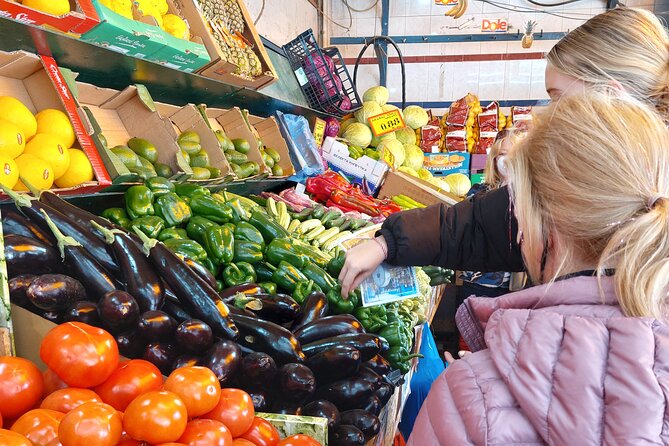
Your first stop is Kapani (also referred to as Vlali) Market, an open-air market where the day shifts from sightseeing mode into shopping mode. This is where you get your bearings fast and start thinking like a cook: what’s fresh, what looks ready to use, and what ingredients will show up on your lunch table.
What makes this stop especially valuable is how it connects shopping to cooking. You’re not buying souvenirs. You’re looking for food that has a job to do. That’s why a market visit works so well for a class like this—you can taste the logic of the meal before you even touch a spoon.
One of the most praised parts in the reviews is the guide experience. People mention market knowledge and a fun, personal style from guides like Maria and Dinha, and they specifically highlight learning how market shopping ties into what ends up on the plate. If you care about doing things the Greek way, this kind of guidance is the difference between generic cooking and cooking with actual local reasoning.
Possible drawback: market time can move briskly. If you like slow browsing with long conversations over every stall, you might feel a bit time-pressed. The upside is that you’ll still get to cook, eat, and finish—this isn’t an all-day market marathon.
Modiano Market: shop with purpose, not just cameras
Next you head to Modiano Market. Like Kapani, it’s an open-air market stop, but the vibe tends to feel different—more focused on browsing and selecting ingredients for specific dishes. For your lunch plan, this is where you start locking in the building blocks of what you’re going to cook.
This matters because the meal isn’t random. It’s a set menu that leads you through flavor and texture: creamy and cool tzatziki, tangy Greek salad, tender stuffed grape leaves, baked stuffed vegetables (gemista), and then a dessert that looks like something you would not expect to be chocolate.
In reviews, people highlight learning more than just recipes—information about how local history and the area’s story influenced the cuisine was mentioned by guides such as Thelis and Kostas. That’s a smart angle. Food is never just food here. When someone can explain why these dishes show up and how they fit local tastes, you remember the technique better.
What you’ll likely do here: ask questions, sample Greek products, and choose ingredients that make sense for stuffed dishes and fresh salads. Even if you’re not a big shopper, this structure helps you understand what to look for when you cook Greek food on your own later.
The cooking happens at a taverna: classic food, real comfort
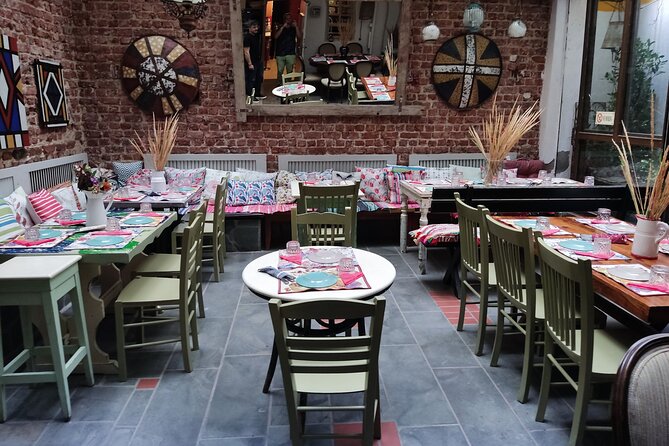
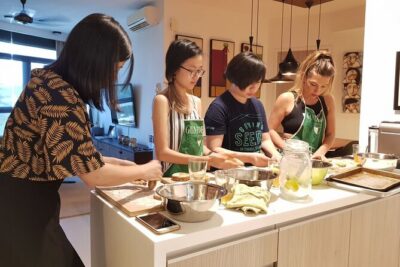
After the market stops, you move into cooking mode at a taverna-style setting. Reviews mention that the cooking is done at a local restaurant where the instructor is the chef and owner, which is a big deal for value. You’re not in a classroom that tries to mimic real life—you’re in a working food space. That usually means the pacing feels natural and the guidance is focused.
Also, cooking in a familiar taverna environment makes the experience feel like something you could stumble into in Thessaloniki on a regular day. And when you’re learning, that comfort helps. You’re more likely to absorb technique when you’re not worried about looking silly in a sterile kitchen.
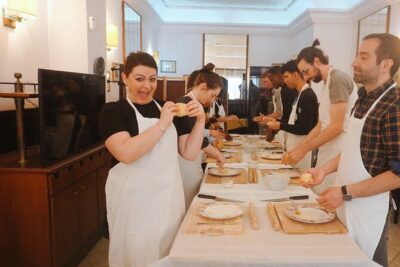
A small group size—maximum 16 people—helps here. You’re more likely to get attention, not just a quick demonstration and then a free-for-all. Several reviews call out guides as the standout, with people praising their knowledge, personality, and the way they made cooking feel fun. That’s exactly what you want when you’re learning to handle grape leaves and shape stuffed vegetables.
What you’ll cook: a full Thessaloniki meal lineup
This class is built around a menu that teaches you Greek flavors in a logical order. You start with cold and bright things, then move into warm mains and finishes with a playful dessert.
Starters: tzatziki, dolmadakia, and Greek salad
Tzatziki is served as a cold appetizer/mezze and also works as a sauce for gyros and souvlaki. In a cooking class, that’s useful because it gives you multiple options. You’ll get the idea that tzatziki isn’t just a one-time dish—it’s part of the Greek flavor system.
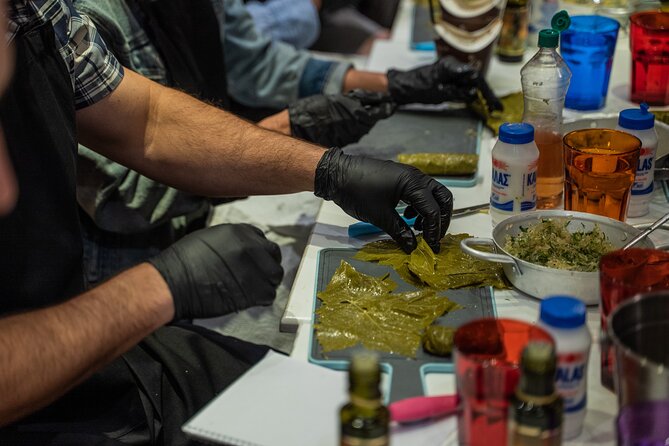
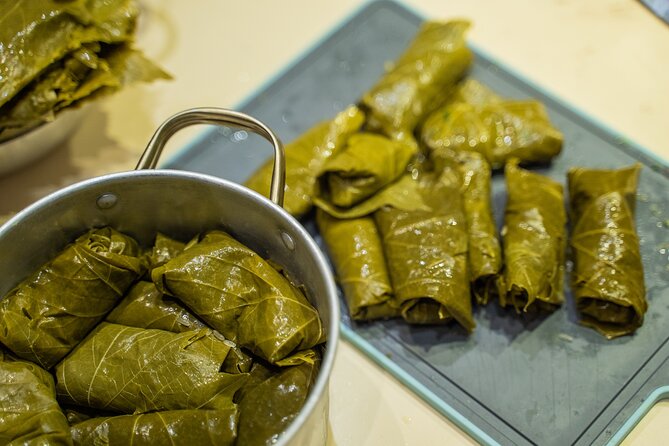
Dolmadakia are stuffed grape leaves, tender and herb-forward with rice inside. One review calls out that making dolmadakia for the first time was a highlight. That’s believable—rolling grape leaves sounds intimidating, but a class setting breaks it into steps. If you want a recipe that feels impressive at home, this is it.
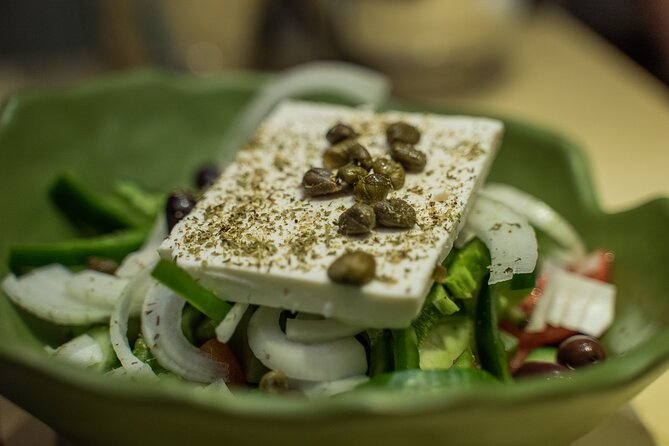
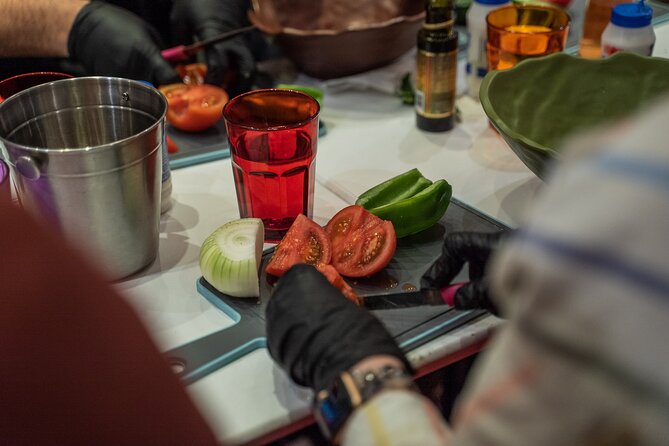
Greek salad is simple by design: tomatoes, cucumber, red onion, olive, and feta with an herby dressing. The power here is learning how to keep it fresh and balanced. People often think Greek salad is “easy,” but the class helps you understand the proportions and the flavor logic so it tastes like it belongs in Greece, not just like chopped vegetables.
Main: gemista (the dish with the learning curve)
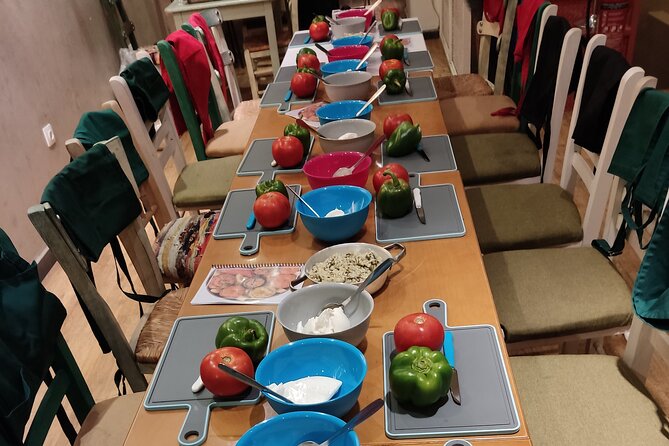
Gemista—stuffed vegetables filled with rice and herbs, baked with potatoes and tomato sauce—is where the class earns its keep. Reviews specifically mention learning new techniques for gemista, and that focus makes sense. Stuffed vegetables need patience and structure: getting the filling right, understanding how it cooks through, and avoiding a result that’s dry or under-seasoned.
If you’ve ever tried gemista at home and wondered why it didn’t taste quite right, this is the moment to fix that. A good chef-led class teaches not just what to do, but how to judge what you’re making while it’s cooking. That feedback is hard to replicate from a recipe alone.
Dessert: chocolate salami (kormos)
Dessert is chocolate salami, also known as kormos (named for its log-like shape). It shows up under a few names, which means the class is also teaching you how Greek desserts travel across regions and families.
And yes, it’s exactly the kind of dessert you might not expect from the name. That surprise factor is good in a cooking class because it keeps your attention high through the end. Plus, dessert gives you a tangible take-home skill: you’ll know how to shape and serve it, not just what it tastes like.
Why the market-to-meal pairing is the real value
A cooking class is usually judged by how good the food is. This one also wins because it teaches you where the ingredients come from and why they matter. Market shopping isn’t just theater—it affects how your lunch tastes.
Here’s what you can learn from this format, even if you’re not a “cook a lot” person:
- You get ingredient intuition: fresh herbs, vegetables, and the building blocks of stuffed dishes.
- You understand Greek flavor priorities: cool, creamy, tangy, herby, and tomato-forward warmth.
- You learn technique by working through a whole menu: you’re not bouncing randomly between dishes.
That’s also why guides like Maria, Kostas, Thelis, and Dinha show up in reviews as standouts. The best instruction isn’t only recipe steps. It’s the context—how the cuisine fits local life—and the small practical tips that make food taste right.
If your goal is to leave with more than recipes, this structure is the difference between a fun afternoon and something you’ll actually use.
Logistics that matter: group size, time, and weather
The experience caps at 16 travelers. For a class with hands-on cooking, that’s a sweet size: you’ll have enough attention from the instructor, and you won’t feel like you’re waiting forever for the next step.
It runs in English and starts at 11:30 am. That timing is ideal if you want a late morning activity that ends with lunch, not one where you’re starving while waiting for food to finish cooking. It’s also better for photos later in the day—because your heaviest meal is handled early.
One practical consideration: the tour requires good weather. Since you’re visiting outdoor open-air markets, don’t book this as your only plan if your day is already at the mercy of rain. The good news is that if weather cancels it, you’re offered a different date or a full refund.
Who this tour suits best
This is a great fit if you:
- Want a hands-on class instead of a demo
- Like the idea of learning recipes tied to actual market ingredients
- Care about Greek food culture, not only cooking steps
- Want a group size where you can ask questions and still get moving
It’s also a strong choice for couples, friends, or a grandparent-grandchild day, because reviews mention that kind of shared experience working out well. And because it ends where it starts at the meeting point, it’s easy to slot into your day without extra guesswork.
If you’re a hardcore foodie who already cooks Greek often, you might still enjoy the technique angle, especially around gemista. But if you’re looking for a long personal kitchen-style masterclass with lots of individual control, you might find the group timing a bit structured.
Should you book this Thessaloniki cooking class?
I think you should book it if you want a clear path from Thessaloniki’s markets to a complete Greek lunch you helped make. The standout ingredients—tzatziki, dolmadakia, Greek salad, gemista, and chocolate salami/kormos—cover a range that teaches you more than one dish. And the repeated praise for guides like Maria, Dinha, Thelis, and Kostas suggests you’ll get more than just recipe instructions.
Skip it only if you strongly dislike shopping in outdoor markets or you hate any schedule that moves as a group. Otherwise, this is one of those “worth it” experiences where the value comes from doing, not just watching.
If you’re in Thessaloniki and you want an authentic meal story you can recreate at home, this one has a lot going for it.
FAQ
What dishes do I make and eat on this class?
You’ll work through a menu that includes tzatziki, dolmadakia (stuffed grape leaves), Greek salad, gemista (stuffed vegetables baked with tomato sauce), and a dessert called chocolate salami or kormos.
Where does the tour start and end?
It starts at Electra Palace Thessaloniki on Aristotélous 9, Thessaloniki, and ends back at the same meeting point.
How long is the experience?
It lasts about 3 hours 30 minutes.
Is the class in English?
Yes, the cooking class is offered in English.
How large is the group?
The maximum group size is 16 travelers.
Is there any requirement about weather?
Yes. The experience requires good weather, since it includes outdoor market time.
What markets are included?
You visit Kapani (Vlali) Market and Modiano Market.
Can I get a refund if I need to cancel?
Free cancellation is offered up to 24 hours before the experience’s start time for a full refund. After that window, refunds aren’t provided.