REVIEW · YANGON
Cooking class in the down town of Yangon, half day tour (07:30 AM – 12:30 PM)
Book on Viator →Operated by Green Season Travel · Bookable on Viator
One morning, you shop and cook in Yangon. This half-day class blends a guided market stroll with a hands-on Burmese cooking lesson, then rewards you with the meal you made. It’s a great way to get your bearings fast—without living in a classroom.
I especially like the market shopping part, because you’re choosing ingredients in real local surroundings. I also like the meal includes a true 3-course lunch, plus coffee, tea, and bottled water—so you’re not hunting for food later.
A potential drawback: the tour asks for a formal dress code, and markets mean a bit of walking and handling ingredients. If you prefer casual comfort for street-level exploring, plan your outfit accordingly.
In This Review
- Key Things You’ll Notice On This Yangon Cooking Class
- Downtown Yangon Timing: What the 7:30–12:30 Half-Day Really Feels Like
- Meeting at 42nd Street and How Pickup Works
- The Market Walk: Burmese Ingredients You Can Actually Recognize
- Why this market part is worth your time
- A note on food during the market stop
- Cooking Class in the Kitchen: Learning Methods, Not Just Recipes
- Tea leaf salad: a standout flavor lesson
- Connecting with the family side
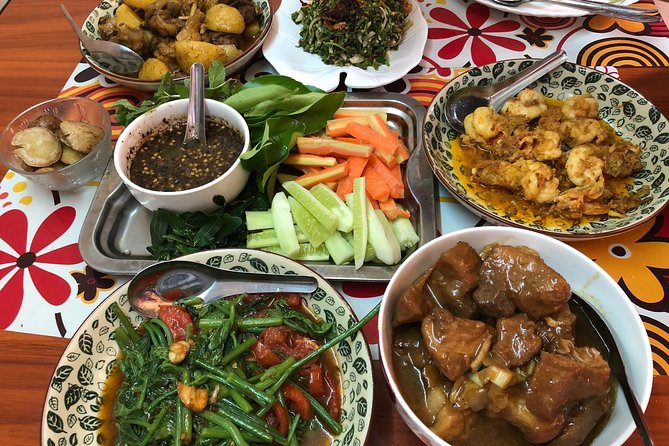
- The 3-Course Lunch You Cooked (Plus Coffee, Tea, and Water)
- Price and Value: Is $99 Reasonable for Yangon?
- Group Size, Privacy Feel, and the Morning Flow
- What to Wear and Bring for a Market + Kitchen Morning
- Who Should Book This Yangon Cooking Class
- Should You Book Green Season Travel’s Half-Day Yangon Class?
- FAQ
- What time does the cooking class run?
- Where do I meet the tour?
- Is hotel pickup and drop-off included?
- Is the tour in English?
- What’s included in the lunch?
- Do I get to try tea leaf salad?
- What should I wear?
- Can I request dietary requirements?
- Does it run in bad weather?
- What is the cancellation policy?
Key Things You’ll Notice On This Yangon Cooking Class
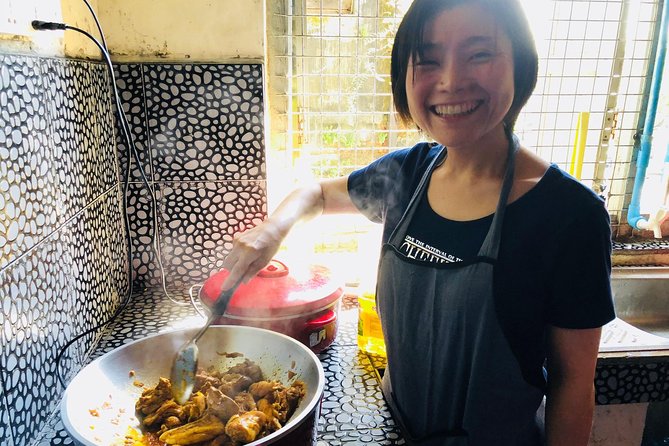
- Local market ingredient shopping with an English-speaking guide in the downtown area
- Tea leaf salad as a featured sample, showing how Burmese flavors balance sour, salty, and fresh
- Hands-on cooking for about two hours, with time to ask questions and learn methods
- A 3-course lunch you helped prepare, plus coffee or tea and bottled water
- Hotel pickup and drop-off plus a mobile ticket, which keeps the morning simple
- Private-group style experience, since it’s only your group participating
Downtown Yangon Timing: What the 7:30–12:30 Half-Day Really Feels Like
This is a morning tour that runs roughly 5 to 6 hours, starting at 7:30 AM and finishing around 12:30 PM. That timing matters more than you’d think in Yangon. You get out early before the day gets hot and busy, and you’re still done before your afternoon plans need you to rush.
The structure is also friendly: you’ll spend time with your guide shopping first, then move into the kitchen to cook, and finally sit down to the meal. There’s no late-day fatigue. You’re in “learning and eating” mode the whole time.
One more practical detail: confirmation happens at booking, and the tour runs in all weather conditions. That means you should dress for possible rain and sun rather than banking on perfect skies.
Meeting at 42nd Street and How Pickup Works
The meeting point is at 42nd Street, Yangon. The tour can include hotel pickup and drop-off, which is a big deal if you’re not staying near the center or you don’t want to manage taxis while you’re hungry and caffeinated.
You’ll likely start by meeting your English-speaking guide and then setting off with the group. Even though this is a group-style tour, it’s described as private in the sense that only your group participates. That usually makes it easier to ask questions, take your time at the market, and cook at your own pace.
From a comfort perspective, plan to be on time. Morning tours in downtown areas tend to stay on schedule, because you need enough time for shopping, cooking, and lunch without feeling crammed.
The Market Walk: Burmese Ingredients You Can Actually Recognize
The first big “aha” is the local market stop. You won’t just look at food—you’ll shop for the ingredients used in the dishes you’ll cook later. That’s one of the reasons this type of class sticks in your memory. You learn the names, you see the forms (fresh, dried, ground), and you understand what’s in the pantry.
Your guide helps you spot typical Burmese cooking ingredients—things you might not easily find in a supermarket back home. The goal is not to memorize a textbook. It’s to connect food ingredients to real hands-on cooking.
Why this market part is worth your time
If you love food travel, a market is where culture shows up fast. You’re watching how people choose, weigh, and talk about ingredients. And when you cook later, it stops being abstract. You’ll know what you bought and why it matters.
A note on food during the market stop
One real example from a recent group: the pickup was by Jack, along with two nieces, and the market stop included breakfast like mohinga. That kind of added start isn’t guaranteed from the basic description, but it gives you a clear idea of how early morning energy can pair with classic Burmese comfort food.
Cooking Class in the Kitchen: Learning Methods, Not Just Recipes
After shopping, you head to the kitchen for a lesson that lasts about two hours. This is the heart of the experience: cooking is interactive, and your guide shows you traditional Burmese methods.
You’ll learn to prepare multiple Burmese dishes, not just one. The exact list isn’t spelled out in detail, but you can expect practical steps and guidance on how flavors come together. You’ll also have a chance to show your own talents if you want—this isn’t a strict “watch and don’t touch” setup.
Tea leaf salad: a standout flavor lesson
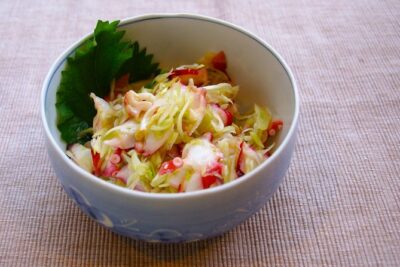
The tour includes sampling tea leaf salad (a Burmese classic). Even if you’re not sure what it tastes like, it’s a great teaching dish because it shows how Burmese food often balances flavors—salty, sour, savory, and fresh all in one plate.
If you usually cook bland food at home, this is where you learn that Burmese cooking often aims for contrast. Your guide can help translate that into steps you can repeat later.
Connecting with the family side
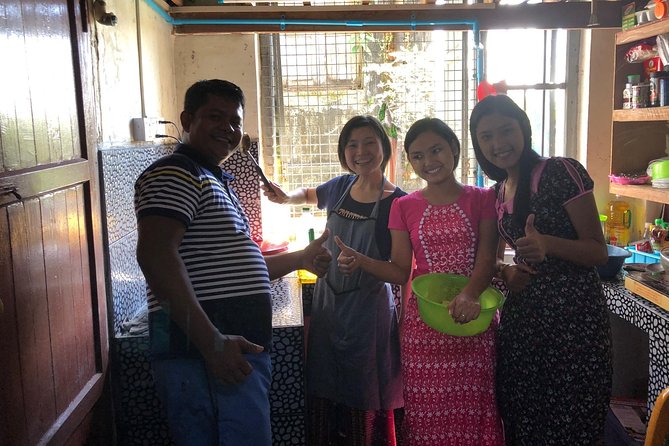
One of the best parts is cultural connection. You’ll chat with your guide, and you may also connect with the guide’s family while preparing the meal. That turns a cooking class into something more human. Instead of treating Burmese food like a performance, you see it as everyday knowledge passed between people.
That “family conversation” element is a big reason these classes feel different from a factory-like cooking tour.
The 3-Course Lunch You Cooked (Plus Coffee, Tea, and Water)
Once the cooking lesson ends, you sit down for a 3-course lunch. The inclusion list is very specific: you’ll get coffee and/or tea, plus bottled water.
That’s valuable because Burmese cooking classes can sometimes end with a small plate and a big bill for drinks. Here, the drink side is handled. It’s easier to relax and enjoy what you made without pulling out cash every few minutes.
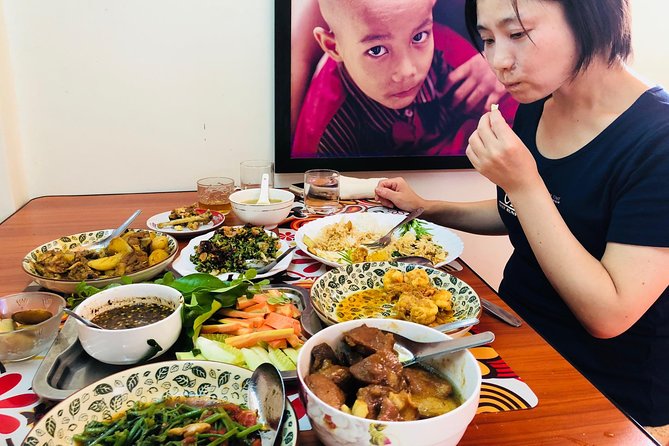
Also, you’re eating what you helped prepare. That matters. When you learn how a salad changes after mixing the right ingredients, you don’t just “try food”—you understand it. And when a dish tastes the way it does, you remember the technique that got you there.
Price and Value: Is $99 Reasonable for Yangon?
The price is $99 for the half-day experience, and that’s a question worth asking honestly. For a downtown Yangon cooking class, this cost can be reasonable if you treat it as a food-and-culture package rather than just a recipe workshop.
Here’s what helps justify the value:
- Market shopping with a professional guide, not just kitchen time
- Instruction plus multiple dishes, not a single demonstration
- 3-course lunch with coffee/tea and bottled water included
- Hotel pickup and drop-off (when selected), which saves time and transportation hassle
- All taxes, fees, and handling charges included
If you’re the type who wants a memorable meal and a story you can tell later, it’s easier to see the value. You’re paying for an experience that moves from ingredient sourcing to cooking skills to a full lunch.
One thing to consider: dietary requirements need to be advised at booking. If you have strict allergies or special diets, make sure you communicate early so the kitchen can adjust. The information provided says they can take dietary needs at booking, but it doesn’t list options on the spot.
Group Size, Privacy Feel, and the Morning Flow
Even though it’s a half-day group tour, it’s listed as private in the sense that only your group participates. That often improves the overall pace. You get less awkward crowding at the market, and it’s easier to ask your guide questions during cooking.
Timing also helps. Starting early gives you enough room for shopping and a full cooking session without the kind of end-of-day rush that can make food classes stressful.
One practical thing: dress code is listed as formal. That’s not “go wear your fanciest shirt for photos.” More like: don’t show up in beachwear or workout clothes. If your itinerary includes temples later, you may already have the right clothes.
What to Wear and Bring for a Market + Kitchen Morning
The tour says formal dress code, and it operates in all weather conditions. So aim for clean, modest clothes you’re comfortable moving in.
You might consider:
- Dressing in layers in case mornings start cool and then warm up
- Wearing shoes you can walk in during the market portion
- Bringing any needed medications and water advice, since you’re out for several hours
If you’re sensitive to smell or spice, you can ask your guide how the dishes are balanced before you start cooking—food classes are usually happy to adjust how ingredients are handled during instruction.
Who Should Book This Yangon Cooking Class
This experience is a strong fit if:
- You want a hands-on Burmese cooking lesson, not a bus-and-market photo stop
- You care about understanding ingredients—what you buy and why it’s used
- You like eating what you cook, immediately
- You want downtime after lunch but still want a “real Yangon” morning
It may not be the best choice if:
- You strictly dislike markets and would rather do a kitchen-only class
- You need a fully casual dress environment
- You have dietary needs that require strict substitutions and you haven’t communicated them in advance
Should You Book Green Season Travel’s Half-Day Yangon Class?
If you’re in Yangon for a short time and you want a morning plan that connects culture to food, I think this is an easy yes. The combo of market shopping, cooking instruction, and a 3-course lunch with drinks included gives you more than most half-day activities.
My only caution is the dress code. If formal clothing is uncomfortable for you, factor that in before booking. Otherwise, this is the kind of tour that leaves you with practical skills and real dishes—plus a market knowledge boost you can use when you eat Burmese food afterward.
FAQ
What time does the cooking class run?
It runs from 7:30 AM to about 12:30 PM (about 5 to 6 hours).
Where do I meet the tour?
The meeting point is at 42nd Street, Yangon, Myanmar.
Is hotel pickup and drop-off included?
Pickup and drop-off are offered, and the tour includes hotel pickup and drop-off as part of the experience.
Is the tour in English?
Yes, the guide is English-speaking.
What’s included in the lunch?
You get a 3-course lunch, plus coffee and/or tea and bottled water.
Do I get to try tea leaf salad?
Yes, the experience includes sampling tea leaf salad.
What should I wear?
The dress code is listed as formal.
Can I request dietary requirements?
Yes. You should advise any specific dietary requirements at the time of booking.
Does it run in bad weather?
Yes, it operates in all weather conditions, so dress appropriately.
What is the cancellation policy?
You can cancel for a full refund if you cancel at least 24 hours before the experience’s start time. If you cancel less than 24 hours before, the amount paid isn’t refunded.