REVIEW · LISBON
Private Traditional Portuguese Cooking Class in Lisbon with Paula
Book on Viator →Operated by Traveling Spoon · Bookable on Viator
Forget Lisbon tour buses; eat in a home. I really like the way this starts in Almada with a short ferry hop and ends at a real family table, and I also like the in-home kitchen style instruction that feels personal. One thing to consider: it’s Paula’s home, so it can be a bit cluttered and there’s a cat around.
You’ll cook 2–3 Portuguese and Portuguese-Goan dishes with Paula in her apartment kitchen, then share the meal with wine, dessert, and coffee or tea. Vegetarian options are easy to arrange, and the class is private for just your group, so you can ask questions without feeling rushed.
In This Review
- Key things to know
- Almada Ferry Start and the Walk That Sets the Tone
- In a Local Home Kitchen, With a Cat (Yes, It’s Part of the Experience)
- The Welcome Drink and Appetizers: Portuguese Flavor Starts Right Away
- What you may cook for starters
- The Main Dish Choice: Bacalhau a Braz or Goan Curry
- How the Cooking Actually Works in a Home Setting
- Dessert, Coffee or Tea, and the Moment You Finally Sit Down
- Vegetarian Options and the Small Logistics That Matter
- Price and Value: What $84 Gets You Compared to a School
- Who Should Book Paula’s Lisbon Cooking Class (and Who Might Not)
- Practical Tips Before You Go
- Should You Book Paula’s Portuguese Cooking Class in Almada?
- FAQ
- Where is the meeting point for the class?
- How does the Lisbon to Almada route work on this experience?
- Is this tour private?
- How long is the cooking class?
- What languages is the class offered in?
- What dishes will we cook during the class?
- Can Paula accommodate vegetarian diets?
- Is this a professional cooking school?
- Can I cancel and get a refund?
Key things to know
- Ferry-crossing start: meet in Cacilhas, take the short Almada ferry, then walk to Paula’s place
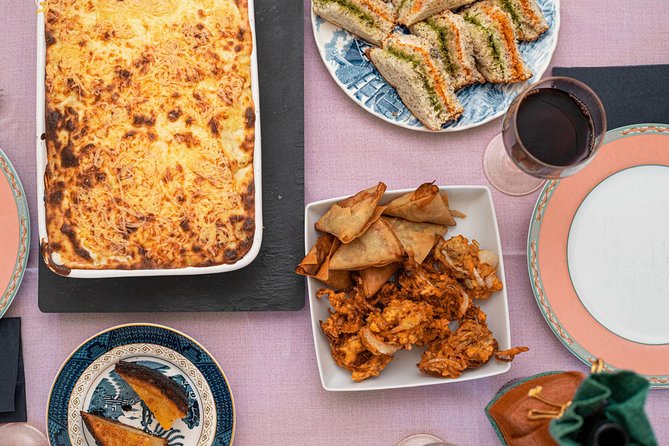
- Hands-on Portuguese and Goan cooking: you make appetizers and a main, not just watch
- Menu choices: options like pataniscas de bacalhau, goan bojas, bacalhau a braz, or Goan curry
- Home-kitchen feel: it’s cultural, not a polished cooking school studio
- Flex for groups: a cooking studio is available on request for larger groups
- Vegetarian-friendly: Paula can cater for vegetarian diners
Almada Ferry Start and the Walk That Sets the Tone
This isn’t a class that begins in a classroom. It starts in Almada, just across the river from downtown Lisbon, and that matters because it changes your day.
You meet at the Dá Cacilhas area (LG Alfredo Dinis, 2800-252 Almada). From there, Paula meets you at the ferry stop in Cacilhas and takes you on a short walk (about 10 minutes) through the center of town to her apartment. The ferry ride is only around 7 minutes, so it feels like a quick change of scenery rather than a big commute.
For me, the win here is that you arrive in local life already. Almada has its own rhythm, and you get a small dose of it before you start cooking. If you like Lisbon but want to spend more time with real neighborhoods than postcard views, this start does the job.
You can also read our reviews of more tours and experiences in Lisbon.
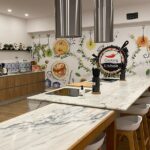
In a Local Home Kitchen, With a Cat (Yes, It’s Part of the Experience)
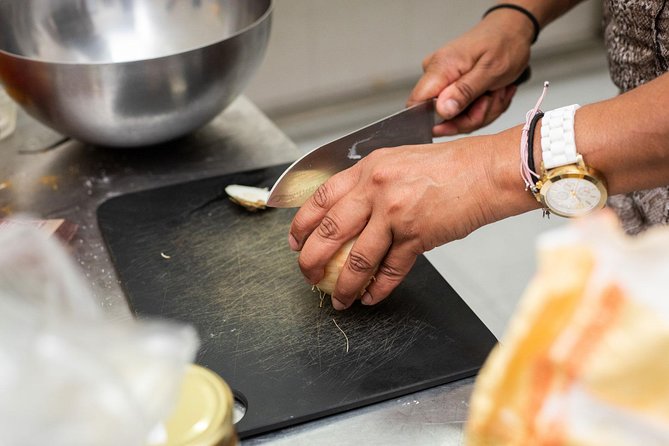
This is not a professional cooking school. It’s an in-home cooking and cultural experience with a local host cooking in her own space.
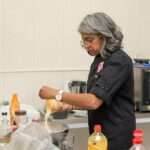
Paula shares her home with family, and she also has a cat. That means the kitchen can feel compact and a bit cluttered, and the layout may be tight when people are gathered around the counter. For most people, that’s exactly why it feels genuine. For you, the key is expectation-setting: you’re stepping into a lived-in home, not a sterile demo kitchen.
The tradeoff is comfort vs. authenticity. If you need a spotless, commercial-style setup, you might find the home setting harder than expected. If you’re happy to relax, roll with normal home-kitchen realities, and focus on learning Portuguese flavors from a person who cooks them daily, you’ll probably love it.
The Welcome Drink and Appetizers: Portuguese Flavor Starts Right Away
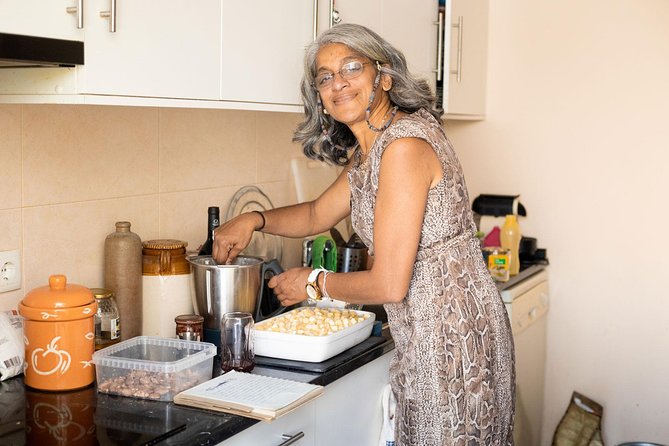
Once you’re at Paula’s place, you kick off with a welcome drink of Portuguese wine and appetizers. This is more than a snack before class. It’s how the evening gets social and relaxed, so you’re not waiting around while people set up.
Then you begin the appetizer stage in Paula’s kitchen. The two-appetizer format is a smart choice because you learn how Portuguese home cooking thinks: texture, balance, and technique, not just final plating.
What you may cook for starters
You can expect options like:
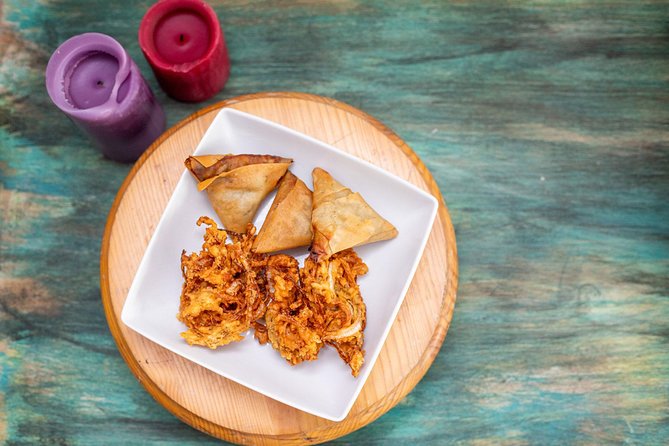
- Pataniscas de bacalhau: traditional Portuguese cod fritters
- Goan bojas: gram flour fritters with onion and cumin seeds
These are very different in feel—Portuguese-style cod fritters vs. Goan flavors that carry cumin and gram flour’s cozy earthiness. That contrast is one of the best reasons to book, because it gives you a wider lens on Portuguese cuisine as it’s shaped by history and migration.
The Main Dish Choice: Bacalhau a Braz or Goan Curry
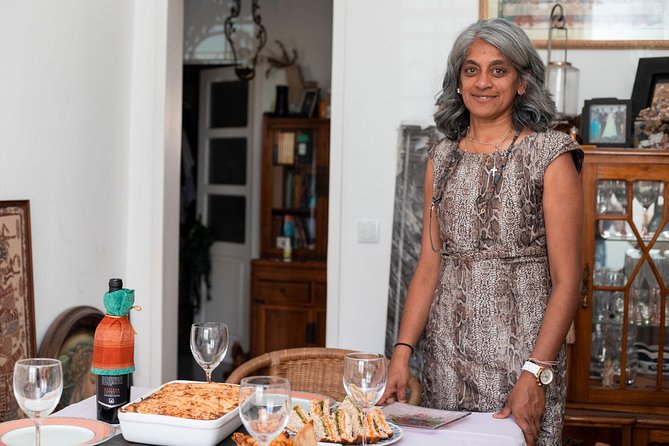
After appetizers, you move into the main dish phase. This is where you get to steer your meal, because Paula offers a Portuguese option and a Portuguese-Goan option.
You’ll choose between dishes such as:
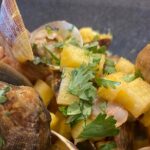
- Bacalhau a braz: cod with shredded potatoes and egg
- Goan curry: a curry option with Goan influence
I like this structure because it keeps the experience flexible. If you’re craving classic Portuguese comfort, you can go with bacalhau a braz. If you want something with a different flavor direction—spice-led and curry-forward—Goan curry is your lane.
Timing-wise, you’ll cook, then eat right after. There’s something satisfying about making a main in the same place you’ll sit down to share it.


How the Cooking Actually Works in a Home Setting
In a cooking-school format, you’re often separated from the mess and heat. Here, you’re involved in the real flow of cooking in a household kitchen.
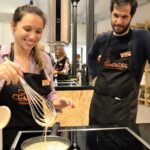
The lesson style is practical: you learn processes like mixing, shaping, frying, and how to manage the rhythm of multiple components (especially when you’re doing two starters side-by-side). The goal is for you to walk away with techniques you can recreate later, not just recipes you read once and forget.
Also, since this is a private experience, Paula can adapt to your group’s pace. She can cater vegetarian choices, and she can also handle different levels of cooking comfort. In some cases, Paula will provide recipes to take home, and she’s helped people figure out where to find specific tin formats used for Portuguese sweets like natas.
One caution: with a home kitchen, the amount of hands-on time can depend on kitchen space and how many people are in your group. If you’re the type who needs constant action at every step, message Paula ahead about what you can expect in terms of hands-on work for your specific group size.
Dessert, Coffee or Tea, and the Moment You Finally Sit Down
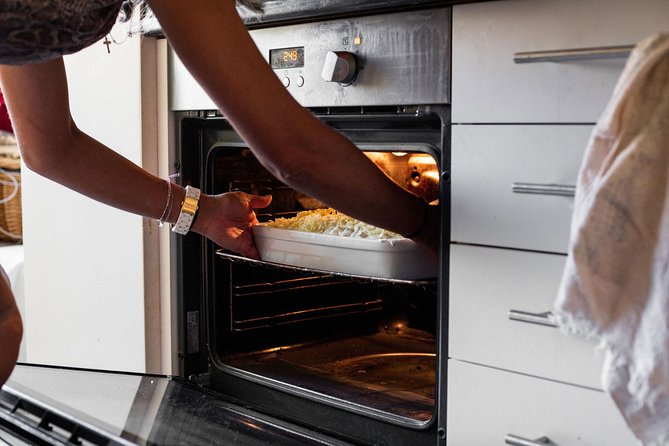
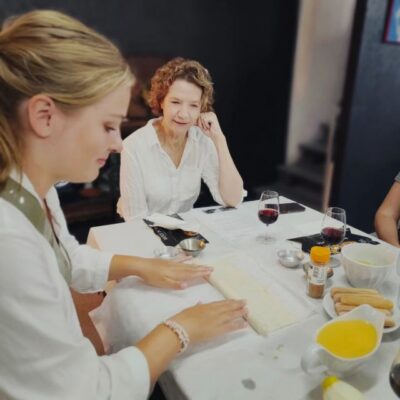
After cooking, you eat together. You can sit down at Paula’s dining table, or if she’s using her cooking studio setup across the street (especially for larger groups), you’ll eat there.
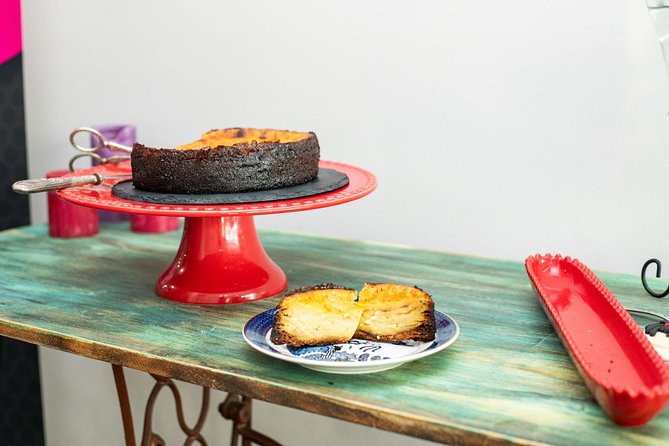
The end of the meal includes a sweet dessert and coffee or tea. Even if you come hungry, plan to pace yourself. You’ve got wine up front, plus fried starters and a main. Portuguese fritters and cod dishes can be filling, and curry mains bring their own weight.
This is also when the conversation usually clicks into gear. The experience is built for chatting while you eat, asking questions, and picking up small cultural details alongside food techniques.
Vegetarian Options and the Small Logistics That Matter
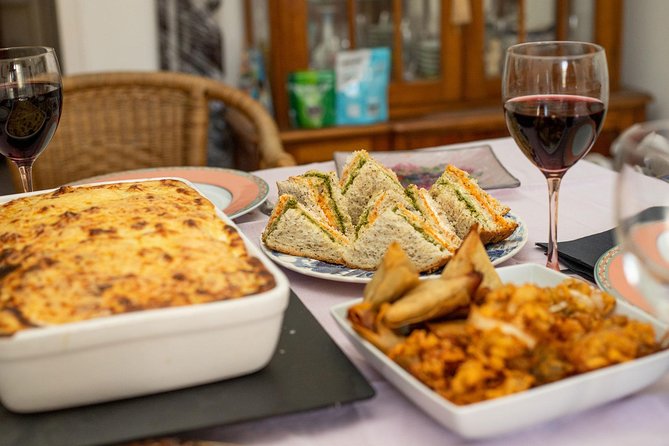
Vegetarian options are stated as easily catered for, which is a big deal for cooking classes. Many food tours can handle dietary restrictions in theory, but fewer can actually build a menu around them.
Here, Paula can adjust so you still get to cook real Portuguese and Portuguese-Goan dishes. If you’re vegetarian (or cooking with someone who is), I’d recommend messaging Paula ahead with specifics. Ask what can be swapped for your starters and main choice. The more clearly you communicate, the smoother the kitchen flow tends to be.
For groups, there’s also a practical note: a cooking studio is available on request to accommodate larger groups. That means the host has a way to manage space and keep everyone cooking rather than turning the class into a bottleneck around a cramped counter.
Price and Value: What $84 Gets You Compared to a School
At $84 per person, you’re paying for something you won’t get in a big commercial class: access to a home, a host who teaches in her daily kitchen, and a menu that spans Portuguese and Goan influences.
Is it the cheapest way to learn Portuguese cooking in Lisbon? No. But it can be a strong value if you care about:
- learning hands-on techniques for specific dishes
- eating the meal you make with wine and dessert
- getting real cultural context from someone living the food daily
- enjoying a private setting with only your group
One less-great point you should consider is that home-kitchen experiences don’t always match the intensity of a pro studio class. If your definition of value means maximum participation at every minute, you should set expectations that you’ll be cooking and learning, but the home space can shape how active you feel at any moment.
My take: at this price, this works best when you want authenticity and a personal host, not just a standardized recipe factory.
Who Should Book Paula’s Lisbon Cooking Class (and Who Might Not)
This class fits best if you:
- want a private cooking experience rather than a shared group tour
- are excited by Portuguese classics like cod fritters and bacalhau a braz
- like the idea of Portuguese-Goan food options alongside Portuguese favorites
- want vegetarian flexibility
- enjoy meeting a host and learning the why behind cooking steps
It might be less ideal if you:
- need a spotless, highly professional kitchen environment
- strongly prefer a large-scale classroom format with lots of standing room and constant motion
- dislike the idea of a cat and a lived-in home space
If you’re in the first group, you’re likely to leave with more than recipes. You’ll come away with techniques and confidence you can use at home.
Practical Tips Before You Go
A few small things can make a big difference:
- Communicate with Paula directly via WhatsApp if you have questions about the menu or meeting location.
- Confirm any dietary needs ahead of time so Paula can plan the right dishes.
- Wear comfortable shoes. You’ll do a short walk after the ferry.
- If you’re traveling with kids, this can be a warmer option than a rigid school setting because the pacing is more human-scaled.
And if you’re the kind of traveler who loves details, take note of what Paula teaches about preparation and timing. Home cooking runs on small cues, and those are the things you’ll remember when you try to cook again later.
Should You Book Paula’s Portuguese Cooking Class in Almada?
If you’re chasing an authentic, personal food experience, I think this is a great bet. The ferry start, the in-home setting, the private group format, and the menu choices that go beyond one narrow style all point to a memorable evening.
I’d hesitate only if you know you can’t handle a home-kitchen reality (cat present, possible clutter, compact workspace) or if you strictly want a high-energy, high-participation studio class every single minute. If that’s you, message Paula first with your expectations so you can confirm how the evening will feel for your group.
FAQ
Where is the meeting point for the class?
You start at Dá Cacilhas, LG Alfredo Dinis, 2800-252 Almada, Portugal.
How does the Lisbon to Almada route work on this experience?
Paula meets you at the ferry stop in Cacilhas, then takes you on a short walk through the town to her apartment. The ferry ride is about 7 minutes.
Is this tour private?
Yes. It’s private, and only your group participates.
How long is the cooking class?
The experience is about 3 hours 30 minutes.
What languages is the class offered in?
The class is offered in English and Portuguese.
What dishes will we cook during the class?
You’ll learn to make 2–3 Portuguese and Portuguese-Goan dishes. Starters can include pataniscas de bacalhau (cod fritters) and Goan bojas (gram flour fritters). For the main, you can choose options like bacalhau a braz or Goan curry.
Can Paula accommodate vegetarian diets?
Yes. Vegetarian options are easily catered for.
Is this a professional cooking school?
No. It’s an in-home cooking and cultural experience with Paula in her home kitchen, not a professional cooking school class.
Can I cancel and get a refund?
Yes. Free cancellation is available up to 24 hours in advance for a full refund. If you cancel within 24 hours of the start time, the amount paid is not refunded.