REVIEW · ZAGREB
Croatian cuisine cooking class with Dolac market tour
Book on Viator →Operated by Zagreb Gourmet Experience, vl. Karmela Karlovic · Bookable on Viator
Dolac has a way of making food feel real. This half-day Croatian cooking class pairs a guided walk through Zagreb’s iconic market with a small-group studio session led by Karmela.
I really like two things about this experience: the Dolac Market tour first, and then the practical hands-on cooking right after. The mix keeps you from just watching and tasting.
One consideration: it’s a 4-hour block, so plan your day around it and arrive hungry so you can enjoy the full meal instead of just snacks.
In This Review
- Key things that make this tour worth your time
- Dolac Market at 10:00: learning what to buy and why
- From market walk to culinary studio: the short transition that keeps it easy
- The 3-recipe plan: starter, main, and dessert across Croatian regions
- Starter: chicken minestrone
- Main: pork tenderloin with prunes in cream sauce
- Dessert: seasonal strudel
- What you’ll eat and how the wine fits in
- Small group benefits: capped at 12, guided by Karmela
- Price and value in Zagreb: what $156.53 really buys
- How to fit it into your Zagreb trip
- Who this is best for (and who might skip it)
- Should you book this Dolac market to-table cooking class?
- FAQ
- Where is the meeting point and what time does the tour start?
- How long is the Croatian cuisine cooking class with Dolac market tour?
- Is lunch included, and what does it include?
- Do I cook during the class or just watch?
- Is wine included with the meal?
- How large is the group?
- What is the cancellation policy?
Key things that make this tour worth your time
- Dolac Market first: you learn what’s local before you cook it
- A small group (max 12): more attention, easier questions
- 3 dishes from different regions: starter, main, and dessert all included
- Wine pairing with your meal: it’s part of the plan, not an add-on
- Cook-led step-by-step instruction: you leave knowing how to recreate the recipes
Dolac Market at 10:00: learning what to buy and why
You start at Ban Jelačić Square (Trg bana Josipa Jelačića) at 10:00 am, and the first stop is Dolac Market. This matters more than it sounds. When you’re shopping for ingredients in a place locals actually use, you pick up shortcuts for later: what looks best, what’s in season, and what vendors typically highlight.
Dolac is described as Zagreb’s oldest and most iconic market, and the vibe is exactly what you want at the beginning of a cooking class. Your guide helps you connect the products you see with the food you’ll make in the studio. That gives the whole day a “market-to-table” logic, so the recipes aren’t random collections of instructions. They’re choices grounded in everyday Croatian eating.
A nice detail from the experience: you get stories and context along the way. That’s where the day becomes more than a shopping trip. You’re learning how people think about ingredients in Croatia, not just which aisle to stand in.
Practical tip: wear comfortable shoes. The market walk comes first, then you’ll head to the culinary studio shortly after. If you’re tempted to do this on a rainy day, bring a light layer. You’ll still want to move at a calm pace and read labels and product signs.
You can also read our reviews of more tours and experiences in Zagreb.
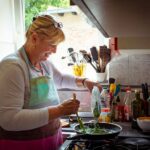
From market walk to culinary studio: the short transition that keeps it easy
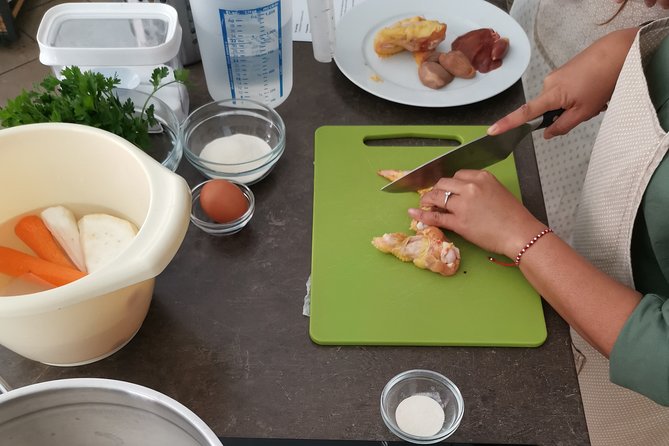
After Dolac, you take a short walk—about five minutes—to the culinary studio. This is one of those small logistics wins that makes a big difference. You don’t lose time getting from place to place, and you don’t arrive to the kitchen frazzled.
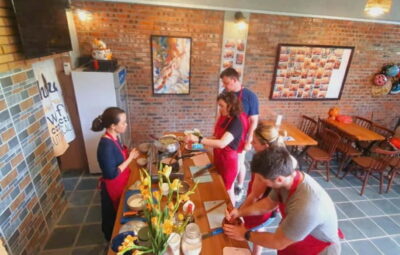
In the studio, everything is set up for cooking, and you’ll be guided step by step through the process. That pacing is important for home cooks. You’re not just getting a recipe card at the end. You’re seeing techniques in action and then repeating them during the class.
One charming touch: the kitchen setting includes an adorable cat, and it basically becomes part of the cast. It sounds minor, but it helps the class feel relaxed and local rather than stiff. You can focus on cooking instead of performing.
Practical tip for your day: since the meal is part of the workshop, don’t overdo breakfast. The class is timed so you can enjoy what you cook.
The 3-recipe plan: starter, main, and dessert across Croatian regions
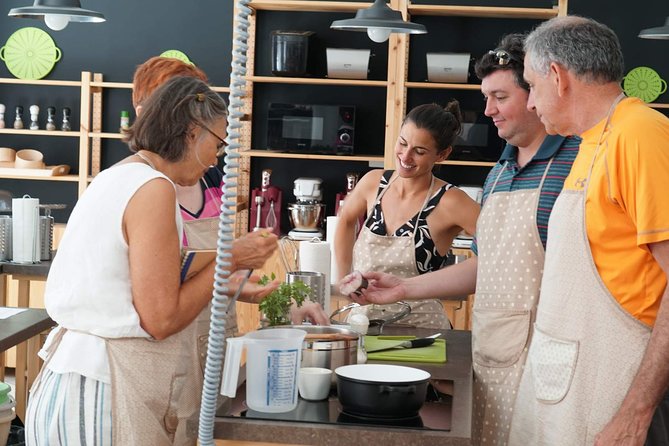
Here’s the structure I like most: you cook three traditional Croatian dishes, each representing a different region of Croatia. That means you’re not just learning one style of cooking—you’re getting a wider picture of what Croatian home meals can feel like.
The class menu is:
- Starter: Chicken minestrone
- Main: Pork tenderloin stuffed with prunes in cream sauce with pasta
- Dessert: Seasonal strudel
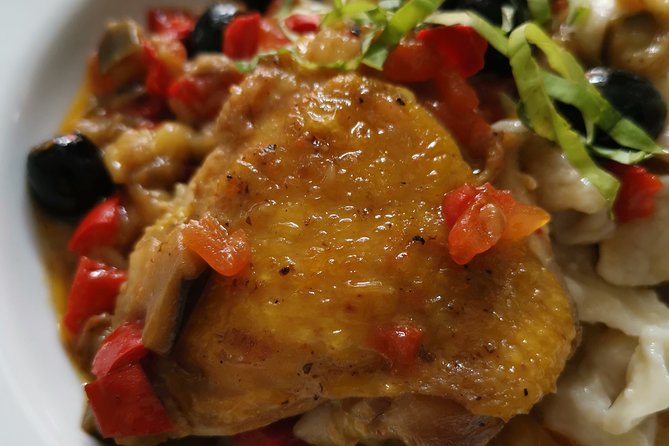
This menu choice does something smart. It balances comfort with range. A minestrone-style starter keeps things approachable and familiar enough to follow. Then you get a main course that shows Croatian flavor logic: sweetness from prunes, richness from a cream sauce, and the backbone of pasta. Finally, the dessert—seasonal strudel—gives you a satisfying finish and a chance to learn a pastry-style technique.
The best part is that you’re not just tasting. You’re preparing each course with guidance. Step-by-step instruction helps even if your knife skills are rusty. You’re learning the sequence, not memorizing isolated steps.
Starter: chicken minestrone
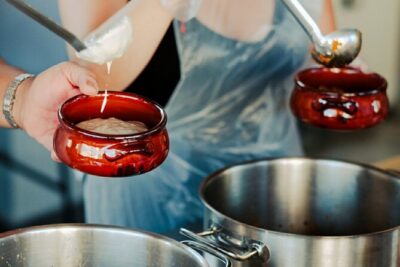
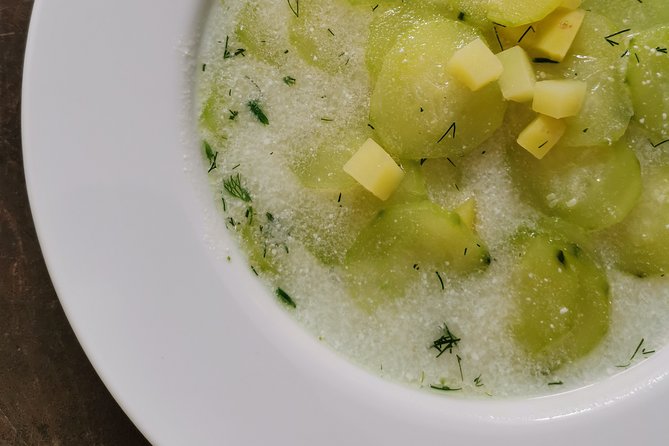
Minestrone usually teaches you how to build flavor gradually—aromatics, vegetables, and a comforting base. In a classroom setting, this is also a great way to get your rhythm. You start cooking early enough that you don’t feel like you’re waiting for the fun part.
Main: pork tenderloin with prunes in cream sauce
This is the course that makes the class feel special. Pork tenderloin is lean compared to other cuts, so it’s the kind of ingredient that benefits from careful handling. The prunes add a sweet note that you’d miss if you only looked at pork as a savory-only protein. The cream sauce ties it together, and the pasta makes it feel like a complete meal, not a plated experiment.
If you’re planning to cook at home later, this dish is exactly the kind of recipe you can adapt: you can swap pasta shapes, but the sauce logic and stuffing idea stay useful.
Dessert: seasonal strudel
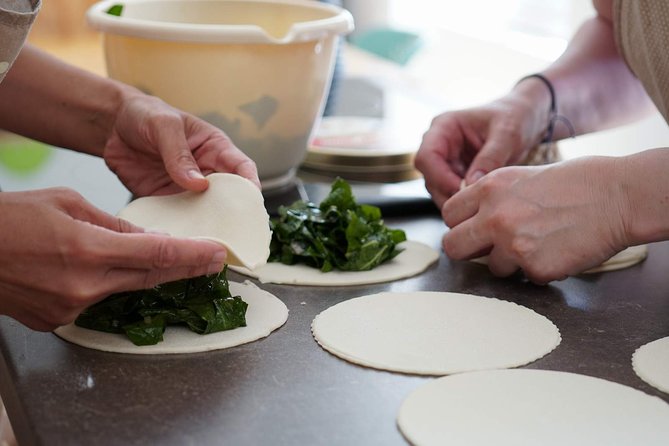
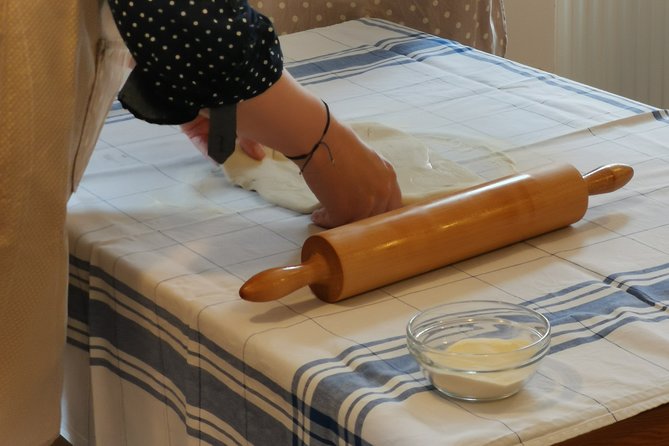
Strudel is a classic that can look intimidating if you’ve only ever seen it in pastry shops. Doing it in a class where you’re walked through the steps makes it much more achievable. And because it’s seasonal, you’re seeing how Croatian sweets can change based on what’s available.
What you’ll eat and how the wine fits in
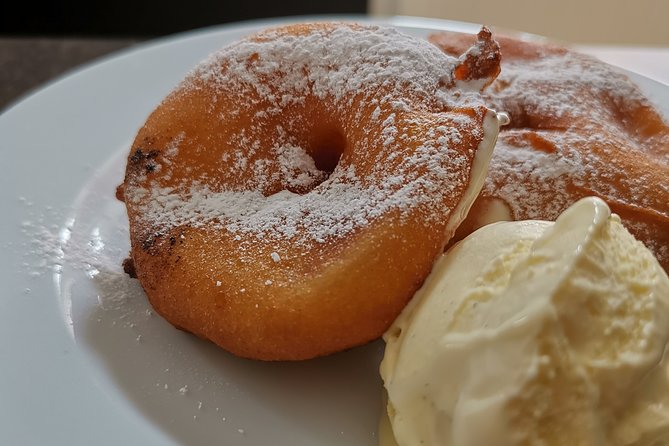
Once you finish cooking, you sit down and eat what you made. There’s no waiting around for a separate lunch at a restaurant. Your meal is part of the class flow, which is a big value boost if you’re trying to keep Zagreb costs under control.
Your lunch includes:
- Everything you cook (starter, main, dessert)
- Pairing with authentic Croatian wine
That wine pairing is a key detail. It’s not just a glass handed out at the end. It’s part of the plan to complement the food you worked on. If you like wine, you’ll probably enjoy how the meal ties together in a way that feels natural.
Also, since you’re eating in the same space where you cooked, the day feels continuous. You’re not mentally switching gears from cooking class to food tour to travel day. It’s one cohesive experience.
Practical tip: if you’re sensitive to wine timing, you can pace yourself. You still get the full dining experience without rushing.
Small group benefits: capped at 12, guided by Karmela
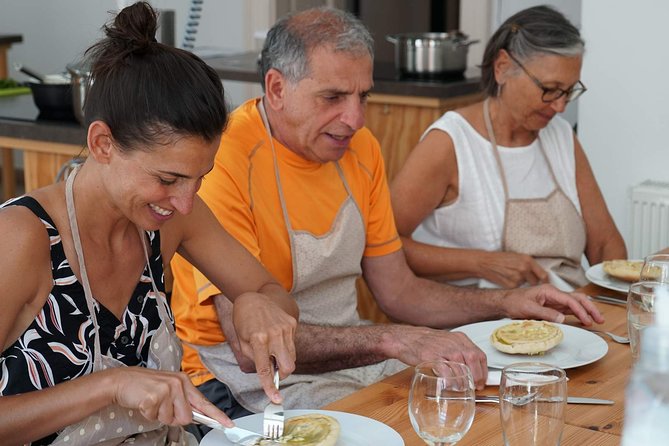
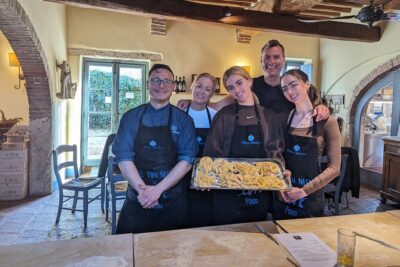
This workshop caps at 12 participants, and that number shows up in how the class feels. In a group this size, it’s easier for the instructor to check in, correct small technique issues, and help you move through each recipe step.
The instructor leading the cooking is Karmela. People highlight her organization and preparation, and that makes sense. When someone is running a kitchen class with multiple courses, the timing has to be tight. Karmela’s approach seems built around making the menu doable while still teaching you something real.
You’ll also get a lot of cultural context while you’re at Dolac. That helps the market tour feel like more than surface-level sightseeing. You get to connect products with stories, and those stories make your cooking feel less like following instructions and more like learning a tradition.
A final note from the way the experience is described: it works well for families too. Kids (when they’re included) can get involved in parts of the process, and the atmosphere stays relaxed.
Price and value in Zagreb: what $156.53 really buys
The price is $156.53 per person for about 4 hours. That’s not a bargain-basement cost, but it’s also not overpriced when you break it down.
Here’s what you’re getting that justifies it:
- Guided Dolac market tour with local context
- A hands-on cooking workshop (not a demo)
- All ingredients included
- Instruction step by step
- A full lunch (3 courses)
- Wine pairing
In other words, you’re paying for three things at once: education, food, and convenience. If you tried to recreate this alone, you’d likely pay for a market guide (or spend time guessing), then pay for ingredients, then pay for a meal somewhere, then add wine later. This class wraps it into one time slot and one price.
If you’re a foodie who likes learning techniques and then using them later, this is the kind of experience that often feels worth it even if you could eat cheaper elsewhere. If you’re purely hungry and don’t care about cooking details, it may feel like paying for instruction you won’t use.
How to fit it into your Zagreb trip
This tour starts at 10:00 am, and it returns to the meeting point at Ban Jelačić Square. That makes it an easier block to place early in your day, especially if you want the rest of the afternoon to explore on your own.
I’d suggest using it as either:
- A strong first “food day” to get oriented around Zagreb, or
- A mid-trip activity that gives you a clear cooking souvenir you can repeat at home.
Also, average booking is about 39 days in advance, so if you’re traveling in a busy season, you’ll want to secure your spot early. Small groups sell out faster than big group tours.
Practical tip: since there’s no hotel pickup and drop-off, plan to reach Ban Jelačić Square using public transportation. It’s near public transit, which keeps things simple.
Who this is best for (and who might skip it)
This class fits you best if you:
- Want a market-to-table experience instead of a restaurant-only meal
- Like hands-on cooking and want recipes you can recreate
- Appreciate Croatian wine and want it paired with the food you cook
- Prefer small groups and a guide who can answer questions without rushing
You might skip it if:
- You don’t enjoy cooking or prefer tasting-only tours
- You’re short on time and can’t fit a 4-hour block into your day
- You’re very picky about trying new combinations, especially the prune-and-cream element in the main dish
Should you book this Dolac market to-table cooking class?
Yes, you should book it if you want a Zagreb experience that teaches you something you can carry home. The strongest selling point is the pairing of Dolac Market context with a practical studio class led by Karmela, capped at 12 participants for real personal attention.
The menu also helps your decision. Chicken minestrone is approachable, pork tenderloin stuffed with prunes in cream sauce with pasta is memorable, and seasonal strudel gives you a satisfying end. Add the included wine pairing, and you’re not just paying for a lesson—you’re paying for a full, enjoyable meal built from what you learned.
If you’re on the fence, ask yourself this: do you want to taste Croatia once, or do you want to learn how to make it again later? This class is built for the second option.
FAQ
Where is the meeting point and what time does the tour start?
You meet at Ban Jelačić Square (Trg bana Josipa Jelačića, 10000, Zagreb, Croatia). The start time is 10:00 am, and the activity ends back at the meeting point.
How long is the Croatian cuisine cooking class with Dolac market tour?
The duration is about 4 hours.
Is lunch included, and what does it include?
Yes. Lunch is included and consists of three courses: chicken minestrone, pork tenderloin stuffed with prunes in cream sauce with pasta, and seasonal strudel.
Do I cook during the class or just watch?
You cook. The workshop includes hands-on preparation of 3 traditional Croatian dishes, with an instructor guiding you step by step.
Is wine included with the meal?
Yes. Your meal is paired with authentic Croatian wine.
How large is the group?
This activity has a maximum of 12 travelers.
What is the cancellation policy?
There is free cancellation. You can cancel up to 24 hours in advance of the experience for a full refund.