REVIEW · CURACAO
Curaçao Cooking Class
Book on Viator →Operated by Helmi Smeulders - Caribbean Chef · Bookable on Viator
Lionfish turns into lunch in Willemstad. In a private cooking class with Chef Helmi Smeulders, you’ll learn what goes into Caribbean favorites and why local ingredients matter.
I love the hands-on pace: you cook in pairs with Helmi and her assistant Riley right there to help. I also like the practical home-cook tips, including the easiest way to clean a mango and how to use ingredients like tamarind and funchi.
One possible drawback: with a 9:30 am start and about 4.5 hours of cooking and eating, you’ll want some breathing room in your day.
In This Review
- Key highlights at a glance
- Why Chef Helmi’s Curaçao Cooking Class feels like a real island kitchen
- Meet Chef Helmi Smeulders (plus assistant Riley)
- The ingredient lesson: tamarind, funchi, fruits, and the mango trick
- Lionfish on Curaçao: why it shows up, and how it gets handled
- Cooking phase: you pick dishes and work them through in pairs
- Lunch outside: wine, coffee, tea, and the satisfaction of eating your own work
- Price and value: is $175 per person worth it?
- How to plan your morning in Willemstad
- What to wear and what to ask so you get the most out of it
- Who should book this Curaçao class (and who might skip)
- FAQ
- How long is the Curaçao Cooking Class?
- What time does the class start?
- Where is the meeting point in Willemstad?
- Who teaches the class?
- Is it a private cooking class?
- What do we do during the class before cooking?
- What ingredients and topics are covered?
- Can I choose which dishes to cook?
- What’s included with lunch?
- Should you book this Curaçao Cooking Class?
Key highlights at a glance
- Chef Helmi Smeulders teaches the class and keeps the stories tied to real ingredients
- Lionfish prep gets full focus, from overview to hunting and filleting concepts
- You taste as you learn, with fruits and vegetables prepared for sampling
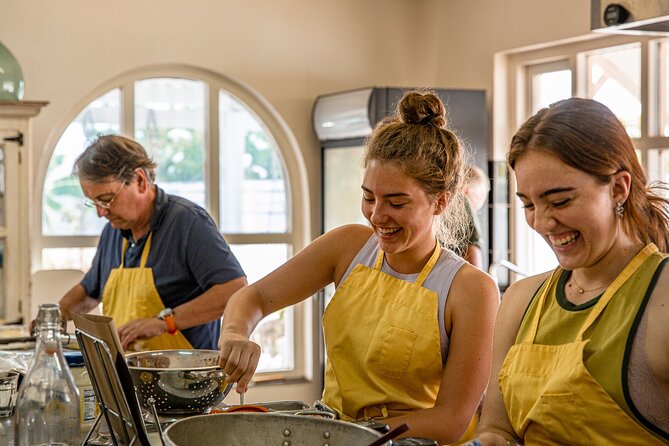
- Cooking happens in pairs, with an assistant (Riley) and Helmi guiding you
- Lunch comes with drinks, plus tips you can actually repeat at home
Why Chef Helmi’s Curaçao Cooking Class feels like a real island kitchen
A Curaçao vacation is best when you trade one kind of sightseeing for another kind of learning. This class does that with food—what you cook, what you taste, and why certain ingredients show up again and again on the island. It’s set in Willemstad, with a schedule that’s built for a morning start and a proper lunch finish.
What I like is that it’s not just a cooking show. You’re working at the counter, handling ingredients, asking questions, and then eating the results together outside at a communal table. That turn—from learning to plate in a few hours—is where the experience earns its value.
And since it’s a small private class with a max of 12 people, the room usually feels manageable. Helmi can keep track of what’s happening, and you’re less likely to get stuck watching while other people do the cooking.
Meet Chef Helmi Smeulders (plus assistant Riley)
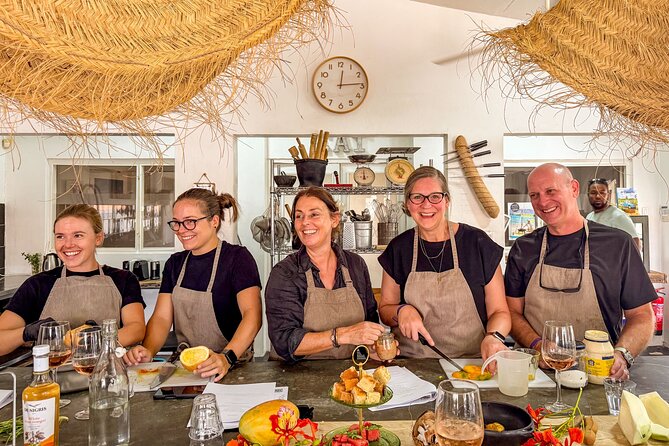
Chef Helmi Smeulders isn’t teaching “generic Caribbean.” She’s teaching Curaçao and the kinds of Caribbean cooking she’s known for, with appearances tied to cooking TV and major kitchen shows. In class, she also brings the human side: the way recipes are handed down through generations and how that affects the way people cook at home.
Her assistant Riley adds a useful layer. When you’re chopping, stirring, or trying a new technique, having a second set of hands and eyes makes a difference. It also helps the class move smoothly so you can spend more time cooking and less time waiting around.
If you like learning from a teacher who explains the reasoning—why you do something one way and not another—Helmi’s approach fits that style well. And if you’re nervous about cooking, that same guidance can help you relax.
The ingredient lesson: tamarind, funchi, fruits, and the mango trick
Before you cook, you get an ingredient education that’s tied to what you’ll actually use. Helmi introduces Caribbean fruits and vegetables and demonstrates how they’re prepared on the spot so you can taste along the way. This is a smart setup because it turns unfamiliar ingredients into something you can recognize with your own senses.
You’ll also hear about island staples and how they behave in cooking. The class highlights ingredients such as tamarind and funchi, which you may not have cooked with before. Even if you’re an experienced home cook, these are the kinds of ingredients that change the flavor profile in a hurry—so it’s worth learning how they’re used here rather than guessing.
One of the most practical takeaways is the mango-cleaning tip—yes, the easiest way to clean a mango. That’s the sort of detail that sounds small until you try doing it yourself at home and realize you’ve been doing it the hard way.
Lionfish on Curaçao: why it shows up, and how it gets handled
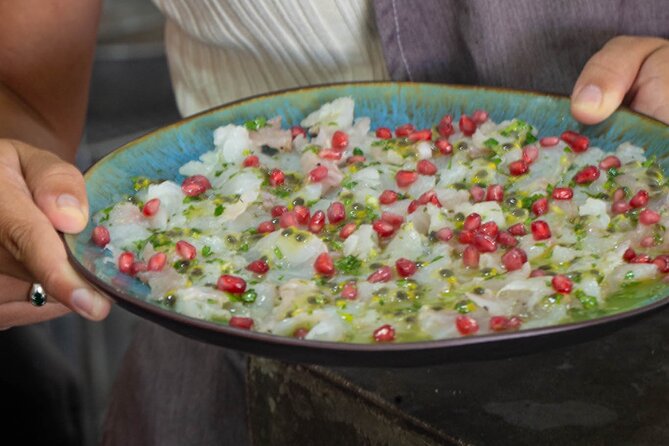
Lionfish is the island’s invasive problem made into dinner—and the class treats it as a real subject, not a gimmick. You’ll get a complete overview of lionfish: the invasive nature, plus preparation concepts that include hunting and filleting.
This part matters for two reasons. First, it gives context so you understand why people talk about lionfish as both an ingredient and an environmental issue. Second, it sets expectations about texture and technique—because fish prep isn’t just about the flavor. It’s also about safety, handling, and consistency.
Even if you choose not to make lionfish (or you’re unsure about it), the lesson can still expand how you think about ingredients on the island. You’ll leave with a story and a framework you can use later when you see lionfish on menus or in local food discussions.
Cooking phase: you pick dishes and work them through in pairs
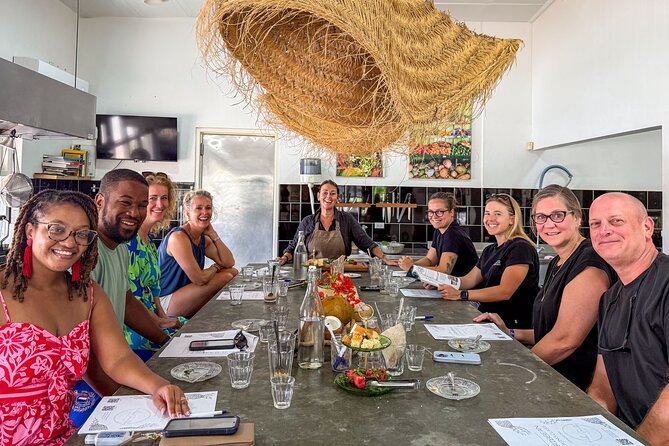
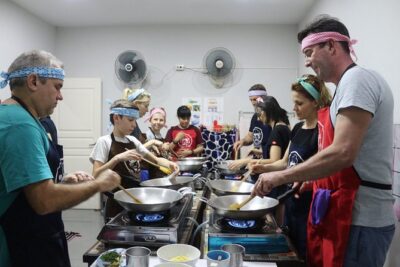
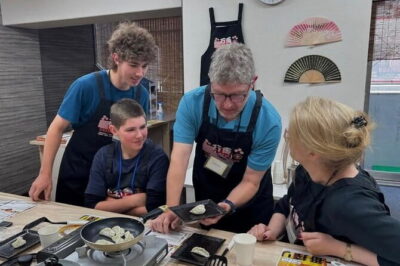
Once the ingredient lesson ends, you move to pots and pans. The class is set up so that you cook in pairs, which is a nice balance: you get help, but you still do the work. Helmi and Riley remain on hand to guide you through the steps.
The menu is part of the process. You can select which of the menu options you want to prepare, so you’re not stuck with a single predetermined dish. That choice is a real advantage if you have strong preferences or if you want a mix of traditional and nontraditional plates.
In a class like this, the biggest skill improvement usually comes from doing the same “small tasks” several times—chopping, seasoning, timing, and tasting as you go. Since this session includes multiple dishes, you’re likely to learn more than you would from a one-dish workshop.
Lunch outside: wine, coffee, tea, and the satisfaction of eating your own work
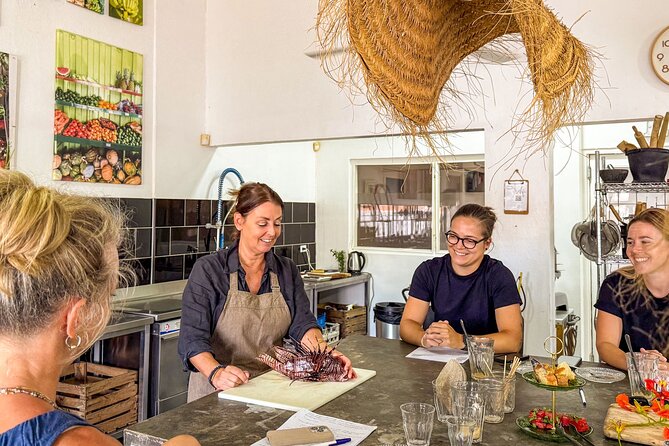
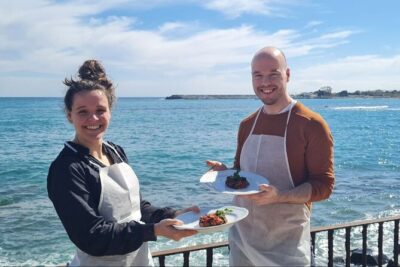
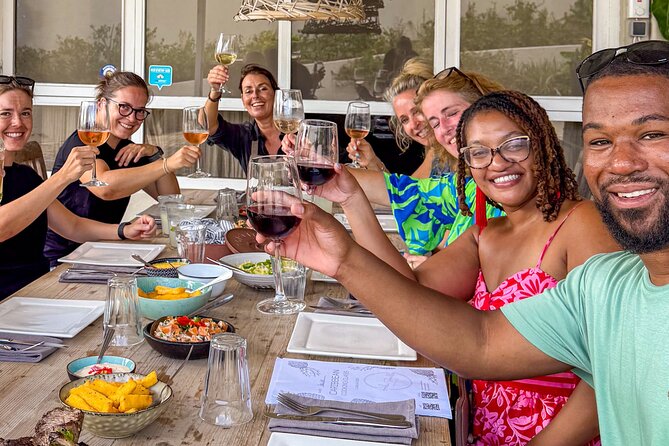
When cooking is finished, you gather at a communal table outside and share the meal you made. Lunch isn’t just included—it’s the point. It’s also where you get immediate feedback on your seasoning and technique, because you taste what you produced with your own hands.
Drinks are included with lunch: wine, coffee, and tea. That matters for value because it makes the whole experience feel like a complete meal event rather than a snack-and-demo format.
Also, eating outside in a shared setting makes it easier to talk to each other in a low-pressure way. You’re not stuck in a classroom. You’re part of the same lunch table, which keeps the mood warm and social.
Price and value: is $175 per person worth it?
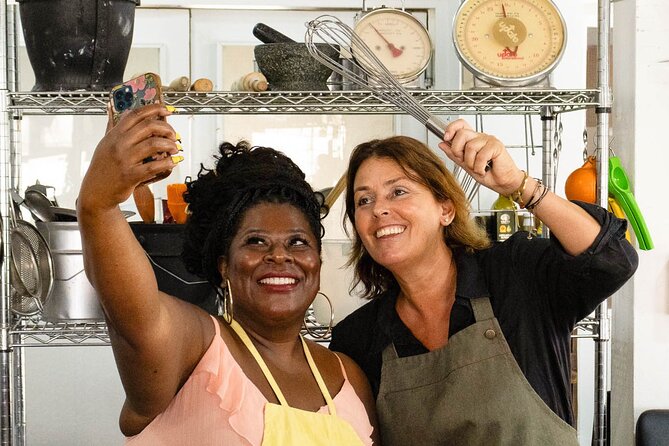
At $175 per person for about 4 hours 30 minutes, this isn’t the cheapest thing you can do in Curaçao. But the math is closer than it looks if you compare it to the full package: a chef-led private class, multiple dishes prepared during the session, and lunch with wine plus coffee and tea.
Here’s where the value comes from:
- Chef instruction plus hands-on work (not just watching)
- Ingredient education you can repeat at home (not vague theory)
- Lunch included, so you’re not paying separately for the food portion
- Small-group attention, since the cap is 12 and you’re paired during cooking
If you’re the type who normally spends on good meals and wants to go beyond eating, this is a strong buy. If you already have a jam-packed schedule or you prefer only food experiences that don’t involve cooking, you might find the cost harder to justify.
How to plan your morning in Willemstad
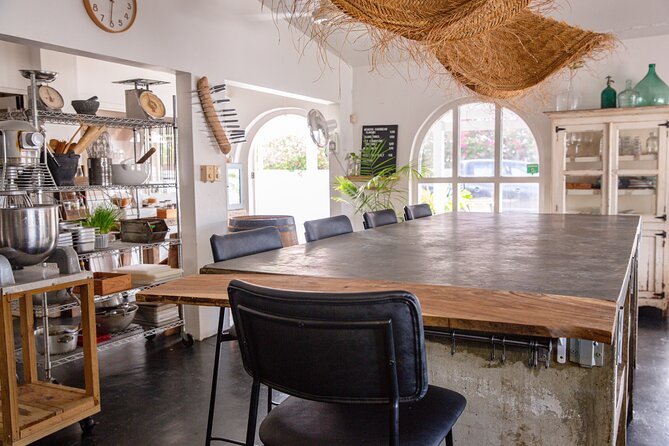
This class starts at 9:30 am and runs about 4.5 hours. That timing is ideal for a day where you still want time later for beaches, museums, or a scenic walk around Willemstad.
Because you’re cooking, plan to arrive hungry but not frantic. Take it easy the night before so you can focus during the ingredient tastings and the cooking instructions. If you’re taking public transportation, the meeting point is described as near public transport, which helps.
Also, think about what you want to do after lunch. You’ll likely feel satisfied but not heavy. Still, you’ll want to keep the rest of the day flexible enough for a slow glide into your next activity.
What to wear and what to ask so you get the most out of it
Cooking classes are practical events. Dress like you’ll be working: comfortable shoes and clothes you don’t mind getting splashed or smelling a little like dinner afterward. Even if you’re careful, Caribbean kitchens can be active.
Before the session really starts, it helps to think through what you want to learn:
- Which dishes are you hoping to cook from the menu options?
- Are there ingredients you’d like to understand better for home use (like tamarind)?
- Do you want to focus on technique rather than just taste?
And if you’re curious about the lionfish segment, ask Helmi what guests usually struggle with during fish prep concepts. A question like that can turn the overview into something more memorable.
The class is also built for people at different skill levels. Beginners benefit from step-by-step guidance. Experienced cooks benefit from learning local ingredient behavior and Curaçao-specific approaches.
Who should book this Curaçao class (and who might skip)
This is a great fit if you:
- want a hands-on food experience instead of another sightseeing stop
- like Caribbean cooking and want specific ingredient knowledge you can use later
- care about local culture through food traditions and how recipes travel through generations
- enjoy learning with a real chef and a focused small group
You might skip it if:
- you only want to eat and not cook
- you have no time buffer for a morning start and a full meal afterward
- you’re not interested in lionfish as a topic or ingredient (even though the overview is still part of the class)
FAQ
How long is the Curaçao Cooking Class?
The class lasts about 4 hours 30 minutes.
What time does the class start?
It starts at 9:30 am.
Where is the meeting point in Willemstad?
The meeting point is Helmi Smeulders – Caribbean Chef at Djonoramarthaweg, Willemstad, Curaçao.
Who teaches the class?
Chef Helmi Smeulders teaches the class, and her assistant Riley is also part of the experience.
Is it a private cooking class?
Yes. It’s described as a private class with personalized attention, and it has a maximum of 12 travelers.
What do we do during the class before cooking?
You learn about Caribbean cuisine and ingredients, including fruits and vegetables, with demonstrations and tasting.
What ingredients and topics are covered?
The class highlights ingredients such as tamarind, funchi, and lionfish, and it includes an overview of lionfish preparation concepts such as hunting and filleting.
Can I choose which dishes to cook?
Yes. You select which menu options you want to prepare, and then you cook them in pairs.
What’s included with lunch?
Lunch includes wine, coffee, and tea, and you eat the dishes you cooked.
Should you book this Curaçao Cooking Class?
If you want a memorable Curaçao experience that mixes culture, real technique, and a meal you can actually recreate, I think this class is a smart choice. The combination of Chef Helmi’s ingredient-focused teaching, the lionfish overview, and the hands-on cooking (plus lunch with drinks) makes the $175 price feel justified—especially if you’d otherwise spend that day chasing food without learning how it’s made.
Book it if you like to learn by doing. Skip it if cooking sounds like work. Either way, plan for a steady morning start and a full, satisfying lunch afterward.