REVIEW · KYOTO
Private Kyoto Cooking Class with Aki in a Beautiful Wooden House
Book on Viator →Operated by Traveling Spoon · Bookable on Viator
A quiet kitchen beats a crowded classroom. This private Kyoto cooking class with Aki turns lunch you can eat into lessons you can use again, with English recipes and a hands-on rhythm. I especially love the home setting—a beautiful wooden house feels calm and welcoming—and the way you can ask questions while you cook. One thing to consider: it starts at 10:30 am, so it’s best if you can plan your Kyoto morning around it.
You’ll spend about an hour cooking, then sit down to enjoy what you made. Menu choices vary with the season, but the style stays comfort-food Kyoto: dishes like miso soup, braised burdock root, and chikuzenni (braised chicken and vegetables) are the kind of flavors you’ll learn to recreate. If you’re hoping for a demo-only class or a fast-moving checklist, this format is more hands-on and slower by design.
In This Review
- Key Things I’d Plan Around
- Why Aki’s Private Kyoto Home Class Feels Different
- Finding the Right Starting Point in Shimogamo Area
- Settling Into a Beautiful Wooden House Kitchen
- How the Cooking Portion Actually Works
- The Seasonal Menu: From Miso Soup to Braised Comfort Foods
- Drinks and the Shared Meal You Cook Together
- What Makes This Class High Value at $95
- The Best Fit: Who Should Book This Kyoto Cooking Class
- Practical Tips for Your 10:30 am Kyoto Morning
- Should You Book This Private Kyoto Cooking Class with Aki?
- FAQ
- What time does the cooking class start?
- How long is the cooking portion?
- Is this a private class?
- Is the class in English?
- What dishes can I expect to cook?
- Is there a vegetarian option?
- Are drinks included?
- Do I get hotel pickup or drop-off?
- What if I have allergies or dietary restrictions?
- Is there any refund if I cancel?
Key Things I’d Plan Around
- Private, home-style coaching in English: You follow recipes and then cook alongside Aki step by step.
- Seasonal menu choices: Expect different dishes depending on the time of year.
- An hour of cooking, then a shared meal: The timing is built for learning first, eating right after.
- Leftovers are part of the deal: You typically leave with more food than you can finish on the spot.
- Dietary options with notice: A vegetarian option is available, and you should mention allergies or restrictions when booking.
Why Aki’s Private Kyoto Home Class Feels Different
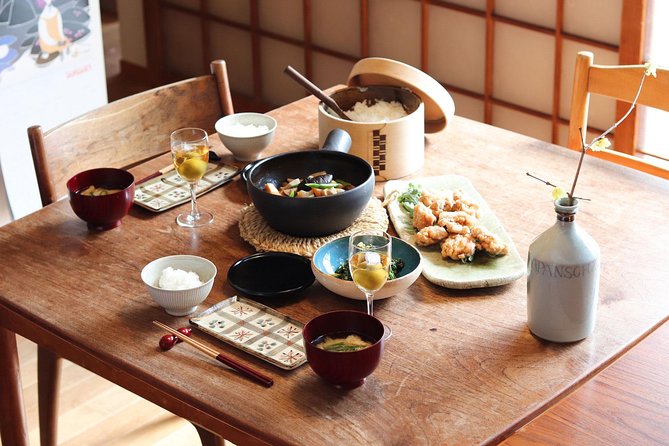
Kyoto cooking classes come in two big styles: noisy group events or quiet, personal lessons. This one goes straight for the personal side. You’re in a private setting, so it doesn’t turn into a crowd where half the room can’t hear or the questions get lost.
The other big win is the home angle. Restaurant menus in Kyoto can be polished and specialized, but home cooking shows a different truth: practical dishes, seasonal comfort, and techniques people use because they actually work. In Aki’s kitchen, you’re learning that kind of approach, not just plating tricks.
You also get a clear learning structure. Aki provides recipes in English and guides you through the cooking process, which keeps you from guessing what’s happening at each step.
One more practical benefit: the pace is designed for you. You can stop, ask, and adjust while you cook, instead of waiting until the end of a workshop.
You can also read our reviews of more tours and experiences in Kyoto.

Finding the Right Starting Point in Shimogamo Area
Your class meets near public transportation, and the listed start point is in the Shimogamo area: Ipponmatsu, Shimogamo Matsunokicho, Sakyo Ward, Kyoto (606-0816). The activity starts at 10:30 am and ends back at the meeting point.
There’s no hotel pickup or drop-off included, so plan to get there on your own. If you like mornings with a plan, this timing is actually a plus: you’ll be done with the main activity well before a late lunch rush.
This also matters because Kyoto can be easier on foot early. If you schedule other sightseeing later, you can use the class as your “structured morning” before you go wandering.
Settling Into a Beautiful Wooden House Kitchen
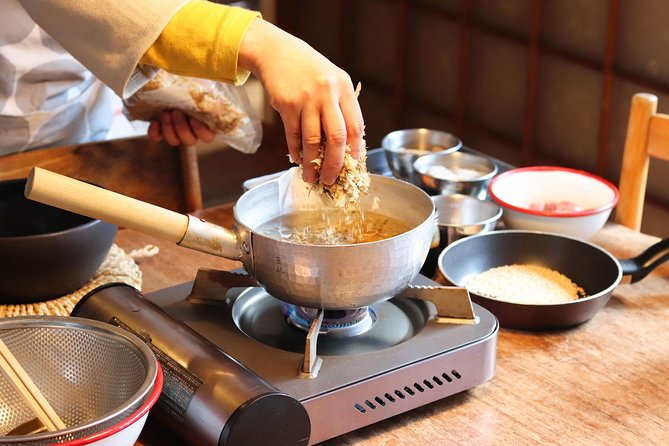
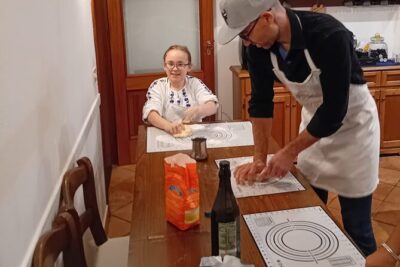
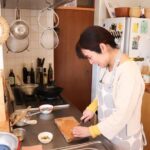
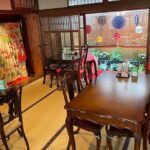
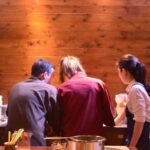
The setting is a big part of why this works. You’re not doing the class in a storefront studio or a slick demo space. You’re in Aki’s home, in a beautiful wooden house—one that naturally makes the experience feel more relaxed.
That calm shows up in how the lesson runs. A private home setting makes it easier to talk with the host, ask about ingredients, and get practical help as you go. It also encourages the kind of conversation that makes food feel like culture instead of a checklist.
And because it’s a private class, you’re not sharing your cooking station with strangers or balancing multiple language levels in the same room. You’ll get a more tailored flow, especially if you’re cooking at a comfortable pace.
How the Cooking Portion Actually Works
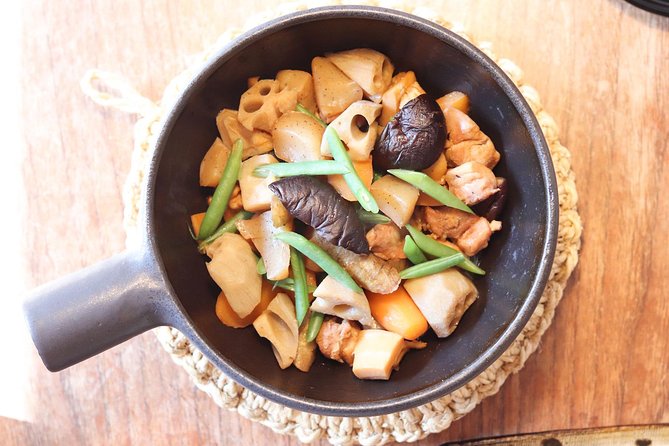
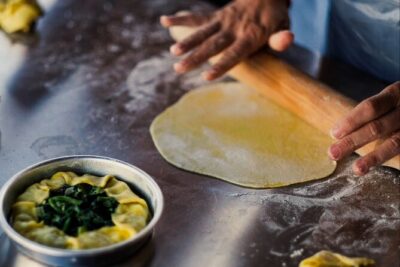
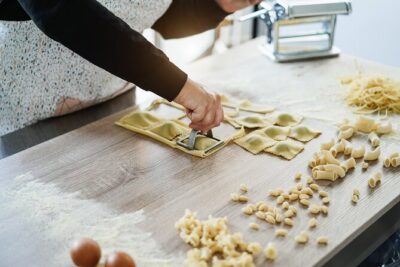
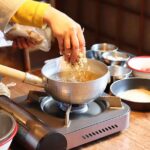
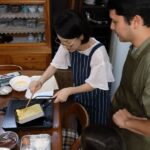
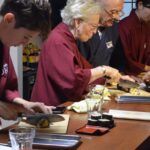
About an hour of the experience is hands-on cooking. Aki walks you through the process, using English recipes to keep you on track. You’ll be doing the work, not just watching.
This format is valuable for two reasons:
First, technique sticks when your hands do the steps. The motion matters—how you handle aromatics, how you portion ingredients, and how you judge timing.
Second, you can ask direct questions. If something looks different than expected—like the texture of a braise or the consistency of soup—you can clarify right then, before it becomes a finished dish you have to live with.
A calm bonus from the reviews: people tend to leave feeling capable. The goal isn’t only to eat well; it’s to understand enough that you can introduce these recipes later at home.
The Seasonal Menu: From Miso Soup to Braised Comfort Foods
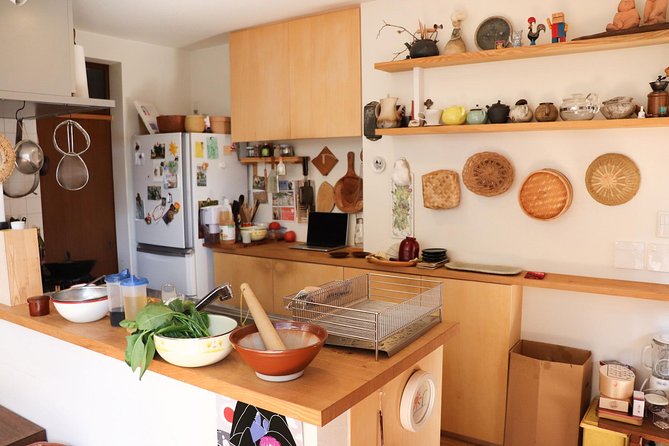
The menu varies with the time of year, so you should treat it like a seasonal selection rather than a guaranteed fixed lineup. Still, the cooking style is consistent: home-style Kyoto food with familiar foundations and special touches.
Sample menu items include:
- chikuzenni (braised chicken and vegetables)
- braised burdock root
- miso soup
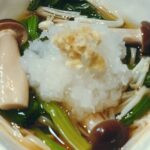
These dishes share a theme: they teach flavors built slowly—broths, sauces, and braising elements that give depth. Even if you’ve had miso soup before, home-style guidance can show you how the ingredients behave and how to aim for a balanced bowl rather than just following a packet.
If you choose the vegetarian option, you’ll want to plan for substitutions based on seasonal availability. The key point is that the option exists, but you should mention needs clearly when booking.
And if you have allergies or dietary restrictions, send the details at the time of booking. This isn’t a “you’ll figure it out later” kind of class. The experience is personalized, so your information helps Aki guide you safely and confidently.

Drinks and the Shared Meal You Cook Together
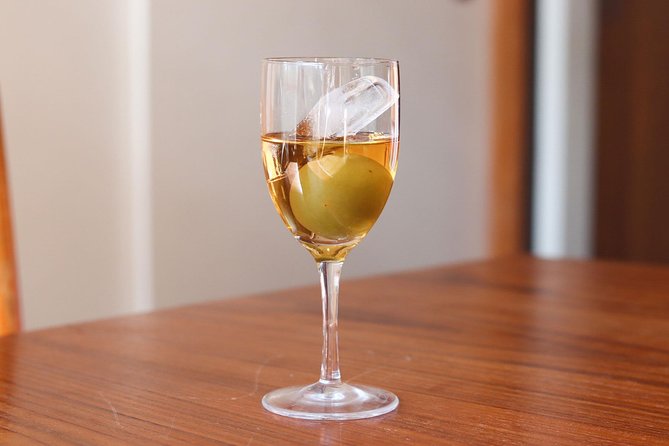
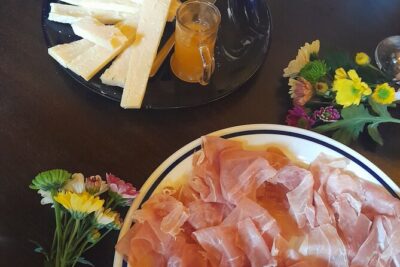
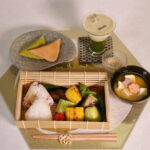
After the cooking portion, you’ll enjoy the meal you helped prepare. The experience is structured so you eat right after learning, which keeps everything fresh in your mind.
On drinks: the overall description says the meal includes alcoholic drinks, while the included items list specifically mentions non-alcoholic beverages. If you care about alcohol one way or another, confirm the exact drink setup at booking so you get what you expect.
Either way, the meal part feels like the payoff. You sit down with the food you made, and it’s easier to connect taste to technique. That’s when things click—like how braising changes texture over time, or how miso flavor settles in soup.
One practical note: the class tends to produce enough food for leftovers. That means you’re not just paying for an hour of cooking—you’re also leaving with take-home value, which helps when you want one less meal to plan later in Kyoto.
What Makes This Class High Value at $95
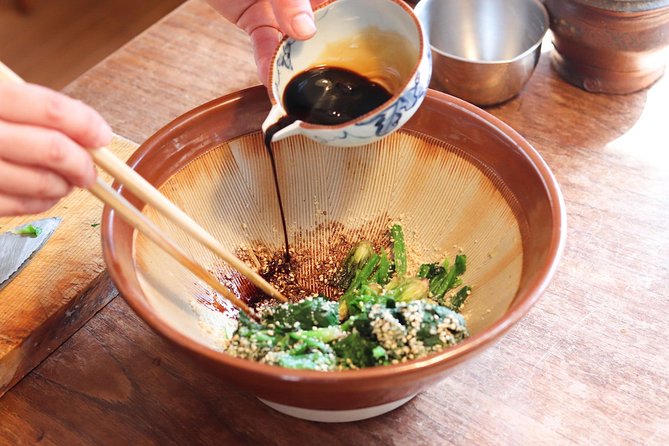
At $95 per person for a 3-hour private class, the price isn’t “cheap,” but it can be strong value for the right traveler.
Here’s why:
- You’re paying for privacy and more personal coaching, not a shared group setup.
- You get a hands-on cooking lesson plus a homecooked meal.
- You receive English recipes and guidance you can use again.
- You may leave with leftovers, which stretches the cost across more than one meal.
Also, this is booked fairly far ahead on average (around 38 days), which usually signals demand for the format. When a cooking class is popular, it’s often because people want that exact combination of home setting, comfort-food learning, and a calm pace.
If you’re in Kyoto for a short time and want one experience that teaches you something transferable, this is a contender.
The Best Fit: Who Should Book This Kyoto Cooking Class
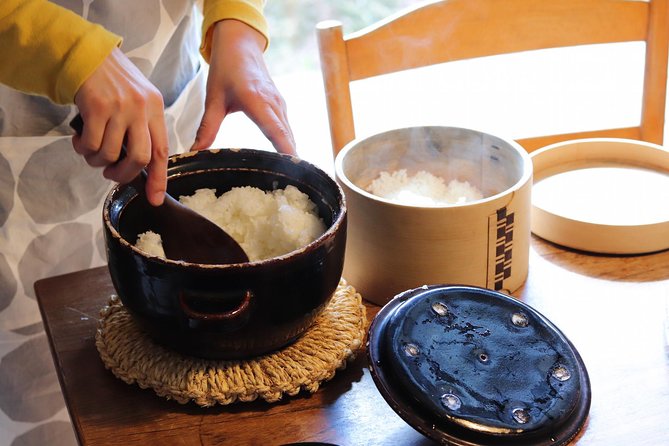
I think this class is perfect if you want:
- A private, hands-on experience in Kyoto instead of a crowded group event.
- Cooking instruction in English with space to ask questions.
- Seasonal Japanese home-style dishes you might not see on typical restaurant menus.
- A relaxed morning plan that includes both learning and eating.
It may be less ideal if you’re looking for a fast, sightseeing-first tour with lots of walking and external stops. This is a kitchen-centered experience, focused on food and technique.
And if you’re traveling solo, couples, or a small group, the private structure is especially useful. You don’t need to fit your questions into someone else’s pace.
Practical Tips for Your 10:30 am Kyoto Morning
A few small planning ideas can make the day smoother:
- Go hungry, but not starving. You’ll cook first, then eat what you make.
- Come with basic food curiosity. If you like learning why things work, ask questions as you cook.
- If you have dietary restrictions, send them at booking time so the plan can adapt.
- Wear comfortable clothes. Cooking can be active, even in a home kitchen.
You’re near public transportation, which helps if you’re mapping Kyoto by train or bus that morning. And since the class ends back at the meeting point, you won’t need a complicated return plan.
Should You Book This Private Kyoto Cooking Class with Aki?
If you want a Kyoto experience that feels personal, practical, and genuinely learnable, I’d book it. The biggest reason is the teaching style: hands-on cooking in a home setting, with English recipes and a pace that lets you ask questions. That combination is hard to find in the cheaper, more generic “watch and eat” formats.
Book it if:
- you like cooking and want techniques, not just recipes
- you prefer a smaller, quieter experience
- you want seasonal Kyoto comfort food like miso soup and braised dishes
- you want food that sets you up for at least one additional meal later
Skip it if:
- you only want restaurant-style plating with minimal cooking
- you can’t handle a set start time at 10:30 am
- you’re not comfortable with a class that centers on doing the work
FAQ
What time does the cooking class start?
The class starts at 10:30 am and the experience lasts about 3 hours.
How long is the cooking portion?
The cooking portion lasts about 1 hour, followed by the meal.
Is this a private class?
Yes. It’s a private, personalized experience with only your group participating.
Is the class in English?
Aki provides recipes in English and guides you through the cooking process in English.
What dishes can I expect to cook?
The menu changes with the season. Sample dishes include chikuzenni (braised chicken and vegetables), braised burdock root, and miso soup.
Is there a vegetarian option?
Yes. A vegetarian option is available if you request it when booking.
Are drinks included?
The experience description says the meal includes alcoholic drinks, and the included items list non-alcoholic beverages. It’s smart to confirm what’s served when you book.
Do I get hotel pickup or drop-off?
No. Hotel pickup and drop-off are not included. The activity ends back at the meeting point.
What if I have allergies or dietary restrictions?
You should advise Aki at booking time about allergies, dietary restrictions, or cooking preferences so the class can be adjusted.
Is there any refund if I cancel?
This experience is non-refundable and cannot be changed for any reason. If you cancel, the amount you paid won’t be refunded.
If you tell me your group size and any dietary needs, I can help you sanity-check whether this class matches your Kyoto schedule and food goals.