REVIEW · TALLINN
Estonian cuisine Cooking Class
Book on Viator →Operated by ToRe Toit Food & Joy · Bookable on Viator
Three hours, one table, real Estonian comfort. I love how this Tallinn class turns local ingredients into hands-on home cooking guided by Reilika, with funny, human stories that explain everyday life in Estonia. You’ll work through a classic 3-course rhythm and sit down to share the meal at the end, not just watch a demo. One thing to consider: the exact dishes can change because Estonia is very seasonal, so you may not get every item shown in the sample menu.
In practice, this is a cozy experience built for real interaction. The small group limit (max 10) keeps it calm, so you can ask questions while you cook and actually taste what you made.
In This Review
- Key Highlights You’ll Care About
- Tore Toit Check-In and the Small-Group Feel That Makes It Work
- The 3-Course Estonian Menu: How Seasonal Cooking Changes the Lesson
- Starter to Bread: Where Estonian Comfort Starts
- Hands-On Main Course: Learning by Doing, Not Watching
- Potato Salad Rules You’ll Actually Remember
- The Blood Sausage and Sauerkraut Combo (and Why It Works)
- Dessert: Layered Gingerbread and Seasonal Fruit
- Eating Together: The Conversation Part You Should Not Rush
- Price and Value: What You’re Really Paying For
- Who This Class Fits Best in Your Tallinn Plan
- Should You Book It?
- FAQ
- Where does the Estonian cuisine cooking class meet?
- How long is the cooking class?
- What is the price per person?
- Is the class offered in English?
- How many people are in the group?
- What kind of meal will you cook?
- Does the menu stay the same all year?
- Do you get a mobile ticket?
- Is it near public transportation?
- What is the cancellation policy?
Key Highlights You’ll Care About
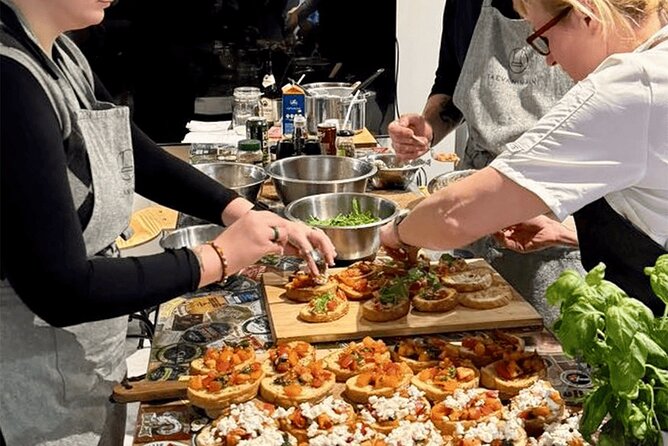
- Make a full 3-course meal from starter to dessert, using Estonian recipes
- Seasonal menu changes with the year, so the best dishes for that moment are what you cook
- Reilika’s teaching style is personal and full of culture, not just instructions
- Real techniques for common classics like potato salad, plus traditional bread
- You eat together at the table, with time to chat and compare flavors
Tore Toit Check-In and the Small-Group Feel That Makes It Work
This experience starts at Tore Toit Estonian Food Experience, Vene tn 33, in Tallinn’s old-town area. Meeting here matters more than you’d think. It keeps the cooking portion focused and lets the whole experience feel like one continuous hangout rather than a rushed “class-and-go” stop.
The tour is in English, and it caps at 10 travelers, which is ideal for hands-on cooking. In a group that small, you’re more likely to be pulled into the work—stirring, chopping, assembling, tasting—rather than hovering near the counter. That’s the kind of setup that helps you learn techniques you can repeat later, at home, without needing a translator or a private chef.
There’s also a mobile ticket, so you can keep things simple on the day. And since the location is near public transportation, you’re not forced into a complicated transit puzzle after the class.
You can also read our reviews of more tours and experiences in Tallinn.
The 3-Course Estonian Menu: How Seasonal Cooking Changes the Lesson
You’ll cook a typical 3-course Estonian meal: starter, main, and dessert. The important detail is that the menu varies based on what’s in season. Estonia leans hard into seasonal food, so this isn’t just a nice-to-know; it shapes what you learn.
In many classes, you’re given a fixed menu and the food is the same year-round. Here, the class is designed around the idea that the best Estonian cooking is built on timing—what’s available, what’s fresh, what pairs well right now. That means your version may differ from the sample, but the teaching goal stays consistent: learn classic dishes and how they’re constructed.
That sample menu gives you a good window into what you might cook:
- Starter with a traditional Estonian entrée plus local bread
- A seasonal main dish with sides
- A local dessert using seasonal ingredients
If you’re the type who likes to plan your meals in advance, this seasonal approach is worth budgeting for mentally. Think of it as choosing the best Estonian menu for the current moment, not chasing one “guaranteed” dish.
Starter to Bread: Where Estonian Comfort Starts
Early on, you’ll get into the starter and bread component. Even if you’re not a confident cook, this part tends to be approachable because bread and starters are how many home kitchens set the tone: they get you working with local staples and familiar textures.
From the class style shown in past menus, you can expect traditional, homestyle flavors rather than fancy plating. A big theme is simplicity with technique. You’re not just tasting ingredients; you’re learning how they behave together—how dough feels, how sauces balance, and how local breads show up at the center of the meal.
This is also a good time to start listening to the stories. Reilika’s way of teaching doesn’t feel like a lecture. It’s more like sitting with someone who grew up with this food and can explain why it shows up the way it does—especially against the backdrop of Soviet-era life and the shift into independent Estonia.
Hands-On Main Course: Learning by Doing, Not Watching
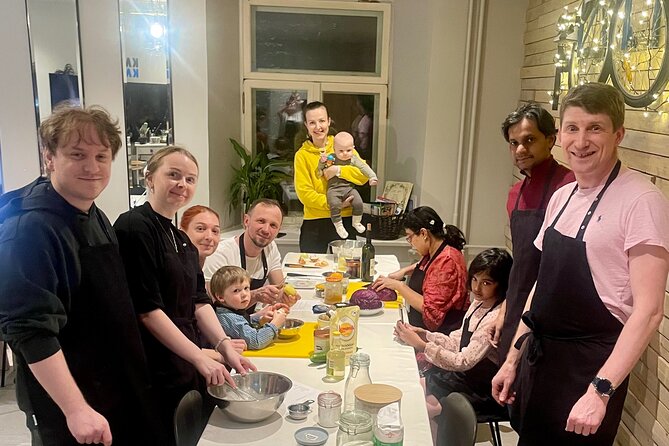
The main course is where the class earns its keep. This is the part that tends to feel most “real home cooking,” with savory dishes that don’t hide behind trickery.
In the sample menu, the main course includes elements like:
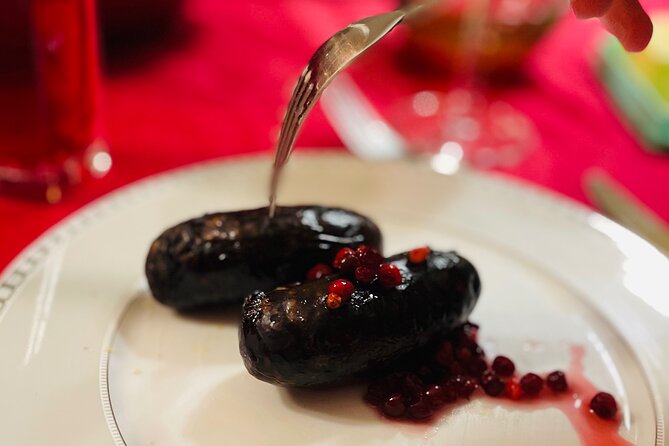
- Roasted blood sausage with potatoes
- Sauerkraut
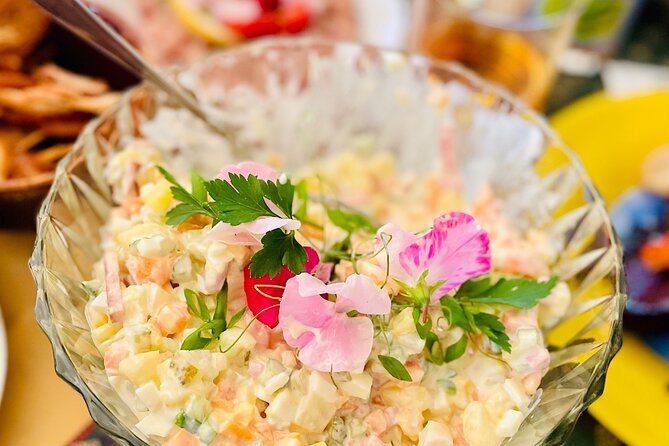
- And sides such as a classic potato salad
Even if your exact main varies with the season, the cooking skills you’re practicing are the same kind you’ll want to replicate later: balancing salty, tangy, and starchy components; learning how to season without guessing; and understanding how sides work as a team.
Potato Salad Rules You’ll Actually Remember
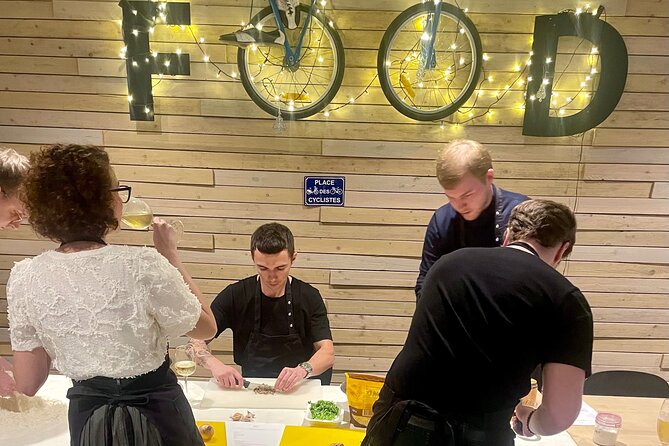
One of the most useful parts of this class is that it teaches “rules” you can carry home. The potato salad lesson comes with clear guidance, including a couple of golden rules that people love because they’re specific and practical.
The tips highlighted from the class include:
- No carrots and no onion in the potato salad
- Mash the egg with a fork
That might sound small, but it’s exactly the kind of detail that separates bland from memorable. If you’ve ever made potato salad and wondered why it doesn’t taste right, this is the kind of local adjustment that fixes it.
There’s also an unspoken lesson here: Estonian classics often depend on texture and restraint. It’s not about piling everything in. It’s about keeping flavors in their lane and letting the dish taste like itself.
And if you’re curious about cultural context, this is a great time to ask questions. Reilika’s stories connect food to everyday life changes—how routines, ingredients, and traditions evolve through major historical shifts. It’s not heavy-handed; it’s more like family memory, shared with humor.
The Blood Sausage and Sauerkraut Combo (and Why It Works)
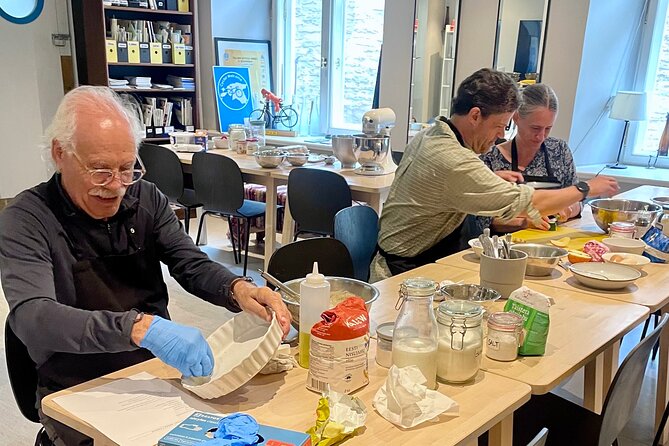
The sample main includes roasted blood sausage with potatoes and sauerkraut, and that combination is a clear example of why Estonian cuisine is so satisfying in cool weather. You get hearty starch, a deep savory element, and a tangy fermented partner that cuts through the richness.
In a class like this, you’re not only learning that the pairing exists. You’re learning how it’s served and how the flavors behave together. Sauerkraut isn’t just “a topping.” It’s a balancing act: salty-sour, firm, and dependable.
If you’re used to milder meat dishes, blood sausage can feel intimidating at first. The class format helps because you’re cooking it as part of a familiar meal structure—potatoes, sides, and seasoning—so it stops being a novelty and becomes a component of a real plate.
Dessert: Layered Gingerbread and Seasonal Fruit
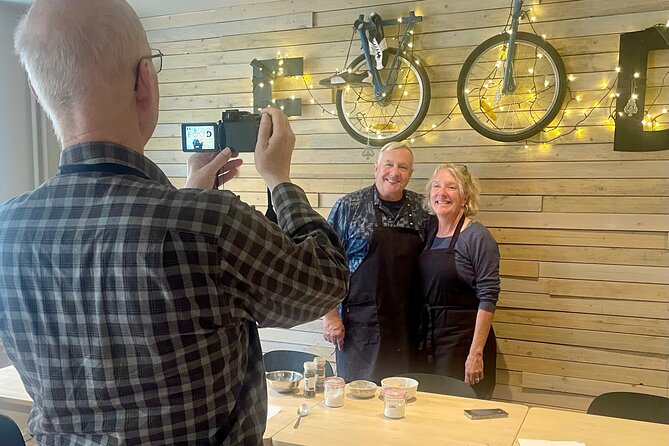
Dessert is not an afterthought here. You’ll make a truly local option using seasonal ingredients, and the sample points to a layered gingerbread dessert featuring red currants and berries.
This part is a nice reminder that traditional Estonian desserts often focus on structure and contrast. Gingerbread brings spice and depth; fruit adds brightness and a slightly tart edge. The result is sweet without feeling one-note.
It also makes a practical takeaway. If you like baking, you’ll likely appreciate that you’re assembling something with a logic—layers that make sense, not just a generic sweet you can’t recreate.
Eating Together: The Conversation Part You Should Not Rush
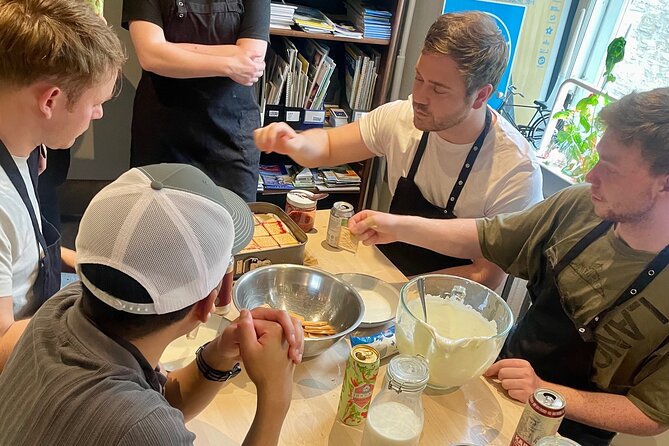
Once cooking is done, you’ll eat what you made together around the table. This is one of those experiences where the food is the hook, but the social part is the memory.
The vibe is informal. It can feel like cooking with a friend and then staying for conversation longer than planned. Reilika’s warmth and humor matter here. People walk in for recipes and walk out with a sense of what these meals meant in different eras of Estonian life.
If you enjoy travel that feels human—not just sightseeing—this is where it clicks. You’ll likely find yourself asking about ingredients, family routines, and why some dishes became daily staples.
Price and Value: What You’re Really Paying For
At $94.82 per person for about 3 hours, this class isn’t the cheapest thing on the Tallinn list. But it also isn’t priced like a quick gimmick. You’re paying for several things at once:
- A small-group, hands-on setup (max 10)
- A full 3-course meal using real local recipes
- Instruction in English from a host who connects cooking to culture
- The chance to sit and eat, instead of leaving immediately after a demo
When cooking classes include ingredients and you leave with a meal you actually consumed, the price often feels more reasonable. Here, the value is stronger because it’s not just technique. It’s technique plus stories plus time at the table.
If you like learning by cooking, it’s good value. If you’re only looking for photos and a quick snack, you might feel it’s more expensive than you expected.
Who This Class Fits Best in Your Tallinn Plan
This works especially well if you fall into any of these groups:
- You want a food-focused Tallinn experience that goes beyond restaurant meals
- You like hands-on workshops where you learn repeatable steps
- You enjoy culture stories that are tied to real daily life, not museum facts
- You’re traveling with a partner or small group and want an activity that feels personal
It’s less ideal if you want a fixed, predictable menu with zero variation. Because the menu changes with the season, you should be flexible and treat it as part of the point.
Also, since the experience ends back at the same meeting point, it’s easy to connect it with other old-town wandering afterward. You’re not stuck on a second-location run.
Should You Book It?
Yes, I’d book it if you want an evening that feels like home cooking in Estonia, not a staged show. The best part isn’t only the dishes—it’s the way Reilika teaches. You get clear, practical food steps, plus context about what shaped these recipes.
Book it soon rather than last minute. The tour’s average booking timing is about 42 days in advance, which usually means it’s popular and dates can fill.
Skip it only if you’re extremely picky about menu certainty or you don’t want to spend a full stretch of time cooking and then sitting to eat. If that sounds like you, choose a restaurant meal instead and keep your schedule ultra-flexible.
FAQ
Where does the Estonian cuisine cooking class meet?
The class meets at Tore Toit Estonian Food Experience, Vene tn 33, 10123 Tallinn, Estonia.
How long is the cooking class?
The duration is approximately 3 hours.
What is the price per person?
The price is $94.82 per person.
Is the class offered in English?
Yes, it’s offered in English.
How many people are in the group?
The class has a maximum of 10 travelers.
What kind of meal will you cook?
You cook a typical 3-course Estonian meal: starter, main, and dessert.
Does the menu stay the same all year?
No. The menu varies because Estonian cuisine is seasonal. The exact dishes depend on the season.
Do you get a mobile ticket?
Yes, the experience includes a mobile ticket.
Is it near public transportation?
Yes, it’s listed as being near public transportation.
What is the cancellation policy?
You can cancel for a full refund up to 24 hours in advance. If you cancel less than 24 hours before the start time, the amount paid will not be refunded.