REVIEW · LISBON
Hands on Portuguese Cooking Class in Lisbon
Book on Viator →Operated by Compadre Cooking School · Bookable on Viator
Lisbon smells like cod and spices. This hands-on Portuguese cooking class at Compadre Cooking School is built around making a full meal step by step, then sitting down together to eat what you cooked. I love the small-group size (up to 12) because you get real attention, and I also love that you take the recipes home so you can recreate the dishes later.
One thing to keep in mind: the class is focused on savory courses, and some sessions may feel light on extras like dessert. Wine can be limited too, and alcoholic beverages aren’t served to participants under 18 (water or tea instead), so plan your expectations around a proper meal rather than a full-on drink-and-sweets event.
In This Review
- Key highlights
- Entering Compadre Cooking School: The Setup That Makes This Easy
- Price and Value in Lisbon: What $82.24 Buys You
- The 3-Hour Plan: From First Prep to Shared Table
- Stop 1: Compadre Cooking School and Your Kitchen Station
- What You’ll Cook: Starter, Cod, and a Portuguese Meat Main
- The Cod (Bacalhau) and Fish Lessons That Change How You Order
- Meat Dishes and Technique: What You Actually Learn at Your Station
- Wine, Non-Drinkers, and Kids: Know What to Expect
- Take-Home Recipes: The Best Souvenir Is Dinner You Can Recreate
- Who Should Book This Lisbon Cooking Class (And Who Might Skip It)
- Should You Book Compadre’s Portuguese Cooking Class in Lisbon?
- FAQ
- Is the class offered in English?
- How long is the cooking class in Lisbon?
- How many people are in the group?
- Where do I meet, and does the tour end nearby?
- What will I cook during the course?
- Is wine included?
- What’s the cancellation rule?
Key highlights
- Your own kitchen station: hands-on prep while the instructor guides you step by step
- Full Portuguese course meal: starter plus fish (often bacalhau/cod) and a meat dish
- Small group (max 12): easier questions, more personal help
- In English: clear instruction if you’re not fluent in Portuguese
- Recipes to take home: practical, not just a one-night demo
- Lisbon meeting point near transit: easier to arrive without stress
Entering Compadre Cooking School: The Setup That Makes This Easy
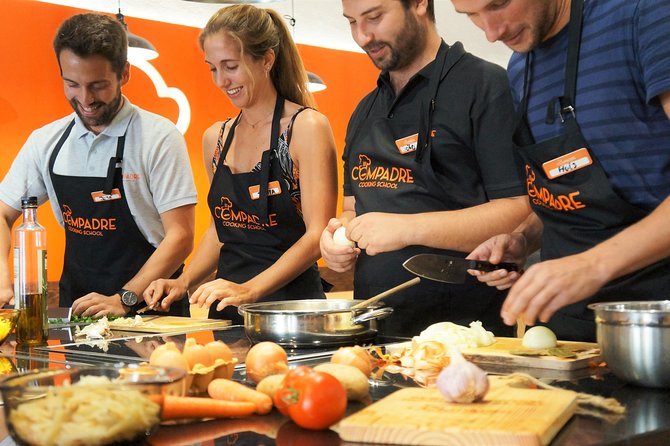
Compadre Cooking School is the kind of place that feels made for learning. You’re not crammed into a giant classroom watching someone else cook. Instead, you’re placed at your own station, which matters because Portuguese cooking is practical: it’s timing, seasoning, and technique, not just recipes on a screen.
The venue is described as spacious, and the group size stays small (up to 12). That combo tends to reduce the usual chaos of cooking classes—less waiting, fewer bottlenecks at cutting boards, and more chance to ask questions before mistakes become permanent. If you’re a first-timer, that’s a big deal. If you cook at home, it still helps because you’re refining method, not just following steps.
The meeting point is clearly set at R. Heliodoro Salgado nº14, 1170-176 Lisboa, Portugal. That’s helpful because the session starts where you’ll actually cook, and it ends back near the same spot.
You can also read our reviews of more tours and experiences in Lisbon.



Price and Value in Lisbon: What $82.24 Buys You
At $82.24 per person, you’re paying for more than ingredients. You’re paying for:
- guided cooking at your station (not a lecture)
- a full course meal structure (starter + multiple mains)
- recipes you can use again at home
- small-group attention from instructors such as Anna and Marta (names that come up repeatedly)
For context, Lisbon has plenty of food tours. But when the experience is specifically hands-on cooking—with take-home recipes and a shared meal included—the value often feels clearer. You leave with something you can repeat, not only memories and photos.
Also, the class is about 3 hours, so you’re not tying up a full evening of sightseeing. It’s a good “food anchor” day: cook, eat, and then go back out to Lisbon with your appetite satisfied and your ordering instincts improved.
The 3-Hour Plan: From First Prep to Shared Table
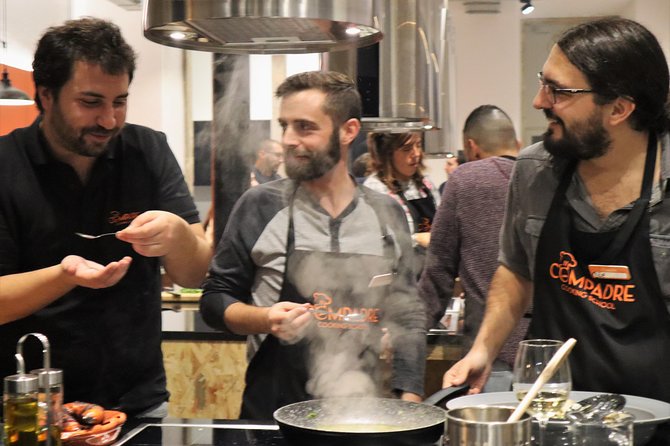
Even though there’s only one stop—Compadre Cooking School—the flow is built like a real meal.
You’ll start in the kitchen, get oriented, and then cook in sequence. The structure is designed so you’re not standing around waiting for someone else’s turn. You prep while the instructor explains the dish logic: what the ingredient is doing, why the seasoning matters, and how Portuguese home cooking balances simple flavors with clear technique.
Then you eat. Sharing the meal with the other small group at the end shows up in the experience strongly. It turns the class into something social and satisfying, not just a cooking task. It’s also where the learning clicks, because you can taste the results of the steps you just did with your own hands.
If you’re planning your day in Lisbon: consider booking this earlier in your trip. A few people note it as a great first taste of Portuguese cuisine because it makes later restaurant choices easier.
Stop 1: Compadre Cooking School and Your Kitchen Station
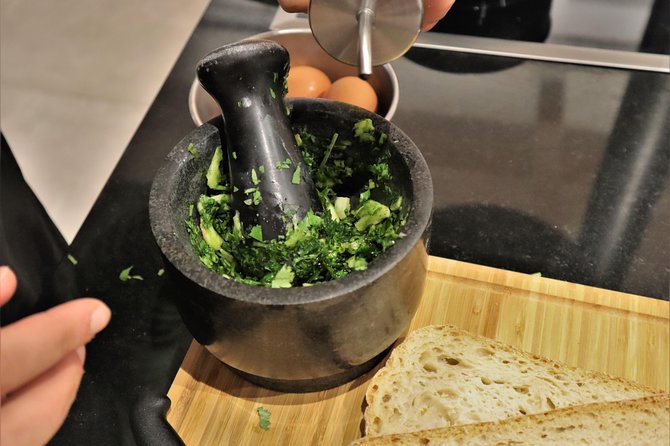
This is the whole experience, and that’s a feature, not a flaw. There’s no time burned on hopping between neighborhoods.
Here’s what’s set up for you:
- a dedicated cooking station so you’re actively working
- step-by-step instruction in English
- a format where the instructor can watch you prep each dish under guidance
The room is described as clean and well organized, with stations set for small groups. In practice, that matters for cooking classes because it reduces the common frustration of cramped counter space and unclear next steps. When the instructor can actually see what you’re doing, it’s easier to correct the way you’re chopping, mixing, or seasoning.
One more practical point: the class includes a central start location and returns you to the meeting point. That’s useful in Lisbon, where you may want to avoid unnecessary walking after a full meal.
What You’ll Cook: Starter, Cod, and a Portuguese Meat Main
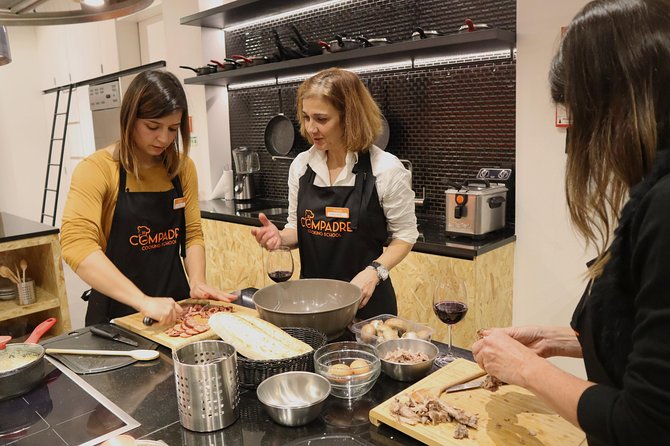
The menu is presented as a traditional Portuguese course meal. The sample plan includes:
- Starter: a traditional Portuguese starter
- Main (fish): a traditional codfish recipe
- Main (meat): a traditional meat dish
Cod is a big deal in Portuguese cooking—specifically salted cod, often referred to as bacalhau. The class isn’t only about making food; it’s also about understanding why cod matters so much in Portugal and how it shows up across different dishes.
In real sessions, you may also hear plenty of talk around peppers and spice. Some instructors and classes focus on flavors linked to Portuguese favorites—think peri peri style heat and the way peppers change the character of a dish. There are also mentions of shrimp prep, including removing heads and deveining. If you’re sensitive to that kind of prep, read that as your heads-up: this is hands-on cooking, not only assembly.
Some sessions may vary what’s on the menu, but the consistent promise remains: you learn a full meal structure, not random cooking demos.





The Cod (Bacalhau) and Fish Lessons That Change How You Order
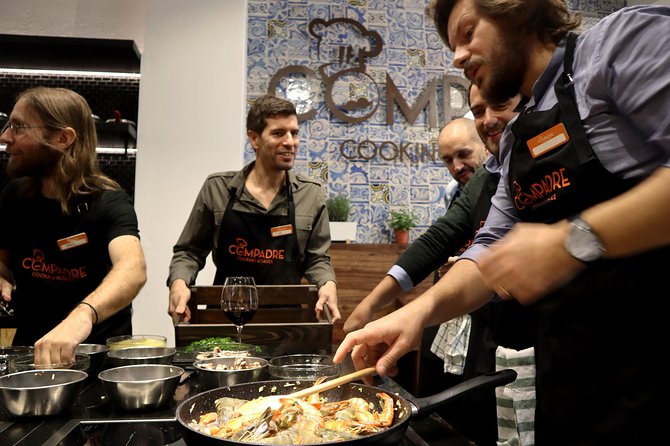
If there’s a standout theme, it’s fish—especially cod. Portugal treats bacalhau like a culinary language. It can be cooked in many ways, and the key is learning how salt cod changes texture and flavor compared with fresh fish.
During the class, you’ll get practical context around bacalhau and why it’s so tied to national cooking. That matters when you later look at menus in Lisbon. Instead of reading descriptions like a guessing game, you start recognizing what the dish is likely doing: how it might be salted, how it’s balanced with herbs or seasoning, and how it’s typically served.
You’ll also get better instincts about spicy pepper choices. If you like food with heat, you’ll likely leave with an understanding of which peppers show up and how Portuguese versions taste compared with what you might be used to elsewhere.
Meat Dishes and Technique: What You Actually Learn at Your Station
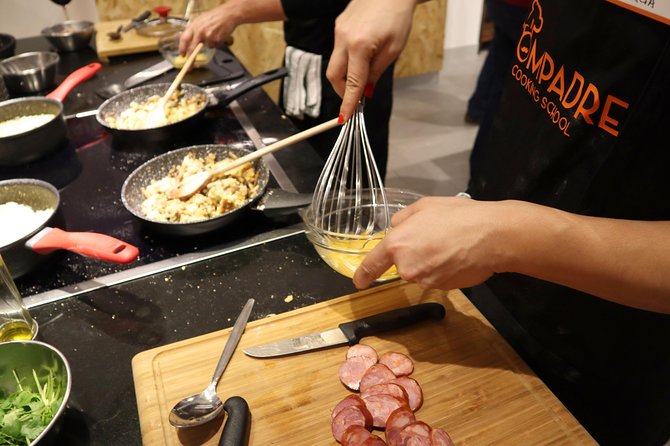
The meat course is part of the “full meal” promise, so it’s not just a token second dish. You’ll get a traditional meat dish taught with the same step-by-step approach.
What I like about this setup is that it trains technique you can repeat at home:
- prepping ingredients the Portuguese way (cutting, portioning, and sequencing)
- working with seasoning patterns that show up in classic menus
- learning how the timing of one dish affects the next
For cooks at any skill level, this is the real value. Even if you don’t make the exact same dish at home, you’ll probably bring home improved confidence: you’ll know what to watch for and how to adjust seasoning as you cook.
And because you cook in a small group with an instructor watching, you’re less likely to waste a whole pot or ruin a tray from one missed step.
Wine, Non-Drinkers, and Kids: Know What to Expect
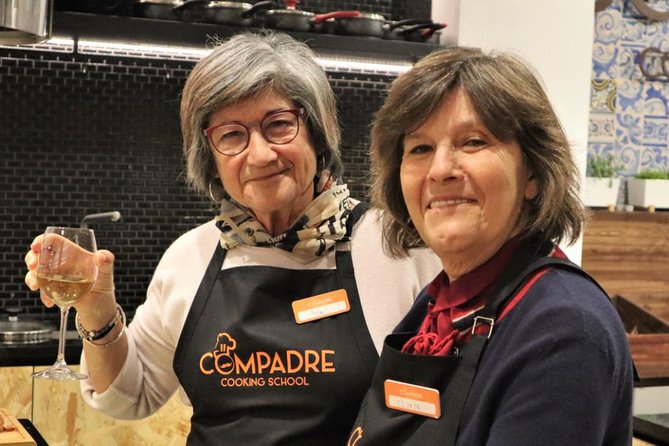
Alcohol shows up as a practical detail. The policy is clear: alcoholic beverages won’t be served to participants under 18, with water or tea as substitutes.
One review consideration that stands out: wine may be limited. Some people mention only one bottle of wine offered for multiple adults, while others describe generous wine during lunch. So the safest expectation is this: you can enjoy wine if it’s offered, but treat it as an add-on, not guaranteed unlimited pairing.
If you’re traveling with kids, there’s also a rule to plan around: children up to 17 must be accompanied by a participating adult (plus 18 years old). That makes sense for a hands-on kitchen where supervision matters.
Bottom line: this is a cooking-first class. If your ideal food memory includes dessert and a long wine flow, you might feel underwhelmed. If your goal is to learn Portuguese cooking methods and eat what you made, it fits well.
Take-Home Recipes: The Best Souvenir Is Dinner You Can Recreate
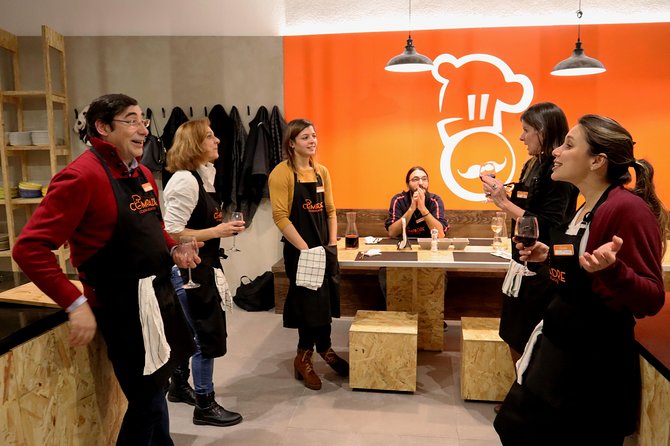
One of the biggest reasons this class gets strong recommendations is simple: you leave with recipes. That turns the experience from a single night into something you can repeat.
Look at it this way. In Lisbon you can always find Portuguese food. What’s harder is getting the method and proportions that let you cook it at home with confidence. Recipes help you recreate the starter and mains, and they also give you a framework for trying other variations later.
Also, when you understand the “why” behind key ingredients—like cod and Portuguese pepper flavors—you’ll be able to make better choices in your own kitchen. Even if you swap one ingredient, you’ll know what kind of flavor profile the dish is aiming for.
If you’re the type who hates food souvenirs that sit in a drawer, this one checks the box.
Who Should Book This Lisbon Cooking Class (And Who Might Skip It)
This experience is a strong match if:
- you want a hands-on food activity rather than a tasting-only tour
- you cook at home or want to start cooking more often
- you like learning context, not just eating
- you prefer smaller groups for better instructor attention
It’s also a great option for couples and small groups, especially because the space is set up for station work and the shared meal at the end builds a social vibe without feeling forced.
You might reconsider if:
- you’re expecting dessert as a guaranteed included course
- you want an alcohol-heavy evening (wine can be limited and non-alcohol options are substituted for under-18 guests)
- you dislike hands-on seafood prep, like deveining shrimp, if your session includes it
Should You Book Compadre’s Portuguese Cooking Class in Lisbon?
Yes—if you want a practical, repeatable Lisbon food experience. The class is priced like a serious workshop, and the value holds up because you get your own station, a full Portuguese course meal structure, and recipes you can actually use.
Book it especially if you’re early in your trip and want to learn how Portuguese flavors work before you hit restaurants. And if you’re planning your evening, it’s a smart use of time: about 3 hours, one focused location, and then you’re free to explore Lisbon with a better sense of what you’ll enjoy ordering.
If your top priority is dessert or a long wine pairing event, you may feel it’s more balanced toward cooking and savory food than toward “party food.” But for many people, that’s exactly why it works.
FAQ
Is the class offered in English?
Yes. The cooking class is offered in English.
How long is the cooking class in Lisbon?
The experience runs for about 3 hours.
How many people are in the group?
The class has a maximum of 12 travelers, which keeps the focus on hands-on instruction.
Where do I meet, and does the tour end nearby?
You meet at Compadre Cooking School at R. Heliodoro Salgado nº14, 1170-176 Lisboa, Portugal, and the activity ends back at the meeting point.
What will I cook during the course?
The sample menu includes a traditional Portuguese starter, a fish main with cod, and a traditional meat main.
Is wine included?
Alcoholic beverages are not served to participants under 18. The info says wine is not served to minors; water or tea is substituted. For adults, wine is mentioned as being offered, but the data does not specify unlimited amounts.
What’s the cancellation rule?
You can cancel for a full refund up to 24 hours in advance.