REVIEW · SARAJEVO
Experience Sarajevo: Bosnian Cooking Class
Book on GetYourGuide →Operated by Sarajevo Experiences · Bookable on GetYourGuide
Warm food plus good company. This Sarajevo cooking class with a local family turns shopping and cooking into a real-life taste of everyday Bosnian life. What I love: hands-on cooking with hosts Danijela and Armin and the farmers’ market ingredient hunt with your guide.
The main thing to consider is that it moves at a lively pace in a small 6-person group, so you’ll want to be comfortable jumping in and staying engaged.
In This Review
- Key Highlights You’ll Actually Feel
- A Sarajevo Home-Cooked Lesson Feels Different
- Meeting Your Guide in Sarajevo and Getting Oriented
- The Farmers’ Market Stop: Where the Flavor Begins
- The Ride to the Home and the Switch Into Cooking Mode
- Bosnian Coffee, Wine or Rakija, and the Meal Plan
- Cooking What You’ll Actually Recognize: Burek, Pies, and Sarma
- A simple way to get the most out of it
- Lunch and Tasting: You Eat the Results, Not Just the Lesson
- Don’t skip tasting time
- Recipes and Explanations: Turning a Fun Day Into Real Skill
- Price and Value: Is $106 for 4 Hours Reasonable?
- Who This Sarajevo Class Fits Best
- Should You Book This Sarajevo Cooking Class?
- FAQ
- How long is the Sarajevo cooking class experience?
- Where does the experience start and end?
- Is the group small?
- What do we do during the class?
- What dishes are included?
- What language is available for the host or greeter?
- What’s included in the price?
- What’s the cancellation and payment flexibility?
Key Highlights You’ll Actually Feel
- Farmers’ market shopping with a local guide for fresh ingredients before you cook
- A home-kitchen setting hosted by Danijela and Armin, not a classroom setup
- Bosnian coffee plus local wine or rakija during the experience
- Hands-on lessons that walk you through each stage, not just watching
- Recipes and explanations you can use again at home
- You eat what you make, with time for a proper lunch and tasting
A Sarajevo Home-Cooked Lesson Feels Different
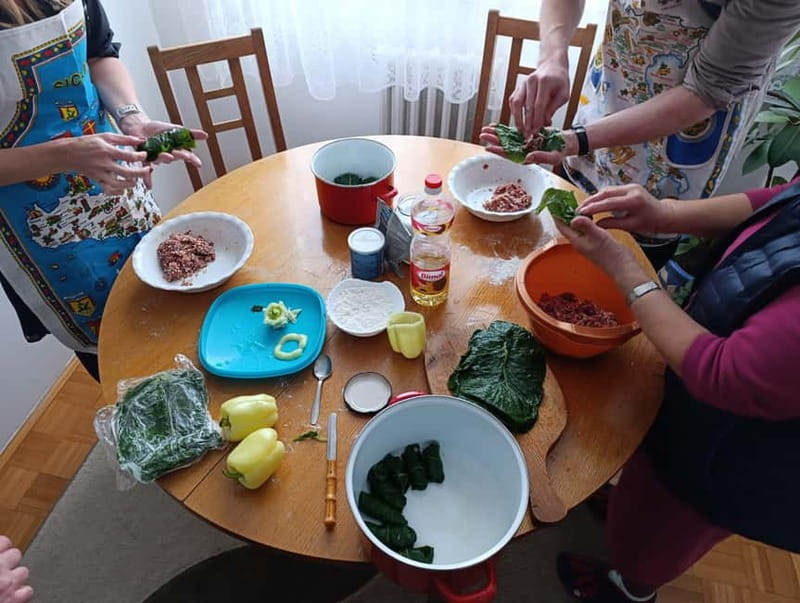
I’ve done cooking classes where everything feels staged. This one doesn’t. You’re welcomed into a family home, you cook in their kitchen, and you eat together like the day was built around a shared meal.
That’s the big value here: you’re not learning food in theory. You’re learning it while your hosts explain what they’re doing, what matters, and how the dishes come together. In the best moments, you’ll catch the small rhythms of how a Bosnian family organizes a meal, from getting ingredients sorted to keeping the cooking flowing.
It helps that this experience is built for small groups. With a maximum of 6 participants, you’re more likely to get real attention while you’re working, not just a quick wave from across the room.
Meeting Your Guide in Sarajevo and Getting Oriented
You start in central Sarajevo. Your guide meets you and sets the tone right away, and then you head out to shop.
From there, the day is a simple rhythm:
1) meet your guide
2) head to the market
3) ride to the host family’s home
4) cook and eat together
5) return to Sarajevo
Those short ride segments matter more than they sound. You’re not stuck waiting around. The transportation is handled with private car, so the focus stays on the food and the conversation.
You’ll also feel the language advantage. Your host or greeter can work with you in several languages, including English and the local Serbo-Croatian variants (plus Croatian, Serbian, and Bosnian). If language is a worry, this setup gives you a lot of chances to communicate.
The Farmers’ Market Stop: Where the Flavor Begins
The market time is about 30 minutes, which is just long enough to be useful without turning it into a shopping marathon. Your guide helps you pick out ingredients, and you get to see what’s fresh in Sarajevo rather than relying on pre-selected supplies.
This is one of the most satisfying parts of the experience because it changes how you cook later. When you’ve chosen the ingredients yourself, you pay attention to them. You notice what your hosts look for, and you understand why certain items belong in the dishes you’ll be making.
Practical tip: keep your phone away during the actual shopping. Listen first. Ask quick questions while the guide is there—things like what to look for and how ingredients should feel when handled. You’ll remember the cooking lesson much better if you’ve paid attention in the market.
The Ride to the Home and the Switch Into Cooking Mode
After shopping, you take a short drive to the host family’s home. The itinerary includes brief van time, so plan to enjoy the ride and get settled rather than treating it like extra sightseeing.
On arrival, you get the kind of welcome that makes you relax immediately: a cup of Bosnian coffee and an explanation of what you’ll be preparing. This isn’t just a menu read-through. Your cook walks you through the meals you’ll make, and you learn what each dish is supposed to achieve in the context of the overall meal.
That matters because it gives you a mental map. Instead of cooking random steps, you understand the purpose of each stage, which is when cooking classes stop feeling like chores.
Bosnian Coffee, Wine or Rakija, and the Meal Plan
Here’s the rhythm that makes the day feel like an actual Bosnian lunch, not just a cooking workshop.
First comes coffee, offered as part of the welcome. Then you get explanations as you start cooking. And by the time you sit down to eat, there’s a glass of local wine or rakija, so the meal feels celebratory.
This blend of teaching and social time is a core part of the experience. Cooking classes often cut the fun to the last five minutes. This one builds it in—so you stay motivated while working and you don’t feel like you’re rushing to the finish line.
Cooking What You’ll Actually Recognize: Burek, Pies, and Sarma
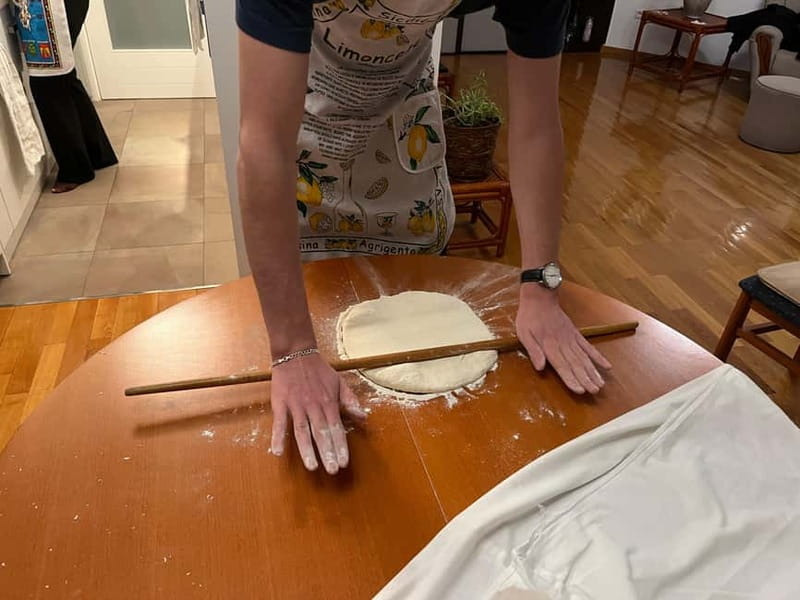
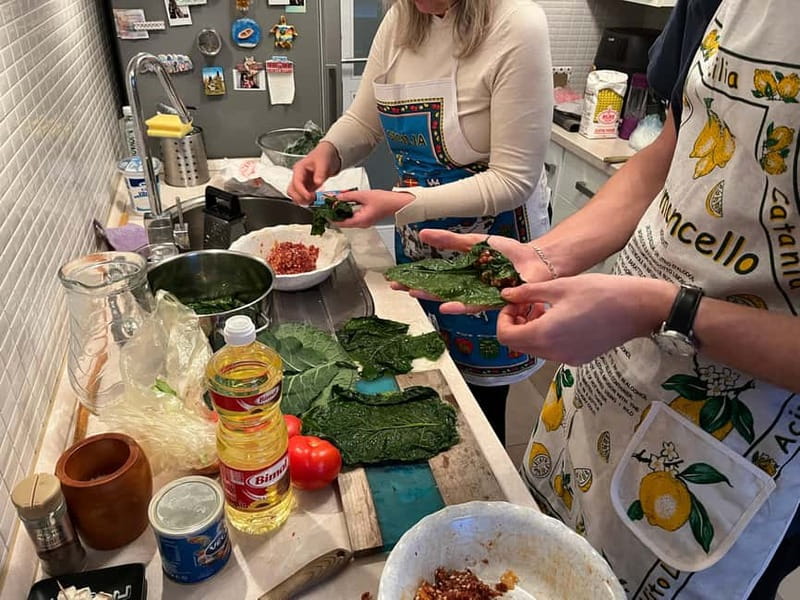
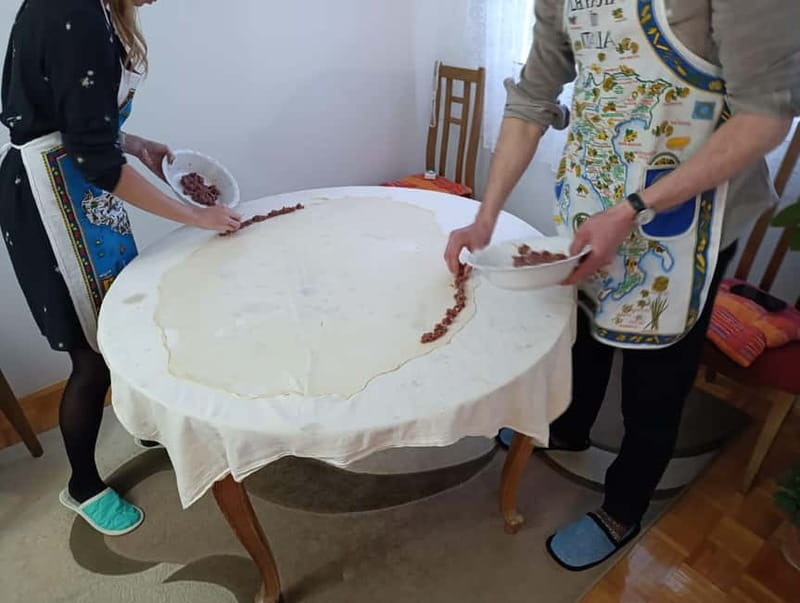
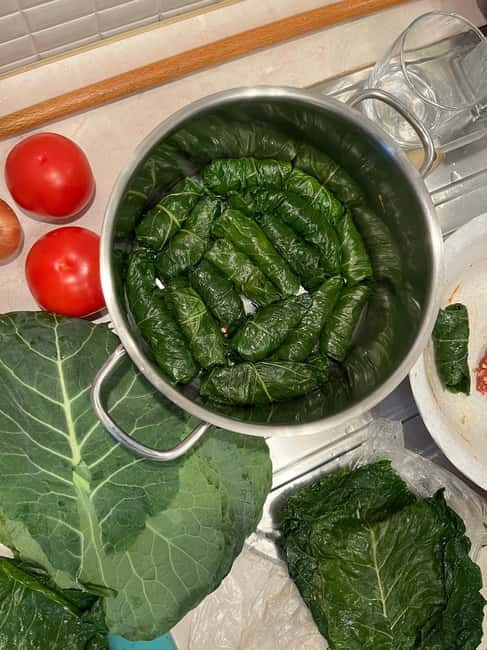
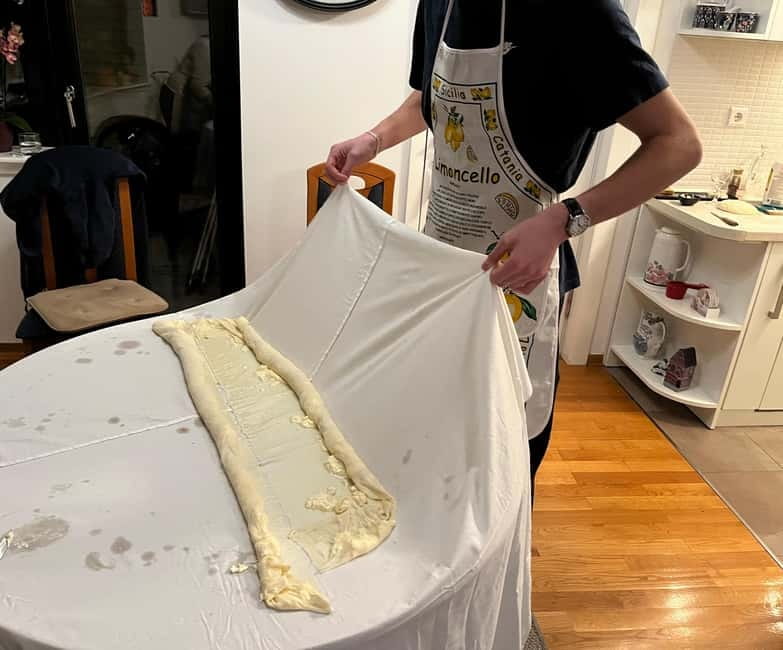
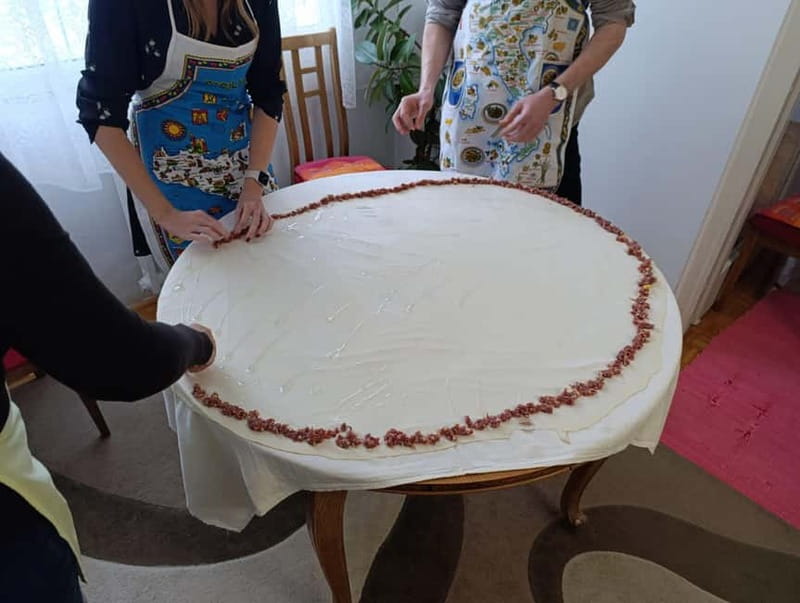
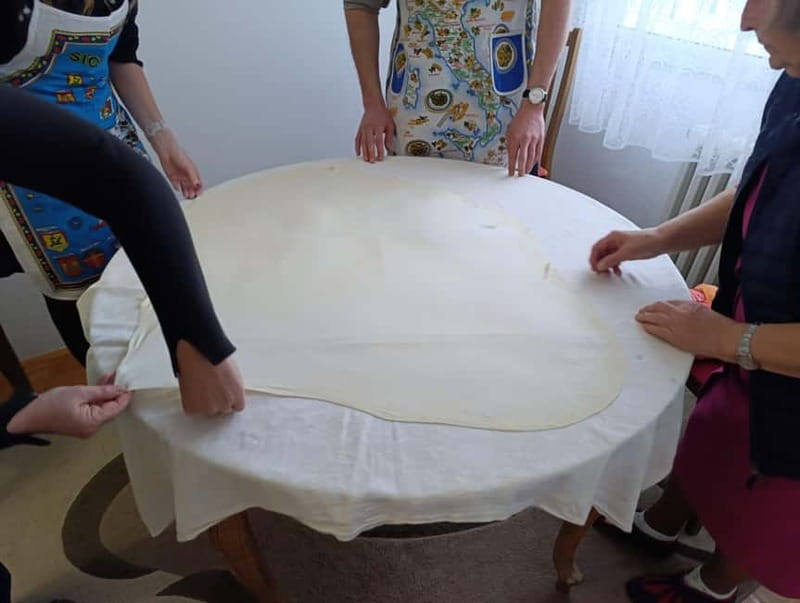
The dishes you may cook include burek, pies, and sarma. Names aside, the real point is the method. Your cook gives detailed guidance for each meal, and you get hands-on time with the steps.
One of the highest-praise parts of this experience is how much you learn from being active in the process. The lesson isn’t only about assembling. It’s about understanding technique—how your hosts approach each stage, and how you can replicate that flow later.
If you like learning by doing, you’ll probably feel right at home here. If you’re the type who wants to watch quietly first, this may feel a bit fast, since the class expects you to participate.
A simple way to get the most out of it
- Pay attention when your cook explains what to watch for during each stage
- Take your notes while the steps are fresh in your mind
- If something feels confusing, ask immediately rather than waiting
You’ll likely be happiest if you treat it like a shared kitchen day—helping, learning, tasting, and adjusting as you go.
Lunch and Tasting: You Eat the Results, Not Just the Lesson
The cooking time and the eating time overlap in a way that feels natural. You spend about 3 hours on the main portion where cooking, lunch, and tasting all happen together.
When it’s time to eat, you’re sitting with your hosts and enjoying what you prepared. That part is a big deal because you learn flavor balance by tasting, not by guessing.
Also, one nice practical touch: you can take leftovers with you for later. That makes the experience more cost-effective because you’re not just paying for one meal—you’re getting more food value out of the day.
Don’t skip tasting time
It’s easy to focus on cooking steps only. But tasting is where you’ll learn what your hosts consider right. Even if you’re not a huge foodie, tasting a dish you helped make gives you a clearer idea of what you’re trying to reproduce at home.
Recipes and Explanations: Turning a Fun Day Into Real Skill
At the end of the lesson, you receive a recipe and a detailed explanation from the cook for each meal. This is what turns the experience from entertainment into something you can use after you get home.
Because you also get a step-by-step explanation while cooking, the recipe isn’t just a list of ingredients. It’s tied to the way your hosts described the process. That makes it far easier to reproduce later, especially if you’ve never cooked these dishes before.
If you’ve ever bought a recipe online and then gotten stuck halfway through, you’ll appreciate this structure. You’re learning the logic while it’s happening, then you take the written guide home as backup.
Price and Value: Is $106 for 4 Hours Reasonable?
At $106 per person for a 4-hour experience, you’re paying for more than a meal. You’re paying for a private family setup, ingredient shopping, teaching, and hospitality.
Here’s what’s included that changes the math:
- Hotel pick up and drop off in Sarajevo
- Local guide who helps you shop and navigate
- Private transportation (car/van segments handled for you)
- Cooking class with a local family
- All cooking ingredients
- Meals and beverages (Bosnian coffee, plus wine or rakija)
- Recipes and explanations for each dish
When you add those together, it’s not just a “cook and eat” ticket. It’s a guided, structured day built around real instruction. For me, that’s the main reason the price feels fair: you don’t have to plan anything, you don’t have to buy ingredients, and you walk away with something useful—recipes tied to your actual experience.
If you’re on a strict budget, it will still be a splurge. But if you want a hands-on cultural experience and you like learning skills you can repeat, it’s strong value.
Who This Sarajevo Class Fits Best
This experience is a great match if you:
- want a small-group cultural activity that feels personal
- enjoy hands-on cooking and don’t mind getting involved in the kitchen
- like eating what you make, with time to taste and chat
- want recipes plus explanations you can use later
It may not be ideal if you strongly prefer to observe rather than participate, because the class is built around doing. Also, because the group is small and the day runs on a tight timeline, you’ll get the best results if you’re ready to pay attention and keep moving.
Should You Book This Sarajevo Cooking Class?
If you want more than a standard meal and you’re craving a real Sarajevo moment—market shopping, family hospitality, cooking, and a proper lunch—then yes, I’d book it. The combination of Danijela and Armin’s warm welcome, the market ingredient stop, hands-on learning, and take-home recipes makes it feel like a full experience rather than a short workshop.
If you’re the kind of traveler who loves food but hates being active in the kitchen, you might feel rushed. But if you enjoy learning by doing, this is the kind of day you’ll talk about long after you’ve left Sarajevo.
FAQ
How long is the Sarajevo cooking class experience?
It lasts 4 hours total, with a full cooking and lunch/tasting portion that takes about 3 hours.
Where does the experience start and end?
You get hotel pick up in Sarajevo, and you’re returned with hotel drop off at the end.
Is the group small?
Yes. It’s a small group limited to 6 participants.
What do we do during the class?
You shop for fresh ingredients at a local farmers’ market, then cook with a local family at their home, eat the meal together, and enjoy Bosnian coffee plus a glass of local wine or rakija.
What dishes are included?
You may cook traditional dishes such as burek, pies, and sarma, along with other typical Bosnian dishes prepared during the class.
What language is available for the host or greeter?
English, Croatian, Serbo-Croatian, Serbian, and Bosnian are available.
What’s included in the price?
The price includes a local guide, private transportation, the cooking class with the local family, all cooking ingredients, Bosnian coffee, meals and beverages, and hotel pick up and drop off.
What’s the cancellation and payment flexibility?
You can cancel up to 24 hours in advance for a full refund, and you can reserve with pay later to keep plans flexible.