REVIEW · AGADIR
From Agadir: Cooking Class, and Lunch in Berber Village
Book on GetYourGuide →Operated by Colorful Morocco Tours · Bookable on GetYourGuide
That mint tea comes fast. This Berber cooking day trip from Agadir pairs a morning drive into the High Atlas with hands-on lessons in Berber food. You’ll start with fresh mint tea and mountain views lined with almond and palm trees, then roll up your sleeves for a real cooking class in a Berber village.
My favorite part was how practical it felt—clear steps, calm teaching, and food you actually learn to make, not just watch. I also loved that the meal is served in a way that feels local and unhurried, with the garden-area atmosphere showing up in at least one standout experience. One thing to consider: the total time is only about 5 hours, and a couple of people felt the village portion or post-lunch time could be longer.
In This Review
- Key highlights (the stuff you’ll remember)
- From Agadir to the Atlas foothills: the ride that sets the mood
- Mint tea at a Berber house: simple, but it teaches the culture
- The cooking class: what you’re really learning (not just recipes)
- Tajine, ingredients, and the clay-pot effect
- Lunch you make: eating in the same place you worked
- Village time after lunch: what you’ll get (and what can feel tight)
- Price and value: is $48 fair for 5 hours?
- Who should book this Berber cooking day trip from Agadir?
- Small planning tips that make a difference
- Should you book this? My honest take
- FAQ
- How long is the trip from Agadir?
- Is hotel pickup and drop-off included?
- What language is the guide available in?
- Is lunch included, and do I eat what I cook?
- Will I have mint tea during the visit?
- What is the cancellation policy?
Key highlights (the stuff you’ll remember)
- Mint tea first, in a Berber house visit that sets the tone for the day
- High Atlas foothills drive, with almond and palm trees along the way
- Hands-on Berber cooking, guided by an English- or French-speaking teacher/guide
- Tajine-style skills, including cooking with fresh ingredients and clay-pot methods (for some sessions)
- Lunch you cook, served with the hosts so it feels earned and personal
- Short village walk after lunch, best if you’re okay with a quick wander
From Agadir to the Atlas foothills: the ride that sets the mood
This is a straight, morning-to-lunch kind of outing: you’re picked up from your Agadir hotel and then driven toward the foothills of the Atlas Mountains. The drive matters because it puts you in the right headspace. You don’t just show up to eat—you see the almond and palm country you’re about to cook from, plus the arid, mountain-backed scenery outside.
The schedule is built around being there by mid-morning. That timing is helpful. You avoid the worst late-day heat, and you get enough daylight to appreciate the village area when you arrive and again after lunch.
Your guide is English or French speaking, depending on what’s available. Either way, you’ll have someone there to explain what you’re seeing and what you’re about to make. That’s a big deal when you’re learning food—names, technique, and order all matter.
You can also read our reviews of more tours and experiences in Agadir.
Mint tea at a Berber house: simple, but it teaches the culture
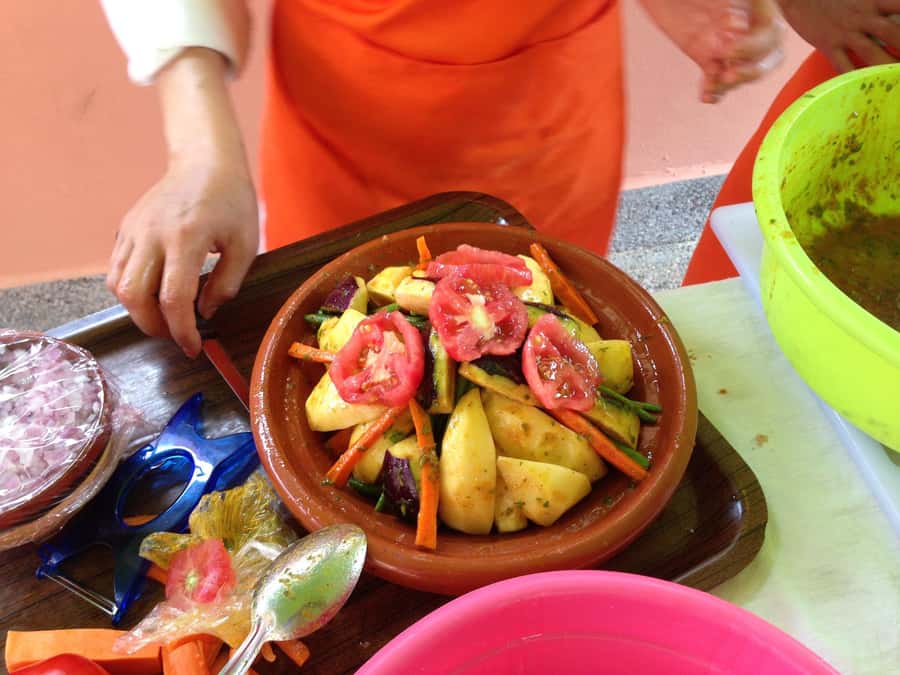
Before you cook, you’ll visit a Berber house for a light mint tea. It’s a small moment, but it’s doing real work. Tea here isn’t just a drink; it’s a welcome ritual and a way to slow the day down right at the start.
At least one cooking experience also included sampling bread with olive oil and orange honey, plus other local tastes like peanut-based spreads. Even if your exact stop differs, treat that early tasting as part of the lesson: it shows you how Berber meals often build flavor in layers, not just one big dish.
Then you’ll move into the cooking portion. This order helps because you start with a cultural cue, and then you learn the practical steps behind the flavors you sampled.
The cooking class: what you’re really learning (not just recipes)
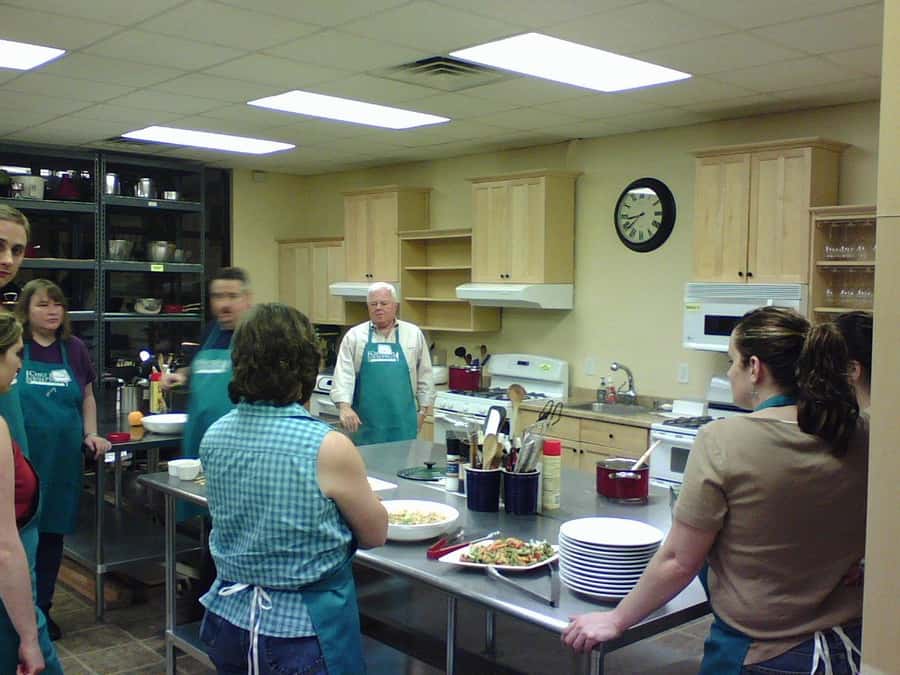
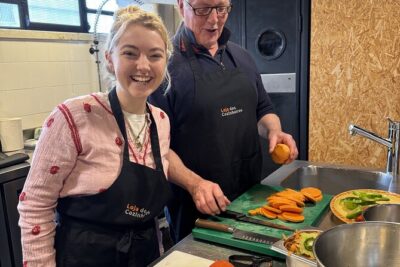
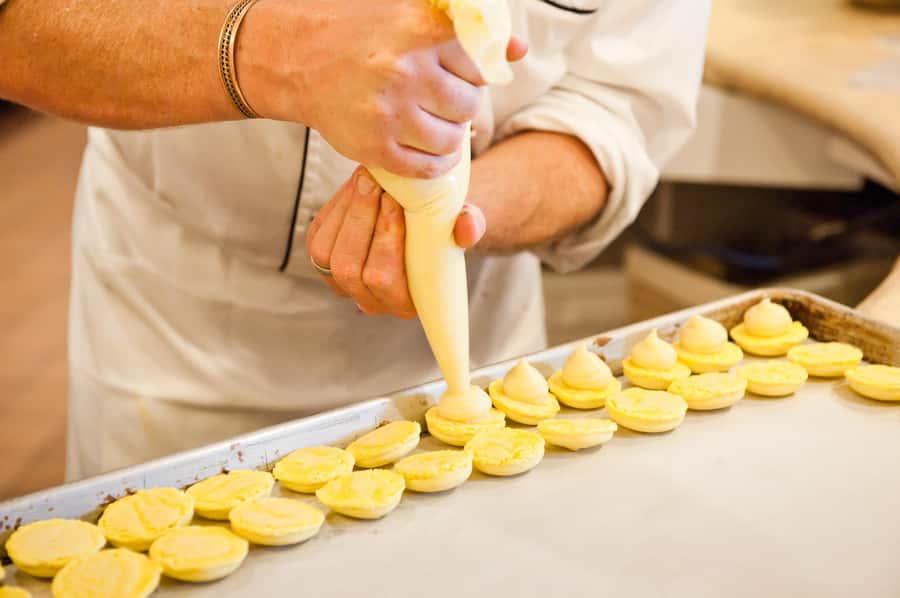
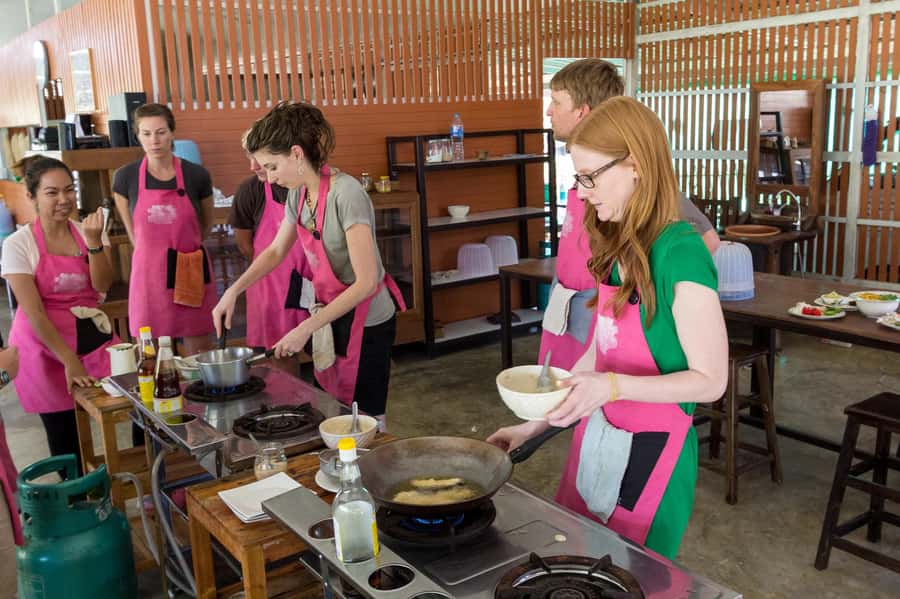
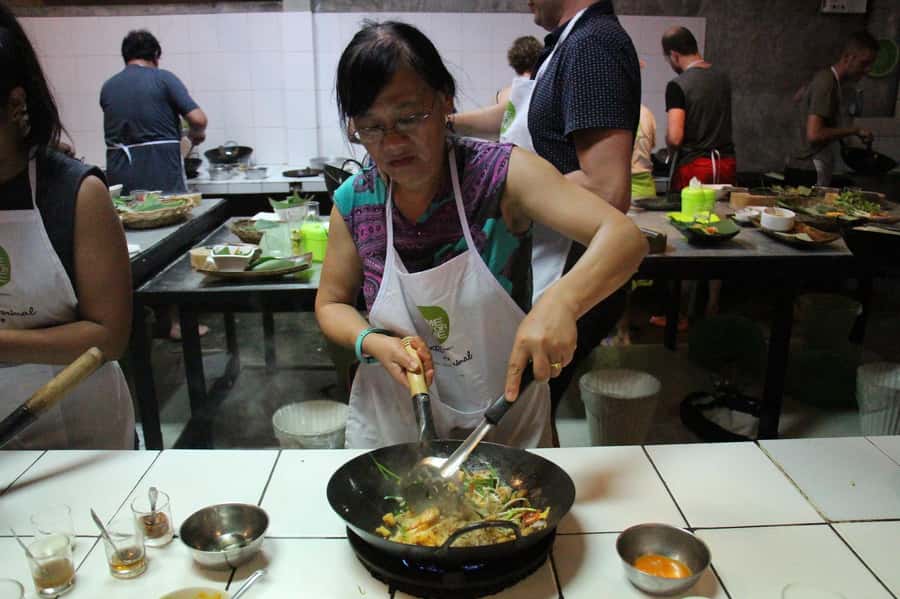
This is a hands-on cooking class. That means you’re not passively watching while someone else does all the work. You’ll help your host cook a traditional Berber lunch and learn local cooking techniques along the way.
A standout name that shows up in the experiences is Fatima, described as an excellent teacher and very organized. People specifically praised her for clear instructions and a relaxed, fun pace. That matters because Moroccan cooking can feel intimidating if you’re rushed. Here, the vibe is meant to be calm enough that you can actually understand what you’re doing—mixing, shaping, seasoning, and timing.
Depending on the day, your session may include methods that go beyond a basic stove. One review highlighted a clay cooking pot and fresh ingredients as key to flavor, and another described learning mint tea technique too. You can think of this as food learning plus technique learning. When you get the why behind the steps, you can repeat the dish later at home.
One more smart angle: ask questions while you’re cooking. Guides and teachers usually explain what’s important and what’s flexible. That turns the class from a one-off meal into a transferable skill set.
Tajine, ingredients, and the clay-pot effect
Moroccan meals often get summarized as tajine, but the real value is the process behind it: building seasoning, handling ingredients, and understanding how cooking method changes the result. In some experiences, the tajine was cooked in a clay pot and described as tasting perfect thanks to fresh inputs.
You’ll also see how different elements play together—sweet and savory notes, herb and spice choices, and the way sauces cling to the base. If you’re a home cook, this is the part you’ll want to pay attention to. Don’t just watch for flavor. Watch for timing.
Even if your dish ends up being a different Moroccan lunch style, the teaching approach is the same: you’ll learn what gets added when, how the texture should look, and what signals readiness.
Lunch you make: eating in the same place you worked
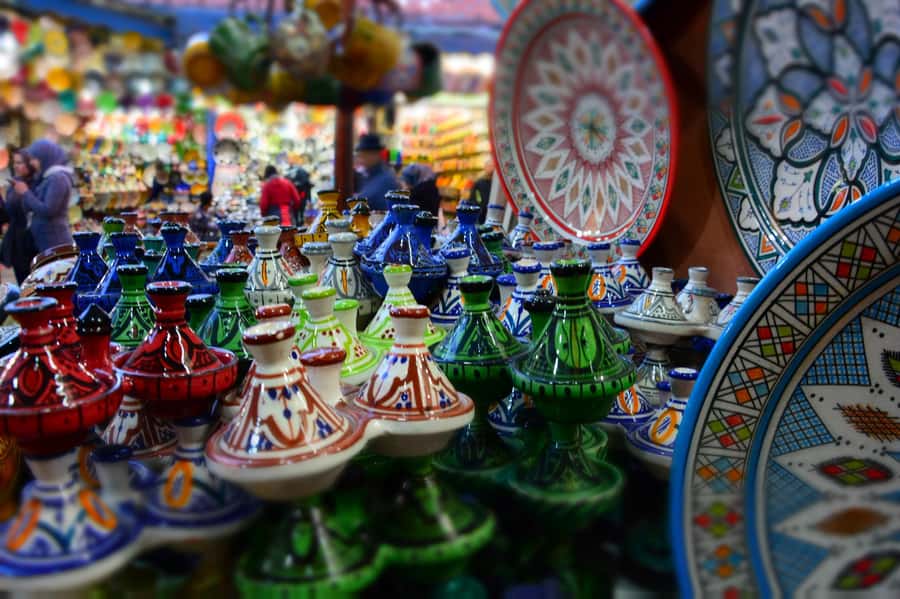
After the cooking comes the best part: you sit down and eat what you cooked. Included drinks help keep the meal relaxed, and the lunch is served with the hosts so you’re not just ticking a sightseeing box.
I like that this doesn’t feel like a rushed buffet meal. Some of the strongest feedback came from people enjoying the results in a peaceful setting, including a center area with garden views in one account. Even when the exact setting varies, the structure aims for a calm meal rather than a mass-tour lunch.
One practical note: the day is only about five hours. That means lunch is a highlight, but the time window after eating is still limited. A couple of experiences mentioned that the post-meal time felt a bit short, so if you’re the type who likes to linger, plan for a quick reset rather than a long sit-down.
Village time after lunch: what you’ll get (and what can feel tight)
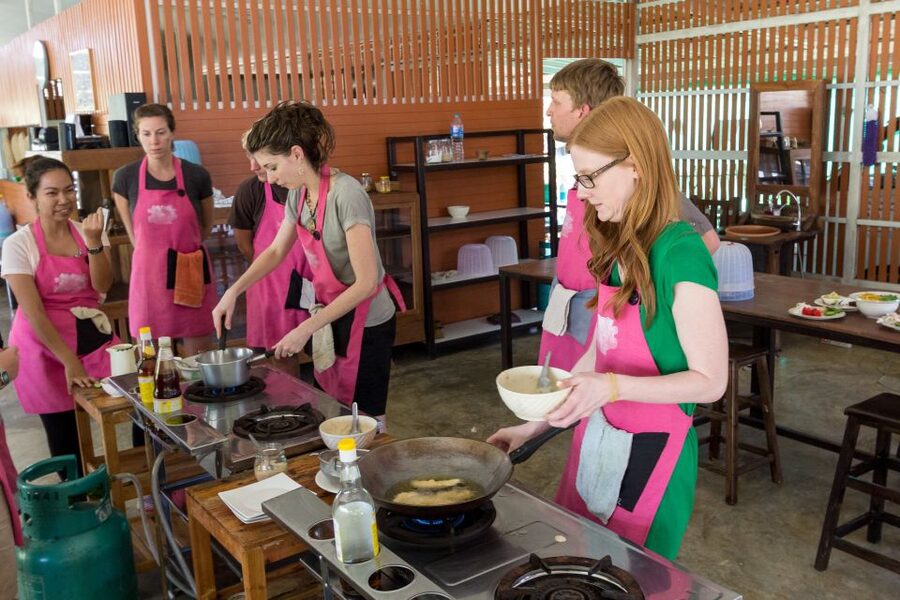
After lunch, you’ll stroll around the village with your guide. That walk is your chance to connect food to place—seeing where ingredients come from, how houses and communal areas are used, and how daily life fits into the broader setting.
Here’s the reality check: some people felt the visit was more focused on a women’s cooperative and an herb/spice garden than on a wide-ranging village tour. That doesn’t make the experience bad; it just changes what you should expect. If what you want most is a sweeping look at everyday village life, you might find the “village walk” more limited than you hoped.
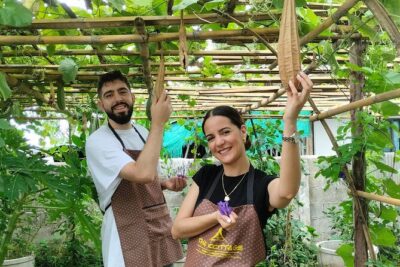
But even in a smaller-format visit, you can learn a lot. A cooperative setting can be especially valuable because it shows how food knowledge becomes livelihood—how herbs and cosmetics are part of the same ecosystem as cooking. And an herb and spice garden teaches you what you can’t easily buy in a supermarket: what looks different, grows differently, and tastes more intense right off the plant.
If your day feels compressed, consider asking your guide during the walk what’s included and why that part of the village route is chosen. You’ll get context, and you’ll feel less like you were hurried.
Price and value: is $48 fair for 5 hours?
At about $48 per person for a roughly 5-hour outing, the value comes from what’s included: hotel pickup and drop-off, an English- or French-speaking guide, lunch, and drinks. You’re also getting a hands-on cooking lesson, which typically costs more if you pay for it separately in many tourist areas.
Is it “cheap”? No. But it’s also not just paying for a meal. You’re paying for time in the Atlas region, guided cultural explanation, and the chance to cook and eat what you made. For food lovers, the math usually makes sense.
Where you might question value is if you mainly want a long village sightseeing tour. The total duration is fixed, so the balance is toward cooking and lunch rather than hours of wandering.
My best advice: go for the cooking and the food education. If that’s what you want, the price looks a lot more reasonable.
Who should book this Berber cooking day trip from Agadir?
This is a good fit if you:
- Want a practical cooking class in a Berber village setting, not just a demo
- Like culture you can taste, starting with mint tea and moving into technique
- Prefer a half-day plan that doesn’t eat your whole day in transit
- Enjoy meeting teachers who make instructions clear and the pace relaxed (Fatima is repeatedly praised for that)
It may be less ideal if you:
- Want a long, broad “see everything” village tour
- Don’t like short time windows after lunch
- Are expecting a very extensive sightseeing route beyond the village/co-op/garden focus
Also, if you’re traveling solo, a group format usually means you’ll meet others quickly and keep things social around the table. If you’re traveling as a couple or family, you’ll likely appreciate the structured flow: tea, cook, eat, short walk, back to Agadir.
Small planning tips that make a difference
First, come hungry but don’t arrive frazzled. The day starts with pickup and a drive, then tea, then cooking. If you eat a huge breakfast right before pickup, you may feel a bit too full before lunch.
Second, use the cooking time to ask about technique, not just ingredients. Things like clay pot cooking (when used), how seasoning is layered, and what makes the dish work are the details that help you recreate it later.
Finally, bring a curious mindset for the cooperative and herb/spice garden part. Even when the village walk feels shorter, gardens and cooperatives often explain more than a quick street tour does.
Should you book this? My honest take
Yes, you should book this Berber cooking day trip if you want hands-on learning, a real Berber lunch you cook yourself, and a cultural start with mint tea. The strongest signal from the experiences is the teaching quality—especially with Fatima—plus the relaxed, clear way the class is run.
If your top priority is a long, expansive look at the village and you get restless with time limits, you might find the 5-hour format a little tight. In that case, treat the village walk as a short add-on to the main event: cooking, tasting, and eating with the hosts.
Either way, it’s a day where you leave with more than photos. You leave with skills you can repeat.
FAQ
How long is the trip from Agadir?
It lasts about 5 hours.
Is hotel pickup and drop-off included?
Yes. You get pickup and drop-off from your Agadir hotel.
What language is the guide available in?
The tour includes an English or French-speaking guide.
Is lunch included, and do I eat what I cook?
Yes. Lunch is included, and you’ll help cook a traditional Berber/Moroccan meal before eating.
Will I have mint tea during the visit?
Yes. You visit a Berber house and enjoy light mint tea.
What is the cancellation policy?
You can cancel up to 24 hours in advance for a full refund.