REVIEW · ANURADHAPURA
Hands-On Cooking Class in Anuradhapura: Cook Like a Local
Book on GetYourGuide →Operated by GK Immersions · Bookable on GetYourGuide
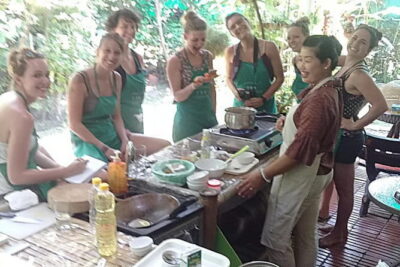
Good food has a history lesson in it. This hands-on cooking class in Anuradhapura lets you work in a clay kitchen and learn traditional Rajarata village cooking up close. You’ll grind spices, scrape coconut, and cook the meal using the same tools and flavors locals rely on.
I especially like the practical, step-by-step way the class focuses on technique, not just eating. The standout for me is the chance to use traditional gear like the miris gala stone grinder and a wood-fired stove, so the food tastes like what it’s meant to taste like. You’re also not stuck with a generic menu.
One thing to consider: this is hands-on and fire-based, so you’ll be near smoke, heat, and spice. If you’re sensitive to strong chili flavors or prefer very cool, low-scratch “tour” activities, you might want to plan accordingly.
In This Review
- Key things I’d highlight before you book
- Anuradhapura’s clay house kitchen: where the class actually starts
- The coconut-to-cooking part: pick, scrape, and taste the difference
- Grind your own spices on the miris gala stone grinder
- Cooking over a wood-fired stove: smoky flavor, real technique
- Your Rajarata menu: what you’ll cook and eat
- What each dish teaches you (and why you’ll remember it)
- Timing, group pace, and comfort tips for a 3-hour class
- Price and value: is $40 worth it?
- Where this fits in your Anuradhapura plan
- Should you book this Anuradhapura cooking class?
- FAQ
- How long is the cooking class in Anuradhapura?
- What’s included in the price?
- Where does the class meet?
- Is the instructor English-speaking and is it a private group?
- Can I pay later instead of paying right away?
- Is there free cancellation?
Key things I’d highlight before you book
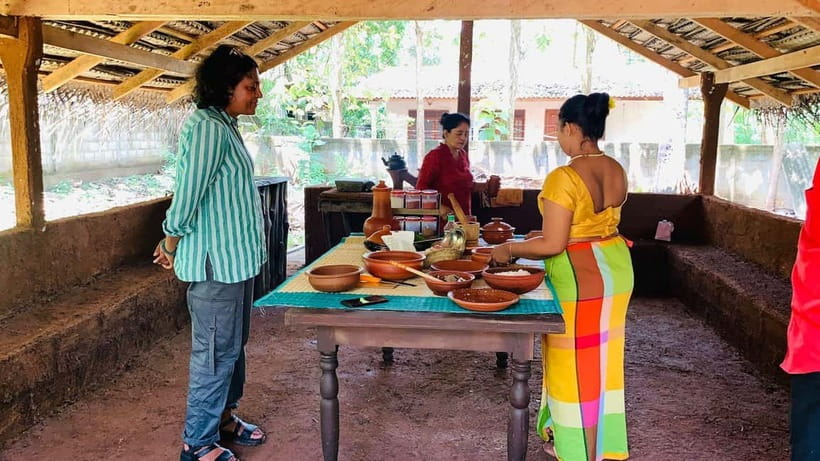
- Clay kitchen setting under a coconut-leaf shelter, with a village-style feel
- Miris gala spice grinding using the traditional stone grinder method
- Tree-to-table coconut with pick-your-own coconut from the coconut tree
- Wood-fired cooking on a firewood stove for real smoky flavor
- Rajarata menu variety including fish curry, ambarella curry, greens mallum, and coconut sambal
Anuradhapura’s clay house kitchen: where the class actually starts
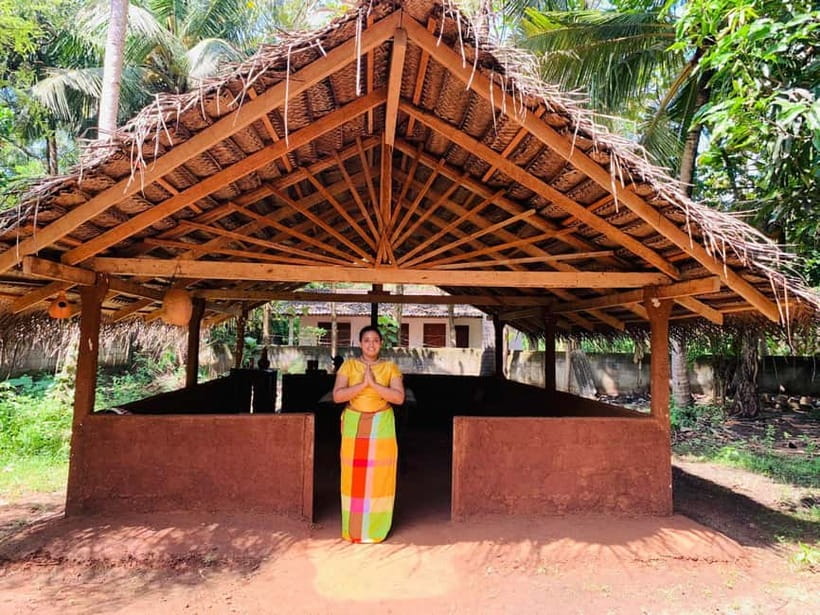
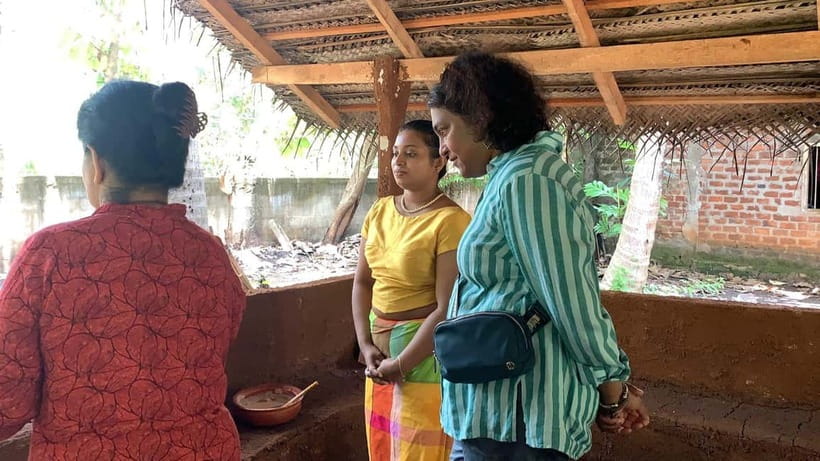
This tour is built around a simple idea: you learn Sri Lankan cooking by doing it. The meeting point is a clay house kitchen shaded by a traditional coconut-leaf shelter. That matters more than it sounds. In a spot like this, you’re not “watching a show.” You’re in the environment where the work happens—tools, ingredients, and the rhythm of cooking over fire.
You’ll be welcomed with a refreshing local drink, then you get into the cooking flow. The total class time is 3 hours, which is long enough to learn real skills but not so long that you feel drained.
Because it’s a private group, the pace feels more natural. If you want to ask questions about spice, timing, or ingredients, you can. The instructor is English, and the experience is listed as wheelchair accessible, which is a big plus for travelers who want cultural activities without constant obstacles.
The coconut-to-cooking part: pick, scrape, and taste the difference
One of the best parts of this class is the way it builds flavor from the start. You’ll pick your own coconut straight from the tree. That’s not just a cute photo moment. Coconuts are a central ingredient in Sri Lankan cooking, and using fresh coconut helps you understand why so many dishes rely on it for body and richness.
Then comes a hands-on skill: scraping coconut with a hiramanaya. This is one of those kitchen tasks that looks simple until you try it. It teaches control—how much pressure to use, how to get the right texture, and how coconut changes when it’s prepared fresh. You’ll also see that coconut isn’t only for desserts or “background flavor.” It shows up as a thickener, a flavor carrier, and a way to balance heat.
If you like food that tastes like it came from real ingredients—rather than a pre-made jar or instant paste—this coconut sequence is the reason you’re taking the class.
Grind your own spices on the miris gala stone grinder
If you’ve only cooked with spices that already come powdered, you’re going to notice the difference fast. The class has you grinding spices on a miris gala, a traditional stone grinder. You start smelling the change almost immediately. The aroma is the point: whole spices release scents and character that powdered versions can lose.
This is also where you learn how Sri Lankan flavor is built. Instead of chasing one spice, you’re creating a blended base that later supports curries, sambal, and greens. Grinding your own spices gives you a better sense of what matters—freshness, grind size, and how aromatic oils develop.
Practical tip: plan to bring a little patience. Your first grind probably won’t look like the guide’s. That’s normal. The value is in the process.
Cooking over a wood-fired stove: smoky flavor, real technique
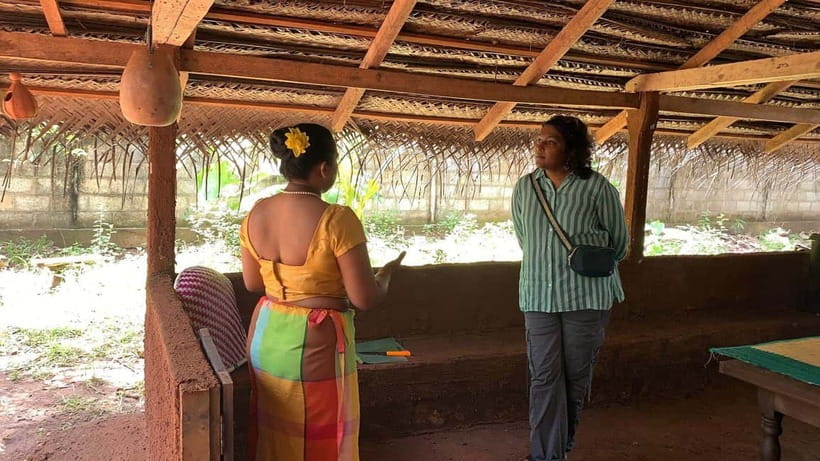
Next up is cooking over a traditional wood-fired stove. Cooking over firewood changes everything: heat distribution, simmer strength, and even how long you can keep a pot going without adjusting. You’ll prepare dishes on this stove, and the smoky aroma becomes part of the food.
This isn’t a “chef-only” kitchen. It’s hands-on, so you’ll be learning by doing. Just remember: wood smoke is a feature, not a bug. It can be strong in a shaded kitchen area, and you might smell like it later.
If you get sweaty easily, wear breathable clothes and tie back your hair. Also consider bringing mosquito repellent. The class takes place in a nature-filled village setting, and a simple layer of protection makes the experience more comfortable.
Your Rajarata menu: what you’ll cook and eat
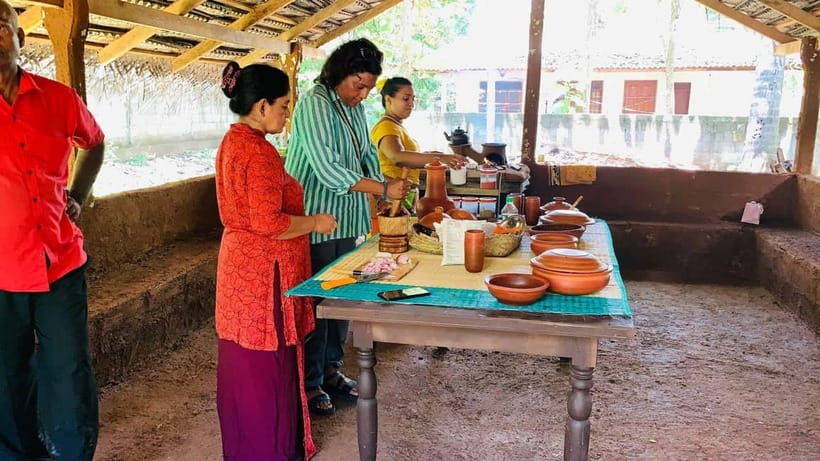
You’ll cook and taste a set menu built from everyday foods from Sri Lanka’s ancient Rajarata kingdom. It’s not random. Each dish teaches something about balance—rice as the base, curries for tang and heat, coconut and greens for texture, and sambal for brightness.
Here’s what you’re working with:
- Yellow rice / white rice (the heart of many meals): soft, steamed, and central.
- Ambarella curry: a tangy curry made from a tropical fruit used like a vegetable.
- Banana blossom mallum: earthy, textured curry made from banana flower.
- Lake fish curry: fish cooked with spices and creamy coconut milk.
- Kathurumurunga mallum: soft Sri Lankan greens mixed with coconut and spices.
- Coconut sambal: spicy side dish with grated coconut, red chili, lime, and onion.
- Pumpkin curry: creamy, comforting, and gently spiced.
- Sweet finish: curd & treacle plus ripe fruit (like papaya).
What I like about this menu is that it covers both big flavors and everyday cooking. You get a rice base, at least two greens/flower curries, a fish curry, one tangy curry, a spicy side, a creamy curry, and a sweet finish. That’s a lot of variety for a single 3-hour session.
What each dish teaches you (and why you’ll remember it)
Rice first is more than tradition. When you understand rice as the base, everything else makes sense. Sri Lankan meals often rely on rice to soak up curry sauces and sambal flavors. If you end up liking the dishes, rice is the foundation you can reproduce later.
Then you move into curries that show different flavor jobs:
Ambarella curry teaches tang. Ambarella is used like a vegetable, and that fruit-curry twist is one of the things that makes Sri Lankan food feel creative but still rooted in daily life.
Banana blossom mallum and Kathurumurunga mallum teach texture. Mallum-style dishes are gentler than heavy, oily curries. The greens and blossom soften into a comforting mix that still tastes “alive” because of the coconut-spice combination.
Lake fish curry teaches spice and cream balance. Fish curry tends to go best when spices don’t overpower the fish, and coconut milk adds that creamy roundness. You’ll taste how the curry holds together.
Coconut sambal teaches how heat gets brighter. This isn’t only chili. Lime and onion show up to sharpen the flavor, while grated coconut softens the edge. It’s a great contrast with the more simmered, coconut-rich dishes.
Pumpkin curry teaches sweetness without being dessert-like. Pumpkin adds body and a gentle sweetness that plays well with spices. Even if you’re not a pumpkin person at home, this dish often wins people over because it feels comforting, not sugary.
And then there’s the sweet finish: curd & treacle plus ripe fruit like papaya. This is an important food lesson too. It shows that the end of a meal doesn’t have to be just cake or pastries. It can be tangy dairy and fruit—simple, local, and satisfying.
Timing, group pace, and comfort tips for a 3-hour class
A 3-hour class can feel short if you’re not used to hands-on cooking. Here, the pacing is built around steps that take time: coconut prep, spice grinding, cooking over fire, and tasting. That’s why the duration works well—you get through multiple dishes without the “we’re rushing now” feeling.
Still, plan for a few realities:
- Your hands will get messy, especially with coconut scraping.
- You may be near smoke from the wood stove.
- The food includes chili heat, so you’ll want water handy.
Bring comfortable clothes you don’t mind getting coconut-scented. Also consider a light cover for shoulders if you’re traveling in warm areas and don’t want to think about sun or dust.
Because the experience is described as private and English-taught, you should expect a calmer, more interactive feel than a crowded group class.
Price and value: is $40 worth it?
The price is $40 per person for a 3-hour hands-on class. For that cost, you’re not just tasting a meal. You’re learning tools and techniques that restaurant cooking classes usually skip. Your included time covers:
- hands-on prep with traditional tools like the miris gala and hiramanaya
- pick-your-own coconut from the tree
- cooking on a wood-fired stove
- a multi-dish menu and sweet finish
- a welcome local drink
In practical terms, you’re paying for education plus ingredients plus the full cooking setup. You also get a cultural setting—this clay kitchen under coconut leaves in Anuradhapura—where the food is the center of the day, not an add-on.
If you already eat Sri Lankan food regularly, you might think you know it. This class still earns its fee because it teaches you how flavor is built: ground spices, fresh coconut texture, and how fire changes cooking.
Where this fits in your Anuradhapura plan
Anuradhapura is known for ancient sites and sightseeing. This class is a smart counterbalance. While temples and ruins teach you about the past, cooking teaches you about daily life that grew out of that culture.
You’ll likely enjoy this most if you’re the type of traveler who wants more than photos. It’s also a good activity when the heat makes long walks less fun. A shaded kitchen and a rotating set of tasks gives you movement without constant sun exposure.
If you’re traveling with food lovers or a mixed group (someone who likes culture plus someone who just wants a great meal), this is an easy win.
Should you book this Anuradhapura cooking class?
Book it if you want hands-on Sri Lankan cooking—not just a cooking demonstration. The focus on traditional tools (miris gala, hiramanaya), wood-fired cooking, and a menu that covers rice, curries, sambal, greens, fish, and sweets makes this a well-rounded class.
Skip it (or at least think twice) if smoke and spicy flavors will spoil your day, or if you want a fully hands-off experience. This one asks you to participate.
FAQ
How long is the cooking class in Anuradhapura?
The class lasts 3 hours.
What’s included in the price?
It includes a welcome local drink, hands-on use of traditional cooking tools, pick-your-own coconut, grinding spices on a miris gala, scraping coconut with a hiramanaya, cooking over a wood-fired stove, and the full meal (rice plus multiple curries and sides, ending with curd & treacle and ripe fruit).
Where does the class meet?
All activities take place at GK Immersions’ clay house kitchen, shaded with a traditional coconut leaf shelter.
Is the instructor English-speaking and is it a private group?
Yes. The instructor is listed as English, and it’s offered as a private group.
Can I pay later instead of paying right away?
Yes. The experience is listed as reserve now and pay later.
Is there free cancellation?
Free cancellation is available up to 24 hours in advance for a full refund.