REVIEW · TAKAYAMA
Japanese Cooking Class with Local Family in Takayama Old Town
Book on Viator →Operated by Hisa Takayama Private Tour Guide · Bookable on Viator
A home-cooked meal in a 200-year-old townhouse. This Japanese Cooking Class with Local Family in Takayama Old Town is special because you’re not stuck in a studio—you’re welcomed into a family home that used to function as a local clinic, then guided through Japanese home cooking by Hisa and Bob (both fluent in English). I like that you start with Japanese tea and wagashi and get context for why ingredients matter, not just how to stir them. I also like that the class is built around seasonal cooking and what you want to eat. One possible drawback: the exact dishes can shift with the season and your preferences, so you should be comfortable with a menu that changes.
This is a private, 3-hour experience in the heart of Old Town (with lunch at 10:00 AM or dinner at 4:30 PM). You’ll get a mobile ticket, you’ll stay with just your group, and you’ll spend time in a semi-outdoor kitchen setting that feels like what locals did long ago.
In This Review
- Key highlights you should know before you go
- Why Takayama Old Town’s Historic House Changes the Whole Vibe
- First Steps: Tea, Wagashi, and a Real-Home Welcome
- The Semi-Outdoor Kitchen: Where Dashi and Techniques Click
- What You’ll Cook: Five Seasonal Dishes That Can Include Local Favorites
- Lunch at 10:00 AM or Dinner at 4:30 PM: Plan Around the Timing
- Meeting Hisa and Bob: English-Friendly, Story-Heavy, and Hands-On
- Price and Value: What $211.37 Per Person Is Really Paying For
- Who This Class Fits Best (And Who Might Want Another Option)
- Tips to Make Your 3 Hours Go Smoothly
- Should You Book This Takayama Cooking Class?
- FAQ
- How long is the Japanese cooking class in Takayama Old Town?
- What meals are included with each time slot?
- What will I cook during the class?
- Is this tour private or shared with other groups?
- Can the hosts accommodate food requests or restrictions?
- Are alcoholic beverages included?
- Where does it meet, and do I get a ticket?
Key highlights you should know before you go
- A 200-year-old wooden house in Old Town that once served as a clinic for local births
- Tea and wagashi at the start, before you even touch a pot
- Hands-on dashi and ingredient basics, taught in plain, practical steps
- Five seasonal dishes tailored to your preferences, plus a fruit-style dessert
- Private group format in a real home, not a classroom line-up
Why Takayama Old Town’s Historic House Changes the Whole Vibe
Takayama’s Old Town is already a place where you slow down. What makes this class feel different is the setting: a 200-year-old wooden townhouse on the main street that your hosts say is normally closed to the public. Even before cooking starts, you get the story of the house—used as a local clinic where babies were born, then later lived in as a family home. You can feel how ordinary daily life used to be conducted inside those rooms.
Inside, it’s not staged like a museum. There are small quirks that come with age, and that matters. You’re learning Japanese home cooking, so being in a home that has held real routines for generations makes the food lessons stick better.
The other big piece: your hosts are not distant. Hisa and Bob (with Tomoa sometimes involved as part of the family) share life in Takayama and a slower, seasonal rhythm tied to the Hida mountains. That’s why the class doesn’t feel like a checklist. It feels like you’re getting invited to join dinner planning—just with a cooking lesson built in.
First Steps: Tea, Wagashi, and a Real-Home Welcome
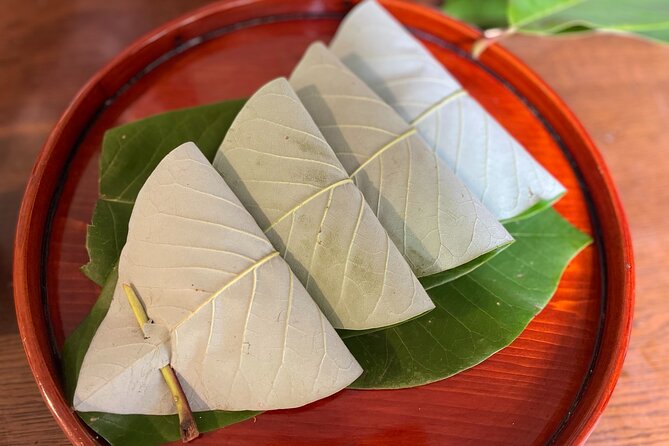
Most cooking classes rush straight into technique. This one starts softer, with Japanese tea and delicate wagashi (traditional sweets). That tiny opening does a lot of work for you. It sets the tone that you’re arriving in someone’s world, not walking into a timed activity.
Then you get a quick home-cooking introduction: what Japanese households focus on, how ingredients behave, and what makes certain flavor building blocks different from what you might be used to. You’ll be guided in learning from your hosts, who are comfortable teaching in English—so you’re not decoding instructions through a thick language fog.
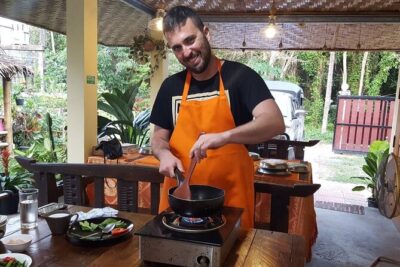
After that, you slip into a traditional apron and head toward the semi-outdoor kitchen. This matters because it changes how cooking feels. You’re not crammed at a restaurant counter. It’s more communal, more relaxed, and more like people actually cook when they have a kitchen space built for everyday flow.
The Semi-Outdoor Kitchen: Where Dashi and Techniques Click
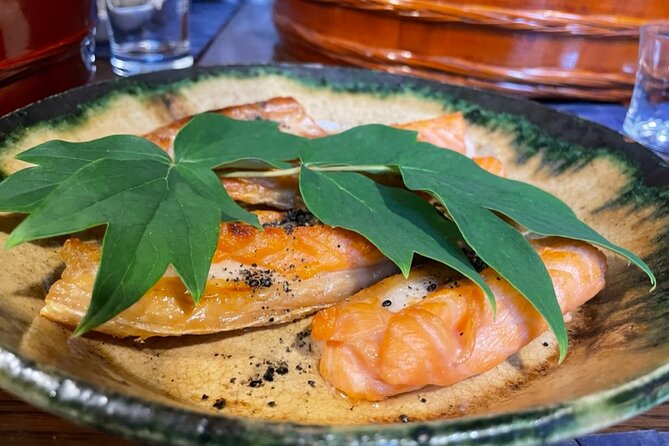
Once you’re in the kitchen area, the class turns hands-on. A major part of Japanese home cooking is the flavor base, and you’ll make dashi and learn about key ingredients along the way. Dashi is one of those things you can’t fake at home if you want real results. Seeing it explained and then working with it yourself helps you understand why it tastes the way it does.
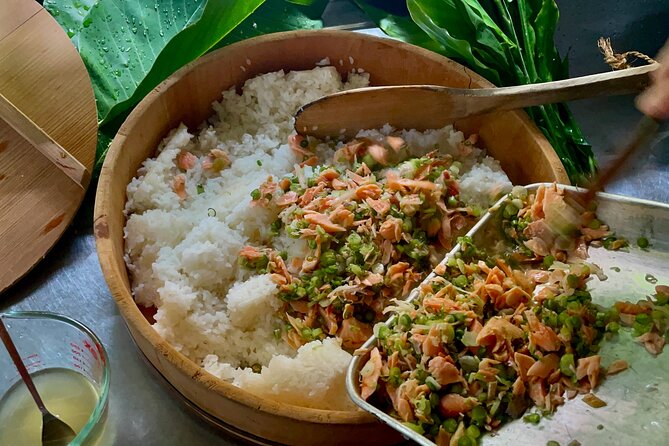
From there, you’ll cook five seasonal dishes tailored to your preferences. Along the way, the hosts explain tools and techniques you don’t usually encounter in a typical restaurant meal. Reviews mention things like learning how bonito is shaved with a household tool, plus hands-on practice with items such as rice balls, Japanese omelette technique, and rolling items like sushi.
One thing I really like about this style of teaching: you’re encouraged to participate rather than watch everything. Even if you wobble a flip or struggle with a shape, the process stays friendly. It’s practical cooking instruction with the atmosphere of hanging out with family friends.
What You’ll Cook: Five Seasonal Dishes That Can Include Local Favorites
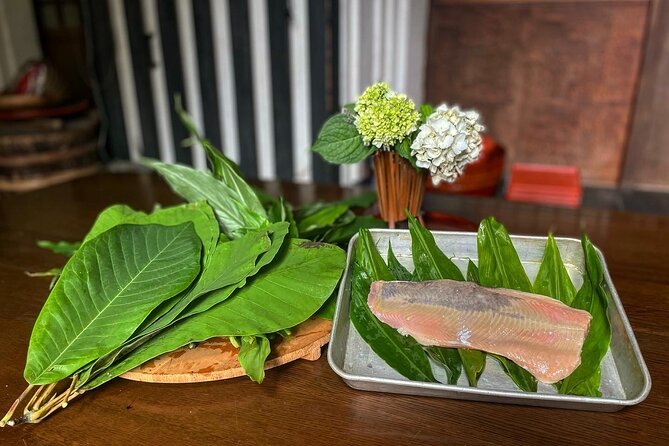
You won’t get a one-size-fits-all menu. You’ll be cooking five seasonal dishes, and the choices are tailored to what you request. The class is designed for flexible learning—so you might focus more on comfort-home basics, or you might lean into techniques you want to take home.
Based on what’s been made in past sessions, you could see dishes such as:
- sushi rolls
- gyoza and tempura
- homemade rice balls
- Japanese omelette
- tofu preparations (including very fresh, homemade-style tofu)
- sashimi or fish-based dishes
- Wagyu steak in some menus
- regional fish selections (one review mentions fish from North Japan)
The practical takeaway for you: don’t book this only if you already know every dish you want. Book it if you want to learn how Japanese flavors get built and how home cooks assemble meals. The hosts explain ingredients like bonito and help you understand seasoning choices—especially basics such as soy sauce and dashi differences and when seasoning is added.
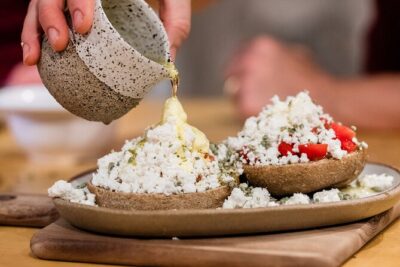
Dessert is also part of the seasonal story. You’ll finish with fresh seasonal fruit prepared in a uniquely Japanese style, which tends to feel light after the meal work. It’s a small final course that makes the whole experience feel complete.
Lunch at 10:00 AM or Dinner at 4:30 PM: Plan Around the Timing
You get two practical time options. If you choose the 10:00 AM slot, lunch is included. If you choose the 4:30 PM slot, dinner is included. Either way, you’re getting a full meal connection, not just snacks during cooking.
This timing matters for your day in Takayama. Old Town is best early and late, when foot traffic can be lower and the streets feel more lived-in. A late afternoon dinner class can also be a nice reset if you spent the morning walking markets, temples, or historic neighborhoods. You’ll get time to digest your day with a meal made from scratch.
If your schedule is tight, pick the slot that protects your appetite. You’ll be doing active cooking, plus eating what you make. This is not a class where you just sample one bite and head out.
Meeting Hisa and Bob: English-Friendly, Story-Heavy, and Hands-On
The strongest reviews don’t just praise the food. They praise the people. Hisa and Bob are described as warm, welcoming, and deeply rooted in Takayama. Their English is fluent, which is a big deal for a cooking class in rural-ish settings. You can ask questions and actually get answers you’ll use later.
Tomoa is also mentioned in multiple reviews as part of the experience, including moments where she and family help shape the flow. The point is: this is a family-led setting. You’re not being processed through a script.
The story element is practical too. You’ll hear about life in Takayama, how locals live with the seasons, and how the home itself fits into that rhythm. One review also highlights that the hosts will ask what you want from the experience—more casual fun or more informative detail—and then adapt. In at least one session, they prepared notes breaking down Japanese cuisine and how seasoning order works.
That adaptability is the value. If you’re a foodie who cooks at home, you’ll likely appreciate the ingredient explanations. If you’re a first-timer, you’ll still get clear steps and a friendly pace.
Price and Value: What $211.37 Per Person Is Really Paying For
$211.37 per person sounds high until you compare what you’re actually getting. You’re paying for a private home experience—3 hours—with a full meal included (lunch or dinner depending on your slot), tea, and instruction from fluent English hosts inside a historic house that’s otherwise closed to the public.
You’re also paying for something harder to price: the chance to learn real technique instead of sitting through a staged demo. Reviews mention learning how to shave bonito, working with Japanese omelette technique, making rice balls, and getting guidance on seasoning timing and ingredient differences. That kind of instruction is hard to replicate by buying a cookbook alone.
A cooking class like this also saves you time. It doesn’t just teach you a recipe. It teaches you a home-cooking approach—dashi foundations, how flavor gets built, and how meals come together as a seasonal set of dishes. That’s what turns the experience into something you can reproduce.
Alcoholic beverages are not included. If you want to drink, plan on paying separately. But even without alcohol, the included tea/coffee and the meal itself make the value feel straightforward.
Who This Class Fits Best (And Who Might Want Another Option)
This is ideal if you want:
- an intimate, private experience in a real Takayama home
- hands-on cooking instruction and ingredient explanations
- a seasonal approach that ties food to the Hida mountains
- an English-friendly class where you can ask questions
You might want a different option if you’re only interested in watching cooking from a distance. This class is participatory. You’ll be wearing an apron, working at the kitchen area, and cooking the dishes you’ll eat. If you’d rather just be served, you may feel more involved than you expected.
Also, because the dishes are seasonal and tailored, you should avoid booking this solely to guarantee one specific menu item. Think of it as a Japanese home-cooking lesson shaped around what’s best right now and what you request.
Tips to Make Your 3 Hours Go Smoothly
A few practical moves help a lot.
First, send your preferences and restrictions ahead of time if you have them. The hosts explicitly say they’re happy to accommodate as much as possible, and that tailoring is a core part of how the class works.
Second, decide what you want out of the experience: more hands-on fun or more informative technique. One review describes being asked this directly, and then receiving notes on Japanese cooking. If you care about the why behind the flavors, tell them.
Third, plan to eat. Lunch or dinner is included depending on your slot, and the class ends with fruit dessert. Come with a normal appetite. If you’re too full from an earlier meal, you’ll miss part of the payoff—learning doesn’t stop at the stove.
Should You Book This Takayama Cooking Class?
I’d book it if you want a Takayama experience that feels personal and real, not a generic cooking demo in a rented space. The combination of historic home setting, English-speaking family hosts (Hisa and Bob, with Tomoa appearing in some sessions), and hands-on cooking of seasonal dishes makes it one of those rare activities that’s equal parts food and cultural context.
Skip it only if you strongly prefer fixed menus, want a purely observational class, or you’re trying to keep costs extremely low. Otherwise, this is a smart use of time in Takayama Old Town—especially if you want to learn techniques you can actually repeat at home.
FAQ
How long is the Japanese cooking class in Takayama Old Town?
The experience lasts about 3 hours.
What meals are included with each time slot?
If you book the 10:00 AM slot, lunch is included. If you book the 4:30 PM slot, dinner is included.
What will I cook during the class?
You’ll prepare dashi, learn about key ingredients, and cook five seasonal dishes tailored to your preferences. You’ll also have a fruit dessert prepared in a Japanese style.
Is this tour private or shared with other groups?
It’s private. Only your group participates.
Can the hosts accommodate food requests or restrictions?
Yes. You can write your requests about food and any restrictions, and the hosts say they are happy to accommodate as much as possible.
Are alcoholic beverages included?
No. Alcoholic beverages are not included.
Where does it meet, and do I get a ticket?
The meeting point is 93 Kamisannomachi, Takayama, Gifu 506-0846, Japan. You’ll use a mobile ticket, and it’s near public transportation.