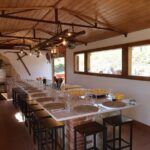
Fresh pasta beats street food. This small-group class lets you cook like a Roman chef and then eat what you make, with a real dinner table moment at the end. I especially like hands-on pasta technique (flour, eggs, shaping) and the sit-down meal with wine. The one drawback to keep in mind: the class venue can be a working restaurant kitchen or a chef’s house, and when it’s busy you may not do every course end-to-end.
You’ll work with a local Italian chef, usually through an English-speaking translator. Names you may meet include guides like Richie or Holly, with chefs such as Loretta or Laura doing the teaching. Menu options are built around classics like bruschetta al pomodoro, fettuccine al ragù Bolognese or carbonara, ravioli di ricotta e spinaci, gnocchi (often with pesto), and tiramisu. I like that the lesson includes not just technique, but also stories about how the dishes became Roman staples.
Timing matters here. The start is listed as 4:30 pm with a meet-up at Piazza Navona 14, and the whole experience runs about 2 hours 30 minutes to 3 hours 30 minutes. At $107.23 per person (taxes included), you’re paying for chef-led cooking plus a full dinner setup—so if you’re the type who wants maximum kitchen time, go in with clear expectations.
In This Review
- Key Points Before You Go
- Piazza Navona 14: The Easiest (and Most Important) Meet-Up
- Roman Chef Mode: Kitchen Reality Check (Restaurant vs Chef’s House)
- What You’ll Cook: Pasta, Ravioli, Gnocchi, and the Classics
- Dinner Is Part of the Lesson: Appetizer, Wine, and Tiramisu
- The Chef and Translator: How English Support Changes Everything
- Recipes to Take Home: The Real Test of Value
- Price and Value: Is $107.23 Worth It?
- Who Should Book This Cooking Class (and Who Might Want Another Option)
- Should You Book Be a Roman Chef for a Day?
- FAQ
- What time does the cooking class start?
- Where do we meet in Rome?
- How long is the class?
- Is this really a small group?
- What dishes might we learn to cook?
- Is there a vegetarian option?
- Is wine included, and is there an age limit?
- Where does the class take place?
- How do we receive the recipes?
- Is the experience refundable if I cancel?
Key Points Before You Go
- Hands-on pasta making with flour and eggs, plus shaping skills for ravioli and/or gnocchi
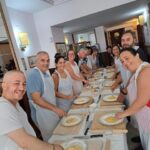
- Small group size (up to 15) with a vibe that often feels personal
- You eat together: starter, pasta, dessert like tiramisu, and wine
- English support through a translator if the chef doesn’t speak English
- Venue may vary (restaurant kitchen vs chef’s house), which can affect how “relaxed” the cooking feels
- Recipes are promised, but if they arrive by email, it’s smart to check spam folders
Piazza Navona 14: The Easiest (and Most Important) Meet-Up
Your evening starts around the historic center, at Piazza Navona. The coordinator waits at Piazza Navona 14 holding a sign for Savor Italy Tours, and you’re asked to be there at 4:30 pm so you don’t end up hunting in the wrong square.
This part sounds simple, but it affects the whole mood. If you arrive late, you’ll feel rushed from the first minute—especially because the later cooking window can already be tight. I’d build in buffer time and do a quick orientation walk around the fountains so you know you’re in the right spot before you look for the sign.
Also note that the address description is specific: you should find the church near the central fountain, then look toward your left side. It’s the kind of meeting point where you can accidentally walk into the correct area but the wrong square. Once you’re on the right side, the rest is usually straightforward: you meet your group, get directed to the chef’s kitchen location, and roll into the lesson.
You can also read our reviews of more tours and experiences in Rome.
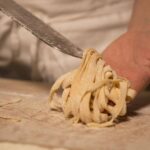

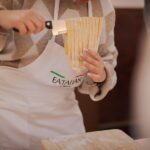
Roman Chef Mode: Kitchen Reality Check (Restaurant vs Chef’s House)
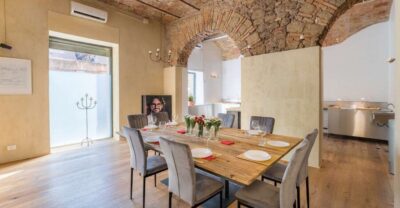
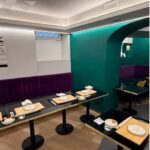
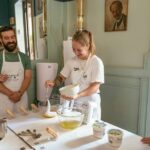
The promise is that you learn to be a Roman chef for the day, but the how depends on the day. The class is held either at a restaurant or the chef’s house.
That sounds minor, but it changes the experience. In a chef’s house setting, the class can feel more like a private lesson. In a restaurant kitchen, you might hear more restaurant rhythms in the background—orders coming in, space that isn’t built for a group lesson, and a chef balancing teaching with actual service.
Here’s what this means for you practically:
- If you’re a beginner, a busier room can still work well because you’ll get clear steps and tasting opportunities.
- If you specifically want to grind through every task yourself—bruschetta prep, sauce building, dessert assembly—then you’ll want to manage expectations. Some sessions have ended up more focused on pasta and less hands-on for every course.
The best way to protect your money is simple: when you meet the coordinator and translator, ask what you’ll be hands-on making that night (not just what’s on the menu). If the menu includes bruschetta and tiramisu, you want to know how much of that is cooking versus serving.
What You’ll Cook: Pasta, Ravioli, Gnocchi, and the Classics
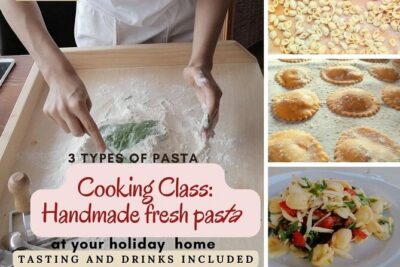
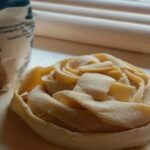
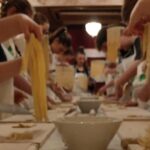
The class centers on pasta techniques and structure—how to work the dough, shape, and connect pasta to sauce. You can expect to make fettuccine and/or ravioli and/or gnocchi, depending on the day and season. The menu can change slightly based on what’s freshest, so don’t lock your entire night around one exact dish name.
Typical dishes you may make include:
- Bruschetta al pomodoro (tomato-based starter)
- Fettuccine al Ragù Bolognese or Fettuccine al Carbonara
- Ravioli di Ricotta e Spinaci
- Gnocchi al Pesto (potato dumplings with pesto)
- Tiramisu for dessert
What matters isn’t just the dish list. It’s what you learn while making them: the mechanics of pasta dough (flour and eggs), rolling and cutting (for shapes like fettuccine), filling and sealing (for ravioli), and portioning and texture (for gnocchi). Even if you only make one main pasta type that evening, you’ll leave knowing how Roman-style pasta feels in your hands.
If you’re traveling with dietary needs, there’s an option for vegetarian, and you can advise specific requirements at booking. One more helpful note from experience on the ground: gluten-free has reportedly been handled well on some occasions, but only you can confirm details for your exact needs when you book.
Dinner Is Part of the Lesson: Appetizer, Wine, and Tiramisu
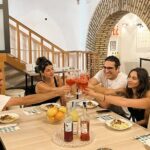
This experience isn’t just a workshop where you stand, watch, and leave. You sit down and eat your creations. The included dinner setup includes starters, dessert, and wine with the meal.
In a perfect world, you’ll connect the dots: you make the components, you learn the structure, then you taste the final plate while it’s still fresh in your brain. That’s the value. It turns technique into something you can remember and repeat.
About wine: the tour says wine is included, and the minimum drinking age is 18. In practice, wine quantity can vary by night—some people have noted feeling it was limited. So if wine is a big part of your evening, it’s smart to keep your expectations flexible and plan for water between courses.
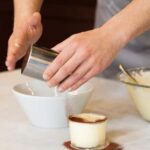
Dessert is usually tiramisu. And that’s a smart choice for a cooking class menu: it’s iconic, it’s a crowd-pleaser, and it gives you a sweet ending that feels authentically Italian rather than like a generic class dessert.
The Chef and Translator: How English Support Changes Everything
Cooking in Italy is often about flow. If you’re working with a chef who doesn’t speak English, you rely on a translator to keep your attention on technique—timing, texture, and what to look for.
In some classes, the translator role is very hands-on in practice. Guides like Richie or Holly have been described as strong navigators and translators, helping keep the lesson moving and helping you participate instead of freeze. That matters, because pasta-making is a “watch and do” skill. If you miss one explanation—like how to judge dough consistency—you can lose time fast.
You may also notice a tag-team teaching style. The chef teaches in the kitchen, and the translator supports you in real time, making sure you understand what you’re doing. That’s great for first-timers and also helpful if you’ve cooked before but want the Italian method.
The one pace consideration: in busier restaurant kitchens, the class can feel time-pressured. Some nights run like a sprint through pasta technique. If your ideal class is slow and relaxed, you might want to ask about overall schedule once you meet your group.
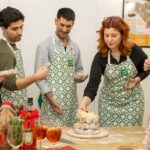

Recipes to Take Home: The Real Test of Value
A big selling point is that you get to take home recipes so you can recreate dishes later and impress friends. That’s the part that turns the class from a fun evening into a useful skill.
But a key practical note: recipes are sometimes delivered by email later, and delays can happen. If you receive them, you’ll want to save them somewhere easy to find. If they don’t show up right away, check spam folders, since that’s a common place for email confirmations to land.
If you care about the recipes, I’d do two things:
- Confirm how you’ll receive them before you leave.
- Ask the guide at the end whether you’ll get them digitally and how long it typically takes.
This isn’t about scaring you. It’s about setting yourself up so the final “take home” part actually happens for you.
Price and Value: Is $107.23 Worth It?
At $107.23 per person, this sits in the “you’re paying for more than food” category. Your money covers:
- A professional chef-led cooking lesson
- Small-group format
- Taxes and fees
- Dinner with what you cook plus wine
So the question becomes: do you get hands-on cooking time that matches the menu promise?
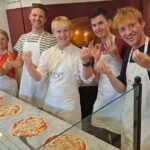
On good nights, you’ll feel like you’re learning. You participate, you shape pasta, you taste your work, and you leave with recipes. Some people describe it as one of their best experiences in Rome—because the class is short enough to fit an itinerary, but complete enough to feel like you actually learned.
On weaker nights, people have said the pacing can reduce hands-on time for certain items, and that the experience may end earlier than expected. That doesn’t mean it’s a bad class every time. It means you should go in prepared: decide what you’re there for—pasta technique first—and you’ll feel happier with the outcome.
Who Should Book This Cooking Class (and Who Might Want Another Option)
This is a strong fit if you:
- Want fresh pasta skills in a short evening window
- Like learning by doing rather than watching
- Enjoy dinner as part of the activity, not as an afterthought
- Travel with a partner or small group and want an intimate setting
It may not be the best fit if you:
- Need a calm, quiet kitchen experience with tons of time for every dish component
- Are very sensitive to cleanliness or cramped spaces (restaurant kitchens aren’t always designed for teaching)
- Want guaranteed equal hands-on time for every course every single night
If you’re a first-timer, you’ll likely appreciate the structure: dough, shaping, sauce pairing, and tasting. If you’re an intermediate cook, it can still be rewarding because pasta texture and sealing technique are the details that make Italian food feel different.
Should You Book Be a Roman Chef for a Day?
Yes, if you want a classic Rome food night that mixes technique and dinner. The strongest reasons to book are the hands-on pasta focus and the fact that you don’t just leave with recipes—you eat what you made with wine and dessert.
If you’re picky about “chef’s house” atmosphere, know the venue can vary. If your top goal is making every single course from scratch, send a note (or ask in person) about what you’ll personally cook that evening, not just what’s on the table.
For most people, this ends up as a fun, skill-building anchor in a Rome trip—right around the perfect time, when the city is cooling down and you’re ready to trade sightseeing energy for flour-and-egg energy.
FAQ
What time does the cooking class start?
The class starts at 4:30 pm.
Where do we meet in Rome?
You meet at Piazza Navona 14. The coordinator is waiting with a sign for Savor Italy Tours.
How long is the class?
The duration is approximately 2 hours 30 minutes to 3 hours 30 minutes.
Is this really a small group?
Yes. It’s a small-group experience with a maximum of 15 travelers.
What dishes might we learn to cook?
The class focuses on fresh pasta and may include items like bruschetta al pomodoro, fettuccine (ragù Bolognese or carbonara), ravioli (ricotta and spinach), gnocchi (often with pesto), and tiramisu. The menu can change by season.
Is there a vegetarian option?
Yes, a vegetarian option is available. You should advise at booking.
Is wine included, and is there an age limit?
Wine is included with the dinner, and the minimum drinking age is 18.
Where does the class take place?
The class is held at either a restaurant or the chef’s house.
How do we receive the recipes?
Recipes are described as something you get to keep and recreate at home. You should confirm how they’ll be shared when you’re there, since they may be sent after the class.
Is the experience refundable if I cancel?
This experience is non-refundable and cannot be changed for any reason.