REVIEW · JEJU ISLAND
JEJU Cooking Class _Class & Dinner at Jeju Seaside Sunset Terrace
Book on Viator →Operated by Manking Jeju Pony · Bookable on Viator
Cooking at sunset feels like Jeju in a nutshell. You learn Korean basics at the Jeju Seaside Sunset Terrace, then eat what you make with ocean light and chopstick-friendly guidance. The Bulgogi know-how alone helps you recreate the flavors back home.
What I really like is how practical the recipes are: you can make vegetarian or vegan versions, and the chef explains seasonings and core technique so the dishes feel doable at home. Sue runs the class in a maximum of 6 group, keeping it hands-on, but you’ll need your own way to and from the meeting point since private transportation isn’t included.
In This Review
- Key highlights before you book
- Where the class happens: Jeju seaside terrace, dinner-ready setup
- Meet Sue and get real hands-on help
- Korean cooking basics: chopstick-friendly technique, explained
- Your menu: Bulgogi, Japchae, Geotjeoli, and one dessert
- Bulgogi (stir-fried marinated beef)
- Japchae (glass noodles with pork and more)
- Geotjeoli (Korean vegetable salad)
- Dessert
- Dining at sunset: traditional table, Korean drinks included
- What you can drink with dinner
- The Jeju route before the cooking: Olle Trail, Seogwipo coastline, mountain views, tea stops
- Jeju Olle Trail Routes
- Jungmun Saekdal Beach
- Sanbangsan Mountain
- O’sulloc Tea Museum
- Price and value: what $139 buys you (and who it’s for)
- Practical tips to make the 5 pm start work
- Should you book this Jeju seaside sunset cooking class?
- FAQ
- What dishes will I learn to cook?
- How long is the experience?
- Are vegetarian or vegan options available?
- What drinks are included with the dinner?
- Is private transportation included?
- How many people are in the group?
Key highlights before you book
- A 3-hour class that finishes with a plated seaside dinner at sunset
- Sue guides you step by step through multiple Korean classics
- Bulgogi, Japchae, and Geotjeoli plus one dessert
- Vegetarian and vegan options available if you tell them ahead
- Traditional Korean dining style with Korean wine options
- Small group size (up to 6) for better attention
Where the class happens: Jeju seaside terrace, dinner-ready setup
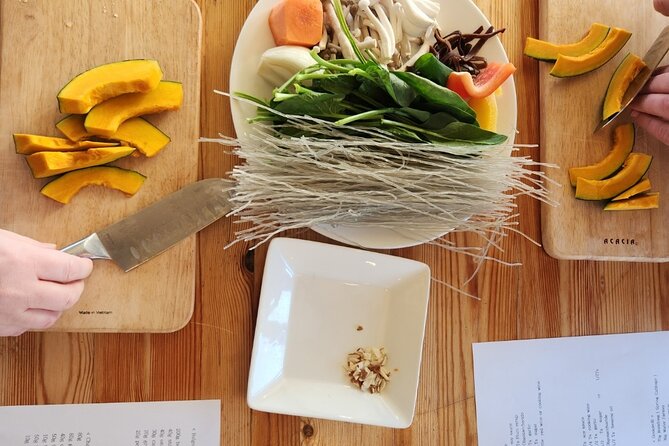
This experience is built around an easy, satisfying flow: you cook, then you sit down and eat in a traditional Korean-style table setting while the ocean does its thing. Starting at 5:00 pm and ending back at the meeting point keeps it simple, and the mobile ticket means you can focus on the evening instead of paperwork.
The biggest advantage here is the “learn and taste” loop. You’re not just watching a demonstration; you’re making the dishes and then eating them in the same mood and setting. That matters because Korean cooking is often about balance—sweet, salty, savory, and heat—and it’s hard to understand that balance until you taste it right after cooking.
Also, the group is small—up to 6 travelers. That’s the difference between getting a quick answer and getting actual coaching on what to do next.
Meet Sue and get real hands-on help
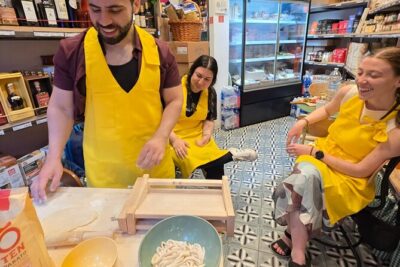
You’ll be cooking with a professional chef, Sue, who teaches the steps as you go. The class is designed for people with little cooking experience, so don’t worry if your kitchen skills are mostly opening packages and boiling water. The structure is straightforward: you work through basic recipes, then learn the seasonings and the patterns that help you redo the dishes at home.
Two practical design choices make this work:
- Step-by-step instruction reduces the usual cooking-class chaos.
- Small group size helps you ask questions without waiting forever.
The other detail I like is that they connect technique to eating style. You’re learning Korean food for how Koreans actually eat it—with chopsticks—and the chef also talks about spoon-and-chopstick culture differences compared with Western habits. That turns the cooking lesson into a small culture lesson without getting too lecture-y.
Korean cooking basics: chopstick-friendly technique, explained
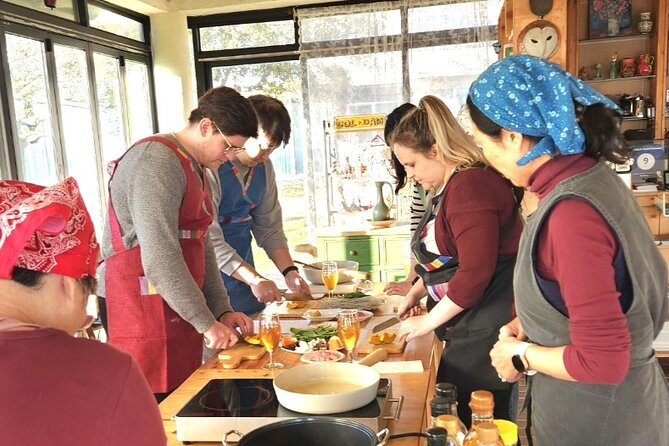
Korean food is not just ingredients; it’s how the food behaves in your mouth and how you manage it with chopsticks. During the class, you’ll get guidance on basic cooking methods and how to season for the flavor you’re aiming for.
Here’s why that matters for your life after Jeju:
- When you understand the why behind seasoning, you can adjust for your kitchen and your ingredients.
- When you learn the texture you’re going for (especially for noodle dishes and vegetable salads), your at-home version tastes more like the real thing.
They also emphasize Korean culture through food routines—so you’re not only learning recipes, you’re picking up the logic behind them. That can help you feel confident when you try these dishes again later.
Your menu: Bulgogi, Japchae, Geotjeoli, and one dessert
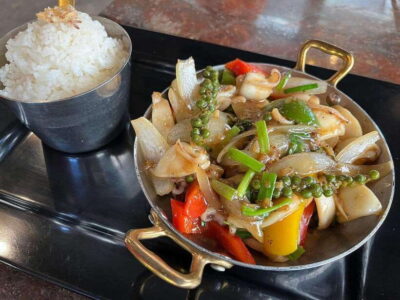
You’ll cook three main dishes and one dessert, with everyone learning the basics and seasonings. The core menu is built around flavors that travel well to home cooking: marinated meat, stir-fried noodles, and a balanced vegetable salad.
Bulgogi (stir-fried marinated beef)
Bulgogi is one of Korea’s most familiar comfort foods, and it’s a smart dish to learn first. Marination is where the flavor lives, and the stir-fry is where you learn timing and heat control.
If you want a Korean meal you can repeat even when you’re busy, Bulgogi is the one to practice. Even if you don’t nail it on the first try, you’ll have a clear direction for how it should taste.
Japchae (glass noodles with pork and more)
Japchae is the “how do they get that texture?” dish. Noodle cooking can be intimidating until you understand the key steps. In this class, you’ll learn a method for working with glass noodles and balancing it with savory elements (including pork in the standard version).
Once you learn the seasoning pattern and how the noodles should feel, you can adapt it later using what you have.
Geotjeoli (Korean vegetable salad)
Geotjeoli is a practical way to learn Korean seasoning beyond meat and noodles. Vegetable salads can sound simple, but the flavor comes from dressing style—salty, tangy, and often with a good hit of spice depending on preference.
And since this class offers vegetarian or vegan options, Geotjeoli is usually a great entry point. You get something fresh on the table without needing complicated techniques.
Dessert
You’ll also cook one dessert. The details aren’t listed here, but you’ll want to treat dessert as part of the learning arc, not just a sweet ending—Korean meals often keep a thoughtful rhythm from savory to finish.
Dining at sunset: traditional table, Korean drinks included
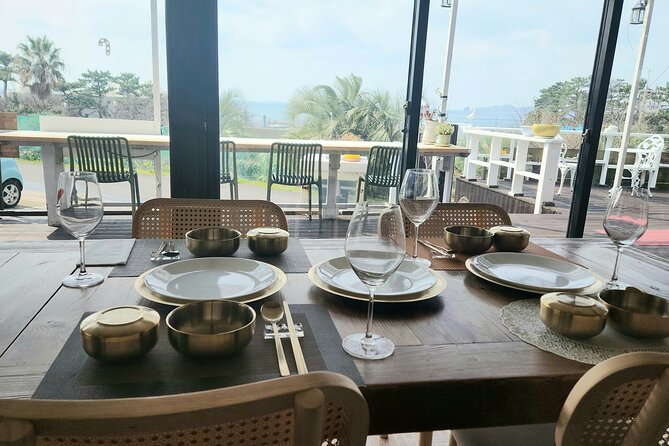
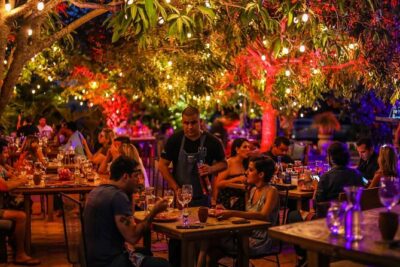
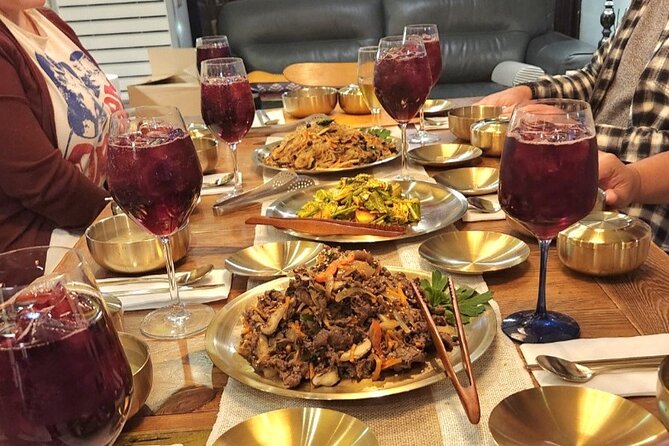
After cooking, you’ll eat what you made at the table in a traditional Korean-style setup. Then you add the main ingredient you can’t cook at home: the ocean sunset from the seaside terrace.
That dinner format changes how you experience the food. Freshly cooked Bulgogi tastes richer when you’re still in the cooking “zone.” Japchae also makes more sense when you immediately compare the texture you made with the texture you see others eating.
What you can drink with dinner
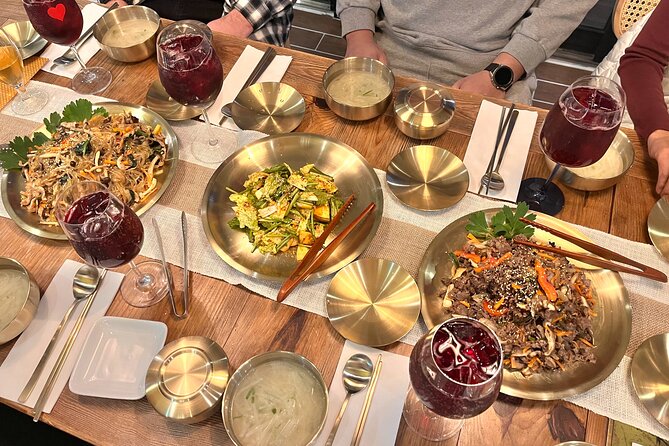
Dinner includes a Korean drink, with alcohol options such as:
- Mageoli
- Bokbunza
There are also non-alcoholic options available. This is a nice touch because it keeps the experience flexible while still letting you try Korean drinks in a relaxed setting.
The Jeju route before the cooking: Olle Trail, Seogwipo coastline, mountain views, tea stops
This experience is timed like an evening stroll that leads into the terrace. You start at 46 Daepyeong-ro, Andeok-myeon, Seogwipo at 5:00 pm, and along the way you’ll make stops connected to Jeju’s signature scenery.
Even though the core event is the cooking and dinner, these stops matter because they set the mood. Jeju’s food is tied to the island’s ingredients and atmosphere, and seeing the coastline and views before you eat makes the meal feel more grounded.
Jeju Olle Trail Routes
You’ll spend time on the Jeju Olle Trail routes as part of the evening program. Olle trails are known for walking routes that help you look at the island at a human pace. This is the kind of stop that works well before a cooking class because it gets you outside and moving without turning the day into a big, exhausting hike.
Jungmun Saekdal Beach
Next up is Jungmun Saekdal Beach, a coastal stop that’s made for sea views and that late-day lighting that makes everything feel calmer. For a food experience, this is a good reset. You arrive at dinner ready to taste rather than already exhausted.
Sanbangsan Mountain
Then you’ll head to Sanbangsan Mountain. Mountain views in Jeju have a way of making the island feel dramatic even on a short outing. If you like scenery, this stop helps round out the evening so it’s not only about the kitchen.
O’sulloc Tea Museum
Finally, you’ll visit the O’sulloc Tea Museum. Tea is part of Jeju’s identity, and this stop adds a flavor connection to what you’ll eat later. Even if you don’t go deep into exhibits, the point of the stop is to give you that Jeju feeling beyond the coastline.
Practical note: the full activity is about 3 hours total, so think of these stops as well-paced highlights rather than long visits.
Price and value: what $139 buys you (and who it’s for)
At $139 per person, this is not a bargain-food option. But it isn’t only a meal, either. You’re paying for:
- A guided cooking class with step-by-step help
- Multiple dishes (3 mains + 1 dessert) made by you
- Dinner included plus a Korean drink (alcohol or non-alcohol)
- A small group size cap that makes the coaching more personal
- A sunset seaside setting tied to the meal
So the real question is: do you want an experience where you learn to cook, eat on the spot, and still get a mini Jeju scenery circuit in the same evening? If yes, the price starts to look fair. If you just want food with no cooking involvement, you’d likely spend less elsewhere.
This is a great fit if you:
- Want hands-on Korean cooking that you can redo at home
- Have some interest in Korean culture tied to food and eating style
- Prefer smaller groups over huge tour crowds
- Travel as a couple or small group (it works for 2 or more people)
Practical tips to make the 5 pm start work
A few things to keep it smooth:
- Arrive a bit early so the evening doesn’t feel rushed right at the start time.
- If you need vegetarian or vegan versions, tell them in advance. The class is set up to adjust, but it’s best when they know your needs ahead of time.
- Brush up on your chopstick comfort level mentally. Even if you’re not a pro, the class is designed around the reality of eating with chopsticks.
- Plan to use the included meal fully. The value is strongest when you eat the dinner right after cooking.
Also, since private transportation isn’t included, you’ll want to be ready to get yourself to the meeting point and back.
Should you book this Jeju seaside sunset cooking class?
Book it if you want an evening that mixes learning, eating, and Jeju views without turning your day into a long marathon. The standout advantage is the combination of hands-on cooking guidance from Sue plus a real sunset dinner you share right after cooking. It’s also a strong choice if you care about repeatability at home, because the focus is on seasonings and basic techniques you can recreate.
Skip it if you’re looking for a purely sightseeing-heavy tour or you’d rather eat without cooking. And if transport planning stresses you out, remember private transport isn’t included, so make sure you’re comfortable getting to the start point.
FAQ
What dishes will I learn to cook?
You’ll learn the basics for Bulgogi, Japchae, and Geotjeoli, plus you’ll also cook one dessert.
How long is the experience?
The cooking class and dinner are about 3 hours.
Are vegetarian or vegan options available?
Yes. Every dish prepared can be made vegetarian or vegan if you let them know in advance.
What drinks are included with the dinner?
Dinner includes a Korean drink with options such as Mageoli or Bokbunza, and there are also non-alcoholic options.
Is private transportation included?
No. Private transportation isn’t included, so you’ll need to arrange getting to the meeting point.
How many people are in the group?
The activity has a maximum of 6 travelers.