REVIEW · FLORENCE
From Florence: Cooking Class & Lunch at Tuscan Farmhouse
Book on GetYourGuide →Operated by Walkabout Tours · Bookable on GetYourGuide
Mercato Centrale plus a Tuscan farmhouse meal. I love the market-to-farmhouse rhythm and the fact that you leave knowing how to make real Tuscan staples like pasta by hand and tiramisu, not just admire them. One consideration: group size can run big (around the low-to-mid 20s), so hands-on time can feel a bit shared.
This is the kind of day where the guides keep you moving and laughing while you learn. I’m especially taken by the way the team often pairs an energetic market guide like Luca with a chef like Carmela, so you get both shopping context and cooking technique. If you want quiet, museum-style pacing, this won’t be it.
In This Review
- Key highlights to know before you go
- Florence’s market-to-farmhouse format makes the whole meal make sense
- From Santa Maria Novella to the countryside: logistics that save your energy
- Mercato Centrale shopping: how to choose ingredients that turn into real Tuscan flavors
- The cooking class: fresh pasta by hand, ragù made the Tuscan way, and bruschetta built correctly
- Fresh pasta and the eggs-in-the-dough approach
- Ragù as the hearty backbone
- Bruschetta with tomatoes and the right olive oil
- Chianti break and the roast course: herbs you actually pick yourself
- Tiramisù: coffee-and-cream technique you can redo at home
- Lunch pairing, recipes, and the Italian cooking diploma
- Group size, energy level, and who this fits best
- Price and value: what you’re really paying for at $203.91 per person
- Should you book this Tuscany farmhouse cooking class from Florence?
Key highlights to know before you go
- Mercato Centrale ingredient shopping where you pick the cheeses, cured meats, oils, vinegar, and produce that actually drive the meal
- Rural farmhouse cooking in a scenic setting outside Florence, with herbs gathered on-site for the roast
- Hands-on Tuscan dishes including fresh pasta, ragù, bruschetta, roast pork with potatoes, and tiramisù
- Wine at the right moments with Chianti served during the flow, plus wine pairing with your 3-course lunch
- Recipes + an Italian cooking diploma so the day is more than a one-time show
- English live guide and a format that tends to be energetic, even if the group is larger
Florence’s market-to-farmhouse format makes the whole meal make sense
Most Florence tours show you food after the fact: you taste, you move on. This one connects the dots. You start in the city at Mercato Centrale, then you head out to a Tuscan farmhouse and cook what you selected. That order matters. By the time you’re cracking eggs, chopping tomatoes, or building ragù, you understand why the ingredients you chose in the market matter so much.
You’ll also see Tuscany through the everyday lens of the people who sell food for a living. The market walk is built around meeting the folks behind the stalls, including butchers, bakers, and farmers, and learning how to choose seasonal product without guesswork. It’s practical stuff: what to look for in produce, how to think about cheeses and preserved goods, and how staples like olive oil and balsamic vinegar fit into Italian flavor.
The payoff is that your lunch doesn’t feel like a random menu. It feels like a result of decisions you made that morning.
You can also read our reviews of more tours and experiences in Florence.
From Santa Maria Novella to the countryside: logistics that save your energy
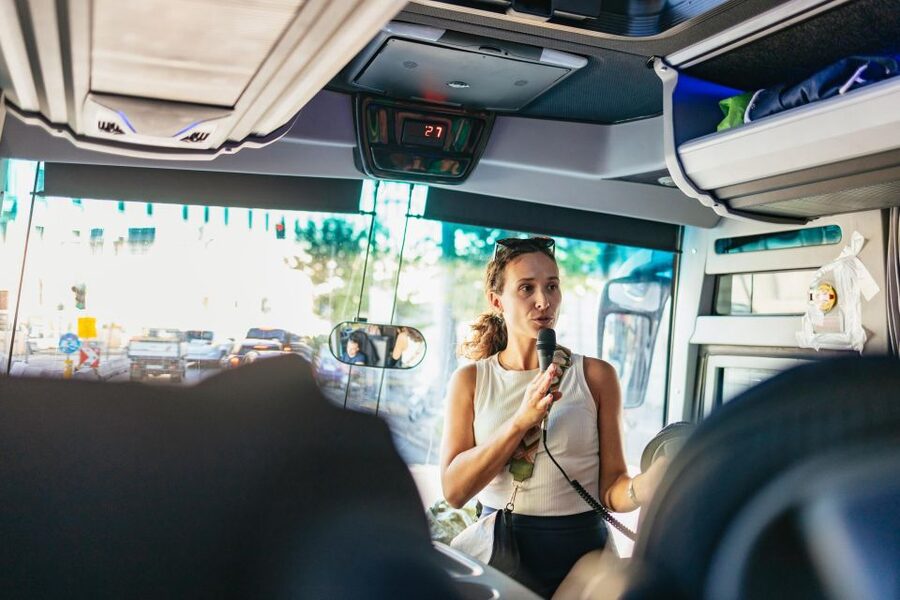
You’ll meet your guide at the taxi stand outside Santa Maria Novella train station, and your guide will be holding a sign with the provider name Walkabout Tours. It’s an easy meeting spot if you’re already staying near the station or using it as your daily base.
Then you transfer out of Florence to the farmhouse in the countryside. The ride is part of the day, not a punishment. You’re going to trade city streets for country views, and you’ll arrive ready to cook rather than arriving hungry and scattered.
This matters because the schedule is tight in a good way. You’re not just “doing activities.” You’re following a clear arc: shop, cook, eat, and take home materials.
One caution: the experience isn’t designed for people with mobility limitations. The surfaces are uneven and can be steep. Even if you can walk short distances, you’ll likely be on your feet for the market part and moving around the farmhouse setting.
Mercato Centrale shopping: how to choose ingredients that turn into real Tuscan flavors
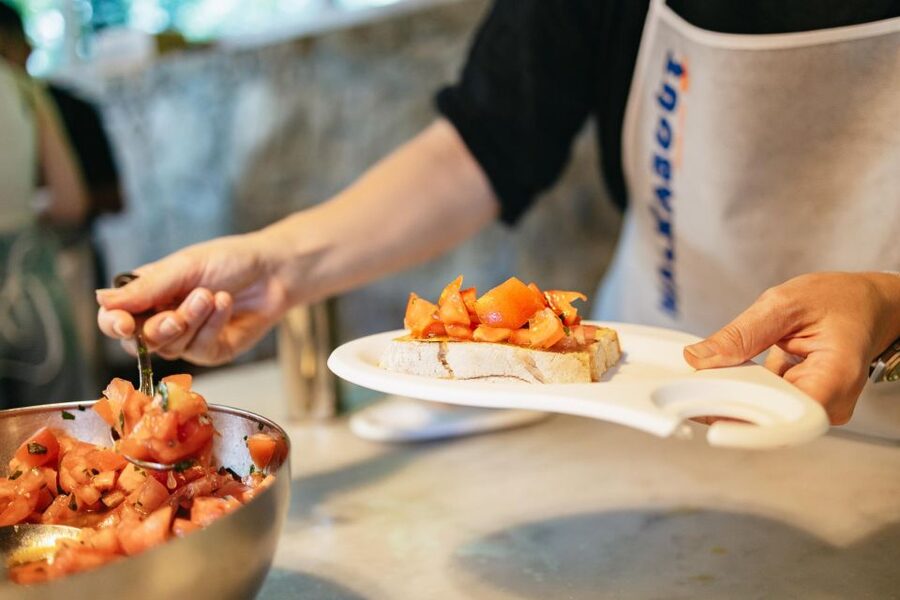
Mercato Centrale is the heart of the first act. You’ll stroll through the historic, colorful market and blend in with the daily rhythm of locals picking ingredients. The stalls you’ll focus on include categories that show up again in your dishes: fruit and vegetables, cheeses, cured meats, olive oil, balsamic vinegar, sun-dried tomatoes, and olives, among others.
Here’s what’s genuinely useful for you: the guide isn’t just pointing at things. You learn how to select ingredients based on quality and seasonality. That’s the difference between a tourist-tasting meal and something you can reproduce at home. For example, Italian cooking often depends on a few key ingredients. If your olive oil or tomatoes aren’t right, the dish doesn’t taste “Tuscan.” It tastes like whatever you grabbed.
You’ll also get time for sampling along the way. The market portion isn’t only visual; it’s designed to help your palate connect with what you’ll cook later. You’ll get a better sense of how cured meats and cheese pair, and why vinegar and oil show up in multiple parts of the menu.
Two important scheduling notes:
- Mercato Centrale isn’t visited on Sundays or public holidays because the market is closed.
- The tour is in English with a live guide, so you’ll be able to ask questions while choosing ingredients.
If you’re the kind of traveler who enjoys grocery-store logic and food labels but doesn’t want to spend your whole vacation researching, this is a great match.
The cooking class: fresh pasta by hand, ragù made the Tuscan way, and bruschetta built correctly
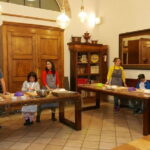
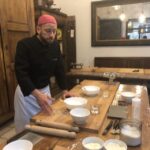
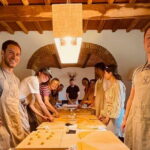
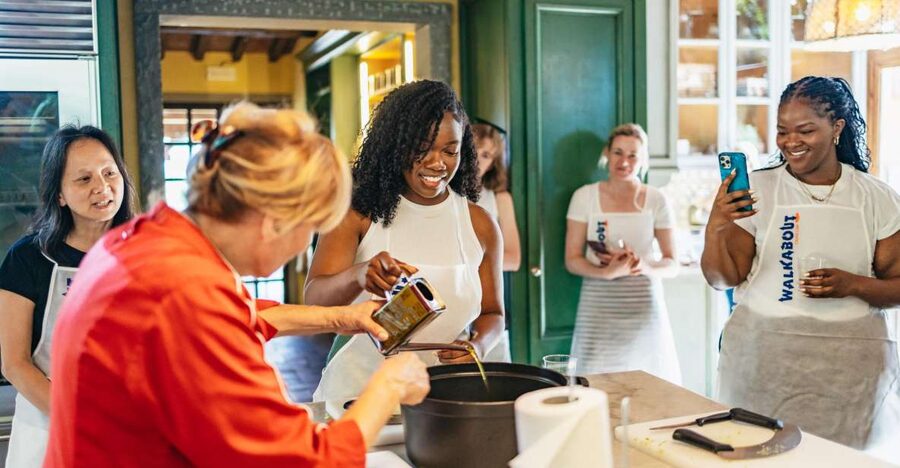
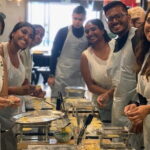
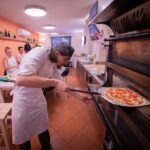
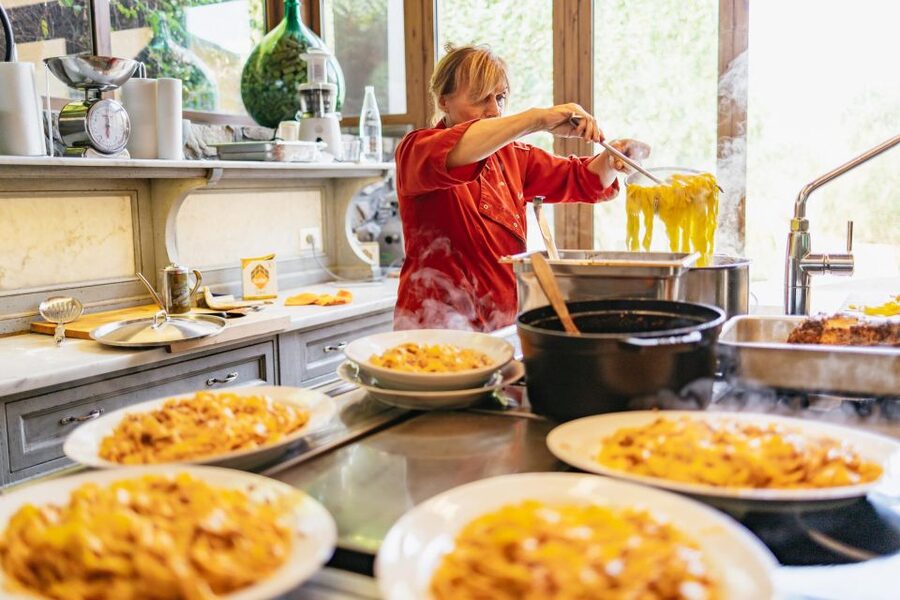
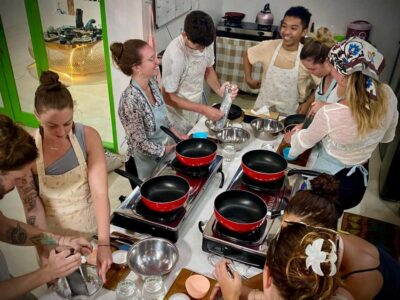
Once you reach the farmhouse, the day shifts from choosing ingredients to using technique. Your chef walks you through the cooking, and the format is hands-on: you’re not only watching while the rest of the group eats.
Fresh pasta and the eggs-in-the-dough approach
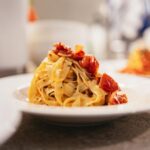
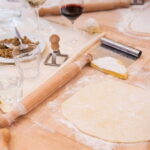
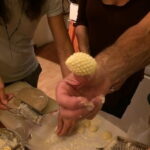
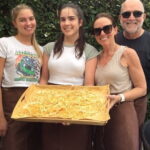
A major highlight is making Italian pasta by hand using freshly laid eggs. That step teaches more than one trick. It gives you a feel for dough texture, how eggs affect richness and elasticity, and how to shape properly without overthinking it.
You’ll also learn how to think about timing and consistency. Pasta isn’t just a recipe. It’s touch, feel, and practice—exactly what you want to learn on a day trip like this.
- Cooking Class and Lunch at a Tuscan Farmhouse with Local Market Tour from Florence
★ 5.0 · 4,831 reviews
Ragù as the hearty backbone
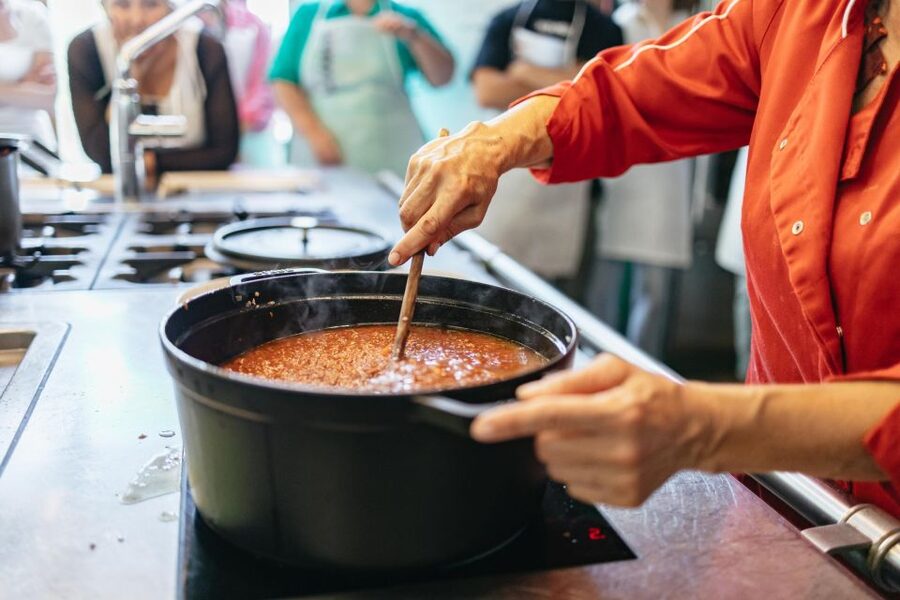
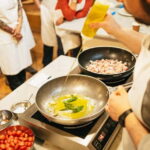
Then comes ragù, described as traditional and hearty. Ragù is where Tuscan cooking shows its patience. You’re building flavor with the right base, letting it develop, and understanding that depth comes from process, not shortcuts.
Even if you never plan to cook for 4 hours at home, you’ll walk away with a better understanding of why Italian sauces taste different. They’re not overly complicated. They’re just carefully made.
Bruschetta with tomatoes and the right olive oil
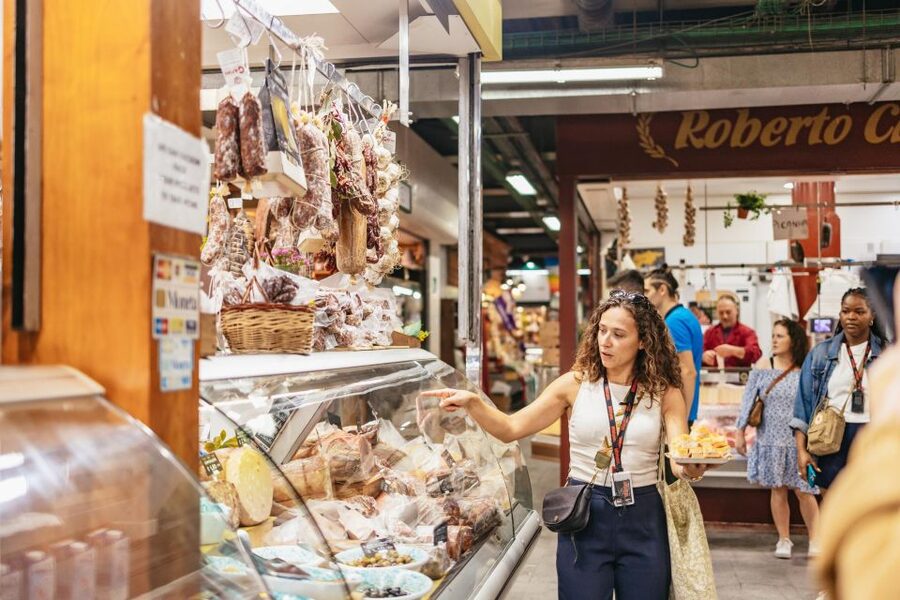
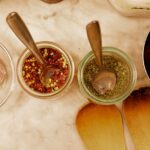
Next is bruschetta, using fresh bread, homegrown tomatoes, and the farmhouse’s extra virgin olive oil. This is one of my favorite teaching moments because it’s simple but strict. Good bruschetta depends on freshness and balance, not heavy toppings.
You’ll see how tomatoes behave when handled properly, how bread quality matters, and why olive oil is not an afterthought in Tuscany.
Chianti break and the roast course: herbs you actually pick yourself
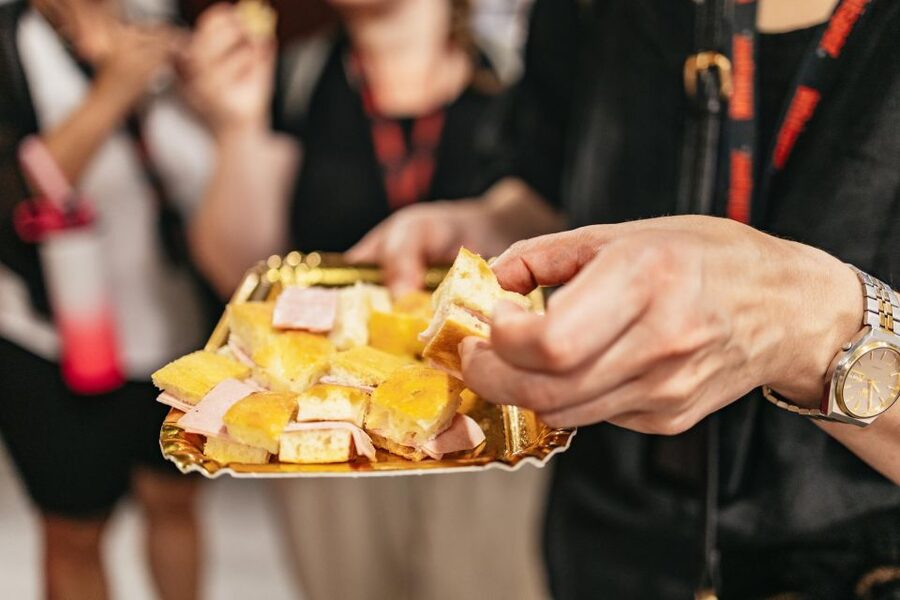
Between the pasta and the later dishes, you get a break with a glass of Chianti. This is more than a pause. It helps reset your appetite and keeps the flow from feeling like nonstop work.
After that, you’ll prepare the heartier course: traditional Tuscan roast pork and roast potatoes, finished with fresh herbs collected around the farmhouse. That “collected on-site” detail is the kind of thing you’ll remember later, because it changes the smell and flavor in a very direct way. Herbs aren’t just decoration in Italian cooking; they guide the whole plate.
The roast part also teaches you something practical: using fresh herbs for aroma and freshness, not dried-seasoning guesswork. If you’ve ever cooked pork and thought it tasted fine but not Italian, this is the fix you needed.
Tiramisù: coffee-and-cream technique you can redo at home
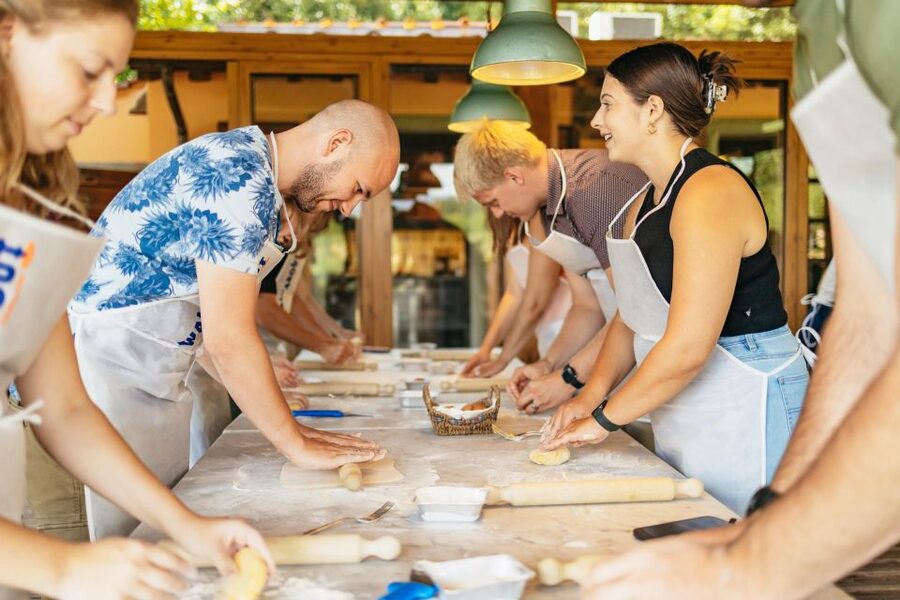
Then you land on dessert: tiramisu, made with the secrets of the wonderful Italian coffee-and-cream style. The focus is on the balance that makes tiramisù taste like tiramisù, not like cake and cream that happened to be layered.
This is another high-value segment because tiramisù is one of those desserts where small method choices matter. You’ll learn the logic behind how the coffee component interacts with the cream and how to assemble it so it holds its character when served.
When the course is done, you eat what you made. That’s important. Cooking classes often end with instruction and then you’re off. Here, your lunch is the conclusion, paired with wine chosen to complement the food you just prepared.
Lunch pairing, recipes, and the Italian cooking diploma
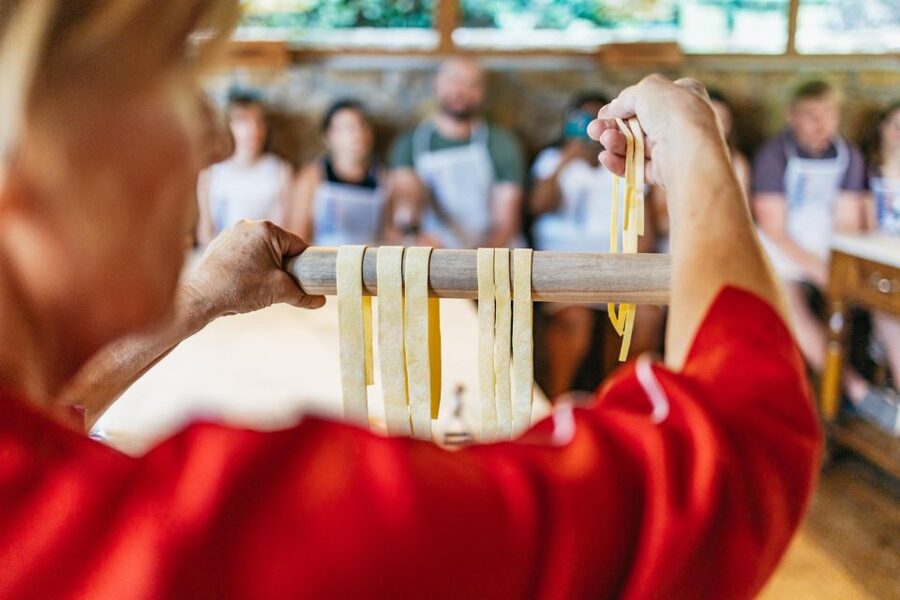
The final part of the day isn’t just eating. It’s eating with context. You’ll enjoy a 3-course meal paired with local wine that matches the dishes. That pairing teaches you how Italians think about flavor direction: acidity, richness, and heaviness all matter.
After the meal, you receive a diploma and a copy of the recipes so you can recreate what you learned at home. This is one of the best “value add” details, because it turns the day from a nice memory into something you can actually use.
If you cook at all, you’ll appreciate the structure. If you never cook, you’ll still leave with a clear plan: ingredients to buy, steps to follow, and what makes each dish distinctly Tuscan.
Group size, energy level, and who this fits best
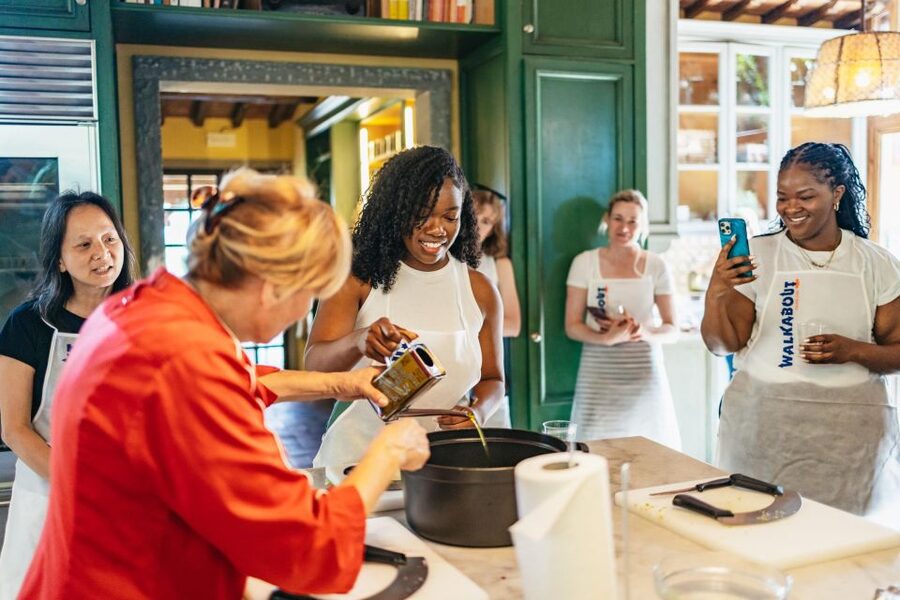
This experience is typically lively. Guides like Luca and chefs like Carmela show up in many accounts as the reason the day feels fun as well as educational. Expect humor, lots of activity, and plenty of momentum.
That said, group size can affect how hands-on you feel. Some groups can be around 24 to 26. When that happens, it can mean less one-on-one attention. The upside is that the day still runs smoothly, and the atmosphere stays social. The downside is that if you want maximum personal coaching at every step, consider booking a smaller departure if you see options.
Who it suits:
- Couples, friends, and small groups who want a day with real food work, not just tasting
- Travelers who like markets and ingredient selection
- Anyone who wants a repeatable Tuscan menu to cook back home
Who should think twice:
- People who struggle with walking on uneven, steep surfaces, including wheelchair users and people with mobility impairments
- Anyone with food allergies, since the tour is not suitable for people with allergies
- Families with kids under 8, since it isn’t suitable for children under 8
Diet notes you should know:
- A vegetarian option is available, but gluten-free or other alternative dietary requirements cannot be accommodated. If you have dietary needs beyond vegetarian, you’ll want to choose a different food experience in Florence.
Price and value: what you’re really paying for at $203.91 per person
At about $203.91 per person, this isn’t a bargain. But it is value-rich. You’re paying for several bundled things that add up quickly if you tried to assemble them separately:
- A Mercato Centrale guided walk to select the ingredients
- Transportation from Florence to the farmhouse and back
- A hands-on cooking class with a chef
- A 3-course lunch with wine pairing
- Recipes you can take home
- An Italian cooking diploma
The biggest value lever is not the lunch. It’s the ingredient shopping tied directly to the cooking. That connection is what makes the skills stick. If you only want to eat a Tuscan meal, there are cheaper options. If you want to learn how to recreate it, this price starts to make more sense.
Should you book this Tuscany farmhouse cooking class from Florence?
Book it if you want a full-day food experience that connects market choices to the dishes you cook, and you’ll use the recipes later. It’s a strong pick for people who enjoy markets, don’t mind a brisk pace, and want to learn multiple Tuscan dishes in one go.
Skip it if you need wheelchair access or have significant mobility challenges. Also skip if gluten-free or allergy accommodations are required, since those needs can’t be handled here.
If you’re deciding today, my rule is simple: if you’ll spend money on both a market tour and a cooking class anyway, this is the convenient way to bundle them with wine and an unforgettable farmhouse setting.
One last practical tip: check whether your travel dates fall on a Sunday or public holiday, because Mercato Centrale won’t be visited on those days.
You Might Also Enjoy
More Tour Reviews in Florence
- Cooking Class and Lunch at a Tuscan Farmhouse with Local Market Tour from Florence
★ 5.0 · 4,831 reviews