REVIEW · KOBE
Kobe Home Cooking Ramen and Gyoza Cooking Class
Book on Viator →Operated by JP tourism · Bookable on Viator
Ramen lessons in a real Kobe apartment. This hands-on class is built around Japanese home cooking done in the host’s own place, with you cooking alongside a friendly local instructor and eating what you make right after.
I especially like how the instructor breaks things down so ramen feels doable, not mysterious. You’ll also get gyoza that are actually fried crispy, with a focus on making the wrappers and filling them yourself.
One thing to consider: the whole experience happens in a home kitchen, so it’s best if you’re comfortable in a compact space and following instructions closely.
In This Review
- Quick hits: what makes this Kobe class worth your time
- Inside a Kobe apartment kitchen: the real point of this class
- The ramen you’ll actually learn: soy sauce broth plus pork toppings
- Gyoza from scratch: homemade wrappers and crispy frying
- A 2 hours 45 minutes rhythm: what happens during the class
- Where to meet: Island Kitaguchi Station and a morning start
- Diet and allergies: vegetarian option and how to get help
- Price and value: why $57.23 can make sense in Kobe
- Shared vs private: who should choose which
- Should you book this Kobe ramen and gyoza class?
- FAQ
- Where does the class take place?
- What time does the cooking class start?
- How long is the ramen and gyoza cooking class?
- What will I cook during the class?
- Is lunch included?
- Is there a vegetarian option?
- Can the instructor accommodate allergies or dietary restrictions?
- What is the cancellation policy?
Quick hits: what makes this Kobe class worth your time
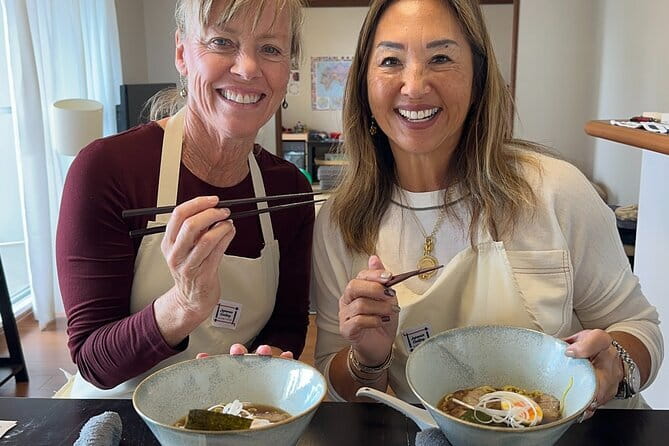
- Hands-on ramen and gyoza: you cook both, not just watch.
- A soy sauce-based ramen with toppings and a clear, step-by-step method.
- Crispy gyoza made with homemade wrap and a pork/beef plus vegetable filling.
- Small group size with a maximum of 6 travelers.
- You eat a homemade lunch with your host after cooking.
- Take-home souvenir: a cute set of chopsticks.
Inside a Kobe apartment kitchen: the real point of this class
This isn’t a demo in a big, shiny kitchen. It’s in the host’s Japanese-style apartment in Kobe—about a 5-minute walk from the station—so you arrive and immediately feel like you’re in someone’s day-to-day world. The class pacing has that home rhythm: a compact kitchen turning into a cooking hub, then settling back into family normal once lunch is done.
That matters because ramen and gyoza are not just “recipes.” They’re everyday comfort food. Learning them in a home setting helps you understand what the dish is trying to do—comfort, balance, and good texture—rather than just chasing a technique you’ll never repeat.
You’re also with a local host (and an instructor who grew up eating Japanese home cooking every day). That gives the class a practical tone. The focus stays on methods and ingredients you can reproduce later, when you’re back in your own kitchen.
If you’re the kind of person who likes travel that’s hands-on and personal, this is the right style. You’ll leave with something you cooked and can cook again, plus the memory of a quiet Kobe neighborhood instead of another production-line tour.
The ramen you’ll actually learn: soy sauce broth plus pork toppings
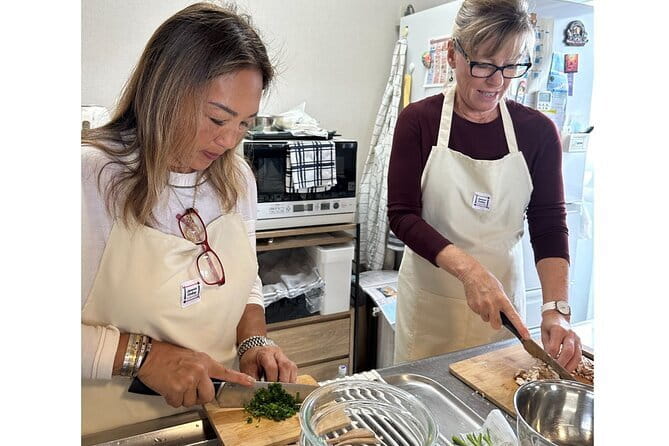
The ramen here is soy sauce-based, made with toppings and pork. In other words, it’s not some vague “Japanese noodles” lesson. It’s a specific style, with a structure you can follow at home.
What I like about this setup is the emphasis on ingredients and cooking methods while you’re actually cooking. You don’t have to rely on a slideshow or hope you guessed the right ratio later. The class includes guidance on how the broth works and how to build the finished bowl with toppings.
Also, this kind of ramen lesson has a hidden payoff: you’ll start to understand what changes flavor in a soy sauce broth. Even if you don’t remember every step perfectly, you’ll know what the dish needs to taste like ramen and not just hot noodles in soup.
A helpful detail from how the class is described: the instructor is certified in dietary education and has over 5 years of experience teaching cooking at home and at school. That usually translates into clear explanation and grounded instruction—exactly what you want when you’re learning something that can feel “complicated” when you watch it from afar.
Gyoza from scratch: homemade wrappers and crispy frying
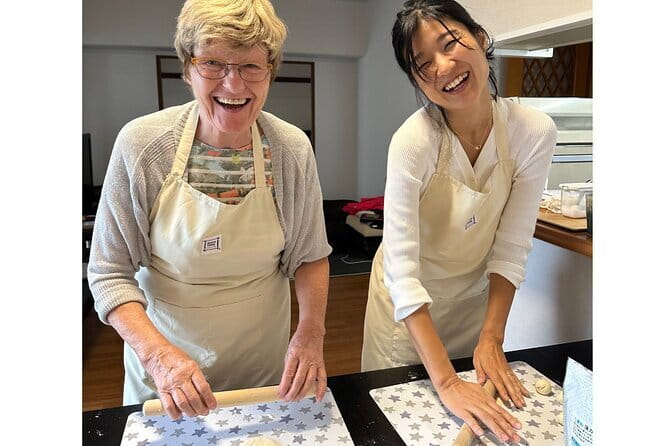
Then it’s time for gyoza, and this is where the class becomes fun fast. You’ll make the gyoza wrap yourself, fill it with a mix that includes pork or beef plus vegetables, and fry them until crispy.
A quick truth: gyoza can go two ways at home—either delicious crispy on the outside, or soft and disappointing. Learning the method in a class like this matters because “crispy” isn’t a single ingredient. It’s timing, heat, and technique. When you fry gyoza with guidance, you learn the rhythm you can repeat later.
You’ll also see how the fillings work in practice—vegetables plus meat, so you get flavor and texture in the same bite. And since you’re making the wrappers, you’re not stuck buying a shortcut that hides the real process.
This is the pairing that makes the day feel complete. Ramen is the warm, saucy comfort. Gyoza gives the crunch. Together, they’re the kind of meal you’d actually want to cook for friends back home.
A 2 hours 45 minutes rhythm: what happens during the class
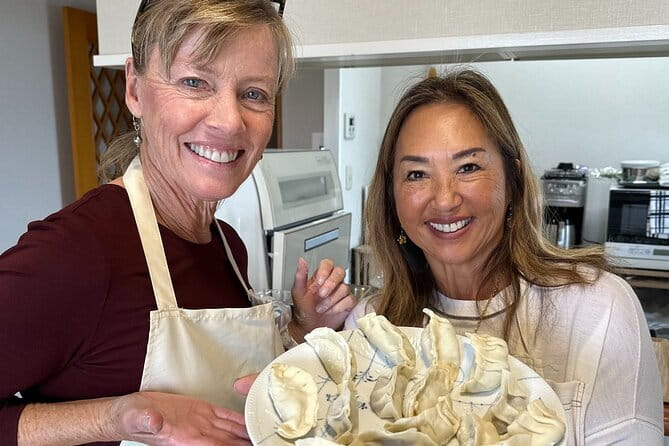
The class runs about 2 hours 45 minutes. The flow is designed so you’re busy the whole time, but not rushed. You’ll typically start with ingredient guidance—what you’ll use and how you’ll handle it—then you move into cooking ramen and gyoza in parallel.
Here’s what that usually feels like in practice:
- You focus on ramen first (soy sauce soup base, then toppings).
- While the ramen is coming together, you switch to gyoza prep and folding.
- Finally, you fry the gyoza to crisp them up.
- Then you sit down for your homemade lunch with your host.
That last part is key. Many cooking experiences stop at plating and photos. This one includes eating what you made. You get immediate feedback in the most honest way possible: does it taste right? Does it feel right? If something needs adjusting next time, you’ll remember the lesson when you’re eating.
You’ll also get a souvenir: a cute set of chopsticks to take home. It sounds small, but it’s a nice bookend to a hands-on day.
Where to meet: Island Kitaguchi Station and a morning start
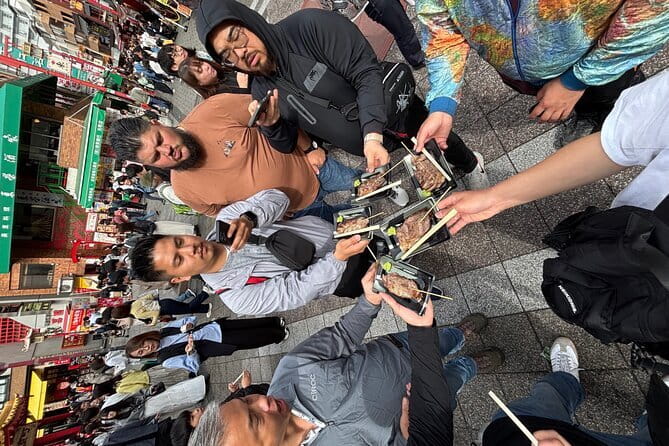
The start time is 10:30 am, and the activity ends back at the same meeting point. The meeting point is at Island Kitaguchi Station, with the address listed as 1 Chome Koyochonaka, Higashinada Ward, Kobe, Hyogo 658-0032, Japan.
The best part is how close it is. The venue is about a 5-minute walk from the station, so you don’t need to fight traffic or guess complicated directions. Bring a little walking time cushion, because in Japan, “a short walk” can still take a few minutes if you’re moving carefully with your phone map.
Also, you’ll receive a mobile ticket, which makes check-in easier once you’re close by.
If you’re building a Kobe day around this, plan it as a main event. Between cooking and eating, you’ll want your afternoon to stay flexible. You’ll be full—in the best way.
Diet and allergies: vegetarian option and how to get help
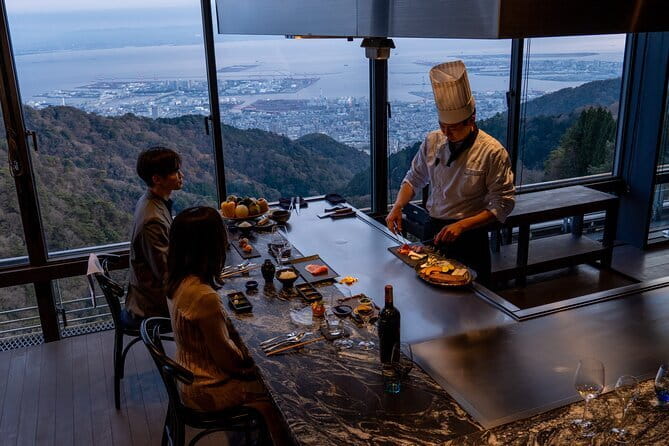
Good news: there’s a vegetarian option available. The plan is to replace meat with flavorful vegetables—but you need to request it when you book.
There’s also room to handle allergies and restrictions. You’re asked to tell the operator at booking if you have food allergies or restrictions, and they’ll try their best to accommodate.
My practical advice: don’t be vague. If you have an allergy, explain what you must avoid. If you’re vegetarian, confirm whether you eat eggs or dairy (since the class is described around meat replacement, not a full vegetarian standard). You want clarity so the meal you make matches your needs, not just your intentions.
This matters even more because the class uses homemade elements (like gyoza wrappers and fillings). Small ingredient differences can matter, so it’s worth communicating early.
Price and value: why $57.23 can make sense in Kobe
The price is $57.23 per person for about 2 hours 45 minutes, and the class runs with a maximum group size of 6.
Here’s the value angle, plain and simple:
- You cook both ramen and gyoza with guidance.
- You eat a homemade lunch after cooking.
- You get a take-home chopsticks set.
- You’re in a small group, not a crowd.
For this kind of experience, you’re paying for instruction plus the whole meal experience, not just ingredients. If you’ve ever taken a cooking class and felt like you did half the work, this one is set up so you do the cooking. That’s why the lesson sticks—because you physically did it.
Also, this type of activity is popular enough that it’s usually booked about 37 days in advance on average. If your dates are fixed, don’t wait for the last minute.
Shared vs private: who should choose which
The class offers shared and private options.
A private class can be a better fit if:
- you want a slower pace and more one-on-one attention,
- you have specific dietary needs and want extra care,
- you’re traveling with kids.
The class description also notes that if you have children under 6, you should book a private class.
On the shared side, keeping it to a maximum of 6 people usually means you’re still getting real guidance and not just blending into a group. Smaller numbers help you ask questions while your hands are busy.
If you like meeting people but still want hands-on instruction, shared is a solid choice. If you prefer more control and comfort, private is worth considering.
Should you book this Kobe ramen and gyoza class?
Book it if you want more than a meal. This is a skill-based day: soy sauce ramen plus crispy gyoza, taught in a calm home kitchen. You’ll leave with the kind of confidence that comes from doing it yourself, not just watching.
Skip it (or consider private) if you really hate compact spaces or you’re the type who wants a restaurant vibe. This is a home apartment experience, and the charm comes with that reality.
If you’re in Kobe and you want a memorable, repeatable takeaway—something you can cook at home and not just describe in a photo—this class is one of the best ways to do it.
FAQ
Where does the class take place?
The cooking class is held at the host’s Japanese-style apartment in Kobe. The venue is about a 5-minute walk from Island Kitaguchi Station.
What time does the cooking class start?
The class starts at 10:30 am and ends back at the meeting point.
How long is the ramen and gyoza cooking class?
The duration is about 2 hours 45 minutes.
What will I cook during the class?
You’ll make soy sauce-based ramen with pork toppings and gyoza with homemade wrap and a filling that includes pork/beef and vegetables.
Is lunch included?
Yes. You’ll enjoy a homemade lunch with your host after cooking.
Is there a vegetarian option?
Yes. A vegetarian option is available if you replace the meat with flavorful vegetables. You need to inquire when booking.
Can the instructor accommodate allergies or dietary restrictions?
You should tell the operator when you book about allergies or restrictions, and they will try their best to accommodate.
What is the cancellation policy?
Free cancellation is available. You can cancel up to 24 hours in advance of the experience start time for a full refund. If you cancel less than 24 hours before, the amount paid is not refunded.