REVIEW · OSAKA
Enjoy artistic TEMPURA Cooking Class
Book on Viator →Operated by Sakura Cook · Bookable on Viator
Tempura tastes smarter when you learn the method first. This small-group class in Osaka teaches you dashi plus six kinds of tempura, and you leave with recipes so you can keep cooking after the fries cool off. I especially like the no-overcrowding setup (up to 8 people) because you actually get hands-on attention.
I also like that the whole flow is built around learning-and-eating, not just watching. You’ll make the broth, cut ingredients, fry tempura, then sit down to eat what you prepared with rice and chilled tofu. One possible drawback: it’s only about 2 hours, so you’ll need to move at the class pace once the cooking starts.
In This Review
- Quick hits before you go
- Why this Osaka tempura class makes sense on a trip
- Finding the class in Kitahorie (and why location matters)
- The 2-hour flow: from dashi broth to your final plate
- Step one: making dashi (the flavor backbone you’ll actually taste)
- Knife work and prep: what you’re actually doing with your hands
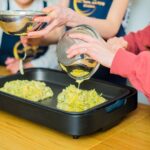
- Frying and plating: making tempura that looks and tastes right
- What’s on the table: rice, chilled tofu, and six cooked bites
- Small group energy: why limit-to-8 makes a difference
- Price and value: is $70.79 worth it?
- Lunch or dinner: picking the best time for your day
- Who should book this tempura class (and who might skip)
- Practical tips so you enjoy it (not just survive it)
- Should you book Sakura Cook’s tempura class?
- FAQ
- How long is the tempura cooking class in Osaka?
- What will I learn to cook during the class?
- Is it a small group?
- What happens at the end of the class?
- Where do I meet for the class?
- Can I cancel and get a refund?
Quick hits before you go
- Dashi first: start by making Japanese soup stock, not tempura batter theory in the abstract.
- Six tempura types: 4 vegetable and 2 seafood versions, including one big shrimp.
- Eat everything you make: steamed rice and chilled tofu come with your finished dishes.
- Small group limit: maximum 8 people keeps the experience calm and interactive.
- Recipes to take home: you won’t rely on memory after you get back to your hotel.
- Sakura Cook runs it: the provider is Sakura Cook, using a mobile ticket for the day-of check-in.
Why this Osaka tempura class makes sense on a trip
Osaka is famous for food culture, so a cooking class here can either be a fun activity or a real skill-builder. This one leans practical. You’re not just making tempura once, you’re learning how the flavors connect: the dashi broth sets the tone, and the tempura process follows a clear sequence.
What I like most is the structure. It starts with dashi, then shifts to prep with knives and chopping boards, and only then moves into frying and plating. That order matters because tempura isn’t only about crispy batter. It’s also about timing, ingredient prep, and how you season and serve.
The small group size is another big deal. When there are only up to 8 participants, it’s easier for your instructor to spot issues like batter thickness, uneven cutting, or oil heat that runs too hot or too cool. That kind of feedback is hard to get in bigger classes.
And yes, you get to eat what you cook. For a lot of cooking classes, the meal is an afterthought. Here, it’s the point.
You can also read our reviews of more tours and experiences in Osaka.
Finding the class in Kitahorie (and why location matters)
The meeting point is at 1-chōme-17-20 Kitahorie, Nishi Ward, Osaka, 550-0014, Japan. The tour ends back at the meeting point, so you’re not trying to navigate Osaka with sticky hands and a full stomach.
The area is also described as near public transportation. That’s useful for you because it keeps this class from becoming a mini logistics project. Osaka has plenty of transit options, and being near them means you can plan your day without cutting it too close.
You’ll use a mobile ticket, which is convenient. No paper pass to misplace, and it’s usually faster when you arrive.
If you’re the type who likes a smooth day, this setup fits well: you’re starting in one place, cooking for about two hours, and returning to the same area at the end.
The 2-hour flow: from dashi broth to your final plate
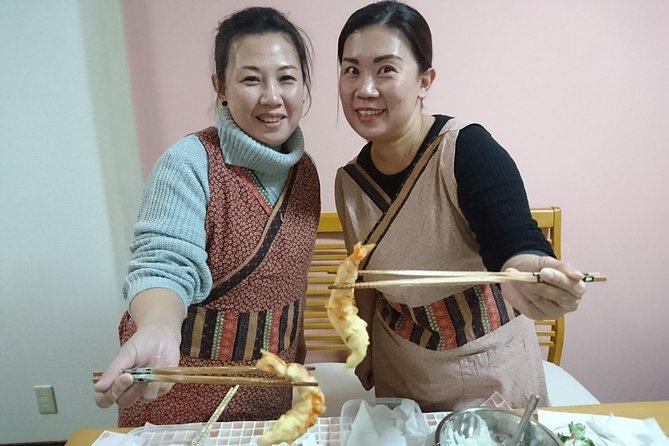
The class runs for about 2 hours. That time includes prep, hands-on cooking, and eating. It’s a tight schedule in a good way, because tempura moves quickly once frying begins.
Here’s the practical rhythm you should expect:
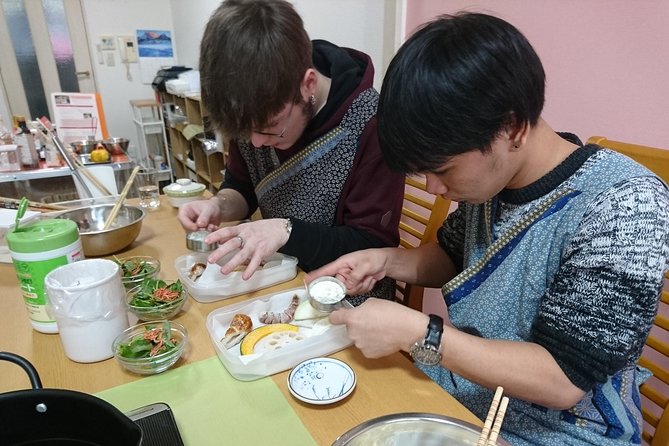
First, you’ll get into the traditional Japanese broth, Dashi. You’ll wear an apron, then learn how to make savory dashi step by step. The instructor also shares tips for making the soup look right and taste right.
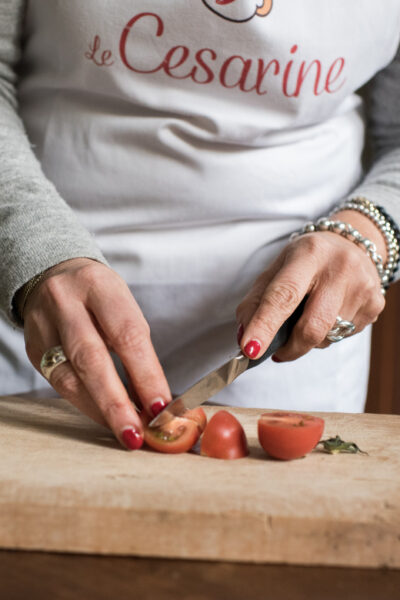
Next, the class shifts to ingredient prep. You’ll get kitchen knives and chopping boards, and you’ll cut vegetables for 4 types of tempura. You’ll also prep 2 seafood tempura types, including one big shrimp.
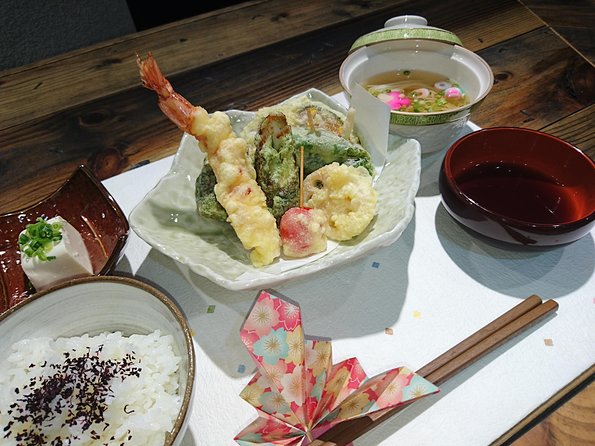
Finally, you’ll fry and plate. At the end, you’ll sit down with chopsticks, and enjoy the meal you made. It comes served with steamed rice and chilled tofu.
Because the duration is short, you’ll want to show up on time and focus. This isn’t a slow, leisurely cooking day. Think of it as a concentrated skill session.
Step one: making dashi (the flavor backbone you’ll actually taste)
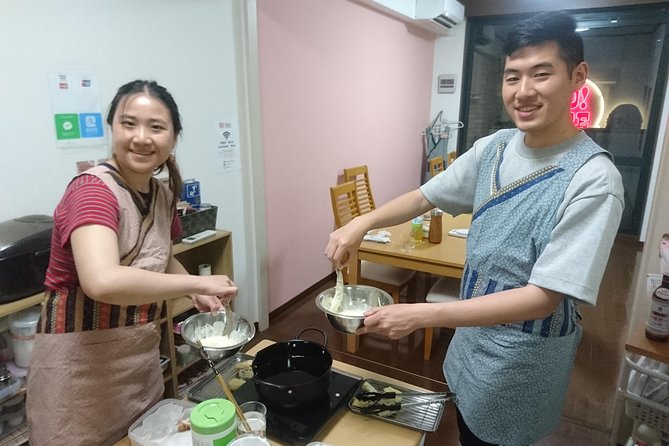
A lot of tempura classes focus only on batter and frying. This one starts with the broth, and that’s exactly why it’s worth your money.
Dashi is the flavor foundation in Japanese cooking. Even if you’ve never made it before, learning it in class gives you context. You’re not just learning how to fry; you’re learning how Japanese kitchens build flavor from the ground up.
In this class, you’ll make a savory dashi broth at the beginning. Then you’ll get guidance on what makes it work—things like how you handle the process so the broth comes out balanced. The instructor also shares tips on making a beautiful soup, which matters because dashi isn’t just flavor; it also affects how the dish feels and looks on the plate.
You’ll also see why dashi pairs so well with tempura. The broth adds a gentle, savory support to the crisp, fried textures. It helps the meal feel complete instead of just snack-like.
If you like learning why something tastes the way it does, starting with dashi will feel satisfying rather than random.
Knife work and prep: what you’re actually doing with your hands
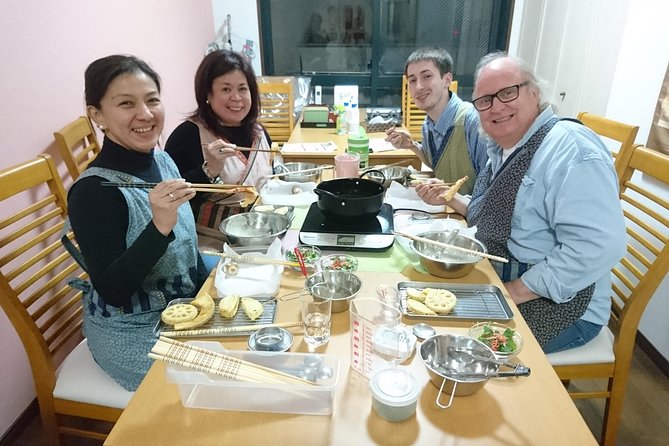
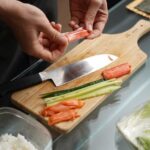
After the dashi intro, the class gets hands-on with knives and chopping boards. Each participant gets the tools, so you’re not waiting in line to hold a single shared knife.
This part of the class matters because tempura success starts with prep. Cutting affects how evenly ingredients cook and how the batter clings. Even if you’re not aiming to become a home chef overnight, learning the basics of consistent cutting is a useful takeaway for any cooking you do later.
In this experience, you’ll prepare vegetables for four types of vegetable tempura. Then you’ll prepare seafood for two seafood tempura types.
One of those seafood items includes a big shrimp. That’s not a throwaway detail. Larger shrimp are more forgiving in a teaching setting because they give you a clear target for batter coverage and frying time. The class design suggests you’ll practice tempura technique where you can see results.
The instructor’s job here is to keep you moving and correct small issues before they become big ones. That’s where a calm, encouraging teaching style pays off.
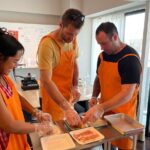
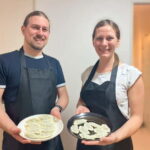
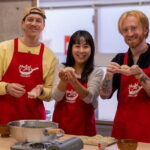
Frying and plating: making tempura that looks and tastes right
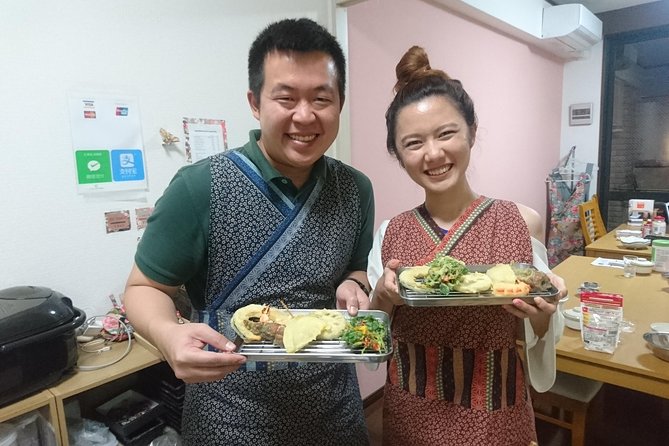
Once you start frying, tempura becomes part science, part timing, part attention. Oil temperature and batter thickness can make the difference between crisp and greasy.
In class, you’ll learn step by step, not left to guess. That’s important. Tempura is one of those dishes where small adjustments change the outcome fast.
The instructor also provides tips for making the results look good. And for tempura, presentation counts. It’s not about being fancy. It’s about noticing what you made and how it should be served.
When plating, you’ll end with your own dishes ready to eat. The class doesn’t treat plating as a formality. It sets you up to actually enjoy what you cooked, which makes the whole experience feel worthwhile.
And that eating part brings us to the next step: the meal.
What’s on the table: rice, chilled tofu, and six cooked bites
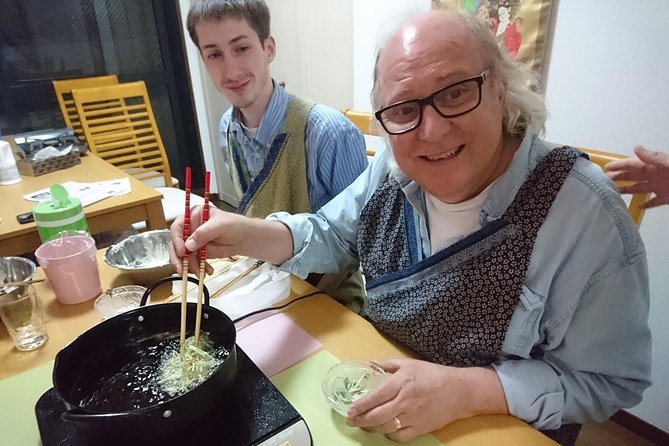
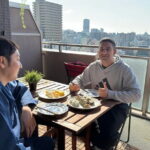
At the end of the class, you’ll place the dishes and eat with chopsticks. You’ll enjoy the meal you made, served with steamed rice and chilled tofu.
This matters because it rounds out the experience. Tempura alone can be delicious, but it can also feel one-note. Rice gives you something neutral to balance the crunch. Chilled tofu adds a softer, cooling texture so the meal doesn’t feel heavy.
Since you cook six different types of tempura—4 vegetable and 2 seafood—you get variety in the same session. The big shrimp stands out as a highlight food-wise, but the vegetables also give you a broader sense of how different ingredients behave when battered and fried.
Eating everything you prepare is a key highlight. It turns the class from a demo into a real meal experience.
Small group energy: why limit-to-8 makes a difference
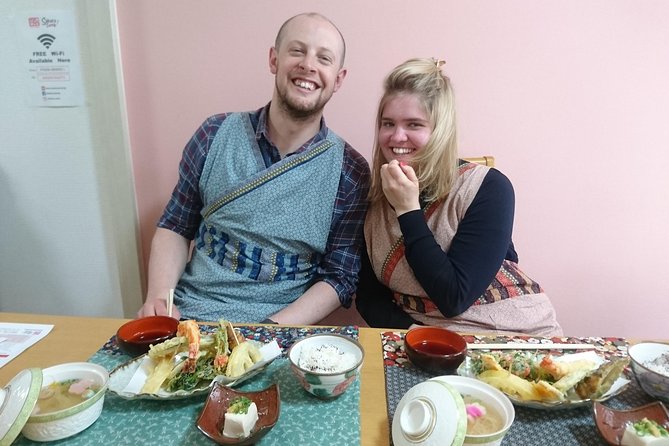
This class caps at 8 travelers. For a cooking class, that’s a sweet spot.
With fewer people, you’re not stuck watching your turn. You can ask questions at relevant moments, like when to adjust batter thickness or how to handle ingredients so they don’t overcook. It also helps the instructor manage timing while everyone fries and plates at once.
The teaching approach is another praised part of the experience. Your instructor is described as courteous and joyful, and that tone matters when you’re learning something hands-on and time-sensitive. A friendly, upbeat guide makes the kitchen feel less intimidating and more like a shared workshop.
If you’ve ever taken a class where the room feels crowded and rushed, you’ll appreciate this one’s calmer setup.
Price and value: is $70.79 worth it?
At $70.79 per person for about 2 hours, the value depends on what you want from the experience.
If you’re paying for a simple meal, this price might feel like a lot. But you’re not just eating out. You’re learning two core parts of Japanese cooking in one session:
- Making dashi (a staple flavor base)
- Practicing tempura with multiple ingredients and types
You also get recipes to take home. That’s one of the biggest value signals here. A class that gives you written guidance helps you repeat at home, which turns the cost into a longer-term skill rather than a one-night memory.
Also, the group size is small. Small-group instruction usually costs more than large group tours, and here it’s built into the experience rather than tacked on as a premium perk.
If you’re the kind of traveler who likes to bring a new skill back to your kitchen, this price can feel very fair.
Lunch or dinner: picking the best time for your day
The class offers either a lunch or dinner experience, so you can match it to your schedule. That flexibility helps a lot when Osaka dining is already on your radar.
If you choose lunch, you’ll likely want to plan a lighter evening so you’re not overstuffed. If you choose dinner, the meal you cook becomes a built-in dinner plan, which can simplify your food scouting.
Either way, because the activity ends back at the meeting point and lasts about two hours, it’s easier to slot into your Osaka day.
Who should book this tempura class (and who might skip)
This class is best for you if you want real cooking instruction, not just a food tour. I think it’s a strong fit for:
- First-time cooks who still want step-by-step guidance
- Food travelers who enjoy hands-on learning
- People who like bringing home recipes, not just photos
It may be less ideal if you want a long, slow cooking experience with lots of downtime. At about two hours, it’s concentrated. You’ll be busy during most of it.
Also, if you strongly prefer only seafood or only vegetables, the class includes both. It’s structured with 4 vegetable and 2 seafood types, including one big shrimp.
Practical tips so you enjoy it (not just survive it)
A few common-sense moves make a big difference:
- Bring a good appetite. You really do eat what you make, with rice and chilled tofu.
- Dress so you can move comfortably. You’ll wear an apron, but you’ll still do knife and prep work.
- Go in ready to follow the instructor’s timing. Tempura is all about the right moment.
- If you’re planning other Osaka meals the same day, give yourself room for this session’s food.
These steps help you get the most out of the class and leave with confidence, not just fried batter on your sleeves.
Should you book Sakura Cook’s tempura class?
I’d book it if you want a small-group cooking lesson that teaches both the flavor base (dashi) and a Japanese cooking technique (tempura) you can repeat later. The limit-to-8 size, the fact that you eat everything you prepare, and the promise of take-home recipes make this feel like more than a souvenir activity.
I’d think twice only if you’re looking for something very long and relaxed. This is about momentum. In return, you get a complete meal and practical skills in roughly two hours.
If your trip includes Osaka and you want an experience centered on making and eating, this one is a smart, satisfying choice.
FAQ
How long is the tempura cooking class in Osaka?
The class lasts about 2 hours.
What will I learn to cook during the class?
You’ll learn how to make dashi soup stock and how to make six types of tempura: 4 vegetable tempura and 2 seafood tempura, including one big shrimp.
Is it a small group?
Yes. The class has a maximum of 8 travelers.
What happens at the end of the class?
You’ll eat the tempura you made with steamed rice and chilled tofu. You’ll also receive recipes to take home.
Where do I meet for the class?
The start location is 1-chōme-17-20 Kitahorie, Nishi Ward, Osaka, 550-0014, Japan. The tour ends back at the meeting point.
Can I cancel and get a refund?
Yes. You can cancel for a full refund up to 24 hours before the experience’s start time.