REVIEW · LAGOS PORTUGAL
Lagos: Market Tour and Cataplana Cooking Class
Book on GetYourGuide →Operated by The Kitchen - Cooking Classes & Private Events · Bookable on GetYourGuide
Fresh seafood, one handy pan, and a meal you’ll actually cook later. This Lagos Market + Cataplana class turns the Algarve’s fish-market life into a hands-on lesson you can repeat at home.
I especially like two things: you choose ingredients at the Municipal Market of Lagos with your chef, and you leave with a Cataplana recipe PDF you can use again. One caution: since Cataplana is seafood-forward, this is best if you eat fish and shellfish, and if you like extra heat you may want to plan on adjusting seasoning for your own taste.
In This Review
- Key Highlights You’ll Care About
- Lagos Market Tour and Cataplana Cooking Class: Where the Algarve Taste Starts
- The Start: Municipal Market of Lagos (And Why That First Walk Matters)
- Your Chef Leads the Whole Process (Including the Parts You’ll Actually Repeat)
- Cataplana 101: What You’ll Learn Before the First Bite
- Cooking Time: From Prep to Pan to Plate
- The Meal: Appetizer, Dessert, and Wine With What You Make
- Small Group Size (Up to 8) Means You Don’t Get Lost
- Price and Value: Is $117 Worth It in Real Life?
- Who This Class Is Perfect For (And Who Should Rethink It)
- Practical Tips So You Get the Most From the Day
- Should You Book This Lagos Cataplana Class?
- FAQ
- What is the duration of the Lagos Market Tour and Cataplana cooking class?
- Where does the experience start?
- How big is the group?
- What languages are offered?
- What’s included in the price?
- Do I receive a recipe after the class?
- Is wine included with the meal?
- Is cancellation allowed, and how late can I cancel?
Key Highlights You’ll Care About
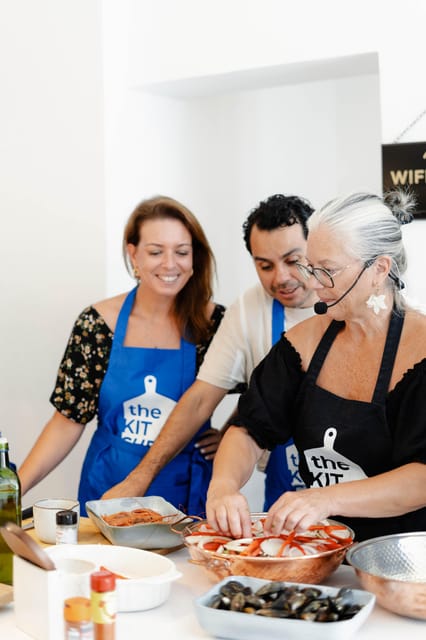
- Municipal Market of Lagos: pick seafood and vegetables with the chef’s guidance.
- Cataplana technique: learn how to prep, assemble, and cook in the traditional pan.
- Small group size (up to 8): more attention while you’re chopping and cooking.
- You eat what you make: a full meal with appetizer, dessert, water, and two glasses of wine.
- Recipe you can reuse: you get a PDF after the class for home cooking.
Lagos Market Tour and Cataplana Cooking Class: Where the Algarve Taste Starts
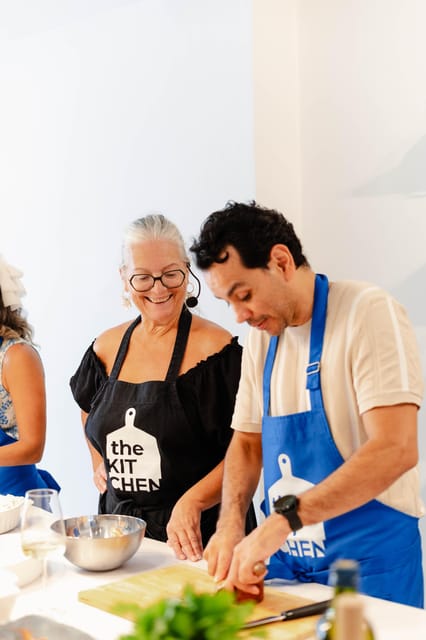
The Algarve has a way of making food feel practical, not precious. This 3.5-hour Lagos class is built around that mindset: start at the market, use what looks best that day, then cook Cataplana the traditional way. It’s also a rare format that’s both educational and social, without turning into a lecture.
If you like real travel moments, you’ll probably enjoy the pace here: walking through a working market, talking with the people behind the fish, then switching gears to heat, timing, and flavors. Your payoff is a meal that feels earned because you picked the ingredients yourself.
The experience is led by instructors who work in English, French, and Portuguese, and the group stays small, capped at 8 people. That matters because cooking classes can get loud and sloppy fast; this one is designed to keep you engaged at your station.
The Start: Municipal Market of Lagos (And Why That First Walk Matters)
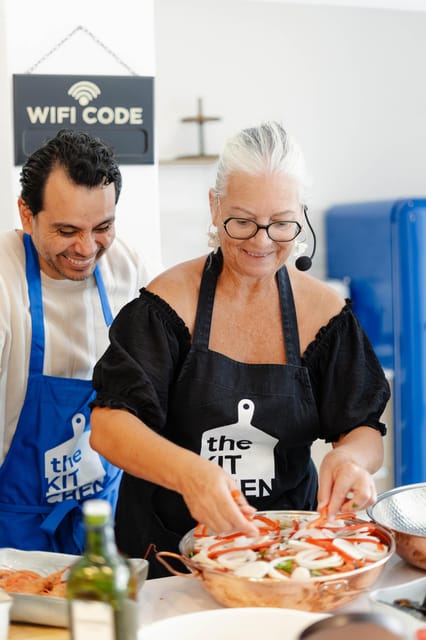
You begin with a guided tour of the Municipal Market of Lagos to select fresh ingredients. This is the part many cooking classes skip or fake. Here, the whole point is that Cataplana depends on what’s good today, not what a menu decided last week.
In practical terms, you’ll be learning how to look for quality seafood and how chefs think about matching seafood and produce. You’re also getting a crash course in the Algarve’s day-to-day cooking logic: keep it simple, let fresh ingredients do the heavy lifting, and build flavor step by step.
A couple of details make this market time especially useful:
- You’re not wandering alone. The chef steers what you buy and why.
- The market stop is also a cultural moment. You’re meeting local vendors as part of the process, not just snapping photos and rushing out.
If you’re the kind of person who hates waste or overpaying, this is a good setup. You can see what you’re buying, and you can understand how the dish is shaped by those choices.
Your Chef Leads the Whole Process (Including the Parts You’ll Actually Repeat)
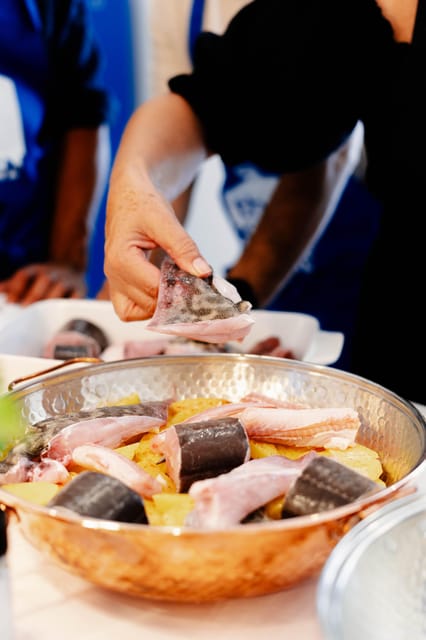
After the market, you move into cooking mode with everything provided: ingredients plus traditional cookware for Cataplana. This matters because the class isn’t asking you to bring gear or decode jargon. You’ll be assembling and cooking using what the dish requires.
From the start, the chef explains the history and cultural significance of Cataplana as you cook. That piece isn’t academic fluff. It helps you understand what you’re aiming for: a seafood dish that’s aromatic and comforting, built around the method and the pan.
The instructors are also part of what makes the class work. Many people talk about an atmosphere that feels welcoming, like you’ve been invited to cook in someone’s home kitchen rather than squeezed into a factory-style class. And if you’re traveling with family, it’s the kind of activity where kids can stay involved, not just stand around. (One shared example included an 11-year-old actively participating and enjoying the market-to-cooking flow.)
Cataplana 101: What You’ll Learn Before the First Bite
Cataplana is as much technique as it is ingredients. You’re taught to handle the major steps, including:
- Choosing and preparing the seafood and other key ingredients
- Assembling the Cataplana pan (this is part of the tradition)
- Cooking to get the right blend of flavors and textures
That structure is what makes this class valuable. Lots of cooking experiences teach a recipe. This one teaches the sequence behind the recipe, so you’re less likely to end up with a watery seafood dish or overcooked bits.
You’ll also understand how to balance the dish once it’s assembled. You’re not just following a checklist—you’re learning what the chef expects to happen as the food cooks down and flavors start working together.
Cooking Time: From Prep to Pan to Plate
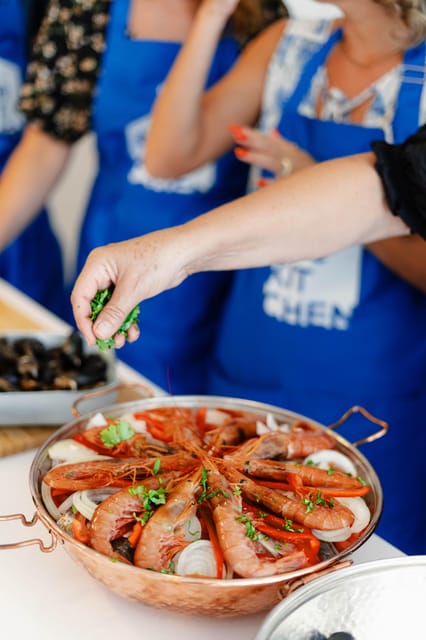
Once you’re in the kitchen, the class shifts into hands-on mode. Expect prep work, then assembly, then the cooking phase. Since Cataplana is a seafood dish, timing matters. The class format helps because you’re working as a group under instruction, so questions get answered in the moment.
Here’s what you should pay attention to as you cook:
- Seafood prep: how you handle, portion, and get everything ready before heat.
- Pan assembly: getting it set up correctly so the method works as intended.
- Cooking finish: knowing when the dish is ready to eat.
One small realism check: seasoning preference varies. Some people felt the Cataplana’s sauce could use a bit more punch for their taste. If you like your food bold, keep that in mind and be ready to adjust at home later. In-class, just follow the chef’s guidance first; you can calibrate once you know the base flavor.
The Meal: Appetizer, Dessert, and Wine With What You Make
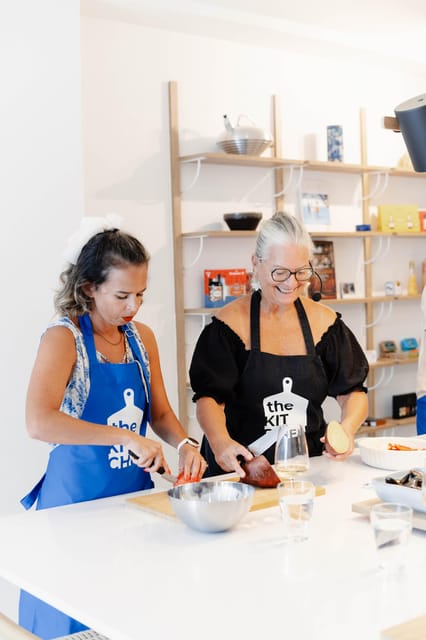
The best part of any cooking class is eating what you made. Here, you get a complete meal that includes:
- An appetizer
- Dessert
- Water
- Two glasses of wine
That’s not just a nice touch. It’s a practical part of learning: you taste the final result of the process while the flavors and steps are still fresh in your head. If you want to replicate the dish later, eating it right after cooking gives you a better memory for texture, aroma, and balance.
Also, wine with the meal is part of the overall Algarve vibe. You’re not just tasting Portuguese cuisine; you’re tasting the social side of it, the part where food is meant to be shared and talked about.
Small Group Size (Up to 8) Means You Don’t Get Lost
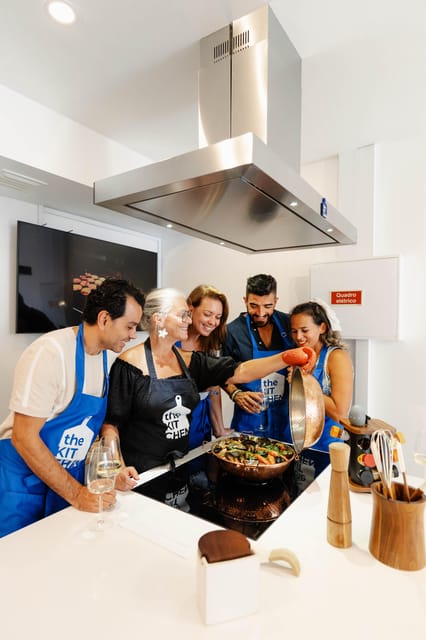
Limited to 8 participants, this class avoids the common cooking-class problem: everyone ends up doing the minimum and watching the instructor do the interesting work. In a small group, you’re more likely to get personal help, especially during prep and pan assembly.
That’s particularly useful if you:
- want a calmer, less stressful class environment
- are traveling solo and want conversation without loud chaos
- are cooking with kids and need clear, engaging explanations
Language support is another plus. The instruction is offered in English, French, and Portuguese, so you’re less likely to feel left out if you’re not fluent in Portuguese.
Price and Value: Is $117 Worth It in Real Life?
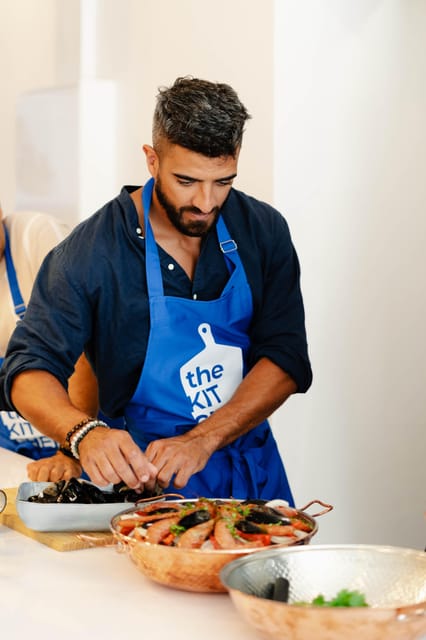
At $117 per person, you’re paying for more than a recipe. You’re paying for:
- a guided market tour at the Municipal Market of Lagos
- all ingredients and traditional cookware
- a chef-led instruction session with hands-on steps for Cataplana
- a full meal (appetizer, dessert, water) plus two glasses of wine
- a take-home PDF recipe after the class
If you compare it to booking a standalone market experience and then separately paying for dinner, the value gets clearer. You’re essentially combining a food-buying lesson and a cooking-and-eating experience into one time block.
The small-group format also affects value. When you spend $117, you don’t want to feel like a spectator. The limited group size supports the idea that you’ll actually cook, not just learn from afar.
One more angle: this is the kind of activity that can replace one restaurant meal and give you a skill you can use later. If you enjoy cooking at home, that makes the price feel more reasonable.
Who This Class Is Perfect For (And Who Should Rethink It)
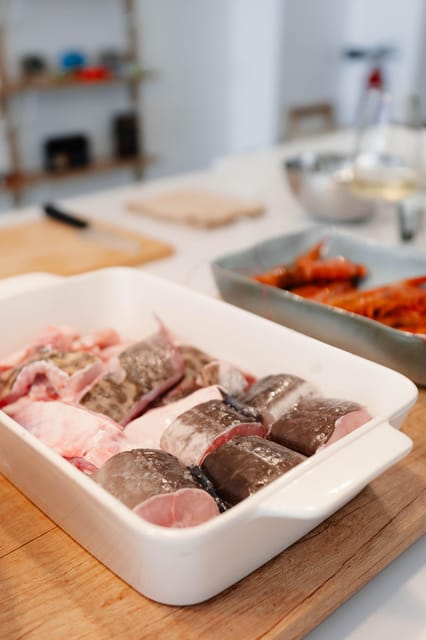
This is a strong fit if you want an authentic Algarve experience with a clear focus: Cataplana. You’ll probably like it if you enjoy:
- seafood
- hands-on cooking
- learning through doing, not watching
- a market-based start instead of a classroom start
It may be less ideal if you:
- don’t eat seafood
- dislike wine with meals (the class includes two glasses of wine)
- want a super-spicy result right away (one shared comment suggested the seasoning might lean mild)
Practical Tips So You Get the Most From the Day
A few simple moves will help you enjoy the whole flow:
- Wear shoes you’re comfortable standing in. Markets and kitchens both demand it.
- Go in hungry. You’ll cook and then eat a full meal.
- Ask questions early. The chef-led guidance is part of the learning value, especially during ingredient selection and pan assembly.
- Think about your at-home setup. When you get the PDF recipe, notice what tools it assumes and how you can substitute if needed.
If you’re the type who likes to cook again, take a moment during the meal to think about what you’d adjust. Not bigger, not better—just your preferred balance.
Should You Book This Lagos Cataplana Class?
If you’re in Lagos and you want one activity that connects the market to the kitchen to your plate, I’d say this is worth booking. The combination of ingredient selection at the Municipal Market of Lagos, chef-guided Cataplana technique, and a real meal with wine is a solid “do it today, cook it later” setup.
Book it if:
- you love seafood and want a method you can repeat
- you prefer small groups and active participation
- you want a recipe you can bring home as a PDF
Skip it if:
- seafood doesn’t work for you
- you’re looking for a low-effort food tasting only
- you’re very sensitive to wine (since two glasses are included)
FAQ
What is the duration of the Lagos Market Tour and Cataplana cooking class?
It lasts about 3.5 hours.
Where does the experience start?
It starts with a guided tour of the Municipal Market of Lagos, where you select fresh ingredients.
How big is the group?
The group is limited to 8 participants.
What languages are offered?
The class is available in English, French, and Portuguese.
What’s included in the price?
You get the market tour, all ingredients and traditional cookware, a PDF recipe after the class, and a complete meal with an appetizer, dessert, water, and two glasses of wine.
Do I receive a recipe after the class?
Yes. You receive a PDF recipe after the experience so you can recreate Cataplana at home.
Is wine included with the meal?
Yes, two glasses of wine are included.
Is cancellation allowed, and how late can I cancel?
You can cancel up to 24 hours in advance for a full refund.