REVIEW · LAS VEGAS
Luxury French Cooking Class in Las Vegas (Includes 4-Course Meal)
Book on Viator →Operated by Cozymeal Cooking Classes · Bookable on Viator
Great French food happens fast in Vegas. In a small group setting in Las Vegas, I like that you’re learning French cooking with hands-on guidance plus real context behind the dishes. With a maximum of 8 people and step-by-step teaching from Chef Ramsey, the experience feels personal, not like a lecture.
I also love the menu choices here because they teach real technique. You’ll go from a bright Salade Niçoise to a braised classic like coq au vin, then finish with classic French desserts like dark chocolate pots de crème and black cherry clafoutis. You’re not just eating, you’re cooking in a way you can repeat later.
One possible consideration: it’s a BYOB class. If you want wine or beer, plan to bring it with you, since it isn’t included.
In This Review
- Key things I’d circle on your planner
- French cooking class in Las Vegas: what you’re really buying
- Meet at 4416 Hillcrest Ave and settle in
- The menu: four courses that teach four different kinds of French cooking
- Course 1: Salade Niçoise with lemon-tarragon vinaigrette
- Course 2: Coq au vin (chicken braised in red wine)
- Course 3: Demi-glace pommes fondant (glossy, buttery potatoes)
- Course 4: Two French desserts—dark chocolate pots de crème and black cherry clafoutis
- Chef Ramsey: the storytelling that makes the techniques stick
- What the BYOB changes (and why it can be a plus)
- Timing and flow: how a 3-hour class stays fun
- Who this French cooking class is best for
- Price value check: is $115 a fair deal?
- Practical notes that help your evening go smoothly
- Should you book this French cooking class in Las Vegas?
- FAQ
- How long is the French cooking class?
- What’s included in the $115 price?
- Is the class BYOB?
- How many people are in the class?
- Where do I meet for the experience?
- Can you accommodate dietary needs?
Key things I’d circle on your planner
- Max 8 guests: small class size keeps the chef’s attention where it matters—on your cutting, stirring, and plating.
- Chef-led, step-by-step cooking: braising, glazing, and dessert making are taught as you go.
- A full 4-course French meal: salade niçoise, coq au vin, pommes fondant, and two desserts.
- BYOB-friendly: bring your own wine or beer to match the courses.
- French technique plus cultural notes: you’ll get the why behind what you’re making, not just the how.
- Dietary needs considered: you can request accommodations in advance.
French cooking class in Las Vegas: what you’re really buying
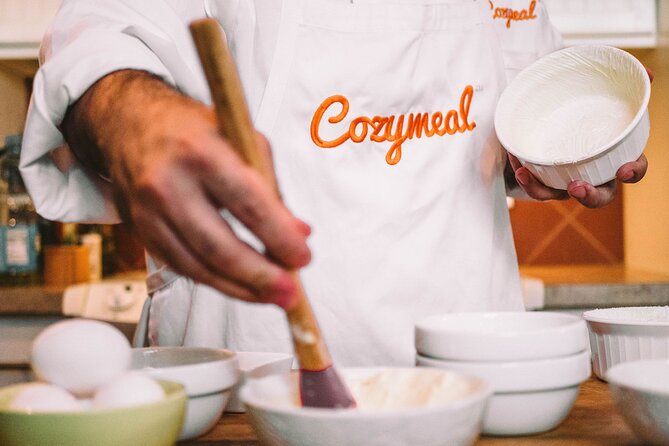
For $115 per person, you’re paying for three things that are hard to recreate on your own: time with a French chef, structured technique, and a full dinner outcome. This isn’t a quick tasting or a demo where you watch while someone else cooks. You’re actively involved, which is why it works well even if you’re not a “serious chef” type.
The class is listed as about 3 hours, and that length matters. In that window, you can realistically learn what to do, practice the steps, and still enjoy the meal together. It also makes this feel like a real evening plan—something between date night and a cooking workshop with actual payoff.
It’s hosted through Cozymeal, with local chefs. The venue is described as cozy and intimate, and that lines up with the most important detail: the group cap of 8 travelers. Smaller groups tend to mean fewer bottlenecks in the kitchen and more one-on-one attention when you’re trying to nail something specific, like a braise that’s flavorful without tasting flat.
Meet at 4416 Hillcrest Ave and settle in
The experience starts at 4416 Hillcrest Ave, Las Vegas, NV 89102 and ends back at the meeting point. That simple setup is helpful in a city where it’s easy to lose time hopping between places.
Because it’s a cooking class, the format is inherently sensory: you’ll smell the ingredients, hear the instructions, and work at your own station. The practical value here is focus. You’re not splitting attention across multiple stops. Your evening is concentrated.
Also, this is an English-taught experience. If you’d like to follow along clearly (and ask questions without fighting language), that’s a big plus.
The menu: four courses that teach four different kinds of French cooking
What makes this class fun is that each course teaches a different skill set. You’re moving through French cooking like a guided skill-building ladder.
Course 1: Salade Niçoise with lemon-tarragon vinaigrette
The starter is Salade Niçoise with seared tuna, haricots verts, potatoes, olives, and a lemon-tarragon vinaigrette.
Why this first course works: it balances the heavier dishes that follow. It also teaches restraint and freshness. Salad niçoise is all about getting components right—warm versus cool, tender versus crisp, and dressing that tastes bright instead of oily. The lemon-tarragon vinaigrette is a useful flavor lesson too. Tarragon gives a distinct anise-like note that can make a vinaigrette taste more “French” than generic.
As you prepare it, you’ll likely pay attention to how the vinaigrette tastes after it’s mixed and before it’s served—because with salad, timing and seasoning show up immediately.
Course 2: Coq au vin (chicken braised in red wine)
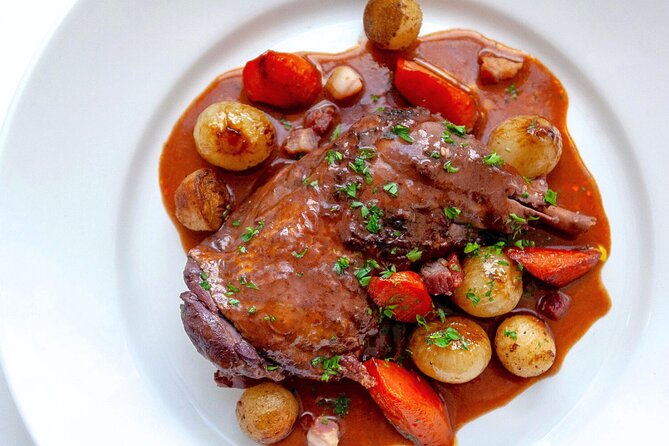
Next is coq au vin: tender chicken braised in red wine with mushrooms, pearl onions, and bacon lardons.
This is where the chef’s instruction really earns its keep. Braising can be intimidating because it’s not just cooking; it’s building depth over time. Coq au vin teaches a method: render or cook the savory bits (the bacon lardons), then layer aromatics like onions and mushrooms, then let wine do its job.
From the menu and the class description, you’ll be guided through the process step-by-step. And in the reviews, Chef Ramsey stands out for his ability to teach and explain. The way people describe his approach suggests that you’re not just following motions—you’re learning why the braise develops flavor and what you should look for so you can repeat it later.
Course 3: Demi-glace pommes fondant (glossy, buttery potatoes)
The third course is demi-glace pommes fondant, served with buttery potatoes finished with a rich glaze.
This is the “wow, I made this” course. Pommes fondant often looks fancy because of the glossy finish and the tender interior. The method behind it matters: you’re dealing with shaping and then glazing so the potato ends up both soft and flavorful.
The class description explicitly highlights guidance for glazing, which is the key skill here. Glaze work is tricky: too hot and it can go too far; too cool and it won’t coat right. Potatoes also show mistakes quickly. If you get the technique right, the dish ends up comforting and luxurious without needing complicated ingredients.
Course 4: Two French desserts—dark chocolate pots de crème and black cherry clafoutis
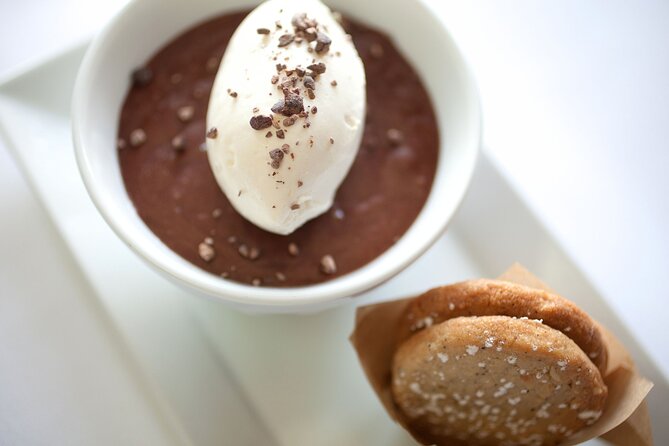
Dessert is two classics: dark chocolate pots de crème and black cherry clafoutis.
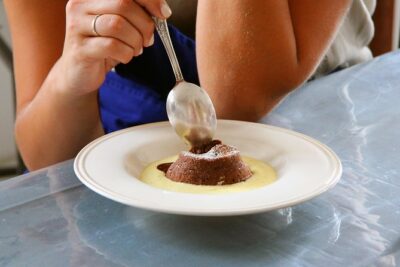
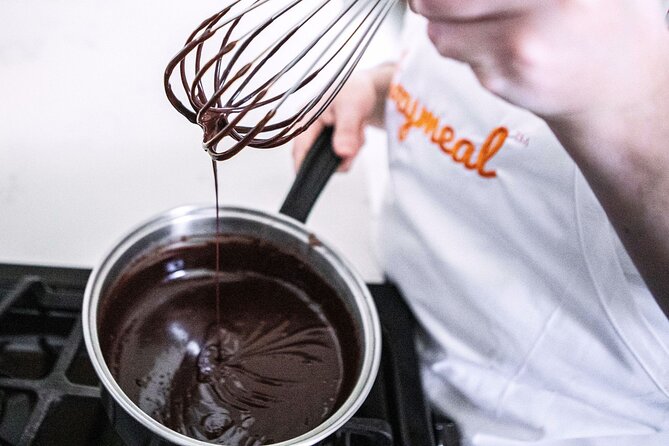
The pots de crème teaches custard-like thinking. You’re looking for a creamy texture, not a dry cake result. Chocolate custards are all about gentle heat and patience. When done right, they taste deep and silky, which matches the menu’s promise of a decadent, creamy chocolate custard.
Then comes clafoutis, which is baked and simple-feeling but not always easy. The black cherry clafoutis is a classic French baked dessert with cherries in a light custard-like base. It’s a good lesson in how batter consistency affects the final texture, and how fruit changes the bake.
In reviews, people also mention that the recipes were stellar and that they’d make them again and again. That usually points to two things: you’re given instructions you can follow at home, and the chef doesn’t hide behind vague advice. If you enjoy cooking, this is the part you’ll remember most when you’re buying cherries or dark chocolate later.
Chef Ramsey: the storytelling that makes the techniques stick
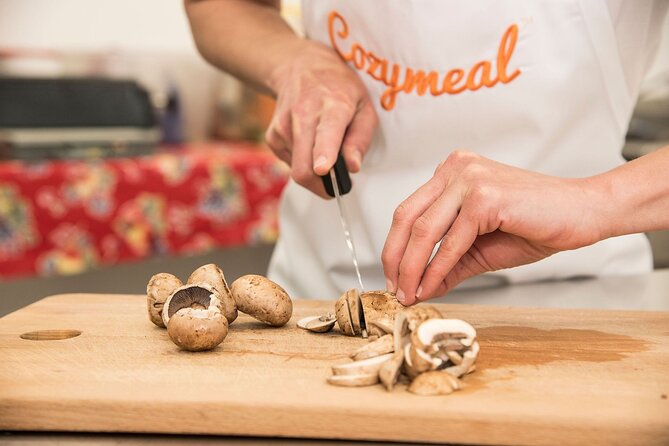
One name comes up in the reviews: Chef Ramsey. People call him out for two things: knowledge and storytelling. That matters because French cooking isn’t just a checklist of steps. It’s a set of traditions—vinegar and herbs in salads, wine-based braises, and desserts built on custard technique.
When the chef shares where recipes originated and how dishes developed, it helps your brain file the method under a reason. Instead of memorizing random steps, you understand the logic. That’s why a partner who already cooks can still learn from the class. The teaching isn’t just for beginners; it’s for anyone who wants their technique to make sense.
Also, the reviews describe him as proud of his craft and engaging in the meal preparation. In a kitchen, engagement matters. You’ll ask questions, you’ll get quick fixes, and you’ll avoid the most common errors because you’re watching and listening while you cook—not after the fact.
What the BYOB changes (and why it can be a plus)
This class is BYOB—bring wine and beer if you want it during the class. For some people, that’s the best kind of flexibility: you choose what fits your taste and budget.
For practical planning, it means you should think about pacing. If you bring wine, keep an eye on how you’re feeling while you’re working around hot pans and sharp tools. Cooking is hands-on. You want steady focus, especially for braises and glazing.
It also affects the overall vibe. BYOB tends to feel more relaxed and less like a formal dinner. You’re there to learn, cook, and eat, not to act dressed-up and silent.
Timing and flow: how a 3-hour class stays fun
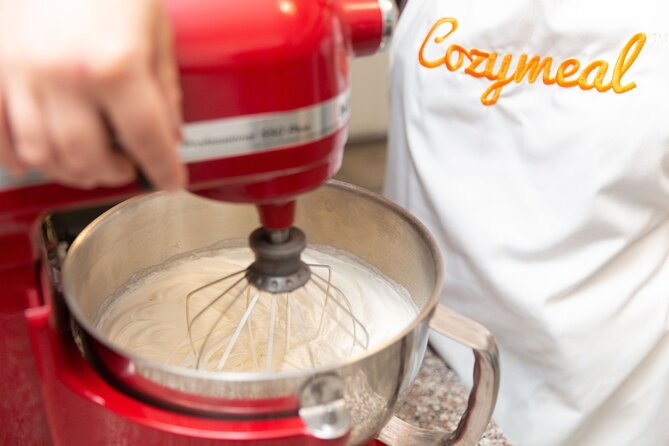
A 3-hour cooking class can go two ways: either you’re rushed, or it’s too slow and you lose the energy. Here, the structure of four courses helps keep momentum. Each course is a natural checkpoint.
You start with the salad, move into coq au vin, shift gears into pommes fondant, then finish with desserts. That progression matters for kitchen rhythm. Salad work can start quickly and feels lighter, braising builds deeper flavor, the potato course creates that “finish strong” moment, and desserts cap the meal with comfort.
If you’re planning around it for your Las Vegas evening, treat it like a complete plan. You’ll likely want dinner that’s already handled by the end of class—because this menu is built to be a full meal, not a few bites.
Who this French cooking class is best for
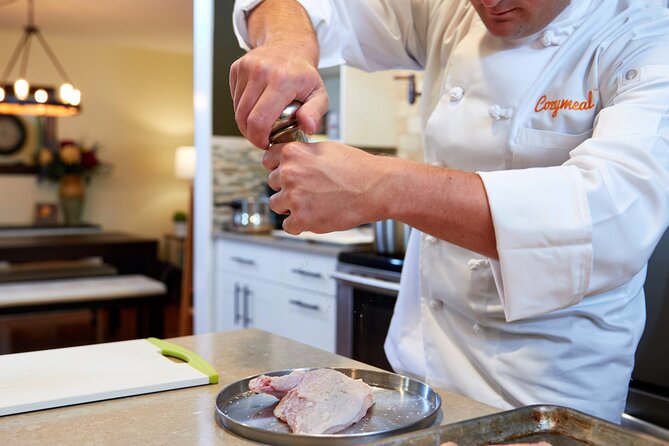
This is a strong fit if you want more than a restaurant experience. It’s also a great choice if you’re visiting Vegas and don’t want your time to vanish into shows and taxis.
It’s especially good for:
- Date night: one review calls it a perfect little date night, and the format fits that vibe well.
- Food lovers who cook at home: the recipes are described as stellar and worth repeating.
- Skill builders: braising, glazing, and custards are specific techniques you can apply later.
- Groups: at max 8, it can work for friends without turning into chaos.
If you dislike hands-on cooking, you might find the experience more work than you expect. But the class is designed around participation, so it’s best for people who enjoy being involved.
Price value check: is $115 a fair deal?
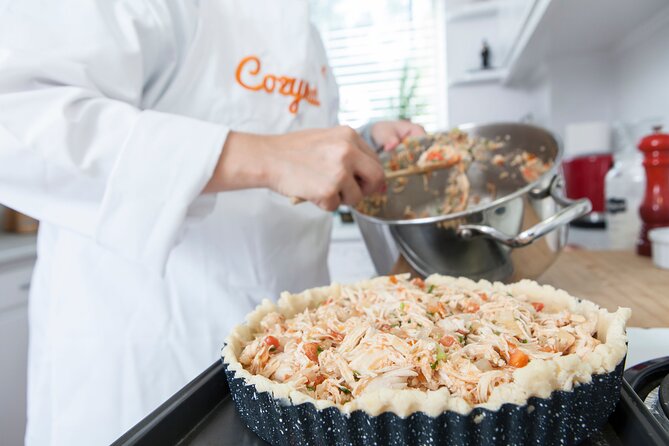
$115 per person sounds like a splurge, and it is a splurge—just one that’s easier to justify here than in many Vegas food experiences.
Here’s why it can feel like good value:
- You’re getting a full four-course meal you helped make.
- The class is small-group (max 8), which usually means more teaching time per person.
- You’re paying for guided French technique, including braising, glazing, and dessert work.
- The chefs teach step-by-step, so the outcome is more likely to match what you want at home later.
In other words, you’re not paying only for ingredients. You’re paying for expertise and a structured process that turns French cuisine from intimidating to doable.
If you compare it to sitting through a dinner where you don’t learn anything practical, the value story gets clearer. You come away with both the meal and transferable skills.
Practical notes that help your evening go smoothly
You’ll want to show up ready to cook and taste as you go. This is a hands-on format, so comfortable clothes and a calm mindset help.
If you have dietary needs, the class is designed to accommodate a variety of restrictions. The key practical move is to let them know in advance so they can tailor things appropriately.
And if you have service animals, the class allows them, which is helpful to know upfront.
Should you book this French cooking class in Las Vegas?
Book it if you want a Vegas evening that feels like you made something real. The best reasons to choose it are the combination of Chef Ramsey’s hands-on teaching and a menu that actually teaches you technique—from coq au vin to glossy pommes fondant and classic French desserts.
Skip it (or consider a different option) if BYOB planning will annoy you, or if you prefer restaurant-style food where you only watch and eat. Since you’re doing the cooking, that part has to fit your style.
If you want a memorable, learnable French meal without the intimidation factor, this is a strong pick—and with only 8 spots, you’ll appreciate the attention you get while the kitchen stays sane.
FAQ
How long is the French cooking class?
The class runs for about 3 hours.
What’s included in the $115 price?
Your experience includes a full 4-course menu: salade niçoise, coq au vin, demi-glace pommes fondant, and two desserts (dark chocolate pots de crème and black cherry clafoutis). You’ll also get step-by-step guidance from a local French chef.
Is the class BYOB?
Yes. This is a BYOB event, so guests are welcome to bring wine and beer.
How many people are in the class?
The class is limited to a maximum of 8 travelers.
Where do I meet for the experience?
The meeting point is 4416 Hillcrest Ave, Las Vegas, NV 89102, USA, and it ends back at the same meeting point.
Can you accommodate dietary needs?
Yes. The class is designed to accommodate a variety of dietary needs, and you should let them know in advance so they can tailor the experience.