REVIEW · KYOTO
Japanese Cuisine Cooking Class in Kyoto
Book on Viator →Operated by Iku · Bookable on Viator
Hands-on Kyoto comfort food beats a museum. I love the small-group feel and the real machiya setting near Toji Temple. One thing to watch: fish and eggs may be used, so tell Iku about allergies, or ask for fully vegan ahead of time.
This is taught by a chef and nutritionist, and you feel that in the approach—healthy Japanese home-style cooking, taught with ingredients tied to Kyoto. Expect hands-on steps, clear guidance, and time to ask questions about techniques and culture as you go.
You’ll do it in about 3 hours, starting at 11:30 am on Tuesdays, and you’ll leave with a written recipe set and the practical know-how to recreate the dishes at home.
In This Review
- Key highlights worth showing up for
- Kyoto machiya cooking class: the real deal, not a demo
- What I like most
- One consideration up front
- The kitchen plan: what you’ll cook and eat in 3 hours
- Step 1: clay-pot rice and the basics of cooking
- Step 2: making miso (and why it matters)
- Step 3: building the meal—one soup plus five side dishes
- Step 4: matcha tea to close the loop
- The teacher behind the class: chef + nutrition lens
- How the Q&A actually helps you
- Kyoto ingredients and culture: what you learn besides the recipe
- Location near Toji Temple and Kyoto Station: easy to fit into a day
- Meeting point you should find before class
- Price and value: $71.67 for skills you can reuse
- Dietary fit: vegan-friendly, but confirm the menu
- What to do if you have allergies or special diets
- Who this class suits best
- Should you book this Japanese cuisine cooking class in Kyoto?
- FAQ
- What day is this Kyoto cooking class held?
- What time does the class start?
- How long is the cooking class?
- Where is the meeting point?
- What will we cook during the class?
- What meal do we eat at the end?
- Is the class vegan-friendly?
- What’s included in the price?
- Is transportation included?
- Can I cancel and get a refund?
- Are service animals allowed?
Key highlights worth showing up for
- Small-group class in a Kyoto machiya about a short walk from Kyoto Station
- Hands-on clay-pot rice plus homemade miso you help prepare
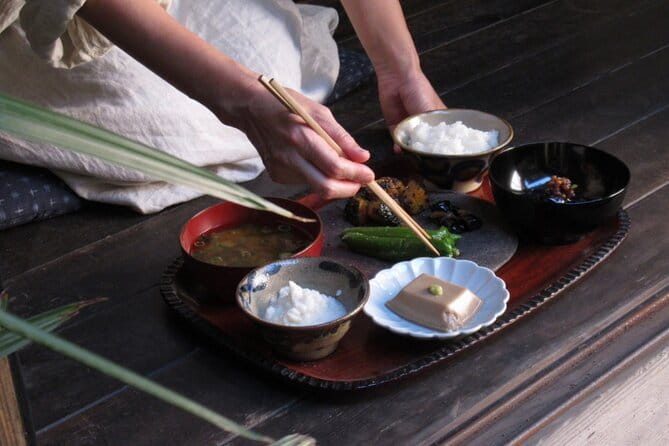
- One soup and five side dishes, then you plate and eat your meal
- Mostly vegan ingredients, with fish and eggs only if included by the menu
- English and Japanese instruction, so you can follow along without guessing
- Matcha tea after cooking, a satisfying finish without extra planning
Kyoto machiya cooking class: the real deal, not a demo
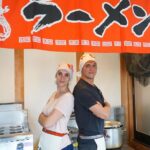
If you’ve ever wanted to cook Japanese food instead of just tasting it, this class has the right energy. The setting matters: you’re in a traditional Kyoto machiya exhibition-style room, not a big commercial kitchen. It’s near Toji Temple, and it’s close enough to Kyoto Station that you can pair it with other sightseeing plans without burning your whole day.
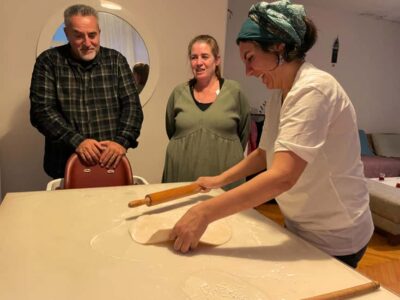
The class is designed for overseas visitors, and that shows in how it’s run. The flow is relaxed, but structured: you watch, you learn, and then you actually cook. It’s also private—your group only—so you’re not stuck sharing the kitchen with strangers.
You can also read our reviews of more tours and experiences in Kyoto.
What I like most
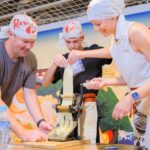
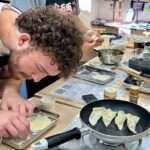
Two things make this experience feel worth the money. First, you don’t just get recipes—you get taught the steps, including cooking rice in a clay pot and making miso, which are two cornerstone skills for Japanese home cooking. Second, the menu format is clear and complete: one soup plus five side dishes, so you leave with a full, satisfying meal you helped create.
One consideration up front
Because fish and eggs may be used, you’ll want to be proactive about dietary needs. Most ingredients are vegan, but the safest move is to tell Iku about allergies before you arrive. If you want the class to be completely vegan, you’ll need to message in advance.
The kitchen plan: what you’ll cook and eat in 3 hours

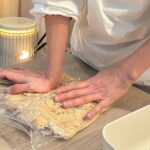
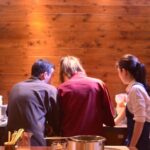
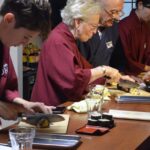
The structure is straightforward, and that’s a good thing when you’re in a foreign kitchen trying not to spill soy sauce (it happens). The class starts with demonstrations, then moves into teamwork where you help cook rice, soup, and the accompanying dishes.
Step 1: clay-pot rice and the basics of cooking
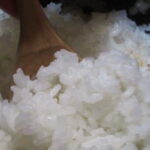
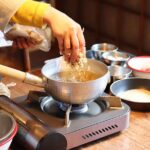
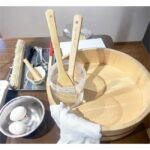
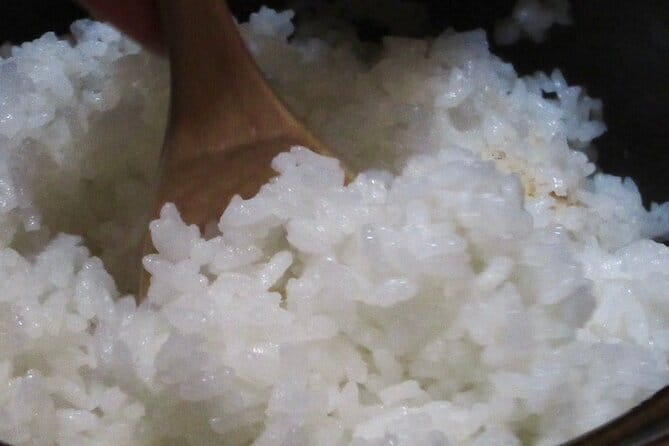
A highlight is learning how to cook rice in a clay pot. Clay pots aren’t just for show—they affect how heat distributes during cooking. In class, you’ll see the method clearly, then you’ll help with the rice so you can recreate it later.
Practical takeaway for you: the rice isn’t just a side. It’s the foundation. If you get the rice technique right, the rest of the meal clicks.
Step 2: making miso (and why it matters)
You’ll also learn to make miso, a fermented food that plays a big role in Japanese cooking. Even without getting lost in chemistry, you’ll understand how it fits into a meal—especially because the class includes miso soup as part of what you end up eating.
Practical takeaway for you: fermentation is one of those topics where small handling choices matter. The class is built around teaching you what to do and why, so you’re not stuck with a vague “mix and hope” recipe at home.
Step 3: building the meal—one soup plus five side dishes
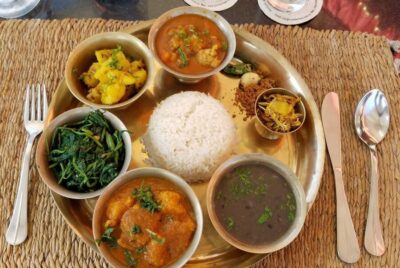
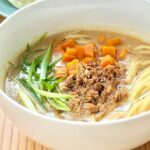
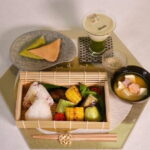
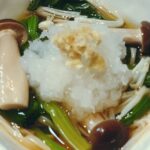
You’ll make a meal that includes one soup and five side dishes. Based on the vegetable-focused approach described for the menu, you’ll likely get a lot of plant-based Kyoto-friendly flavors. You’ll plate the food when everything is ready, then eat together.
This matters because you’re not learning random recipes. You’re learning how multiple dishes work as a set—how side dishes complement the soup and rice, and how plating makes it feel like a proper meal instead of a snack plate.
Step 4: matcha tea to close the loop
After the meal, you’ll have matcha tea. It’s a small add-on, but it completes the experience: you cook, you eat, and then you slow down with the traditional finish.
The teacher behind the class: chef + nutrition lens
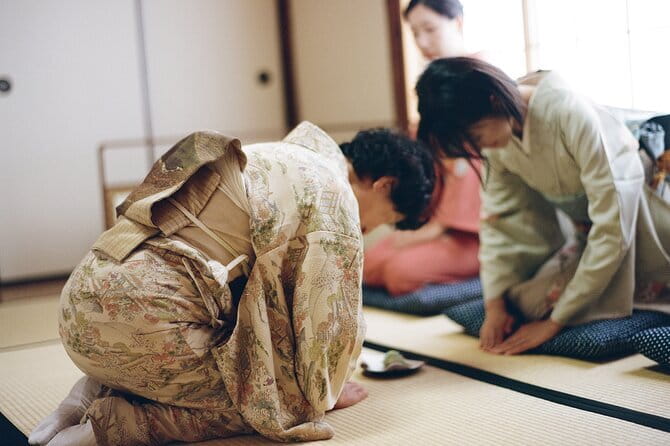
This class isn’t taught like a rushed language lesson where you mostly copy steps. The instructor, Iku, brings a background that’s unusually helpful for home cooks: she has experience as a chef and also works as a nutritionist, and she previously ran a French restaurant serving home-style meals on the World Heritage site of Yakushima.
That combination shows up in the teaching style. You get practical explanations and an emphasis on building meals you can recreate, not just tasting outcomes. And because the class uses a lot of vegan ingredients, it’s friendly to people trying to eat lighter without feeling like they’re missing out.
How the Q&A actually helps you
You’re encouraged to ask questions about Japanese cuisine, utensils, and culture. That’s useful if you care about cooking fundamentals—like why certain tools matter or how ingredient choices connect to the food style of Kyoto.
And because you’re taught in both English and Japanese, you can ask follow-ups without the usual awkward gap.
Kyoto ingredients and culture: what you learn besides the recipe
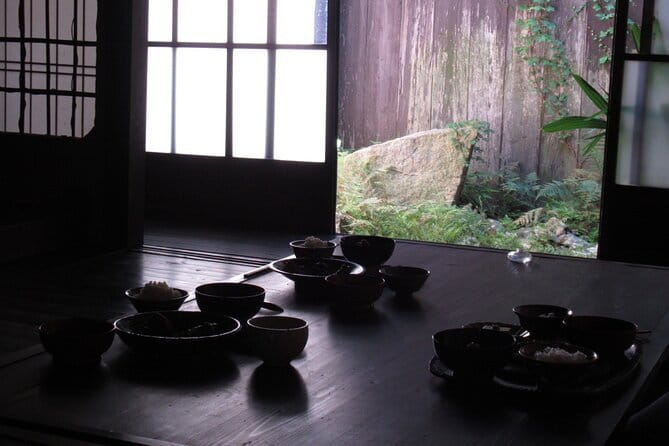
You’ll hear about culture and history using ingredients unique to Kyoto. The exact details depend on the menu, but the point stays the same: ingredients aren’t random. They’re tied to place, season, and local cooking traditions.
This is one of the reasons I like this class for travelers. You come away with more than skills; you come away with context you can use when shopping and cooking later. Next time you’re in a Japanese market and you see familiar categories like fermented foods (miso) or staples like rice, it’s easier to connect the dots.
If you’re the kind of traveler who likes your food experiences to feel grounded in real living habits, this fits well. If you want only entertainment, you might find it too focused on technique—but for most people, that’s the sweet spot.
Location near Toji Temple and Kyoto Station: easy to fit into a day
The class takes place in a Kyoto machiya exhibition room near Toji Temple, around a five-minute walk from Kyoto Station. That’s a big deal for planning.
You can do an easy morning of sightseeing, or you can treat this like your anchor activity and build the rest of your day around it. And because you return back to the meeting point at the end, you don’t have to worry about figuring out a late pickup or transit puzzle.
Meeting point you should find before class
The meeting point is listed at 411-2 Kujōchō, Minami Ward, Kyoto, 601-8473, Japan, and the start time is 11:30 am. I’d treat the address like a small mission: get there a few minutes early, especially the first time. A calm arrival makes the cooking part smoother.
Price and value: $71.67 for skills you can reuse
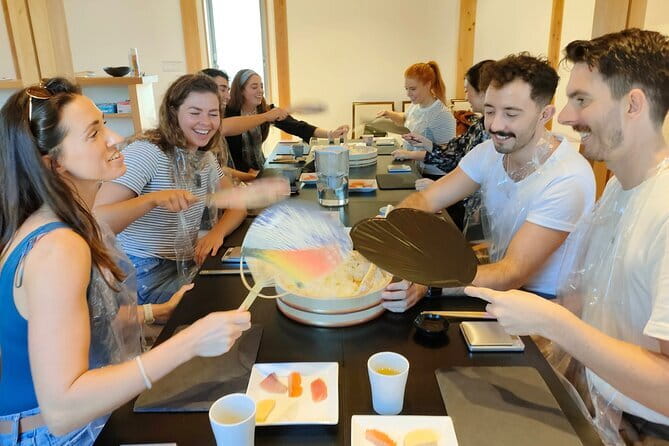
At $71.67 per person, this class is priced like an experience, not a quick snack. But the value is stronger than it looks at first glance because you get several things bundled in:
- All fees and taxes are included
- Cooking utensils, recipes, and writing implements are provided
- You cook and then eat what you make (one soup and five side dishes)
- The setting is a traditional machiya, and the class is private to your group
For perspective, you’re paying for a full meal experience plus instruction time plus take-home recipes. If you cook at home more than once a month, those recipes can pay back fast—especially because you’re learning techniques like clay-pot rice and working with miso, not just chopping vegetables and hoping for the best.
The class also has flexible dietary awareness. Most ingredients are vegan, and if you want fully vegan, you can message ahead. That kind of accommodation is part of the value, even if you don’t need it today—you’ll still appreciate it.
Dietary fit: vegan-friendly, but confirm the menu
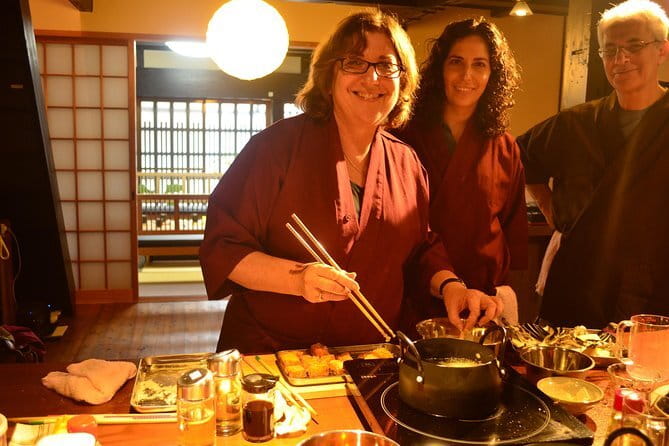
The kitchen uses many vegan ingredients, but fish and eggs may be used. That means your experience depends on how you communicate your needs before the class.
What to do if you have allergies or special diets
When you book, let Iku know about any allergies in advance. If you want a completely vegan diet, send a message ahead of time.
Here’s how to make this go smoothly for you:
- Share allergies clearly (and don’t bury them in a long message)
- Ask about fish/egg presence if you avoid them
- If you’re vegan, ask for a fully vegan version instead of assuming the default will be enough
This isn’t the kind of class where you want to figure out dietary limitations at the last second.
Who this class suits best
I’d point this class at people who want a hands-on Kyoto food experience with real skills behind it.
It’s a great fit if:
- you like cooking and want something you can repeat at home
- you want a calmer, small-group setting instead of a large tour bus vibe
- you’re curious about Kyoto-style ingredients and the food culture around them
- you want vegan-friendly options and clear dietary communication
If you only want tasting and photos with zero cooking, you might find it more work than you expected. But if you’re happy to stand at a station, cook, taste, and ask questions, you’ll probably enjoy it a lot.
Should you book this Japanese cuisine cooking class in Kyoto?
Yes—if you want practical cooking instruction in a traditional Kyoto setting, this is the kind of activity that makes your trip feel personal. You get a complete meal (one soup and five side dishes), you learn two key skills (clay-pot rice and miso), and you leave with recipes and notes you can use again.
Book it especially if you care about vegan-friendly menus and want an instructor who’s open to adjusting for allergies or a fully vegan approach. The only real reason to pause is if you have strict dietary rules and you’re not willing to message ahead—because fish and eggs may appear depending on the menu.
FAQ
What day is this Kyoto cooking class held?
The class takes place every Tuesday.
What time does the class start?
It starts at 11:30 am.
How long is the cooking class?
It’s about 3 hours.
Where is the meeting point?
The meeting point is 411-2 Kujōchō, Minami Ward, Kyoto, 601-8473, Japan. The activity ends back at the meeting point.
What will we cook during the class?
You’ll learn to cook rice in a clay pot and make miso. You’ll also help make rice, soup, and several side dishes.
What meal do we eat at the end?
You’ll eat one soup and five side dishes, and matcha tea is served after the meal.
Is the class vegan-friendly?
Most ingredients used in class are vegan, but fish and eggs may also be used. If you want a completely vegan diet, send a message. If you have allergies, let the instructor know in advance.
What’s included in the price?
All fees and taxes are included. Cooking utensils, recipes, and writing implements are provided.
Is transportation included?
Private transportation is not included.
Can I cancel and get a refund?
Free cancellation is available. You must cancel at least 24 hours in advance for a full refund. If you cancel less than 24 hours before the start time, the amount paid will not be refunded.
Are service animals allowed?
Yes, service animals are allowed.