REVIEW · MAKATI
Makati: Hands on Manila Cooking Class
Book on GetYourGuide →Operated by Explore Manila Tours · Bookable on GetYourGuide
Three Filipino snacks, hands-on in Makati. This 2-hour class turns a simple afternoon into a small-group cooking session, with English-speaking host Chyl guiding you through classic Filipino flavors plus the stories behind them. I like how the local culture talk stays practical, tied directly to what you’re cooking, not just extra chatting.
The one thing to think about is the open-air setup. It’s casual and family friendly, but weather can affect comfort and how the space is arranged if rain rolls in.
You’ll pay about $60 per person for ingredients, cooking equipment, and a non-alcoholic drink, and you’ll meet Chyl at an outdoor courtyard in front of a coffee kiosk. No hotel pickup is included, so plan to use Grab to get there.
In This Review
- Key highlights you’ll care about
- Makati meryenda cooking class: what the experience is really like
- Meeting Chyl and getting oriented fast
- Your meryenda menu: the snacks you’ll make
- Hands-on cooking: noodles, lumpia, and sweet turon skills
- What Chyl teaches beyond the stove
- Outdoor Makati setting: charming, casual, and occasionally weather-dependent
- Timing and logistics: making it work without hotel pickup
- Price and value: is $60 fair for a 2-hour class?
- Who this cooking class is best for
- The non-food perks: why this feels like more than cooking
- Should you book this Makati: Hands on Manila Cooking Class?
- FAQ
- How long is the cooking class?
- How much does it cost?
- What can I expect to cook?
- Who teaches the class?
- Where do I meet the instructor?
- Is hotel pickup included?
- What should I bring?
Key highlights you’ll care about
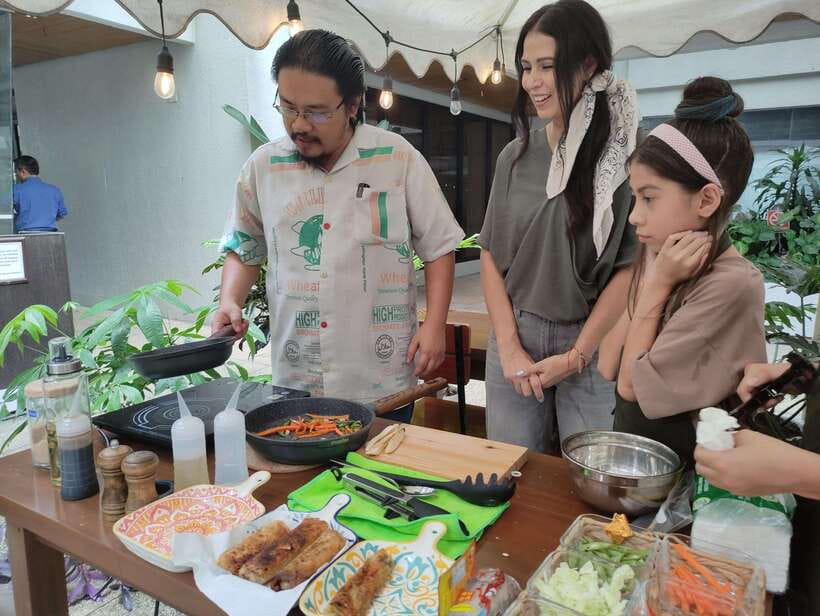
- Chyl’s calm, story-led teaching in English makes it feel more like a lived-in home lesson than a rushed demo.
- You cook a full meryenda snack set, usually built around noodles, spring rolls, and a sweet treat.
- Hands-on control at your own station means you’re not stuck watching while others do the work.
- Small group limit (up to 4) keeps the experience personal, with time for questions as you go.
- Outdoor courtyard location is part of the charm, but bring clothing you can work in even if conditions change.
Makati meryenda cooking class: what the experience is really like
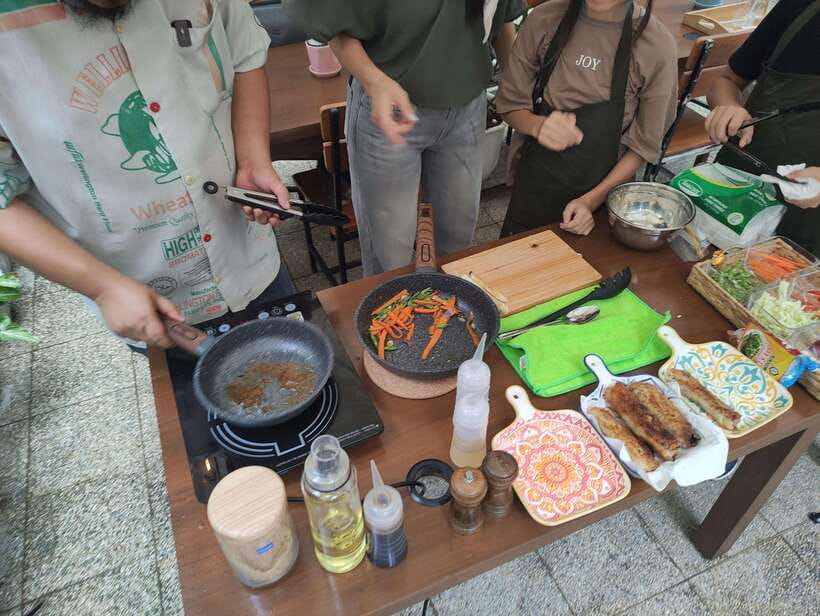
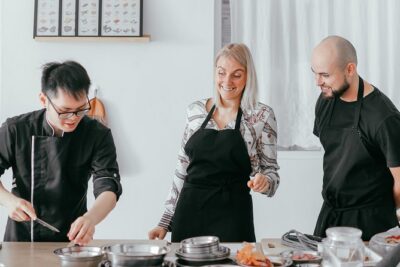
This class is built for people who want more than a food tasting. You learn by doing, from prepping ingredients to cooking your own Filipino snacks, and then eating what you made as a complete meryenda spread.
The vibe is friendly and straightforward. Chyl keeps things structured, but not stiff, and the lesson has a clear rhythm: explain, prep, cook, taste, repeat.
Meeting Chyl and getting oriented fast
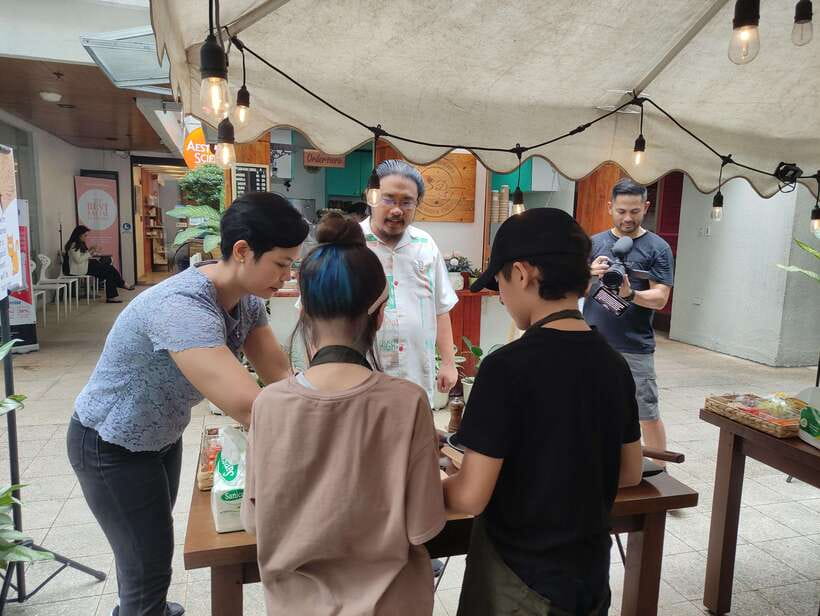
The meeting point is simple: look for your instructor at the outdoor courtyard in front of the coffee kiosk. When you arrive, you’ll see the setup and everything lined up so you can start cooking on time.
One smart detail is how the class is sized. Limited to 4 participants, you get a closer teaching relationship than you would in a big group, and you’re more likely to actually touch the pan, not just stand beside it.
Chyl also brings the lesson to life with cultural context. You’ll hear food stories tied to Filipino family life and celebrations, and you’ll learn why ingredients and techniques matter, not just how to follow steps.
Your meryenda menu: the snacks you’ll make
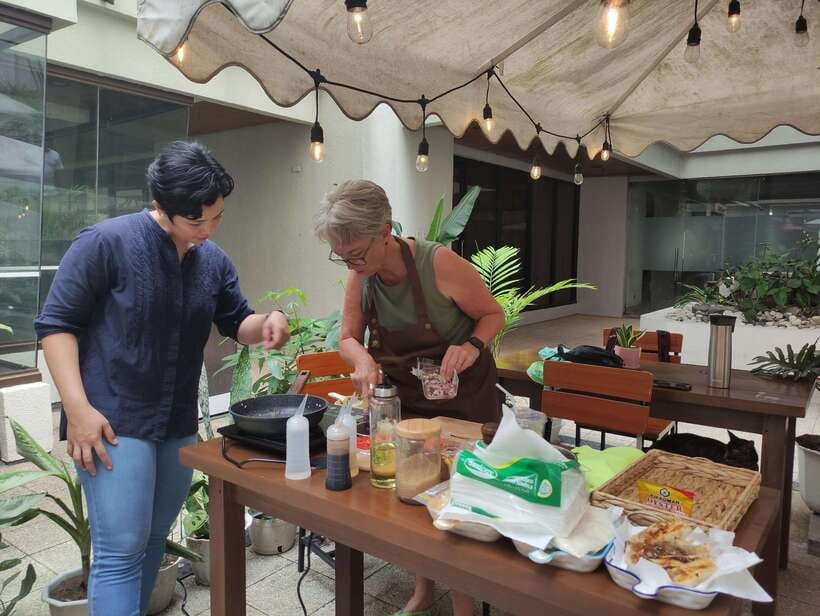
The core of the class is a snack meal that feels substantial. You’re not just making one small dish; you’re building a full Filipino meryenda experience that can run from savory and crunchy to sweet.
What you can expect to cook includes:
- A noodle-based snack dish (often pancit-style)
- Spring rolls or lumpia (savory and crunchy)
- A sweet treat such as turon, or a related banana-based dessert depending on the session
Some sessions also include other Filipino favorites within that snack theme, like a stir-fry component or different variations of the spring roll. The common thread is that you’re learning recipes people grew up eating, using approachable steps and ingredients that are part of everyday Filipino cooking.
Even better, you get to see how small choices change results. More than once, the class emphasizes that each person’s version can come out subtly different, which is a nice reminder that you don’t need perfection to make great food.
Hands-on cooking: noodles, lumpia, and sweet turon skills
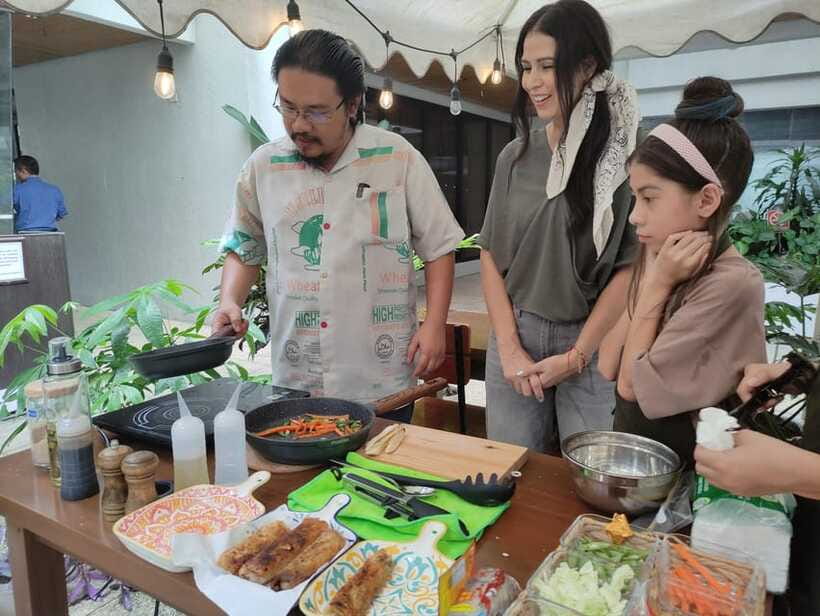
This is the part you’ll feel in your hands. From the start, you’re involved in prep and cooking, and Chyl’s guidance stays practical—what to do first, what to watch while it cooks, and how to adjust as you go.
For the noodle dish, the learning focus is on getting flavor balance right in a Filipino-style pancit approach. You’re also learning how the dish comes together as a snack that feels filling enough to anchor the meal.
For lumpia or spring rolls, you’re working through the texture that makes these so addictive: crisp exterior, tasty filling, and even frying coverage. If you’ve never wrapped spring rolls before, this is the kind of class where you can learn the method without feeling embarrassed.
Then comes the sweet portion, where Filipino desserts show up as comfort food. Turon-style sweets teach you how the fruit and wrapper work together, and banana-based desserts show a similar idea: simple ingredients turned into something memorable.
The payoff is that by the end of the 2 hours, you’ve cooked enough to feel like you really ate an entire snack meal, not just a sample plate.
What Chyl teaches beyond the stove
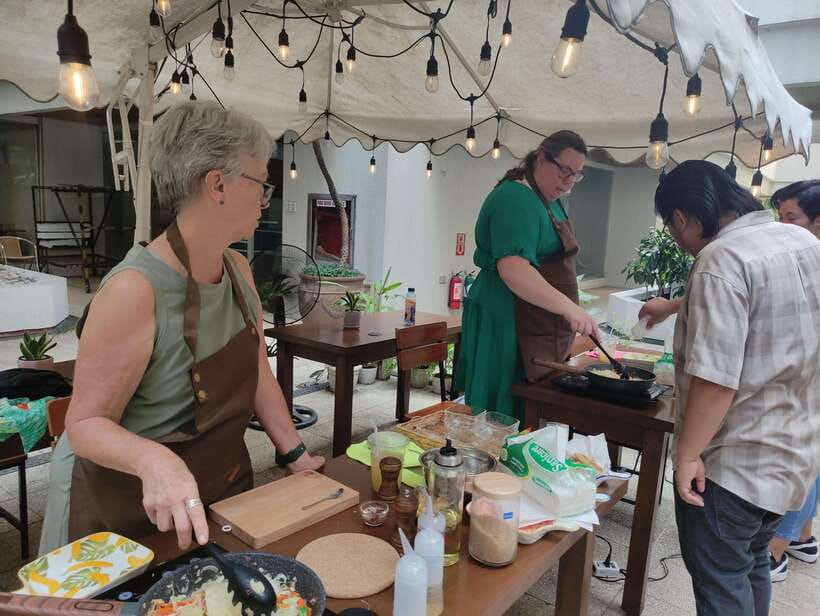
The best cooking classes teach you technique. This one also teaches context, and it’s not vague.
You’ll get cultural notes tied to what you’re making—how Filipino food connects to family routines, how snacks fit into the day, and how traditions show up during gatherings. Chyl also shares food trivia and origins, including stories about how certain snack foods became part of daily life.
One of the reasons this matters is that it changes how you cook later. Instead of memorizing a recipe like a robot, you learn why the dish is built the way it is, so you can adjust with confidence when you recreate it at home.
Outdoor Makati setting: charming, casual, and occasionally weather-dependent
The class takes place outdoors in an open-air courtyard, which makes it feel relaxed and local. You’re not stuck under fluorescent lights; you’re cooking where the activity has an easy, everyday feel.
Just don’t ignore the practical downside: if it rains, the venue may need rearrangement, and things can get moved around to keep cooking areas manageable. That’s not a deal-breaker, but it’s a real reason to dress like you’re working outside, not like you’re going to a restaurant.
Wear comfortable clothes and plan to move. If you run hot easily, consider light layers and shoes you can stand in for a while.
Timing and logistics: making it work without hotel pickup
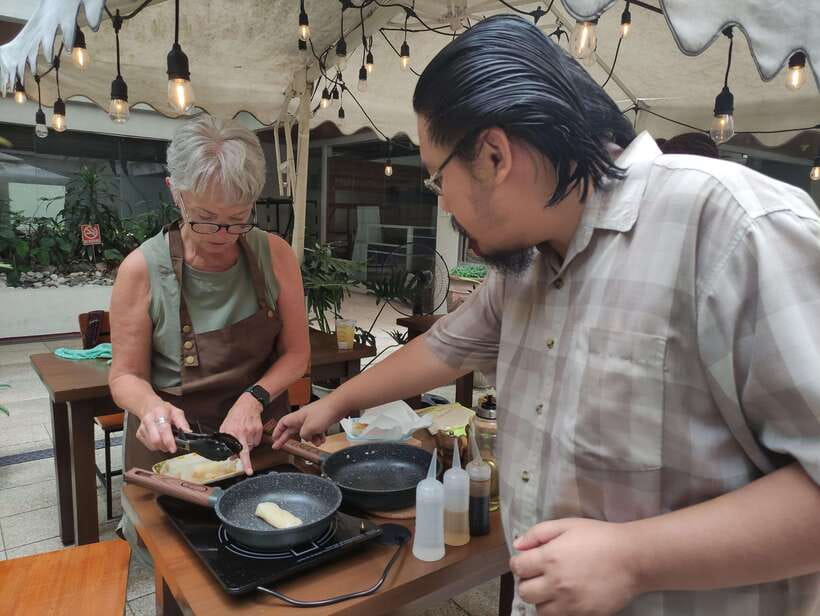
This is a tight, enjoyable 2-hour block. It’s long enough to prep, cook, eat, and still feel unhurried, but short enough that you can fit it into an afternoon plan without losing your whole day.
There’s no hotel pickup or drop-off included, so you’ll need to get yourself there. The easiest move is to use Grab, the local ride-hailing app, to get a car to the Makati area and then find the outdoor courtyard meeting point.
Because the class is limited to 4 people, timeliness matters. If you’re running late, it helps to know that Chyl’s approach tends to stay calm and structured, and she’ll work with the schedule so you can still complete the cooking time.
Price and value: is $60 fair for a 2-hour class?
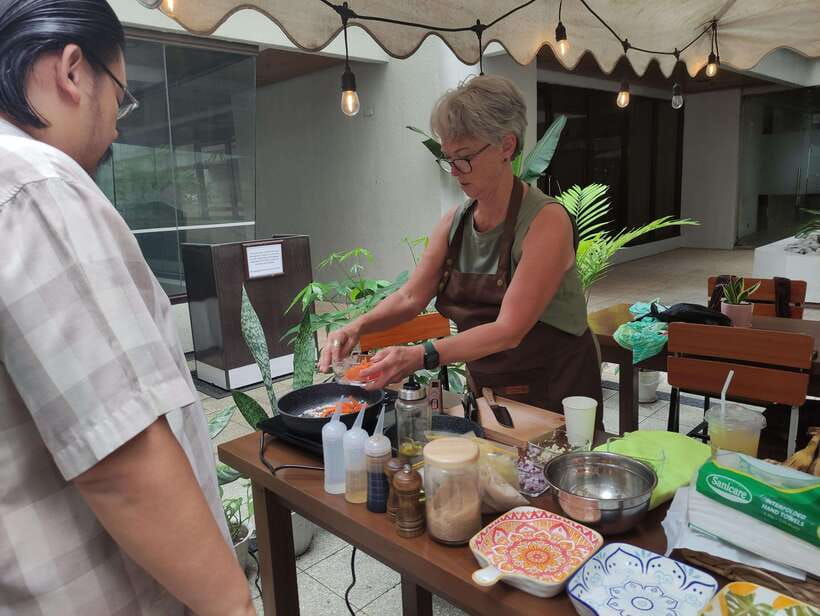
At $60 per person, you’re paying for ingredients, equipment, and guided hands-on learning—not just a tasting. You’re also getting a lesson that includes cultural storytelling, which is often what makes these classes worth more than cooking “just recipes.”
One reality check: this won’t feel like a bargain if you’re expecting a quick snack demo with minimal work. You’ll be cooking multiple items, and the portions are generous enough that you may end up with leftovers.
If you like to learn by doing, the value makes sense. If you only want light sampling, you might feel it’s priced for the full experience rather than for a casual taste.
Who this cooking class is best for
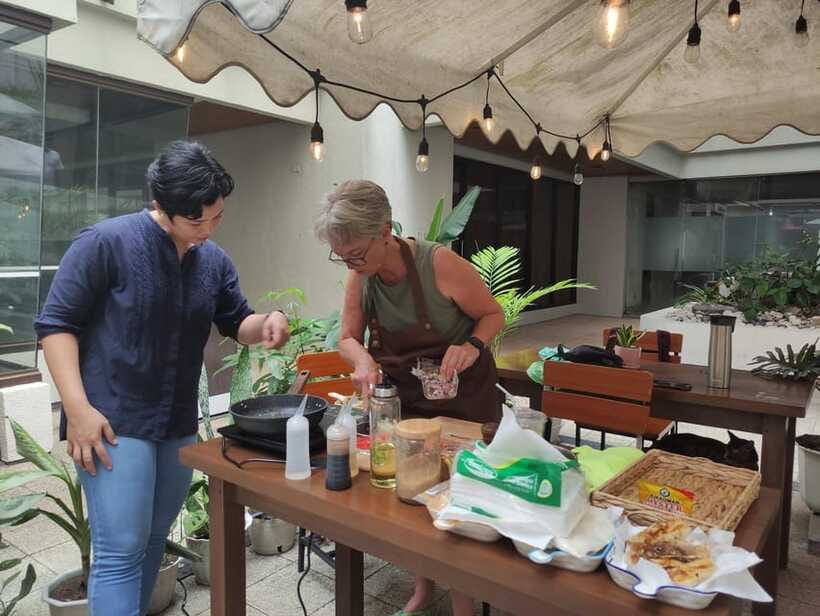
This fits best if you want hands-on Filipino food skills without needing to be an expert cook. The format works for beginners because the steps are taught, and it also works for experienced cooks because you can focus on technique, timing, and texture.
It’s a great option for:
- Couples or friends who want a shared activity in Makati
- Solo travelers who want a small, guided experience with space to ask questions
- People who love Filipino food and want a repeatable way to make it at home
It’s not designed for everyone. Children under 9 aren’t suitable, and it isn’t suitable for visually impaired people. On the positive side, it is wheelchair accessible.
The non-food perks: why this feels like more than cooking
The class has a social side, even with a small group. You’ll spend the time together while you cook, so it naturally turns into conversation, not awkward silence.
The other perk is that it’s interactive without being chaotic. You get your own working space, you’re encouraged to take the lead, and you’re still supported by clear instruction.
That combination makes it a good “I’m on vacation” activity. You don’t need to study first, and you still come away with something concrete: food you made and recipes you can try again later.
Should you book this Makati: Hands on Manila Cooking Class?
Book it if you want a hands-on Filipino meryenda session with real teaching, a small group, and a host who connects recipes to Filipino food culture. If you’re the type who gets excited making spring rolls or learning how a sweet like turon-style dessert comes together, this is exactly your kind of afternoon.
Skip it if you hate outdoor conditions or want something very light and low-effort. Also, if you’re looking for a hotel convenience package with pickup included, you’ll want to plan your transport ahead since Grab is your main tool here.
If you’re deciding between doing another tour or learning food you can cook at home, this one is an easy yes for me: it ends with full stomachs and skills you can use long after Manila traffic fades.
FAQ
How long is the cooking class?
The class runs for 2 hours.
How much does it cost?
It costs $60 per person.
What can I expect to cook?
You’ll prepare a Filipino meryenda snack spread, which includes a noodle dish, spring rolls (like lumpia), and a sweet treat (often turon or banana-based desserts, depending on the session).
Who teaches the class?
The instructor is English-speaking.
Where do I meet the instructor?
Meet your instructor in the outdoor courtyard in front of the coffee kiosk.
Is hotel pickup included?
No, hotel pickup and drop-off are not included.
What should I bring?
Wear comfortable clothes, since the class is held in an outdoor courtyard setting.