REVIEW · KUALA LUMPUR
Kuala Lumpur: Malaysian Cooking Class with Market Tour
Book on GetYourGuide →Operated by Lazat Cooking Class · Bookable on GetYourGuide
Markets make the best cooking teachers. This Kuala Lumpur experience starts at TTDI Wet Market and then moves into a small-group class at LaZat Cooking, where you make your own 3-course lunch under local chef guidance. It’s not just about learning recipes—it’s about learning why certain ingredients matter.
I like the hands-on structure: you cook with your own set of equipment instead of watching from the sidelines. I also like the approach to flavor—fresh herbs and spices from a garden and local farms, guided by founder Ana’s motto, massage your ingredients and fill them up with love. One drawback to consider: the day runs about 330 minutes and starts at 8:30 AM, so it takes planning if you prefer a slower morning.
In This Review
- Key Takeaways Before You Go
- TTDI Wet Market First Thing: How You Get Better at Cooking
- The Market Tour Details You’ll Actually Use While Cooking
- What to watch for
- Getting From Market to LaZat Cooking School (Without Stress)
- Cooking Your 3-Course Lunch: What You’ll Make and Why It Feels Rewarding
- How the course structure helps you
- Founder Ana’s Method: Herbs, Spices, and the Love-Driven Technique
- Small-Group Teaching and Multilingual Guidance
- If you want names to look for
- Price and Value: Does $149 Make Sense for a KL Cooking Class?
- Who Should Book This Class (and Who Might Skip It)
- Should You Book LaZat Cooking’s Market-and-Cook Class?
- FAQ
- Where is the meeting point for the class?
- What time does the Market Tour start?
- How long is the experience?
- Can I join the class if I don’t want to do the Market Tour?
- What will I cook during the class?
- Is the class taught in English?
- What’s included in the price?
- What is not included?
- Can I get a full refund if my plans change?
Key Takeaways Before You Go
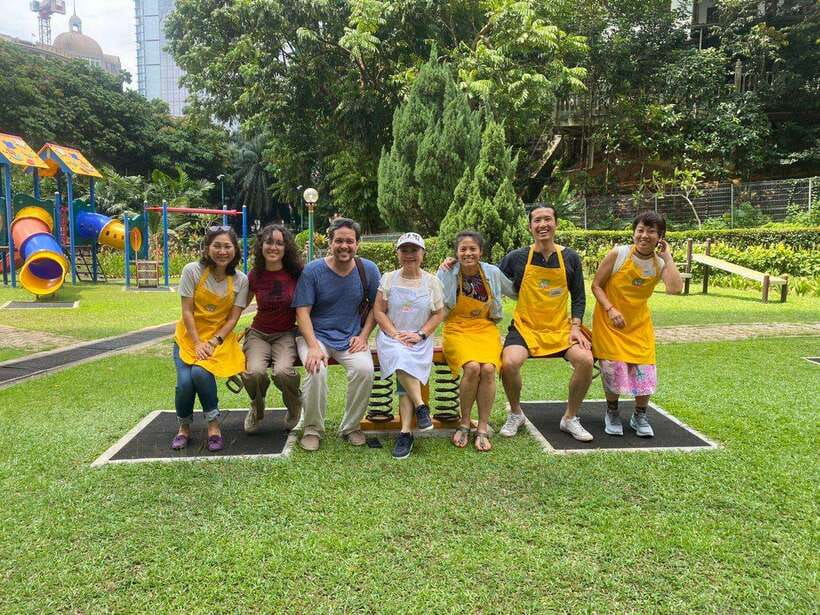
- TTDI Wet Market at 8:30 AM: you start by spotting fresh ingredients and learning how cooks select them
- Hands-on 3-course meal: appetizer, main, and dessert that you actively prepare yourself
- Your own cooking setup: gas burner stove, utensils, and mortar & pestle so you can cook efficiently
- Family-recipe focus: founder Ana’s tradition-led method, plus fresh herbs and spices from garden and local farms
- Small group feel: English, Malay, and Chinese instruction keeps it interactive and easier to ask questions
TTDI Wet Market First Thing: How You Get Better at Cooking
Starting at the wet market is the smartest move in this class. You’re not just handed a recipe and told to follow steps. You’re learning the ingredient logic early: what looks fresh, what you’ll likely use, and how those items connect to the dishes you’ll cook later.
TTDI Wet Market is also a practical choice. The meeting point is at the entrance facing Jalan Wan Kadir, and a rep is there to get you organized. That matters because markets can be hectic—having a clear meetup helps you get your bearings fast.
If you’re worried about timing, there’s a helpful option: you can skip the Market Tour and join later. That flexibility is great if you’re coming from somewhere else in Kuala Lumpur and don’t want your morning locked to 8:30 AM.
You can also read our reviews of more tours and experiences in Kuala Lumpur.
The Market Tour Details You’ll Actually Use While Cooking
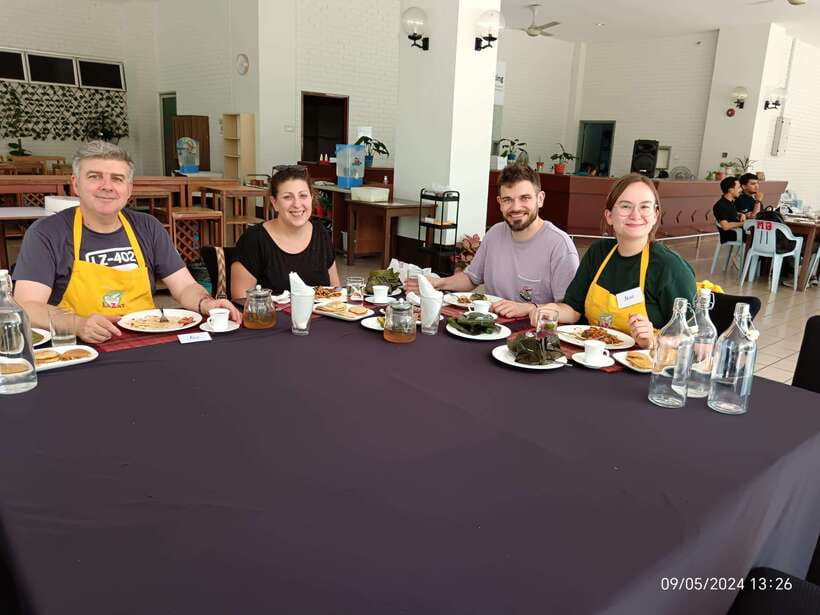
The Market Tour is where the class turns from cooking demonstration into skill-building. You spend time learning about local ingredients and cooking techniques, and it’s built around the idea that ingredient selection is part of cooking—not an afterthought.
A standout detail from the experience is that you’re not only shopping “stuff.” You’re learning how cooks think. In particular, roti canai is mentioned as a favorite stop in the morning. That’s not a random snack; it gives you a real-world sense of how street food and cooking technique connect to what you’ll be making.
You’ll also meet the people behind the food. One description notes that the morning guide had a strong relationship with stall holders, which tends to mean more context while you walk. You’re more likely to understand what you’re buying and why, instead of just collecting items that look familiar.
What to watch for
Markets can be noisy and warm. Wear comfortable shoes and plan for a bit of standing and walking. You’ll be eating and cooking afterward, so bring a calm attitude and leave room in your schedule—this class keeps moving.
Getting From Market to LaZat Cooking School (Without Stress)
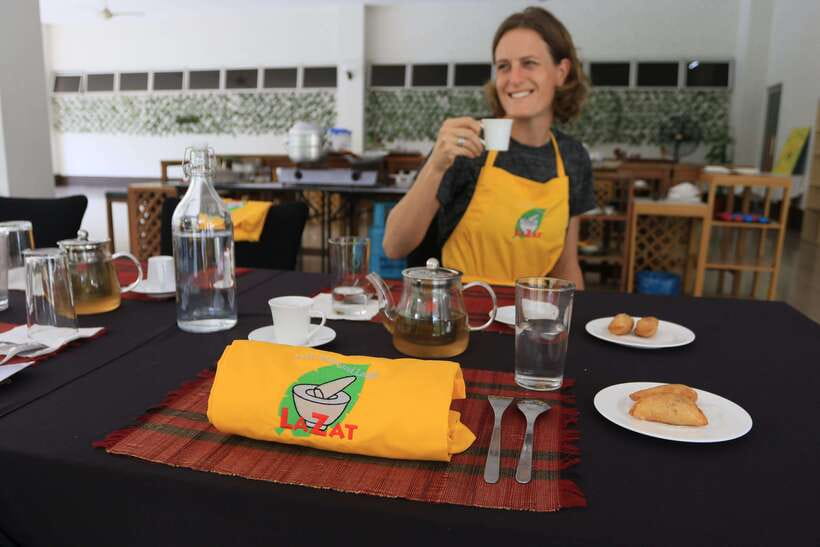
After the Market Tour, you get a transfer from the wet market to LaZat Cooking School. That’s a big quality-of-life win because you’re in a market area and you don’t want to spend time figuring out transport mid-day.
Do note what’s not included: transport to the wet market is not provided, and transport after the class finishes is not provided. So you’ll want to plan your start and end ride yourself.
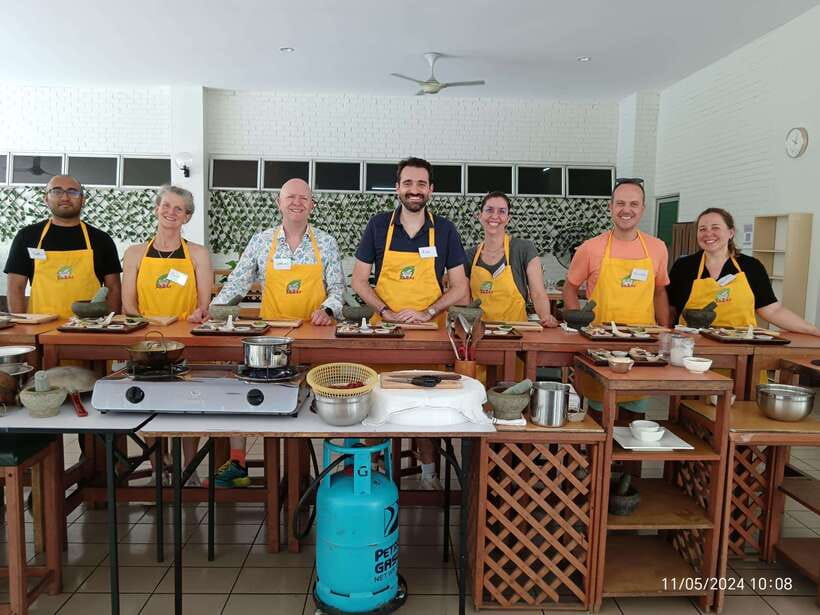
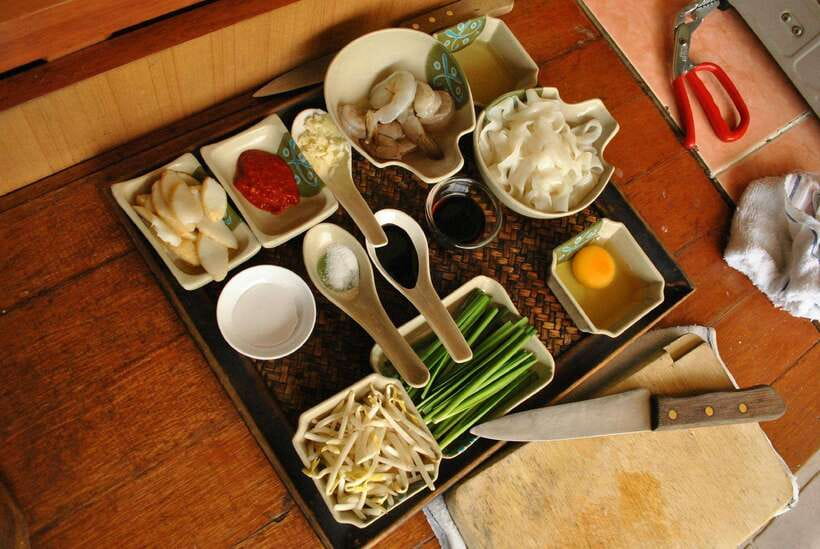
Once you arrive, the setup is ready for you. Each participant gets an individual equipment set, including:
- a gas burner stove
- countertop and cooking utensils
- traditional utensils
- mortar & pestle
That means you can cook in real time instead of sharing tools or waiting your turn. For most people, that’s the difference between a fun activity and an actually satisfying cooking class.
Cooking Your 3-Course Lunch: What You’ll Make and Why It Feels Rewarding
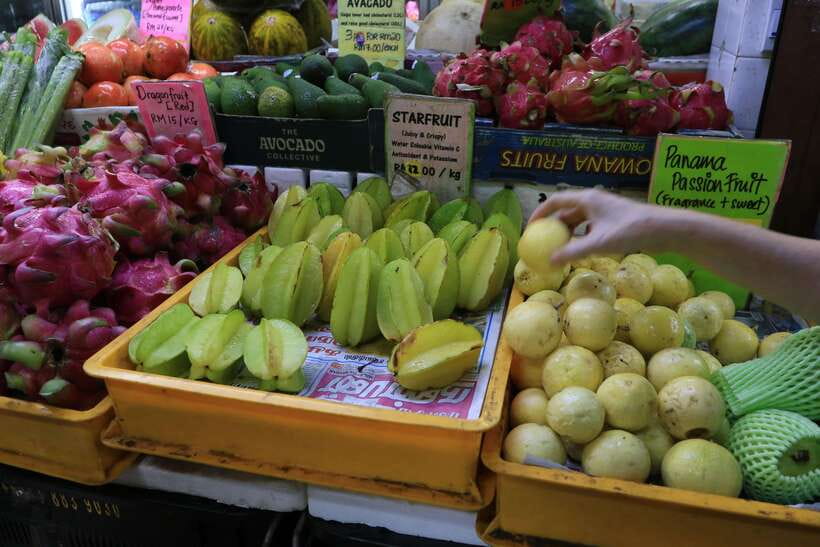
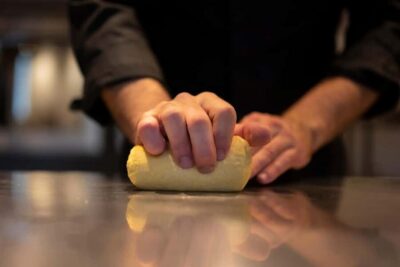
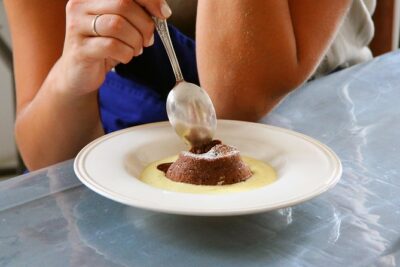
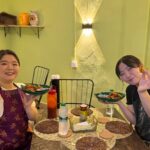
This is hands-on, 3-course meal training. You’ll create an appetizer, a main course, and a dessert. The exact dishes can vary because each day features a different ethnic menu. That keeps the class from feeling repetitive if you go more than once.
From the experience descriptions, two dishes show up as teaching favorites:
- Nasi Lemak
- Chicken Rendang
Learning dishes like these matters because they force you to work through layered flavors rather than just assembling ingredients. You’re practicing technique, not just timing.
How the course structure helps you
A three-course flow is a smart way to teach Malaysian cooking. You start with something that gives you ingredient foundation, move into a main that requires more careful cooking, and finish with a dessert that tests your timing and finishing skills.
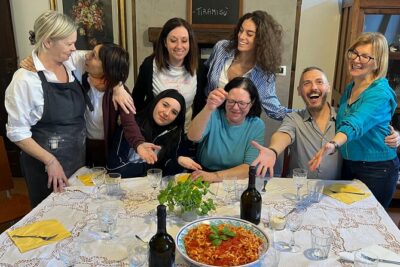
And because it’s your lunch, you also get immediate feedback. When you taste what you made, you can connect your choices—spice amounts, texture, and cooking time—to the final result.
Founder Ana’s Method: Herbs, Spices, and the Love-Driven Technique
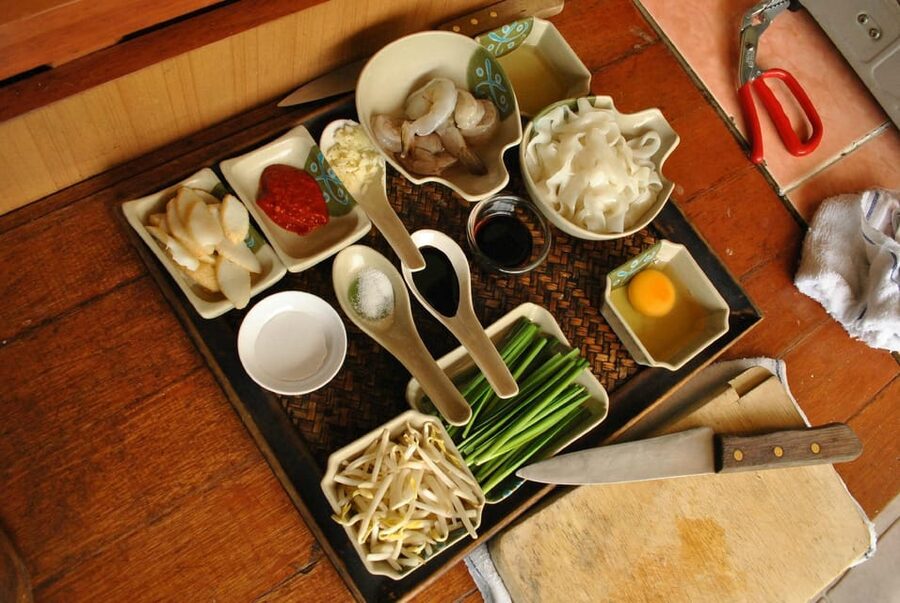
The class isn’t generic. It’s tied to a philosophy. LaZat Cooking’s approach emphasizes care and respect for tradition, with fresh herbs and spices sourced from the garden and local farms. That shows up in the way you’re guided through flavor development.
Founder Ana’s motto—massage your ingredients and fill them up with love—isn’t just cute branding. It signals a hands-on belief: technique and treatment of ingredients affect the outcome. In practice, that translates into learning how to handle herbs/spices so flavors distribute properly.
You’ll also be cooking family recipes passed down through generations. Even if you don’t care about the origin story, you’ll benefit from it. Family recipes are often tested in real life—meaning the methods tend to be practical and reliable.
Small-Group Teaching and Multilingual Guidance
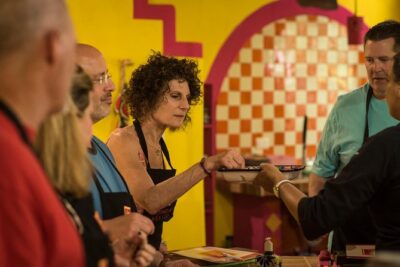
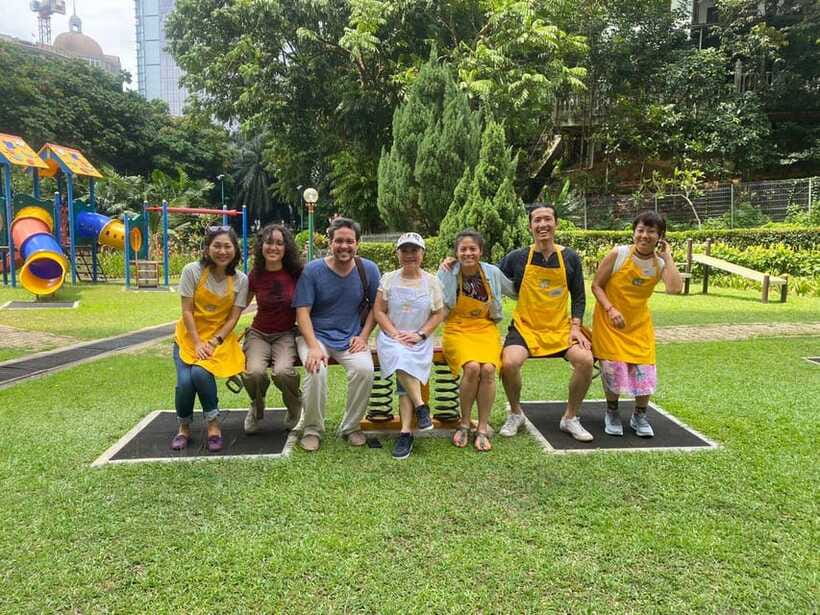
This class is designed for a small group, with the instructor working alongside you and your fellow participants. That format usually means fewer long waits and more chances to ask questions when something feels unclear.
Language support is also a real plus. The instructor can teach in English, Malay, or Chinese. If you’re traveling in Kuala Lumpur and you’re not confident with local language, this reduces friction. You can focus on cooking instead of guessing what a step means.
One review-style detail that’s especially reassuring: safety and enjoyment are taken seriously by the hosts. Cooking with a gas burner means there’s real heat involved, and clear guidance makes the experience feel smoother.
If you want names to look for
A teacher named Saadiah is highlighted as a standout instructor, particularly noted as usually teaching on Saturdays. If you see her listed on the schedule, it’s worth choosing that slot if your goal is an especially story-rich class where food and culture are connected.
Price and Value: Does $149 Make Sense for a KL Cooking Class?
At $149 per person for about 330 minutes, the price is in the “you’re paying for time and instruction” category. You’re not just getting a meal—you’re getting a Market Tour, a guided cooking session, and a structured 3-course lunch outcome.
Here’s what’s included that supports the cost:
- Market Tour ingredients and learning time (starting at 8:30 AM)
- individual cooking equipment (including stove and mortar & pestle)
- snacks during the class
- coffee and/or tea
- transfer from Wet Market to the school after the tour
What you’re not paying for:
- transport to the wet market
- transport after the class ends
- alcohol
So the value question comes down to whether you’ll use the instruction time. If you like learning technique and you want the satisfaction of cooking and eating what you made, this looks like a fair deal. If you mainly want a quick lunch with minimal effort, you might feel the cost for the added market time.
Who Should Book This Class (and Who Might Skip It)
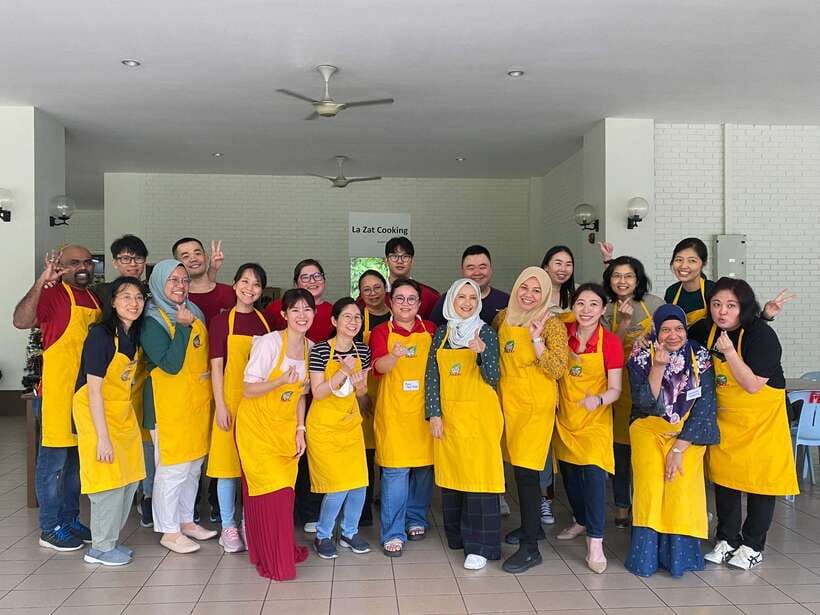
I’d point you toward this experience if you:
- want a market-to-meal day rather than just a kitchen lesson
- enjoy hands-on cooking and learning why ingredients matter
- like tradition-led instruction with real people, not just a scripted demo
- want instruction in English, Malay, or Chinese
It may not be the best match if you:
- hate early starts (8:30 AM Market Tour is the standard)
- don’t like walking around in market environments
- want zero planning around transport (because you handle rides to and from parts of the day)
If you’re traveling as a couple or on a solo trip, a small group format can feel like the right level of social energy. If you’re coming with dietary needs, the class welcomes everyone, but you should still confirm specifics in advance so they can guide you correctly.
Should You Book LaZat Cooking’s Market-and-Cook Class?
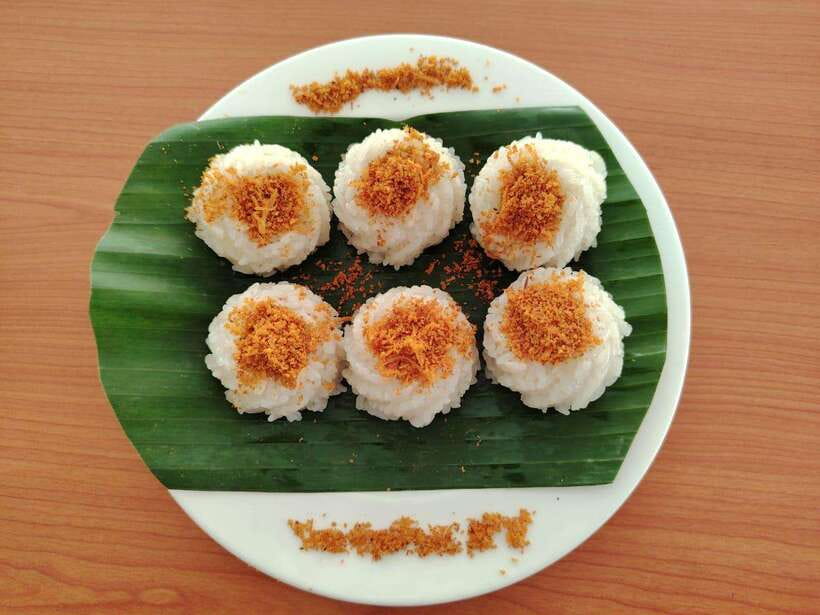
I think it’s worth booking if your ideal Kuala Lumpur day includes two things: real ingredient time and a meal you helped build from scratch. The combination of TTDI Wet Market, individual equipment, and a full 3-course lunch makes this feel like more than a casual activity.
Book it if you want to leave with actual cooking confidence—especially if the day’s menu includes dishes like Nasi Lemak or Chicken Rendang. Skip it only if you’re not into early mornings or you’d rather spend your time elsewhere without market walking.
FAQ
Where is the meeting point for the class?
You meet at TTDI Wet Market. A representative waits at the entrance facing Jalan Wan Kadir.
What time does the Market Tour start?
The Market Tour starts at 8:30 AM.
How long is the experience?
The class lasts about 330 minutes.
Can I join the class if I don’t want to do the Market Tour?
Yes. If you prefer, you can skip the Market Tour and join later.
What will I cook during the class?
You’ll cook a 3-course lunch: an appetizer, a main course, and a dessert.
Is the class taught in English?
The instructor can teach in English, Malay, and Chinese.
What’s included in the price?
The experience includes individual class equipment, snacks, coffee and/or tea, and transfer from the Wet Market to LaZat Cooking School after the Market Tour.
What is not included?
Transport to the Wet Market (Pasar Besar TTDI) and transport after class finishes are not included, and alcohol is also not included.
Can I get a full refund if my plans change?
Yes. You can cancel up to 24 hours in advance for a full refund.