REVIEW · MOOREA
Moorea Tahitian Cooking Class
Book on Viator →Operated by AtunuMai Moorea Culinary · Bookable on Viator
Cooking in a Tahitian home beats a restaurant class. I like that AtunuMai Moorea Culinary mixes garden-fresh ingredients with a small-group home setting, so you’re not just watching—you’re working with real flavors and local techniques. You also get cultural storytelling tied to what’s on your hands and what’s in your bowl.
The main thing to consider is weather. This experience requires good weather, so if conditions are poor you’ll need to be ready for a different date or a full refund.
In This Review
- Key things that make this class worth your morning
- A traditional home kitchen in Moorea, not a tourist bubble
- Arriving for the 10:30 start and settling into the experience
- Cooking hands-on with garden-fresh Tahitian ingredients
- The storytelling that makes the flavors click
- Timing, group size, and how to get the most out of 2.5 hours
- Price and value: why $220 can make sense (or not)
- Who should book AtunuMai Moorea Culinary
- Should you book this Moorea cooking class?
- FAQ
- What is the duration of the Moorea Tahitian Cooking Class?
- Where does the class start and where does it end?
- What time does the class begin?
- How large is the group?
- Does the class run in bad weather?
- What is the cancellation policy?
Key things that make this class worth your morning
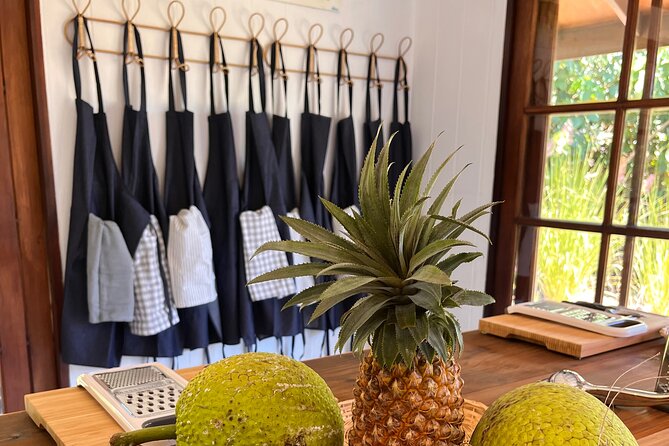
- Garden-to-plate ingredients: fresh, seasonal items, with many harvested from the AtunuMai garden.
- Very hands-on cooking: you learn by doing, not by standing back.
- Poisson cru experience: a classic Tahitian dish like poisson cru is part of the lesson.
- Guidance from Havaiki: clear, personal coaching during prep and cooking steps.
- Small group (max 10): intimacy you usually don’t get in big food tours.
- Home warmth, not a show: local punch and hospitality set the tone before you start cooking.
A traditional home kitchen in Moorea, not a tourist bubble
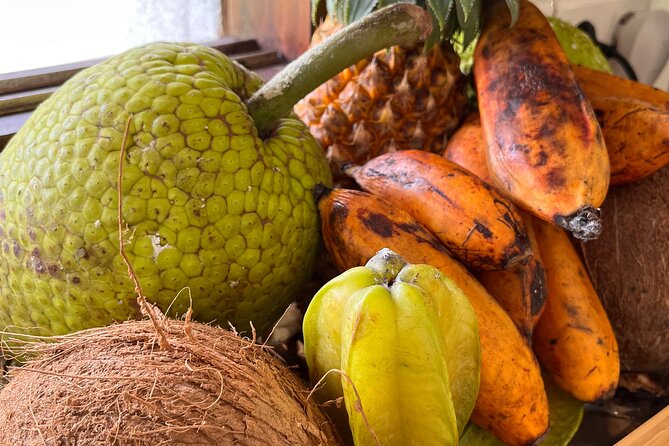
If your idea of a great Moorea activity is food plus people, this class fits the bill. AtunuMai Mo’orea Culinary happens in a traditional Tahitian home, which changes everything. The kitchen feels lived-in. The pace feels human. And the focus stays on ingredients, technique, and why certain flavors matter locally.
I like that the experience is built around the land. Many of the ingredients come straight from the AtunuMai garden, so you’re learning how Tahiti eats in a way that makes sense. Instead of guessing why something tastes a certain way, you’re getting context while you cook. That’s the difference between a cooking demo and a class that actually teaches.
Another big plus is the feel of the group. With a maximum of 10 travelers, you’re less likely to get treated like a number. You can ask questions, get help with steps, and actually enjoy the process. And yes, the setting is also photogenic. But the photos are the side effect, not the point.
Arriving for the 10:30 start and settling into the experience
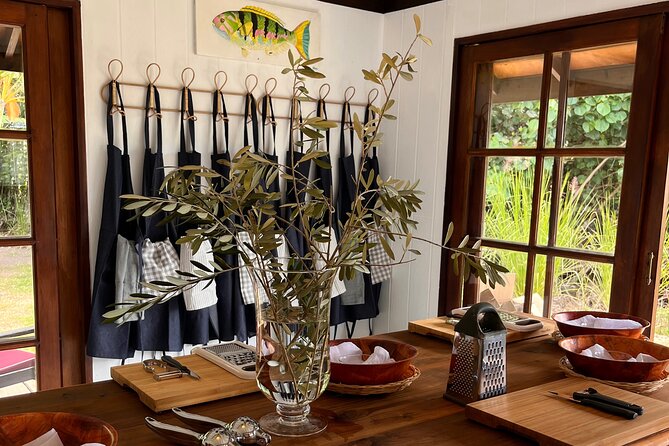
The class starts at 10:30 am and runs for about 2 hours 30 minutes. You’ll begin in the Moorea area (Mo’orea, Moorea-Maiao, French Polynesia), and the activity ends back at the meeting point. That round-trip setup is useful because it saves you from scrambling for transport after you’re done and hungry.
You’ll also get a mobile ticket, which is a small thing that still matters. In French Polynesia, it’s nice when check-in stays simple and you’re not juggling printouts.
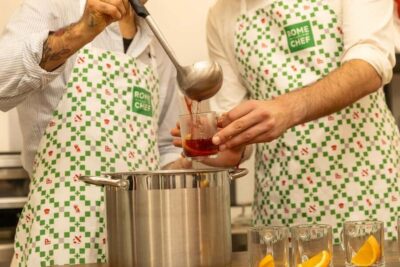
On arrival, you’re welcomed with local punch. That might sound like a minor detail, but it helps set the tone. You start by getting comfortable with your hosts and the rhythms of the home before the cooking gets hands-on. It also makes the whole morning feel like hospitality first, then instruction.
One more practical point: this activity is near public transportation. If you’re bouncing around Moorea during the day, that helps. You can plan around the class start without making it your whole itinerary.
Cooking hands-on with garden-fresh Tahitian ingredients
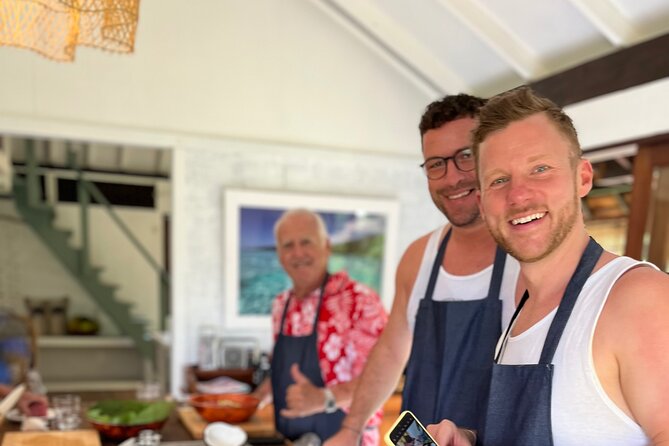
This is the heart of the experience. The workshop uses fresh, seasonal ingredients, and the garden connection is real—many items are harvested from the AtunuMai garden. When you cook with what’s fresh that day, flavors behave differently. They taste brighter, and you can often tell the difference just by smell and texture during prep.
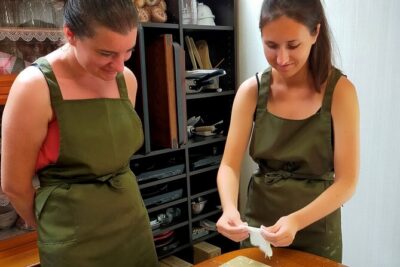
The class is designed to be active. You’re not just chopping while someone narrates. You’re learning steps and traditional techniques through doing the work. That’s why the format feels satisfying even if you’re not a confident cook back home. You get guidance, then you apply it.
One dish that comes up is poisson cru. In the hands-on portion, you’ll make it with coaching from Havaiki. That matters because poisson cru can be more than a recipe—it’s about balance: freshness, acidity, seasonings, and how the fish is handled. Having a guide focused on the steps helps you avoid the common mistakes that turn a good dish into something bland or off-balance.
And because the instruction is tied to local ingredients, the meal doesn’t feel like it’s trying to copy something else. You learn what makes Tahitian flavors work, and you end up with food you can recognize and repeat.
The storytelling that makes the flavors click
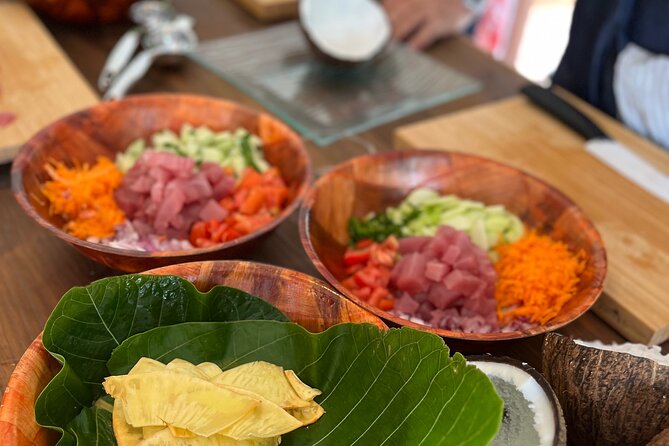
Cooking classes can get stuck in one of two modes: either it’s all technique with no meaning, or it’s all story with no hands-on work. Here, you get both—cultural storytelling paired with the cooking workshop.
The way this kind of storytelling helps you is simple. When you hear the cultural context behind ingredients and methods, you start tasting with intention. For example, when something is tied to local land practices or seasonal availability, you stop treating it as just a garnish. You understand why it belongs in the dish.
That context also makes the experience feel grounded. You’re in a traditional Tahitian home, not in a staged setting. And the warm hospitality keeps it from feeling like a lecture. It’s more like learning how someone cooks at home, while they share what’s important to them.
If you care about more than just food—if you want to understand how a place lives—you’ll get value here. The storytelling isn’t an extra layer. It’s part of what you’re paying for, because it turns the meal into something memorable and meaningful.
Timing, group size, and how to get the most out of 2.5 hours
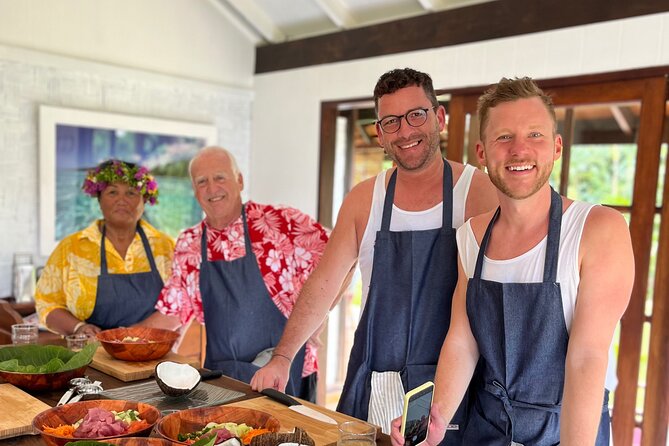
You have a 2 hours 30 minutes window. That’s long enough to do actual prep and learn steps, but short enough that you’re not spending your whole day in one place. I like that balance.
With max 10 travelers, you’ll generally get more personal attention than in bigger group tours. It also means the host can respond to the pace of the group. If someone needs extra help on a step, it’s easier to slow down without losing the whole schedule.
A good way to enjoy the class is to show up ready to participate. Wear comfortable clothes that can handle kitchen work. You’ll be standing, mixing, chopping, and handling ingredients. Even if you’re not sure you’ll remember every step later, doing the work during the class makes the lesson stick.
Also, go into it expecting a morning that blends food and culture. If you want only a quick snack experience, this is likely more than you need. But if you want a structured, guided class that ends with tasty results, it fits.
Finally, keep your expectations aligned with the setting. This happens in a home, not a commercial kitchen. That’s part of the appeal, and it also means you should treat the experience with the respect you’d give someone’s house.
Price and value: why $220 can make sense (or not)
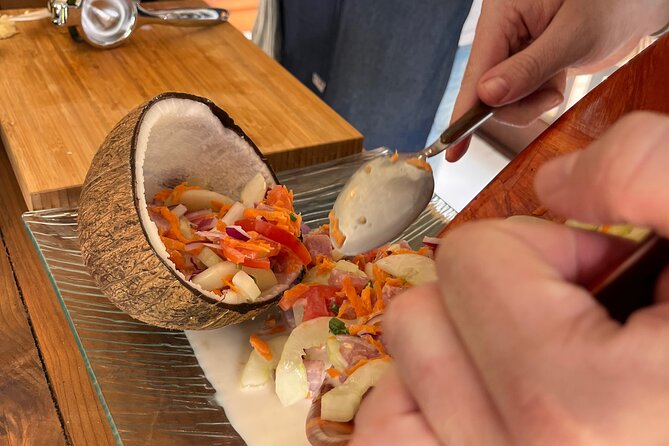
At $220 per person, this isn’t a budget activity. So the question isn’t just cost—it’s what you’re actually buying.
Here, you’re paying for:
- Access to a traditional Tahitian home setting
- A hands-on cooking workshop (not a passive demo)
- Fresh, local garden ingredients used during your session
- Cultural storytelling as part of the learning
- A small group size (max 10), which usually means more attention and less waiting around
That combination is the value story. If you’ve ever done a cooking class where most people stand back, taste a small sample, then leave, this feels more substantial. Reviews highlight how hands-on it is and how fresh ingredients lead to genuinely delicious outcomes.
That said, it may not be the best fit if you’re trying to stretch your day on a tight budget. Also, because the experience requires good weather, you’ll want to book it when you’re flexible enough to handle rescheduling if needed.
One practical planning note: it’s commonly booked about 45 days in advance on average. So if this is on your must-do list, don’t leave it for last-minute decisions.
Who should book AtunuMai Moorea Culinary
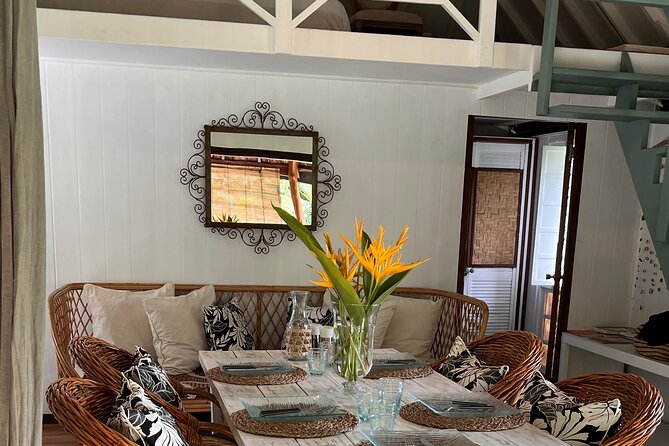
This cooking class is a strong match if you:
- Want hands-on learning rather than watching from the sidelines
- Like food that’s tied to place, not just a generic menu
- Enjoy small-group experiences where you can interact with your guide
- Would rather spend your time in someone’s home than in a crowded activity bus
It’s also a good option for couples or small friend groups because the class size stays intimate. And if you like the idea of making a Tahitian dish like poisson cru with guidance from Havaiki, you’ll likely feel like you got your money’s worth in skill and taste.
You might skip it if you prefer big, ticketed attractions with lots of independent wandering. This is a focused, structured experience. It’s not designed for people who want to keep things totally casual and open-ended.
Should you book this Moorea cooking class?
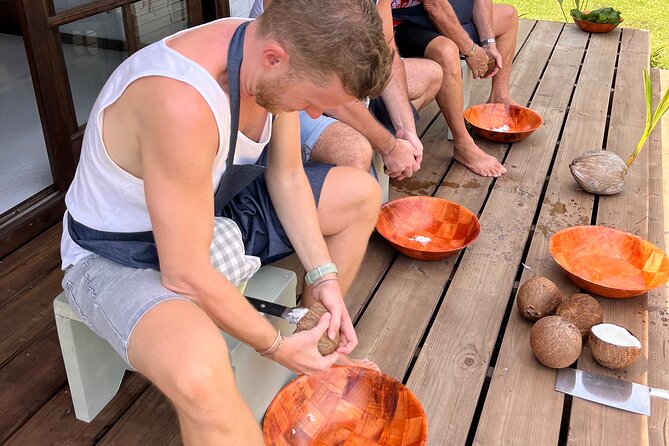
I’d book AtunuMai Mo’orea Culinary if you want a real Moorea moment—food, home hospitality, and local ingredients—without turning your day into a checklist. The hands-on format, the garden-fresh ingredient approach, and the small-group size are the big reasons this works.
Before you commit, be honest about two things: your budget and the weather reality. The class requires good conditions. If you can handle a schedule shift, you’ll be in a great position to enjoy it fully.
If your plan is built around enjoying food as an experience (not just a meal), this is the kind of activity that stays with you.
FAQ
What is the duration of the Moorea Tahitian Cooking Class?
The experience lasts about 2 hours 30 minutes.
Where does the class start and where does it end?
It starts in Mo’orea, Moorea-Maiao, French Polynesia, and ends back at the meeting point.
What time does the class begin?
The start time is 10:30 am.
How large is the group?
The experience has a maximum of 10 travelers.
Does the class run in bad weather?
This experience requires good weather. If it’s canceled due to poor weather, you’ll be offered a different date or a full refund.
What is the cancellation policy?
You can cancel for free up to 24 hours in advance for a full refund. If you cancel less than 24 hours before the start time, the amount paid is not refunded.