REVIEW · SEOUL
Seoul: Taste of Korea, Authentic Home Style Cooking Class
Book on GetYourGuide →Operated by Hansik Korean Cooking Class · Bookable on GetYourGuide
Four dishes, one big food coma. This Seoul home-style cooking class is a practical way to get Korean food under your hands, not just in your camera roll. I like the step-by-step guidance from Chef Jennifer, with patient corrections as you cook.
You’ll also get a full-course meal with drinks like Sikhye and Makgeolli, plus Korean snacks, seasonal banchan, and dessert. I love that you cook and then eat what you make, so the class ends feeling complete.
One drawback to consider: the style is friendly and beginner-proof, so advanced cooks may find the prep more supported than solo cooking. And if you avoid certain ingredients that can show up in budae jjigae, check in before booking.
In This Review
- Key Things I’d Prioritize
- A Hands-On Seoul Kitchen for Real Home-Style Hansik
- Where to Meet at Gyeongbokgung and Find the Kitchen
- What You Cook: gimbap, tteokbokki, haemul pajeon, budae jjigae
- Gimbap (Rice Roll)
- Tteokbokki (Gochujang Rice Cakes)
- Haemul Pajeon (Seafood Green Onion Pancake)
- Budae Jjigae (Military Stew)
- Cooking Flow: How the Class Keeps You Busy (Without Rushing)
- Chef Jennifer Teaches the Story Behind the Food
- The Meal Part: Sikhye, Makgeolli, Banchan, and Dessert
- Dietary Needs and How This Class Handles Them
- Price and Value: Is $89 Worth It in Seoul?
- Who Should Book This Cooking Class (and Who Might Skip)
- Should You Book Hansik Korean Cooking Class in Seoul?
- FAQ
- How long is the cooking class?
- Where do I meet for the class?
- What dishes will I learn to cook?
- Is the class taught in English?
- Are drinks and desserts included?
- Do I get banchan and a full meal?
- Will I receive recipes after the class?
- Can dietary requirements be accommodated?
- What is the cancellation and payment flexibility?
Key Things I’d Prioritize
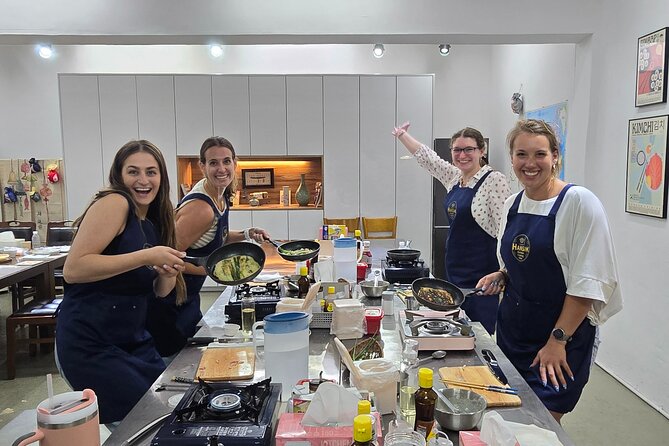
- Chef Jennifer’s teaching style: clear steps, patient check-ins, and food explained as you go
- Four dishes you can recreate: gimbap, tteokbokki, haemul pajeon, budae jjigae are part of the core menu
- Cooking stations that keep you moving: your own workspace makes it feel organized, not chaotic
- Korean drinks and snacks included: Sikhye, Makgeolli, tea, coffee, plus seasonal sides and dessert
- Take-home support: recipes emailed, plus leftovers often packed so you can keep going
A Hands-On Seoul Kitchen for Real Home-Style Hansik
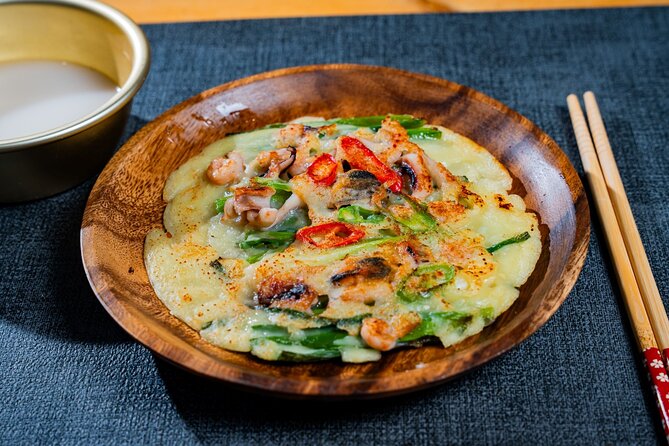
This class is built around hansik, which is the umbrella word for Korean cuisine. The goal is simple: you learn by doing, with enough structure that you can actually repeat it later. No food theater. No vague tips. You’re in the kitchen, cooking real dishes.
I like that it doesn’t treat Korean food like a museum piece. You learn the logic behind flavors, textures, and common combinations, then you make dishes that show up on Korean tables at home. Even if you’ve only tried Korean food through street stalls or restaurants, you’ll leave with a clearer sense of why it works.
The big win is that you get practical food skills, not just a meal. You’re cooking staple items that can anchor your future weeknight dinners, especially gimbap and tteokbokki. And the class includes enough food that you’ll feel you used your money, not just paid for an experience.
You can also read our reviews of more tours and experiences in Seoul.
Where to Meet at Gyeongbokgung and Find the Kitchen
Meeting point details matter in Seoul, because “five minutes” can turn into 20 if you’re wandering. This class starts at Gyeongbokgung Subway Station on the orange line, Exit 2. From there, you walk straight for about five minutes to Woori Bank.
Look for the small alley location: it’s between the bank and just right before a K-Pop Store. If you’re arriving a little early, that’s a good time to orient yourself on the street so you’re not late and stressed.
In my book, this kind of meet-up is ideal for a first cooking class in Seoul. You’re near a major sightseeing area, but you still get taken off the main tourist drag and into a local-feeling spot.
What You Cook: gimbap, tteokbokki, haemul pajeon, budae jjigae
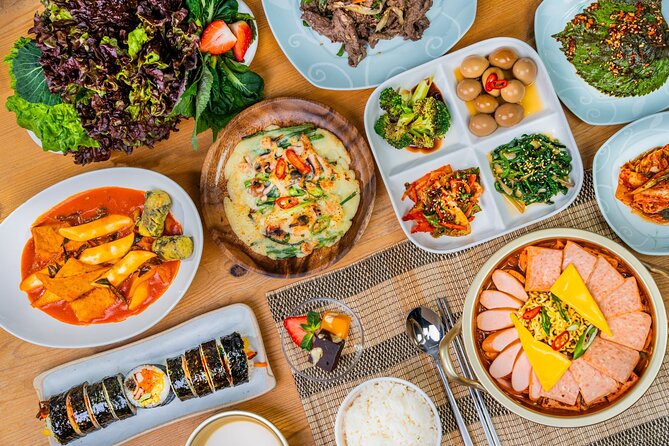
This experience focuses on a core set of Korean dishes that represent different flavors and cooking styles. Expect to learn to make dishes such as gimbap (rice roll), tteokbokki (rice cakes with gochujang), haemul pajeon (seafood green onion pancake), and budae jjigae (Korean military stew).
Gimbap (Rice Roll)
Gimbap is a great entry dish because it teaches the rhythm of rolling and seasoning. You get the feel for how Korean rice is handled and how fillings and toppings work together. It’s also one of those foods that’s easy to scale later once you know the ratios.
Tteokbokki (Gochujang Rice Cakes)
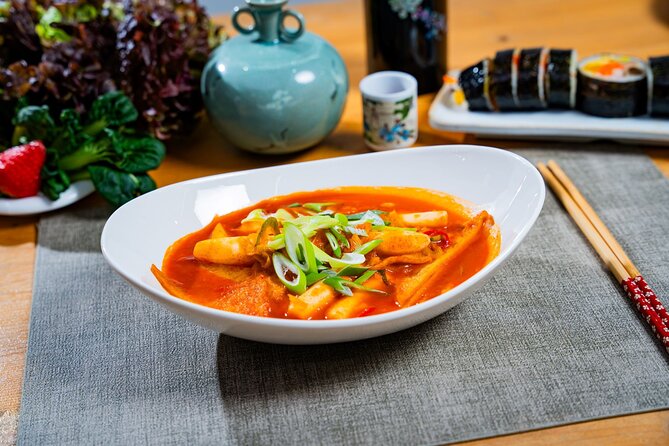
Tteokbokki is where you learn about thick, sticky sauces and balancing heat with sweetness. Since it uses gochujang (Korean red chili paste), you’re not just learning a recipe. You’re learning the backbone of a lot of Korean flavor profiles.
Haemul Pajeon (Seafood Green Onion Pancake)
Pajeon can be tricky in the sense that pancake batter and pan heat both matter. This class helps you get it right without panic. You’ll understand the idea of making a pancake that stays tender while still crisping.
Budae Jjigae (Military Stew)
Budae jjigae is hearty comfort food with a reputation for being intensely satisfying. The class aims to teach you the stew method and how all the components come together. One thing to note: this dish can involve ingredients like processed meats in the classic style, and if you avoid those, it’s worth mentioning your preferences ahead of time.
The upside is that you learn a stew you can flex later. Once you understand the base and the order of adding ingredients, you can adapt it to what you like.
Cooking Flow: How the Class Keeps You Busy (Without Rushing)
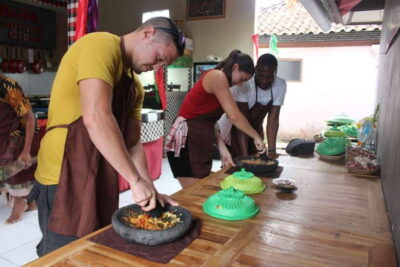
You’re in the kitchen for about 3 hours, and the class is organized so you don’t spend all that time waiting. Many sessions run with a pattern of working on dishes at your station, sometimes making two dishes at a time, then moving to tasting and eating what you’ve made.
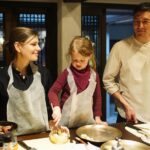
Each participant gets their own cooking station, and the kitchen environment is described as clean and spacious with dedicated setups. That matters more than it sounds. It reduces the stress of cooking in a shared space, and it makes it easier for the instructor to guide you while you work.
Another practical detail I appreciate: ingredients are pre-portioned. That means you’re spending time learning the cooking steps, not measuring every pinch. And the chef also explains how to scale up portions with the right ratios, which is exactly what you’ll want once you cook again at home.
Most importantly, you’re not left to guess. Instructions are given step-by-step, and the chef checks your progress patiently. The result is that you finish the class proud, not frazzled.
Chef Jennifer Teaches the Story Behind the Food
The class doesn’t stop at what to do. It also explains why Korean dishes are built the way they are. You’ll hear about the history and context behind dishes, plus how Koreans typically enjoy them.
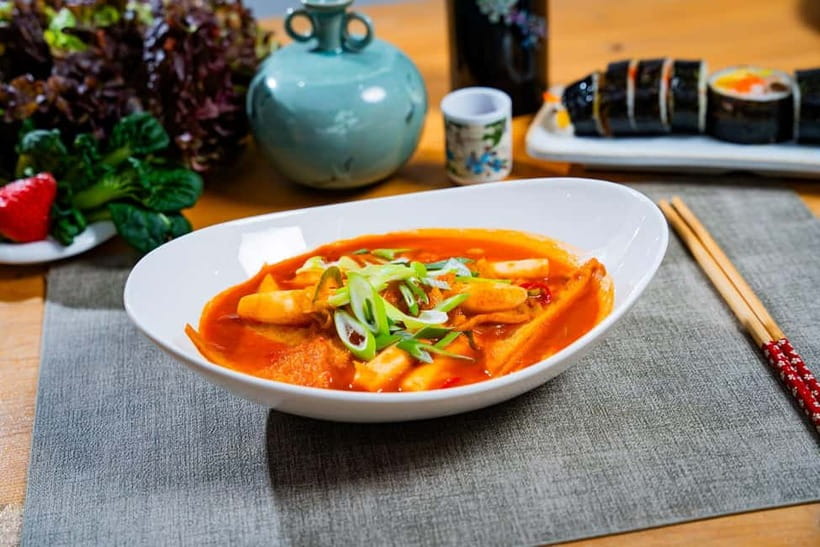
I really like that this teaching is practical. Instead of long lectures, you get food history threaded into the cooking. For example, you learn not only how to make tteokbokki, but also how it’s understood as a Korean comfort food, and what makes it enjoyable as a dish.
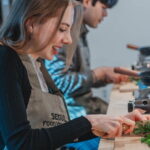
Chef Jennifer is also described as warm, patient, and very encouraging. In small groups (limited to 10 participants), that tone pays off. You get the sense the chef is watching each person’s station and correcting in real time.
A small extra detail that showed up in feedback: the chef takes photos during the class so you have visual reminders afterward. And you’ll receive recipes via email, which is a big deal if you want to cook again without trying to remember every step from scratch.
The Meal Part: Sikhye, Makgeolli, Banchan, and Dessert
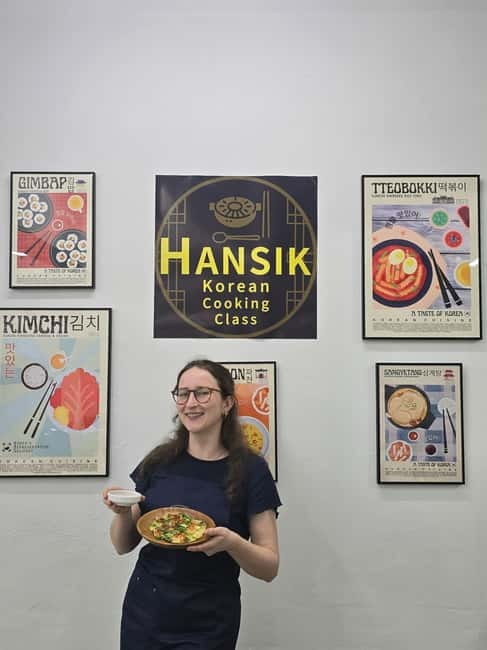
Let’s talk about the part you’ll actually remember on the walk back to your hotel: eating.
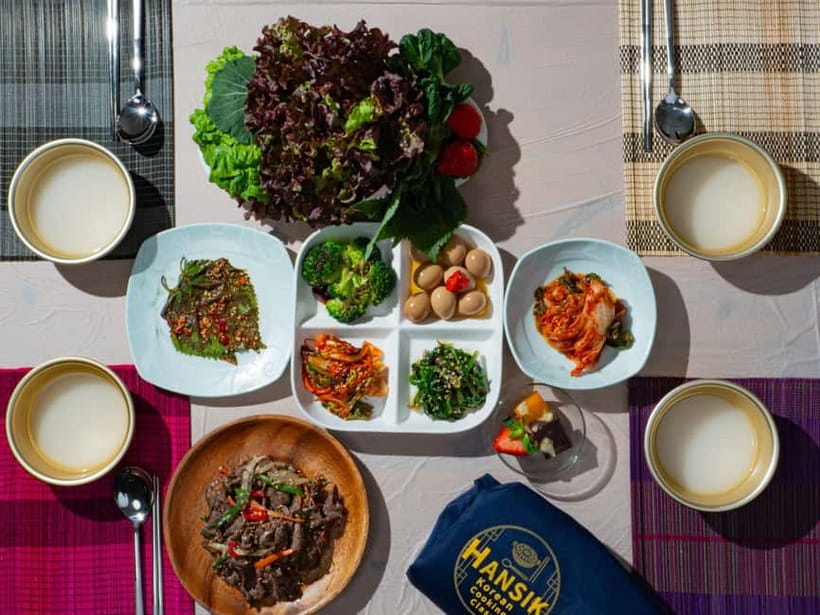
This is not a tiny tasting. You get a full-course meal with seasonal Korean banchan (side dishes), plus snacks and dessert. On the drink side, you’ll be served welcome drinks such as Sikhye (Korean punch) and Makgeolli (Korean rice wine). Tea and coffee are included too.
Why that matters: Korean meals work because the sides and sauces talk to the main dish. Banchan isn’t an afterthought here. You’ll experience how tastes change when you go from pancake to stew to rice roll with sides on the table.
And since the class includes dessert, it feels like a complete meal arc rather than a quick snack-and-cook session. You can end the evening with something sweet that ties back to the Korean food rhythm.
One practical tip: come hungry. The class is filling by design, and the meal plus what you cook adds up fast.
Dietary Needs and How This Class Handles Them
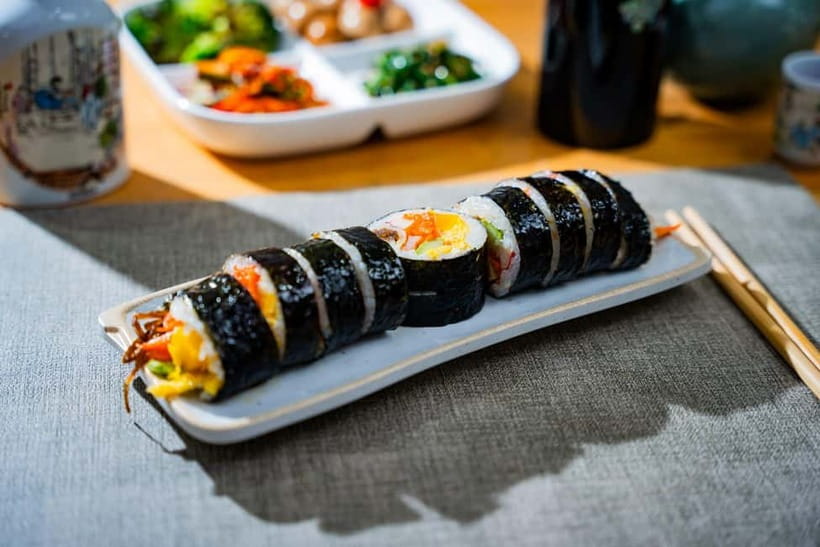
If you have dietary requirements, this is one area where the class seems to do a better-than-average job. There’s clear evidence that vegetarian substitutions can be arranged, so you won’t be forced into a “sit and watch” role.
That’s important in a hands-on class, because diets can limit what you can cook. If your menu includes ingredients you don’t eat, ask ahead so the chef can adjust what you make.
Also, because budae jjigae may include processed meats in the classic approach, it’s worth stating your preferences if you avoid those ingredients. The class is set up for instruction, so communicating your boundaries early helps everyone.
Price and Value: Is $89 Worth It in Seoul?
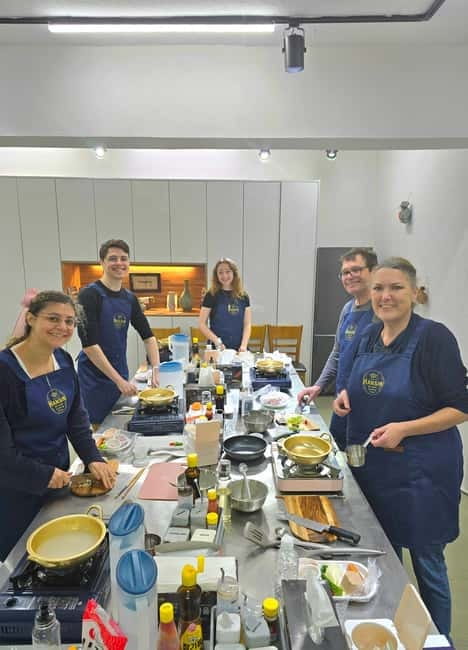
At $89 per person for 3 hours, you’re paying for more than a recipe sheet. You’re paying for ingredients, equipment, a real chef-led lesson, and a full meal with drinks and dessert. That combination is what makes the price feel reasonable.
Here’s how I think about value for cooking classes in Seoul:
- If the class only gives you a snack, it’s expensive.
- If the class teaches you with structure and lets you eat what you made, it’s usually fair.
- If you leave with recipes and take-home leftovers, it’s strong value.
This one hits all three. You get all ingredients and equipment, the meal is full-course with banchan, and you receive recipes by email. Plus, some sessions pack extra food so you can keep eating later.
Small-group size (limited to 10) also supports the pricing. With fewer people, the chef can actually correct technique and help you finish strong. That personal attention is hard to replicate if you choose a larger cooking experience.
So unless you’re only looking for a light, casual activity, I think the price matches what you receive. If you’re a serious food fan who wants skills you’ll use again, it’s a good investment.
Who Should Book This Cooking Class (and Who Might Skip)
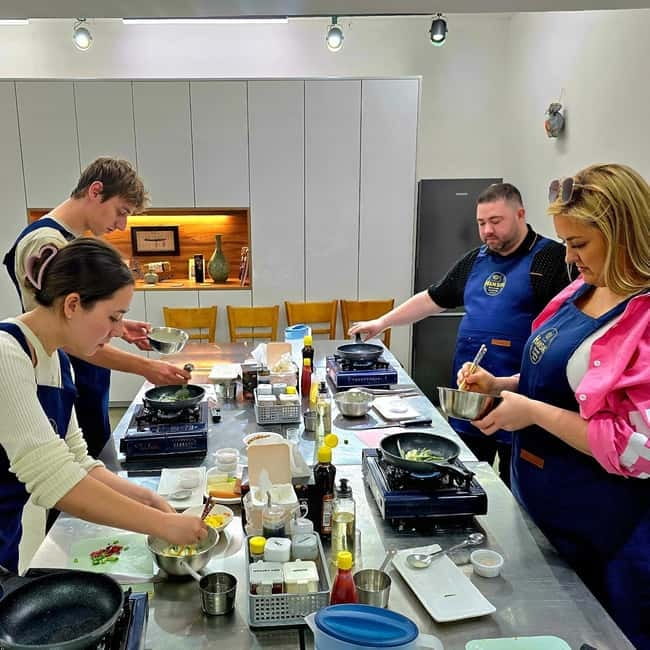
You’ll probably love this class if:
- You’re in Seoul and want a hands-on Korean cooking experience right away
- You like learning the why behind flavors, not just copying steps
- You want a meal that’s part of the activity, not separate from it
- You’re traveling solo and want a small group setting with friendly conversation
It can also work well for families, since there’s evidence of kids around early teen age cooking and enjoying the class. That said, it’s still a kitchen setting, so choose it if your group can handle active cooking tasks for a few hours.
You might consider skipping if:
- You want advanced culinary technique with lots of independent improvisation
- You have strict ingredient bans and don’t want a dish like budae jjigae to be part of the menu
- You’re not hungry (the class is designed to feed you)
Should You Book Hansik Korean Cooking Class in Seoul?
Yes, if you want a real home-style Korean cooking session with Chef Jennifer, you’ll likely be happy you booked. The structure is beginner-friendly but not shallow: you get step-by-step coaching, you cook multiple dishes, and you eat a full-course meal that makes the experience feel complete.
If you’re on the fence, use this simple test: will you realistically cook again at home? If the answer is yes, the recipes by email and the dishes you learn (gimbap, tteokbokki, haemul pajeon, budae jjigae) give you a clear starting point.
If you have dietary needs, message ahead and be specific. The class has shown it can accommodate vegetarian preferences, and that makes it much easier to say yes with confidence.
FAQ
How long is the cooking class?
The class lasts about 3 hours.
Where do I meet for the class?
Meet at Gyeongbokgung Subway Station, orange line 3rd exit 2. Walk about 5 minutes to Woori Bank, then find the small alley between the bank and just right before the K-Pop Store.
What dishes will I learn to cook?
The class includes recipes such as gimbap, tteokbokki, haemul pajeon, and budae jjigae.
Is the class taught in English?
Yes, the instructor is English-speaking.
Are drinks and desserts included?
Yes. You’ll be served Sikhye, Makgeolli, plus tea and coffee, along with Korean traditional snacks and desserts.
Do I get banchan and a full meal?
Yes. The experience includes a full-course meal with Korean seasonal banchan (side dishes).
Will I receive recipes after the class?
Yes. You’ll get the recipes via email.
Can dietary requirements be accommodated?
Based on past participants, dietary requirements can be catered for, including vegetarian substitutes.
What is the cancellation and payment flexibility?
You can cancel up to 24 hours in advance for a full refund. You can also reserve now and pay later.