REVIEW · OSAKA PREFECTURE
Osaka Sushi Cooking Class
Book on Viator →Operated by MatchaExperience Osaka · Bookable on Viator
Sushi lessons that fit a tight schedule. You get hands-on nigiri and maki practice plus a small group (up to 8) guided by a chef, so you can actually learn the motions, not just watch. The only real catch is the class is short at about 1 hour 30 minutes, so you’ll learn technique basics, not master every variation.
I like that the experience starts with the building blocks of sushi—rice, seaweed, fillings, and condiments—then moves quickly into rolling and shaping. That means when you taste your own platter, you know why each piece works. You should also plan to drink tea or water during the class, since alcoholic beverages like sake or beer aren’t included.
It’s run by MatchaExperience Osaka and uses a mobile ticket, which keeps things simple. The meeting point is in Tarumichō, Suita (not far from public transportation), and the experience ends back where it starts—easy on your schedule and your feet.
In This Review
- Key highlights you should care about
- Why This Osaka Sushi Class Fits Real Travel Days
- Before You Cook: Welcome, Equipment, and Tea
- Sushi Basics: Rice, Nori, Fillings, and Condiments
- Nigiri Sushi Practice: Shaping Rice Like a Pro
- Maki Roll Crafting: Rolling Technique and Creative Fillings
- Flavor Enhancements: Wasabi, Soy Sauce, and Pickled Ginger
- The Tasting Plate: Eating Your Own Sushi Results
- Price and Value: What $78.04 Gets You in 90 Minutes
- Who This Class Suits Best in Osaka (and Who Should Skip)
- Logistics in Suita: Meeting Point and How the Class Ends
- Should You Book This Osaka Sushi Cooking Class?
- FAQ
- FAQ
- How long is the Osaka sushi cooking class?
- What’s the price per person?
- What’s included in the class?
- Is alcohol included?
- Where do I meet for the experience?
- What’s the cancellation policy?
Key highlights you should care about
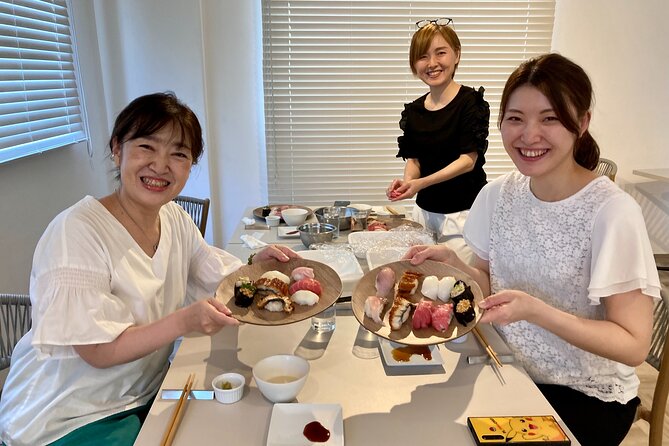
- A maximum of 8 travelers means you get more attention while you’re learning sticky rice and rolling technique
- Chef-led sushi basics cover rice, nori, fillings, and condiments before you make anything
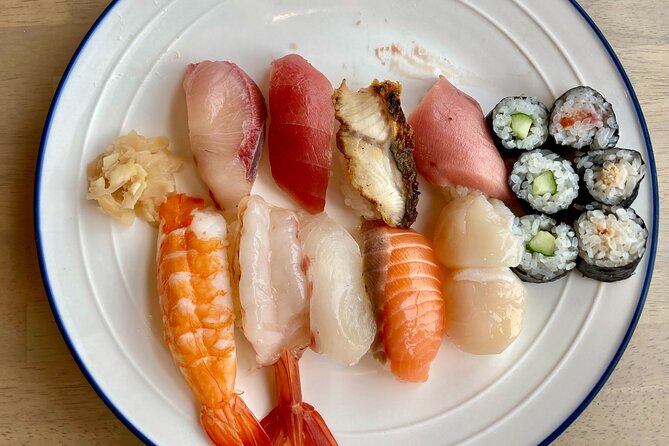
- You’ll practice both nigiri and maki, then taste a plate of your own creations
- Tea and water are included, so you can focus on cooking instead of hunting down drinks
- Ingredients and equipment are provided, which keeps the class beginner-friendly
- The instruction is hands-on, not just a lecture, so you leave with skills to try again at home
Why This Osaka Sushi Class Fits Real Travel Days
This is a good class for when you want a cultural food experience without blowing half your day. At roughly 1.5 hours, you can fit it into a sightseeing rhythm in Osaka and still have time to wander, eat, and recover from jet lag (or from your last subway hop).
The small group size matters more than people think. With a maximum of 8 participants, you’re more likely to get fixes in the moment—like if your rice is too warm, your nori isn’t lined up right, or your roll needs a more even pressure. In other words, you spend time cooking instead of waiting.
Also, this isn’t a far-flung workshop with complicated directions. The meeting point is in Suita, at 3-chōme-35-5 Tarumichō, Osaka 564-0062, and it’s described as near public transportation. You won’t need a taxi plan to make it work.
Before You Cook: Welcome, Equipment, and Tea
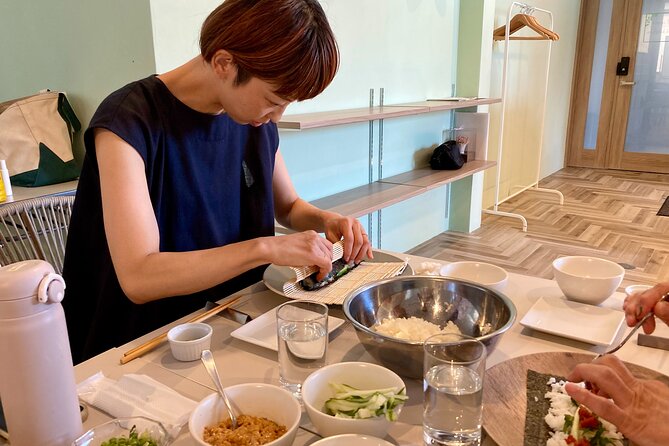
You’ll start with a warm welcome and an overview of what the class will cover. That matters because sushi has a lot of small “rules,” and they can feel random if you don’t know why they exist. Getting oriented early helps you learn faster, even if you’ve never handled nori before.
Then you’re given what you need: equipment and ingredients are included, along with water and green tea. That’s a practical advantage for travelers. You’re not stuck buying supplies or improvising tools from a hotel kitchen you don’t have.
If you like structure, you’ll appreciate the flow: sushi basics first, then nigiri, then maki rolling, then flavor talk, then tasting. The class keeps you moving instead of leaving you uncertain about what step comes next.
Sushi Basics: Rice, Nori, Fillings, and Condiments

The class begins with the building blocks of sushi: rice, seaweed, fillings, and condiments. This is the part that often gets skipped in casual cooking experiences. Here, you learn the “why,” not just the “how.”
Rice is the foundation. You’ll be taught how sushi rice behaves and why it matters when you shape nigiri or roll maki. If your rice isn’t prepared or handled correctly, your pieces won’t hold together. You’ll also understand how temperature and texture influence sticking and shaping.
Seaweed (nori) is more than a wrap. You’ll learn how it functions in a roll and why handling counts. Nori can dry out or get too soft, and that changes the bite and the stability of your maki.
Fillings and condiments are the flavor system. You’ll work with the basics, then later get specific guidance on wasabi, soy sauce, and pickled ginger. That last part is key, because sushi is about balance, and the class helps you taste that balance rather than drowning everything in soy.
Nigiri Sushi Practice: Shaping Rice Like a Pro
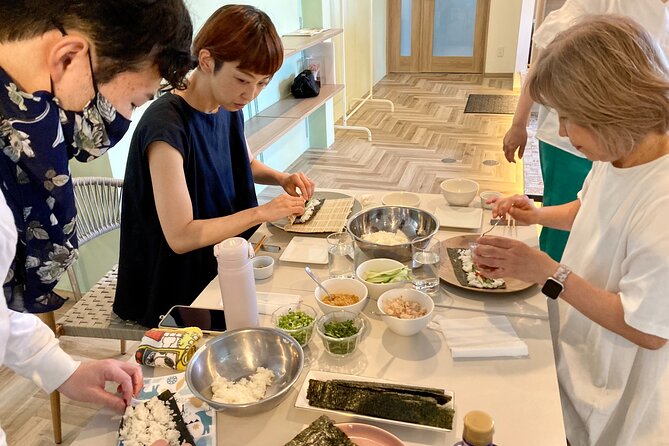
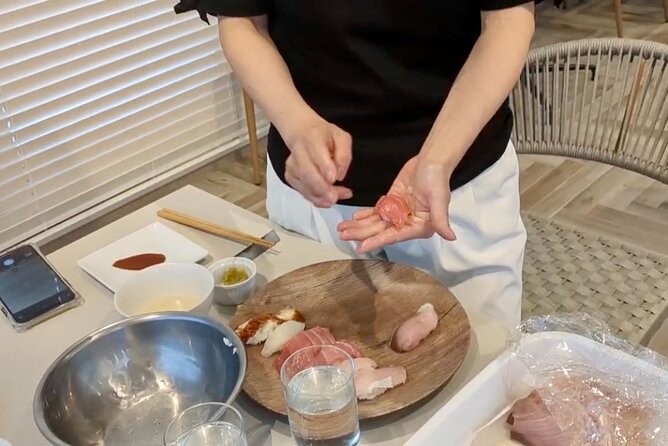
After basics, you move into nigiri sushi. This is where you learn one of the classic skills: shaping rice and placing toppings on top.
Expect the chef to show how to shape rice properly and then guide you through doing it yourself. The goal isn’t to make a perfect replica of a restaurant piece in one try—it’s to understand the mechanics of forming rice and setting toppings so they stay together and taste right.
Nigiri teaches you control. You’re working with a sticky base that needs handling technique. Too much pressure can change the texture. Too little and the shape doesn’t hold. Getting feedback during the class helps you correct early instead of learning the hard way at home.
If you’re new to sushi, this section is often the confidence boost. It’s simpler than rolling in the sense that you’re creating a standalone piece rather than managing seams, alignment, and slicing at once.
Maki Roll Crafting: Rolling Technique and Creative Fillings
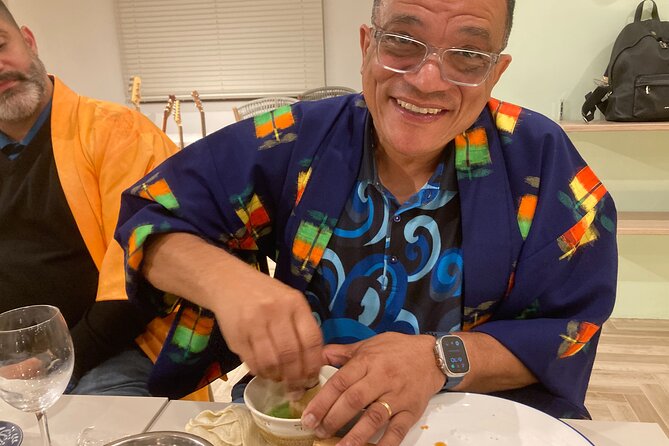
Then comes maki—rolls. Here you learn the process of rolling sushi with your favorite fillings, guided step by step.
Maki is the skill that rewards patience. You have to manage alignment and pressure while the roll takes shape. The class format helps because you’re not doing it blindly; you’re watching the motion, then repeating it with instruction.
The chef also connects technique to outcome. A good roll slices cleanly and holds together just long enough to eat. If your roll is too loose, it falls apart. Too tight, and it can feel compressed. This is why “rolling” isn’t just a hand trick—it’s structure.
And you get a creative element. Choosing fillings means the class isn’t only about memorizing someone else’s recipe. It’s about understanding how flavors work inside a roll and building your own version.
Flavor Enhancements: Wasabi, Soy Sauce, and Pickled Ginger
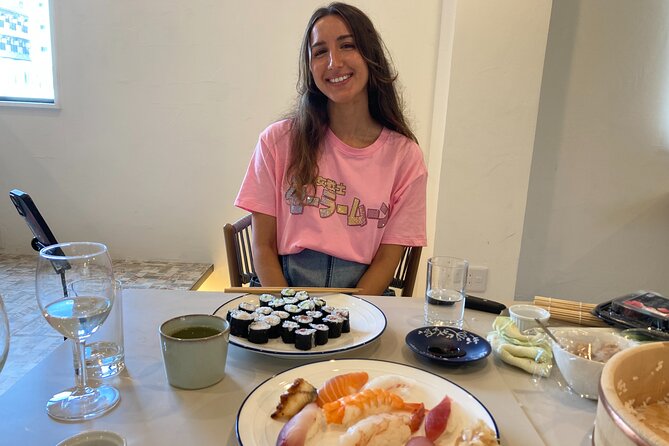
Once your hands are full of sushi, the class shifts into flavor enhancement. You’ll discover the role of wasabi, soy sauce, and pickled ginger as key players in how sushi tastes.
Wasabi is often treated like a condiment you can overdo. In a guided setting, you learn how to use it as a balancing note rather than a shock to the system. Same idea with soy sauce: you learn how it changes the taste profile and how pairing it with each bite affects the overall flavor.
Pickled ginger is your reset button. You’re tasting multiple pieces you made, so you need a palate-cleansing element. Learning where it fits helps you taste differences between nigiri and maki instead of mixing everything into one big flavor blur.
This section is more valuable than it sounds, especially for beginners. If you go home and assemble sushi from memory later, these flavor rules help you recreate a restaurant-style balance with fewer experiments.
The Tasting Plate: Eating Your Own Sushi Results
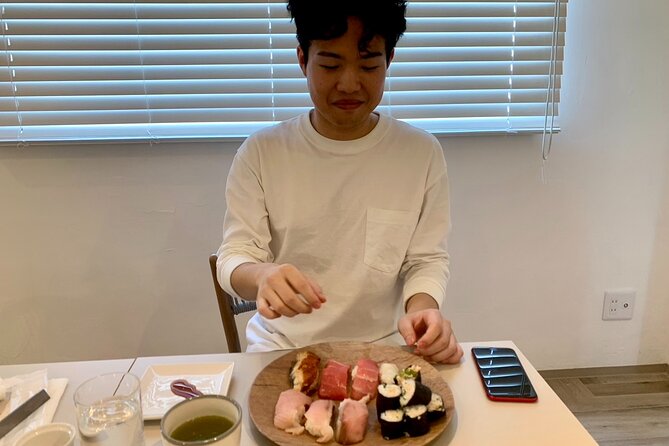
The class ends with tasting and sharing. You’ll sample the sushi you made—nigiri and maki—and get to talk about what you liked.
This part matters because tasting is how you learn. You can do the motions right and still miss the flavor balance. The tasting gives you feedback instantly: does the roll hold together well enough to bite cleanly? Does your nigiri topping sit right with the rice? Was the sauce too strong? Was the wasabi balanced?
You’re also learning social sushi etiquette in a low-pressure way: you’re sharing your results and reflecting on them. It’s a practical skill for future meals, not a formal lesson you’ll forget.
And yes, it’s satisfying to eat something you made with your own hands. One of the chefs instructors named Kazuki Harada has been praised for both professionalism and personality, and that kind of teaching style tends to make the tasting more relaxed and useful.
Price and Value: What $78.04 Gets You in 90 Minutes
At $78.04 per person for about 1 hour 30 minutes, this class isn’t the cheapest food activity in Japan. But it’s also not priced like a fancy multi-course dining event.
Here’s the value math that makes sense:
- Ingredients and equipment are included, so you’re not paying extra just to participate
- Water and green tea are included, which keeps the experience smooth
- You get real practice time making nigiri and maki, not just a quick demonstration
- The group max is 8, which supports more attention per person
The biggest thing to notice: alcohol is not included. That can be a good thing. It keeps the class focused and means you’re not locked into an expensive drink bill. If you want sake or beer, you’ll need to plan for that separately after class.
Overall, this pricing works best if you want skill-building and tasting in a compact format. If you’re only looking for food with no cooking, you can likely eat cheaper. If you want to bring sushi technique home, the price starts to look fair fast.
Who This Class Suits Best in Osaka (and Who Should Skip)
This is designed for all levels, including beginners. If you’re brand new to sushi, the lesson breaks things into manageable chunks—basics, then nigiri, then maki.
Sushi enthusiasts also fit well because you’re practicing core techniques rather than doing a simplified gimmick. You learn the building blocks and flavor basics that make sushi taste right, which is useful even if you already eat a lot of sushi.
Who might want to choose something else? If you want a long, deep course with lots of different fish prep, knife work, or a heavy focus on advanced rolls and sauces, this may feel too short. At 90 minutes, the emphasis is on fundamentals and execution.
Logistics in Suita: Meeting Point and How the Class Ends
Your meeting point is given clearly: 3-chōme-35-5 Tarumichō, Suita, Osaka 564-0062, Japan. It’s described as near public transportation, which is what you want when you’re juggling trains, timing, and hunger.
Bring your mobile ticket. The class ends back at the meeting point, so you don’t have to plan extra transport at the end. That makes the whole experience easier to slot into your day, especially if you’re staying in the Osaka area and taking local transit to nearby Suita.
Should You Book This Osaka Sushi Cooking Class?
Book it if you want a hands-on sushi lesson that ends with you eating what you made. The format is practical: sushi basics first, then nigiri and maki practice, then tasting, all within about 1 hour 30 minutes.
Skip it if you’re looking for a longer, more advanced workshop or a cooking class that includes alcohol. Also, if you’re hoping for a lot of English-only explanation beyond what a typical guided class provides, you might find the short format limits how much time there is for questions.
If you’re weighing options, this one is strongest for skill-building with a friendly pace. The small group size and inclusion of ingredients, equipment, and tea help you get your money’s worth without extra prep.
FAQ
FAQ
How long is the Osaka sushi cooking class?
It runs for about 1 hour 30 minutes.
What’s the price per person?
The price is $78.04 per person.
What’s included in the class?
Water and green tea are included, along with ingredients and equipment.
Is alcohol included?
No. Alcoholic beverages such as sake or beer are not included.
Where do I meet for the experience?
The meeting point is 3-chōme-35-5 Tarumichō, Suita, Osaka 564-0062, Japan, and the activity ends back at the same meeting point.
What’s the cancellation policy?
Free cancellation is available up to 24 hours in advance for a full refund. If you cancel less than 24 hours before the start time, the amount paid is not refunded.