REVIEW · SEMINYAK
Seminyak: Vegetarian Cooking Class
Book on GetYourGuide →Operated by Anika Group · Bookable on GetYourGuide
A market stop makes this class feel like Bali. You start with a local market run led by a Balinese chef, learning what ingredients go into classic vegetarian Balinese dishes, then head back to cook. I like that the chef explains what you’re buying and why, including herbs and spices you may spot later in Asian grocery stores.
I also like the relaxed pace of a small group and the way the menu stays truly vegan while still feeling Balinese and Indonesian. One drawback to plan for: it’s only 1 hour, so the cooking time is tight and you’ll want comfortable shoes and focus from the start.
In This Review
- Key highlights at a glance
- Seminyak’s one-hour market-to-kitchen setup
- The market run: herbs, spices, and produce with purpose
- Back in the kitchen: how vegan Balinese flavors come together
- Eating what you made: afternoon tea and the sit-down meal
- What’s included for $47 (and why it’s fair)
- Who this Seminyak class is best for
- Quick logistics you should plan around
- Should you book this vegetarian cooking class in Seminyak?
- FAQ
- How long is the Seminyak vegetarian cooking class?
- Where is the meeting point?
- Is hotel pick-up and drop-off included?
- Is the tour guide available in English?
- What’s included in the price?
- How early should I arrive?
- What should I bring?
- Is the class wheelchair accessible?
- Who is this experience not suitable for?
Key highlights at a glance
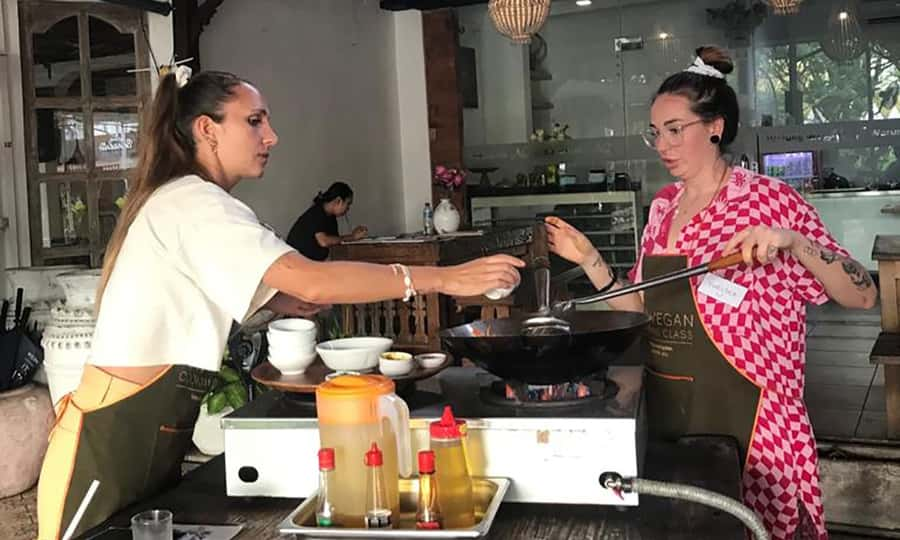
- Market-to-kitchen format with a chef guiding you stall to stall
- Vegan Balinese dishes that still feel deeply local
- Small group class that leaves room for questions
- Afternoon tea plus a sit-down meal after cooking
- Recipe book and certificate so you can repeat it at home
Seminyak’s one-hour market-to-kitchen setup
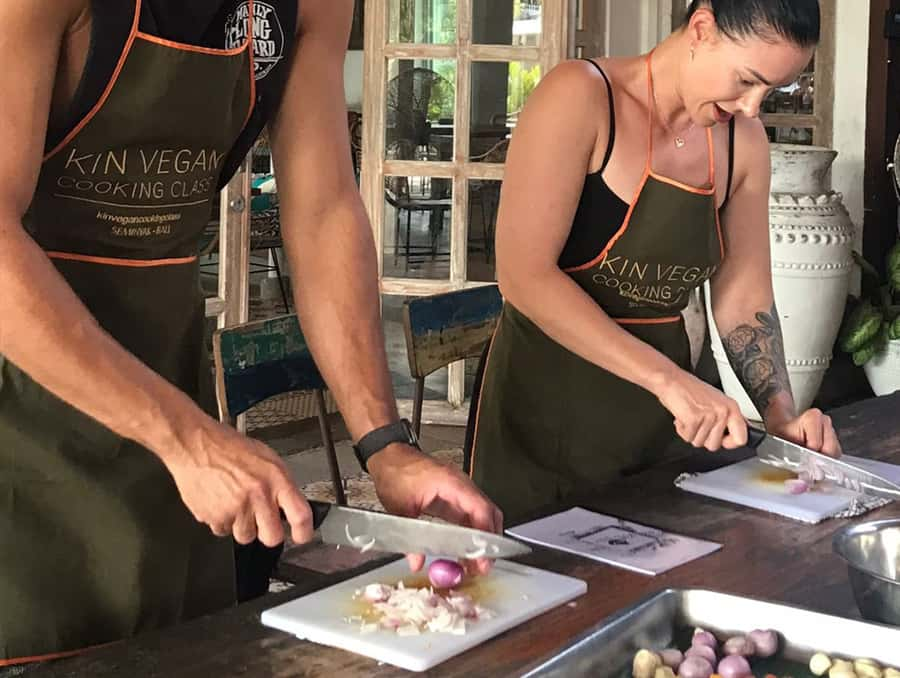
This Seminyak vegetarian cooking class is built around one simple idea: learn the food where it starts. You go to a nearby local market with your chef first, then return to cook and eat what you make. At $47 per person for a 1-hour experience, the value is mostly in the “whole package” of ingredient sourcing, cooking guidance, meal, and take-home materials.
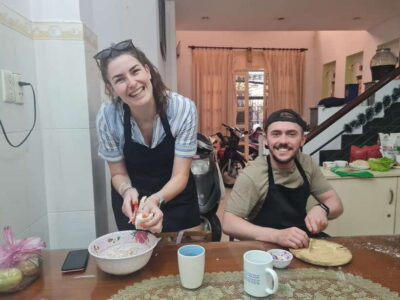
The class is taught by a live English-speaking guide and assisted by an expert native Balinese chef. You’ll work in a small group, which matters more than people think. When hands are flying and questions pop up, a small group keeps things from turning into a classroom traffic jam.
Because it’s compact, the best mindset is practical. Go in expecting a focused burst of Bali’s vegetarian cooking culture, not a multi-hour deep study.
You can also read our reviews of more tours and experiences in Seminyak.


The market run: herbs, spices, and produce with purpose
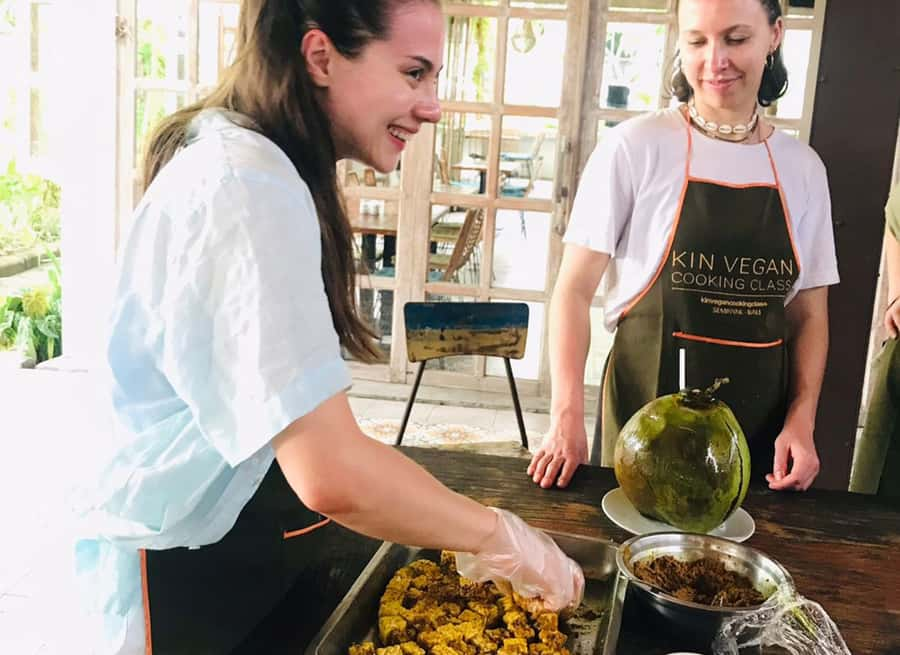
The first part is a guided visit to a local market from the cooking class venue. Your mentoring chef walks with you from stall to stall and explains which ingredients each dish needs. This is more than shopping. You’re learning how Balinese cooks think: flavors, freshness, and balance start with choosing the right items.
You’ll likely see a mix of herbs, spices, fruits, and vegetables, plus you may hear about ingredient categories that are common in Indonesian cooking. The info includes what can be found abroad, especially in Asian grocery stores. That’s a big deal for home cooks, because it helps you recreate the dishes without guessing.
Practical tip: wear comfortable shoes. Market surfaces can be uneven, and you’ll be standing and walking during ingredient selection. Also, plan to arrive at the meeting point about 5 minutes early, since the market portion starts right away.
Back in the kitchen: how vegan Balinese flavors come together
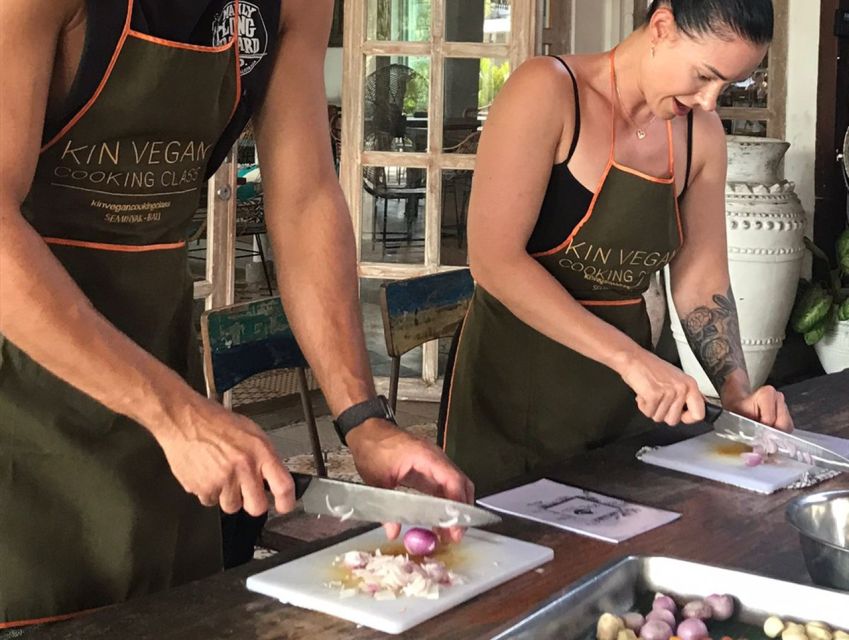
After the market stop, you return to the cooking venue and start preparing dishes as a group. The chef helps you understand traditional Balinese vegetarian cooking methods while keeping the ingredients vegan. That review detail matters: people describe the ingredients as vegan and the dishes as genuinely good, not like a substitution made to be “technically vegetarian.”
What you’ll get out of this section is the technique behind the flavors. Even when you don’t memorize every step, you usually leave with a better sense of:
- how spices and aromatics get used
- how vegetables and produce become part of the dish’s structure
- how seasoning ties everything together
The class includes hands-on assistance, and the small-group format keeps it conversational. You can ask what you’re doing and why, instead of following along silently and hoping for the best.
One more practical point: because this is a 1-hour class, your chef will likely prioritize core steps and the essentials of each dish. That’s not a downside if you’re there to learn a repeatable foundation. It’s a downside only if you expected a slow, step-by-step cooking demo for every detail.
Eating what you made: afternoon tea and the sit-down meal
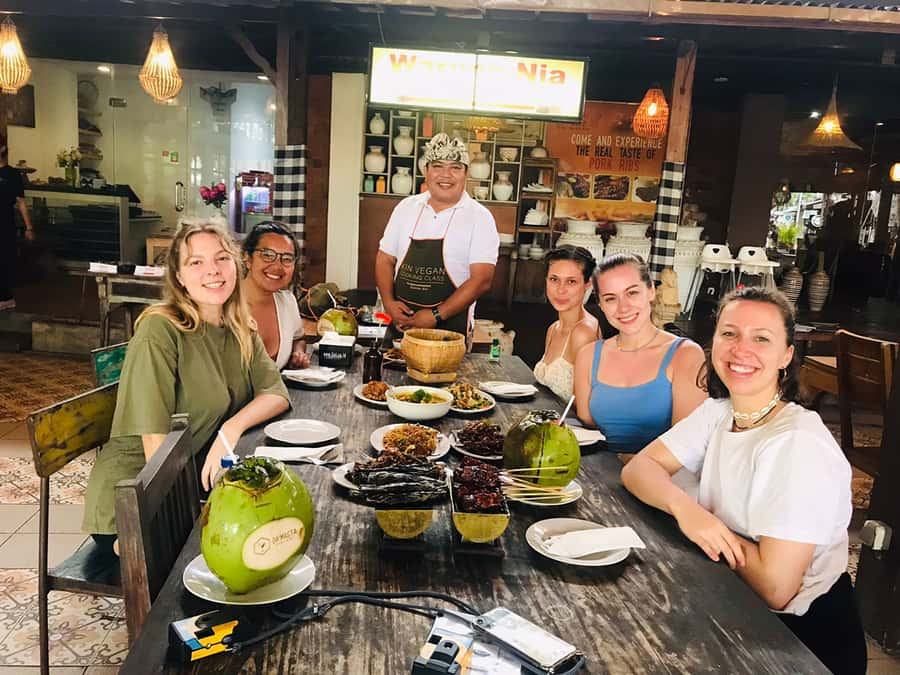
You don’t just cook and run. After your preparation, you sit down and enjoy the meal made from your own work. This is one of the best parts of any cooking class, because you can taste the results immediately and understand how the ingredients behave once cooked.
An additional perk is afternoon tea, included in the experience. For many people, that turns the event from a quick activity into a more complete food outing. You’re not just learning; you’re also getting that post-cooking reward that lets you relax and talk with your group.
Also, there’s a subtle value here: tasting what you made helps you correct your assumptions. If a spice feels too strong in the kitchen, you’ll see how it settles in the final dish. If something tastes different than expected, you can ask the chef right then.
What’s included for $47 (and why it’s fair)
Here’s what you’re paying for: all ingredients, the cooking class, afternoon tea, a certificate of completion, and a recipe book. For a one-hour experience, that “all-in” setup is the main reason the price can make sense.
If you tried to recreate this on your own, you’d still spend time and money on ingredients, plus you’d likely lose the expert guidance on what’s authentic versus what’s a guess. This class packages the local market learning and the cooking support into one place.
The recipe book and certificate are also useful, especially if you like structured take-home learning. The recipe book helps you move beyond memory and actually cook the dishes again at home, even if you’re using ingredients you can find abroad.
One more “value” factor: the class is wheelchair accessible. That doesn’t automatically make it better, but it’s a signal that the setup considers different visitors.




Who this Seminyak class is best for
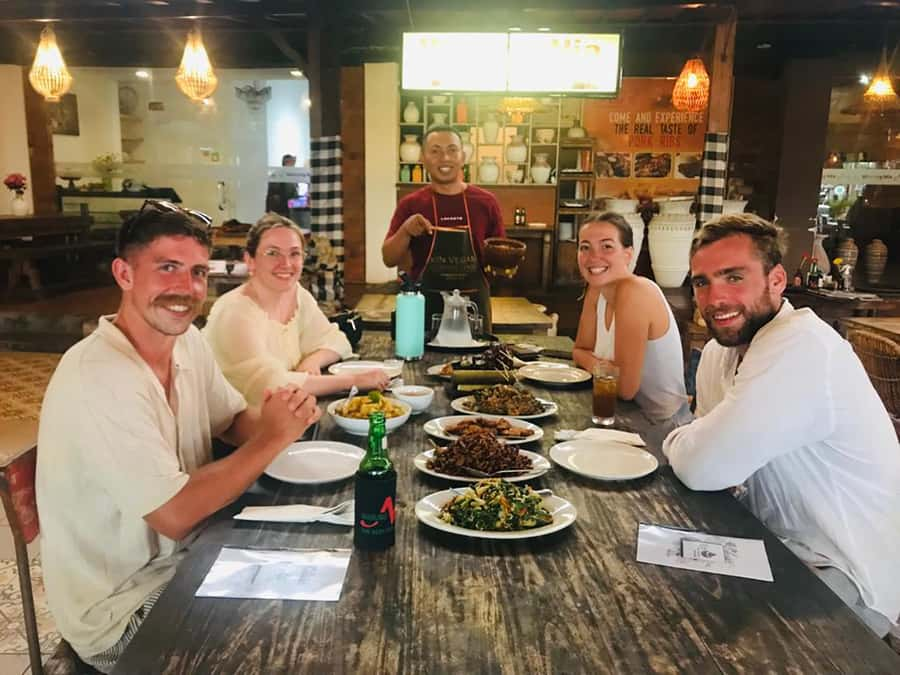
This cooking class is ideal if you want a hands-on Balinese vegetarian experience without turning your Bali schedule into a full-day project. It works well for couples, friends, or small groups who want a fun activity that still feels culturally grounded.
It’s especially good if you:
- like the idea of a market tour tied directly to cooking
- want vegan Balinese recipes that you can realistically repeat
- prefer a small group where you can ask questions
- enjoy eating what you cook, not just watching
There are age limits to note. The experience is not suitable for children under 2 years, and it also lists not suitable for children under 3 years. It’s also not suitable for people over 70 years. If you fall near those edges, it’s worth checking with the operator before booking.
Quick logistics you should plan around
This class starts at the meeting point, and you don’t get hotel pick-up or drop-off. You’ll want to show up about 5 minutes early. For comfort, bring comfortable shoes and comfortable clothes, since you’ll be moving around during the market portion and working in the kitchen.
Also, there’s a simple rule: fireworks are not allowed. It’s not something you’ll think about in a normal cooking class, but it is listed as a restriction.
Should you book this vegetarian cooking class in Seminyak?
Book it if you want a compact, flavorful introduction to Balinese vegetarian cooking that includes real ingredient education and a take-home recipe book. The market stop is the standout feature, because it turns cooking from “follow instructions” into “understand what you’re buying and why.”
Skip it if you need a slow, long-form class or you hate structured time. The one-hour format is efficient, but it won’t feel like a relaxed, leisurely cooking morning.
If you’re looking for a food activity that’s practical, genuinely guided, and focused on vegan Balinese flavors, this is a strong choice in Seminyak.
FAQ
How long is the Seminyak vegetarian cooking class?
The duration is 1 hour.
Where is the meeting point?
You need to come to the meeting point listed by the activity. Hotel pick-up is not included.
Is hotel pick-up and drop-off included?
No, hotel pick-up and drop-off are not included.
Is the tour guide available in English?
Yes, the live tour guide speaks English.
What’s included in the price?
All ingredients, the cooking class, afternoon tea, a certificate, and a cook book.
How early should I arrive?
All visitors must come 5 minutes before the activity.
What should I bring?
Bring comfortable shoes and comfortable clothes.
Is the class wheelchair accessible?
Yes, the experience is wheelchair accessible.
Who is this experience not suitable for?
It’s not suitable for children under 2 years, not suitable for children under 3 years, and not suitable for people over 70 years. Fireworks are also not allowed.