REVIEW · PHU QUOC
Phu Quoc Cooking Class
Book on Viator →Operated by Hanoi soul · Bookable on Viator
A private farm cooking class in Phu Quoc beats the usual bus-tour food stops. At The Hidden Garden, you handpick ingredients, put on the ao ba ba outfit, cook multiple Vietnamese dishes, then eat lunch together in a calm garden setting. It’s small-group, local-feeling, and built around learning how flavors actually come together.
What I like most is the pace and setting: you’re not just watching in a kitchen. You start with a welcome drink at a local home, then move into the garden to meet the herbs and plants you’ll use. Second, the instruction feels human, not scripted—Chef Hong is known for clear English and for sharing the stories behind the dishes, including how Vietnamese cuisine changes by region.
The main thing to consider is weather. This experience requires good weather, so if conditions are poor you may need to switch dates or take a full refund.
In This Review
- Key things to know before you go
- Phu Quoc’s Hidden Garden: what you’re really paying for
- Private time in Ong Lang (and why it feels calmer)
- The herbal welcome drink at a local home
- Putting on ao ba ba in a class built for hands-on fun
- Harvest time in the garden: the ingredients are the lesson
- Cooking with Chef Hong: how the class stays practical
- Lunch family-style: what you eat and why it matters
- Handicraft time: a local add-on that’s not just for show
- Price and value: is $59 a good deal?
- Getting there and timing: the simple version
- Who should book this cooking class in Phu Quoc?
- A fair heads-up: possible drawbacks before you go
- Should you book the Phu Quoc Cooking Class at The Hidden Garden?
- FAQ
- How long is the Phu Quoc cooking class?
- Is pickup included?
- How big is the group?
- What’s included with lunch?
- Do I wear the traditional ao ba ba outfit?
- Is there a handicraft component?
- What happens if weather is poor?
Key things to know before you go
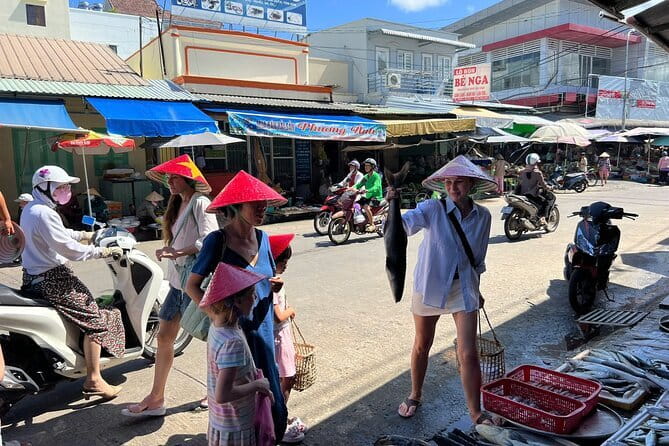
- Small group (up to 10 people) and a private setup that feels like your own family class time
- Garden harvesting first, so cooking starts with real ingredients, not a prep table
- Ao ba ba traditional clothing included, plus a gardening-and-cooking hands-on flow
- Lunch afterward with at least 5 local dishes, plus desserts
- A handicraft experience with local people, so it’s not only cooking
Phu Quoc’s Hidden Garden: what you’re really paying for
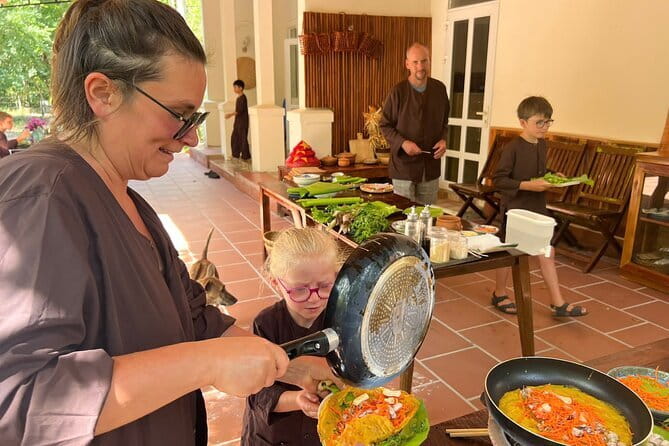
At $59 per person for about 3 hours, this class is priced like a “full experience,” not a quick demo. You’re paying for several built-in parts: pickup, a private small group, ingredient harvesting, actual cooking, and a proper shared meal afterward. The value shows up in the structure—everything is connected.
If you’ve ever taken a cooking class where you make one dish and then eat something you didn’t earn, this doesn’t feel like that. The day is designed so you cook, learn, and then sit down to eat the results. And because the group is limited to 10, you get more back-and-forth instead of standing around watching.
One practical detail: this runs from 10:30 am and ends back at the meeting area, with drop-off at your hotel. If you’re trying to pack Phu Quoc into tight schedules, this is a nice early block, but you’ll want the afternoon free for recovery and digestion.
Private time in Ong Lang (and why it feels calmer)
The whole experience centers around Ong Lang and the surrounding area, with the class hosted at The Hidden Garden. It’s described as a private, small-group activity with a cap of 10 people, and that matters more than you might think.
In practice, it means you can ask questions without feeling like you’re slowing down a large crowd. It also helps create a more relaxed atmosphere—one where you’re more likely to notice details like the herbs growing around the kitchen area and the small animals kept on-site. One highlight from a recent class description is the presence of ducks, geese, chickens, and rabbits, plus a chance to feed baby ducks. That kind of moment is the difference between “cooking class” and “why I came to Vietnam.”
It also helps that the experience is framed as a non-touristy local setting. The welcome drink at a local home kicks off the day in a way that feels like being invited in, not marched through.
The herbal welcome drink at a local home
You start with a short stop—about 15 minutes—with a chilled welcome drink and an easy hello. This isn’t just a snack break. It sets the tone, and it gives you a moment to settle in before you switch into cooking mode.
The welcome includes laughter and conversation, which is a small but important part of why this works. If you get nervous about your cooking skills, this kind of warm-up helps you feel comfortable quickly. It also gives the host a chance to steer the group into the day’s rhythm.
Tip: wear something you can move in comfortably. Even though the welcome part is relaxed, you’ll shift into gardening and kitchen work soon after.
Putting on ao ba ba in a class built for hands-on fun
One of the most memorable parts is the chance to wear ao ba ba, the iconic traditional outfit of Southern Vietnam. It happens early in the flow (around 10 minutes) and comes tied to the gardening-and-cooking vibe rather than being a quick costume photo.
That pairing is smart. When you’re dressed for the part, you’re more likely to actually participate—touching herbs, moving between garden spots, and following along with ingredient choices. It turns the class into something experiential instead of purely instructional.
If you’re visiting with kids, this is also where the energy often spikes. Several comments point to families and children being especially happy during the hands-on stages.
Harvest time in the garden: the ingredients are the lesson

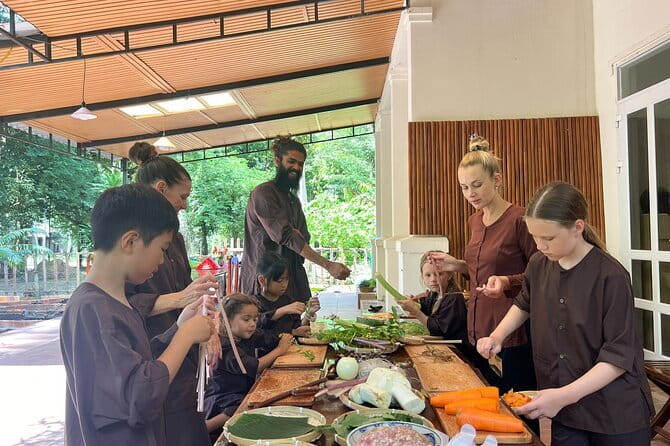
Next comes the best “stop for your senses”—about 30 minutes of garden time. You’ll explore a local garden and pick veggies and herbs that are central to Vietnamese cooking.
This is valuable because Vietnamese flavor is built on fresh aromatics: herbs you can smell and ingredients you can recognize. You’re not just learning recipes; you’re learning what ingredients look like when they’re alive. And when you later cook with them, the flavors make sense instead of feeling random.
One described highlight here: the yard includes animals (ducks and others), and feeding baby ducks is part of the experience. Even if animals aren’t your thing, it reinforces that this is a real working garden environment, not a staged set.
Practical advice for this portion:
- Plan on getting a bit close to garden surfaces. Closed-toe shoes are your friend.
- Bring sun protection if you burn easily—gardens can mean direct light between shade spots.
- Expect the pace to be active, not museum-slow.
Cooking with Chef Hong: how the class stays practical
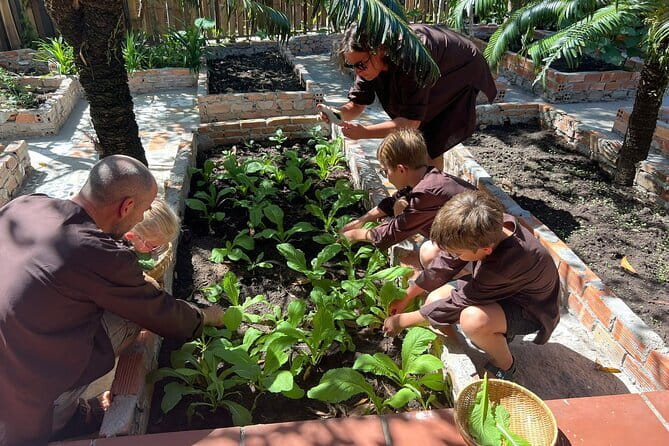
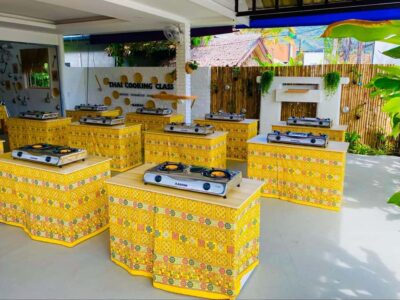
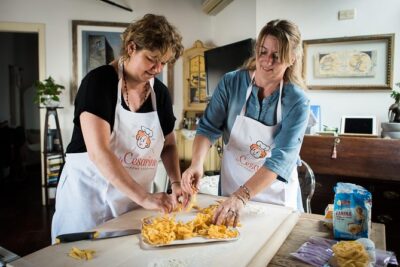
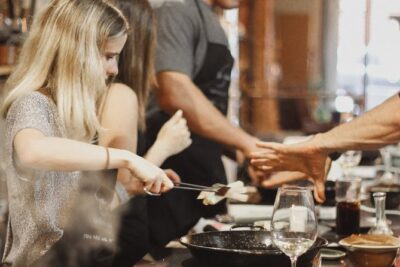
Your cooking segment runs for about 1 hour. The format is hands-on: you help create your dish from scratch, with the host guiding you step by step. This is where the cooking class becomes more than entertainment.
The best instruction quality noted is that Chef Hong communicates clearly in good English, so you’re not stuck guessing. And the teaching isn’t only technique; you also get the stories behind dishes and how Vietnamese cuisine varies by region. That’s a big deal if you want to eat better on your own after the class.
During this stage, you’ll learn:
- how ingredients work together (not just what goes in a bowl)
- how to assemble and cook basic Vietnamese dishes in a way that tastes balanced
- why certain herbs and flavors show up again and again in Southern Vietnam
From class descriptions, you can also expect to cook multiple dishes—often three—and then move into desserts as part of the overall food experience. The dessert element isn’t an afterthought; you’ll taste them and do a bit of decoration around typical items.
If you care about photos, this part also gives you good snapshots: hands-on cooking, garden-to-plate moments, and the way the outfit and garden setting connect visually.
Lunch family-style: what you eat and why it matters

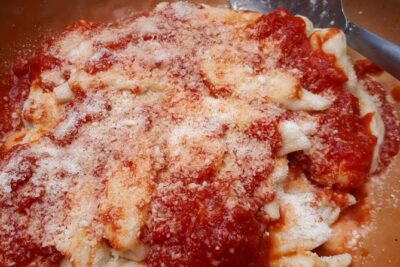
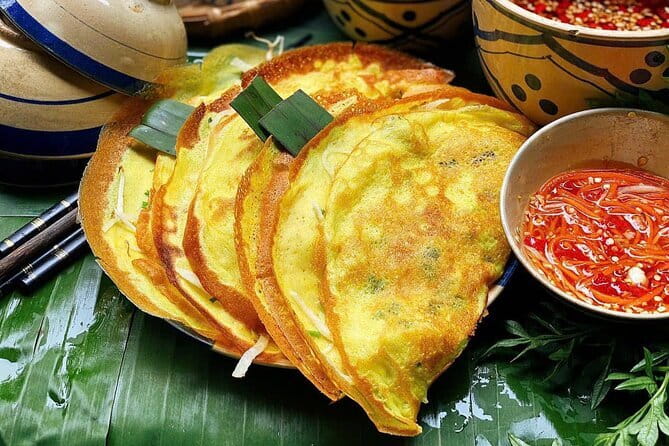
After cooking, you sit down for a shared meal for about 45 minutes. The lunch is described as including at least 5 local dishes, made with what you prepared during the class, and served in a Vietnamese family-style way.
This is the moment that turns learning into satisfaction. You get to taste what you made and compare flavors while the host can explain the logic behind each dish. You also hear about Vietnamese family dining traditions—how meals are shared and how the rhythm of eating connects to the food.
This kind of meal is especially useful if you’ve been eating Vietnamese food from menus that don’t fully explain the differences. After this class, you’re more likely to understand why one dish tastes the way it does and how herbs and sauces drive the overall balance.
Quick planning note: because lunch comes after cooking, you can treat this as a key meal of your day. If you’re prone to snacking, it’s worth holding back until after.
Handicraft time: a local add-on that’s not just for show

One standout feature is the handicraft experience with local people. It’s included as part of the overall flow, but the details aren’t broken down in a minute-by-minute way.
Still, it matters. A cooking class can be very food-only, which is fun, but Vietnam is about more than ingredients. The handicraft element gives you a broader snapshot of everyday local life—something that makes the day feel more grounded.
If you like cultural context alongside food, this add-on is a real plus. And because the group is small, it’s likely to feel interactive rather than rushed.
Price and value: is $59 a good deal?
Yes—$59 feels fair when you consider what’s included. You’re getting:
- a private small-group experience (max 10)
- pickup offered
- ingredient harvesting
- a hands-on cooking session
- lunch with at least 5 local dishes
- desserts
- a handicraft moment
- and the ao ba ba dressing part
Many classes in this category charge less but also leave out big parts like a real meal afterward, a harvesting component, or a cultural add-on. Here, those pieces are built in.
One more value clue: it’s commonly booked about 37 days in advance on average. That suggests the dates fill up, especially if you’re traveling during peak season. If you’re planning your Phu Quoc days tightly, don’t wait until the last week.
Getting there and timing: the simple version
The meeting point is listed as 10 Đường Dinh Bà, Ông Lang, Phú Quốc, Kiên Giang, Vietnam, with a 10:30 am start. The experience ends back at the meeting point and includes drop-off at your hotel.
Duration is roughly 3 hours, so you’re looking at a half-day block. That’s a sweet spot: long enough to learn and eat well, short enough to still enjoy the beach or evening plans afterward.
Weather matters. Because it requires good weather, plan for the possibility of a reschedule if conditions are poor. If you’re only in town for a day, choose wisely and keep some flexibility.
Who should book this cooking class in Phu Quoc?
This is a great fit if you:
- want real local ingredients and an explanation of how they’re used
- like hands-on activities where you actually cook, not just watch
- want a class that works for couples or families
- care about culture, since you’ll learn about dining traditions and regional food differences
- appreciate an environment where people can laugh and relax while learning
If you’re a solo traveler who likes food and prefers smaller group settings, you’ll likely enjoy the private feel. Just remember it’s an active farm-style setup, not a polished city kitchen.
A fair heads-up: possible drawbacks before you go
The biggest downside is simple: weather dependency. If it’s not suitable, you may need to switch dates or get a refund.
Second, this is not a “see everything in Phu Quoc” day. It’s focused on one area and one activity block. If your priority is beaches, waterfalls, and scooters across the island, this class is best as one anchor experience, not your whole itinerary.
Finally, since it’s set up for small groups and hands-on gardening, it can involve getting a little dirty or dealing with farm-like surroundings. If that’s a deal-breaker for you, you might want a more restaurant-based class.
Should you book the Phu Quoc Cooking Class at The Hidden Garden?
If you want a Phu Quoc experience that feels personal, local, and food-centered beyond a quick tasting, I’d book it. The combination of garden harvesting, Chef Hong’s clear English, a proper shared lunch with at least 5 local dishes, and the handicraft add-on makes the $59 price feel justified.
I’d skip or think twice only if:
- you have zero flexibility for weather changes
- you hate any garden/farm component
- you only have time for very short activities
Otherwise, this is the kind of class that leaves you with more than recipes. You’ll leave understanding why the flavors work, which means your next Vietnamese meal will taste different—in a good way.
FAQ
How long is the Phu Quoc cooking class?
The experience runs for about 3 hours.
Is pickup included?
Pickup is offered, and the activity ends back at the meeting point with drop-off at your hotel.
How big is the group?
It’s a private experience with a small group limited to 10 people.
What’s included with lunch?
After the cooking class, you enjoy a lunch with at least 5 local dishes. Desserts are also part of the experience.
Do I wear the traditional ao ba ba outfit?
Yes, you get to wear ao ba ba during the activity.
Is there a handicraft component?
Yes, there’s a handicraft experience included with local people as part of the overall program.
What happens if weather is poor?
The experience requires good weather. If it’s canceled due to poor weather, you’ll be offered a different date or a full refund.