REVIEW · PIANO DI SORRENTO
Piano di Sorrento: Cooking Class with Food Tasting and Wine
Book on GetYourGuide →Operated by Orto a tavola · Bookable on GetYourGuide
Cook lunch where the lemons grow nearby. This Piano di Sorrento cooking class turns dinner into an on-farm day: you pick fresh ingredients, learn handmade pasta, and eat under citrus trees with local wine. The biggest catch is practical: the setting is a working farm, so expect some walking on outdoor paths and you’ll want good shoes.
You’ll meet your host at the villa entrance, get a welcome drink and bruschetta, tour the grounds, and then cook together in a small group. The vibe is close to family hospitality, and the finish is sweet and boozy: wine with lunch, plus homemade limoncello after.
In This Review
- Key Highlights You Can Plan Around
- A Citrus-Grove Kitchen Lesson in Piano di Sorrento
- From Villa Entrance to Welcome Bruschetta and Wine
- Harvesting Your Own Ingredients in the Home Garden
- Handmade Pasta Class: What You Learn and Why It Matters
- Lunch Under Citrus Trees With Local Wine and Homemade Limoncello
- Price and Value: Is $135.94 Worth It?
- Who This Cooking Class Suits Best (and Who Might Prefer Something Else)
- Smart Tips to Get the Most From Your 3 Hours
- Should You Book This Piano di Sorrento Cooking Class?
Key Highlights You Can Plan Around
- You arrive to welcome bruschetta topped with olive oil, plus a drink to get you started.
- You tour the farm and harvest ingredients you’ll actually cook, often including Sorrento tomatoes, eggplant, zucchini, and apricots.
- You learn to make traditional handmade pasta and a seasonal sauce built from the vegetables you picked.
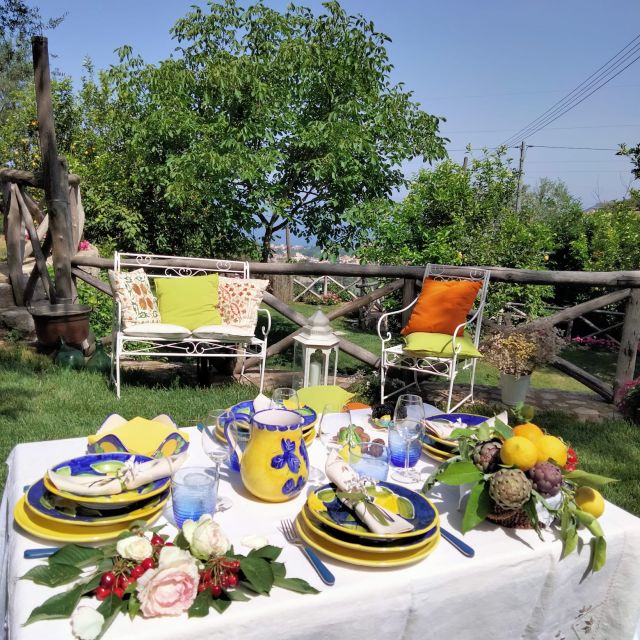
- You eat outside under citrus trees, with wine poured alongside your meal.
- Small group size (max 6) keeps the class hands-on and easier to follow in English or Italian.
- Limoncello and other homemade touches often show up at the end, making the meal feel like a real occasion.
A Citrus-Grove Kitchen Lesson in Piano di Sorrento
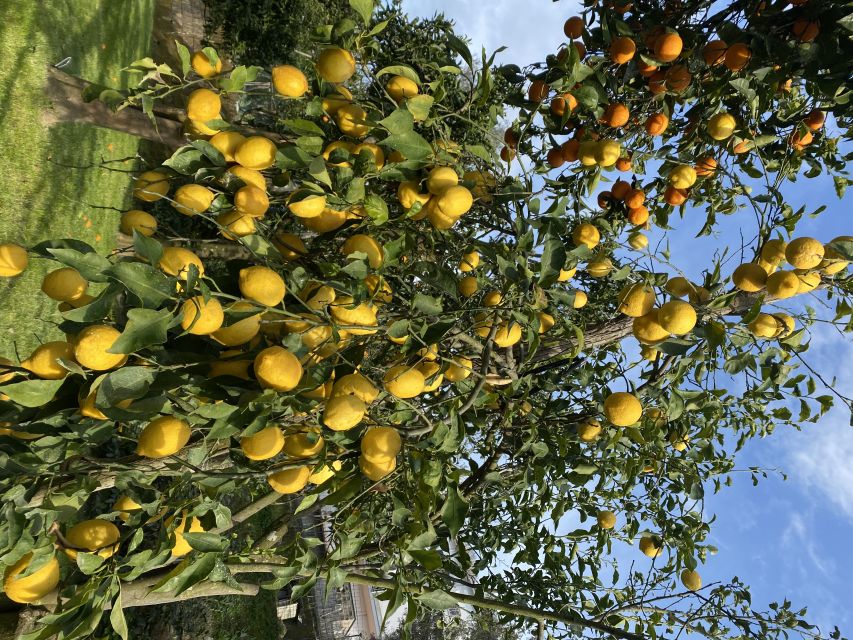
This isn’t a stop-and-watch cooking demo. You’re in Campania, in Piano di Sorrento, and the whole point is to connect the food on your plate to the land it came from. The class happens on a farm with citrus trees and a garden, so even before you cook, you’re already tasting the region through smell and sight.
The best part for most people is how concrete the experience is. You don’t just hear about Italian cooking. You roll dough. You shape pasta. You chop and sauté with ingredients you picked minutes earlier. Then you sit down and eat what you made, usually with wine and a limoncello finish.
There’s also a human side to it. Hosts in the past have welcomed people into their homes with warmth and patience, including English-speaking guidance. If you’re nervous about cooking, don’t be. The setup is small-group and practical, designed so you can keep up.
From Villa Entrance to Welcome Bruschetta and Wine
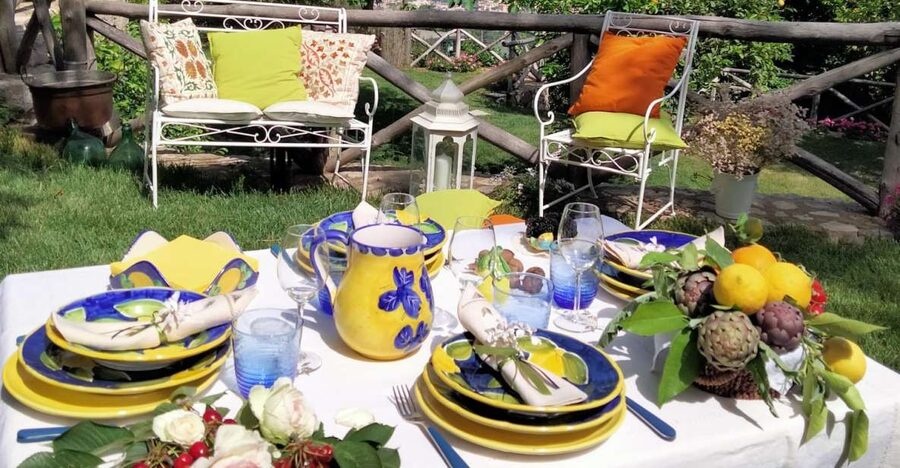
Your experience starts with a meet-up at the villa entrance. After that, you’re greeted with a welcome drink and appetizers. One specific highlight is bruschetta topped with olive oil—simple, but it’s a great “warm-up” because it tells you how good local ingredients can taste without much fuss.
Right away, you get the rhythm of the day: eat a little, relax a little, then move into the farm tour and cooking. The welcome matters because it shifts your mindset from vacation sightseeing mode to I’m here to learn mode. It also helps if your day started early, or if you’re still figuring out the local pace.
From there, the class transitions smoothly into the outdoor part of the experience: walking the grounds, getting oriented, and seeing where the ingredients come from. In past classes, hosts have offered extra small bites like coffee or iced tea along the way, but the core included welcome is the drink and bruschetta.
Harvesting Your Own Ingredients in the Home Garden
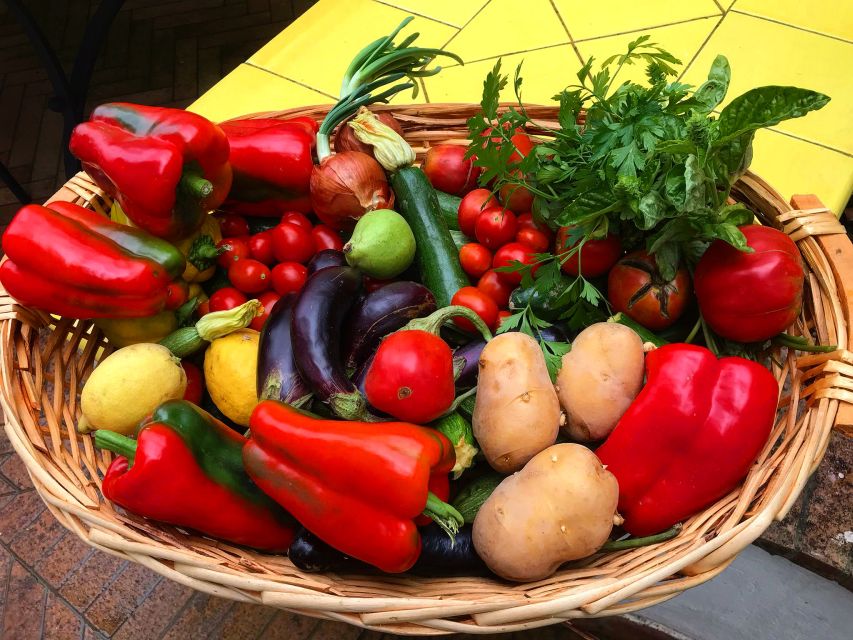
After the greeting, you tour the property and then get to pick ingredients from the garden and citrus area. This is where the day becomes more than a recipe lesson. You get to understand what’s in season, and why Italian home cooking leans hard on simple seasonal choices.
The kinds of produce you might gather include Sorrento tomatoes, eggplants, zucchini, and apricots. On some outings, you may also see things like arugula used for salads. The point isn’t just what you pick. It’s how you see it handled: picked fresh, used soon, and treated like something special rather than grocery-store inventory.
If you’re a food person, this part is oddly satisfying. You’re not just collecting ingredients. You’re building an instant connection between the farm and the finished lunch. And when your pasta sauce tastes like the vegetables you harvested, you’ll understand why this style of cooking works.
Practical note: you’ll be outdoors during the tour. Wear shoes you trust on uneven ground, especially if it’s warm and the paths are a bit slick.
Handmade Pasta Class: What You Learn and Why It Matters
The cooking lesson centers on traditional handmade pasta, plus a sauce using the vegetables you picked. You’ll work with a chef/instructor who teaches you step by step, with instruction available in Italian and English.
What’s valuable here is the structure. You don’t just get one recipe handed to you. You get guidance on the technique and the logic behind the flavors. When your sauce is built from in-season vegetables, you learn how to cook around what you have, not what a cookbook says you must buy.
In many classes, you’ll also make other simple Italian items alongside the main pasta. Past experiences have included bruschetta variations and extra side dishes, and the common theme is that everything stays closely tied to what’s growing and what the kitchen is making that day.
How it feels in real time depends on your cooking comfort:
- If you’ve cooked before, you’ll appreciate the skill focus and the chance to refine your pasta technique.
- If you’re new, the small group format helps. You can ask questions, and the instructor can adjust as you go.
Either way, you end up with a meal you can repeat at home with confidence—especially the idea of building flavor from fresh, local produce.
Lunch Under Citrus Trees With Local Wine and Homemade Limoncello
After cooking, you eat the meal you prepared. The setting is outdoors under citrus trees, which turns lunch into a kind of slow, satisfying pause in the middle of your Amalfi Coast trip.
You’ll wash it down with a glass of local wine, included with the meal. That pairing helps you taste how Campania flavors move from garden to plate to glass. It also keeps the whole day feeling like a genuine lunch, not a rushed event.
Then comes the sweet finish: homemade limoncello. The reason limoncello fits so well here is obvious once you’ve seen the citrus grove. You’re not drinking an item that could come from anywhere. It feels tied to the day’s ingredients and the farm setting.
Food quantity is another big win. Many people leave full and satisfied because the day doesn’t stop at a single course. Even when you focus on the pasta and sauce, there’s often plenty of food across appetizers and sides.
Price and Value: Is $135.94 Worth It?
At about $135.94 per person for a 3-hour experience, it’s not the cheapest thing you can do in the area. But it is a high-value way to spend time.
Here’s why the math can work:
- You get a full farm-to-table day segment, including welcome drink, appetizers, cooking instruction, meal, wine, and limoncello.
- You handle ingredients directly, including produce you pick on-site, which is part of what you’re paying for.
- The group is small, limited to 6 participants, which usually means more attention and less waiting.
So if you’re looking for a quick tasting with minimal effort, this may feel pricey. If you want to learn a real skill—handmade pasta technique—and eat what you made in an unforgettable setting, the cost starts to make sense fast.
A good way to decide: if you’d happily pay for a meal plus a workshop on technique, this is effectively both, in one location.
Who This Cooking Class Suits Best (and Who Might Prefer Something Else)
This class is ideal if you want:
- A hands-on cooking experience rather than a passive one
- A taste of Campania that includes citrus, garden vegetables, and local wine
- A small group setting where you can ask questions in English or Italian
It’s also a great fit for couples and friends who like food, but want a shared activity with a natural rhythm—pick, cook, eat, relax. If you’re traveling as a family, the intimate group size can help keep the experience manageable (though kids would still need to enjoy the outdoor farm part).
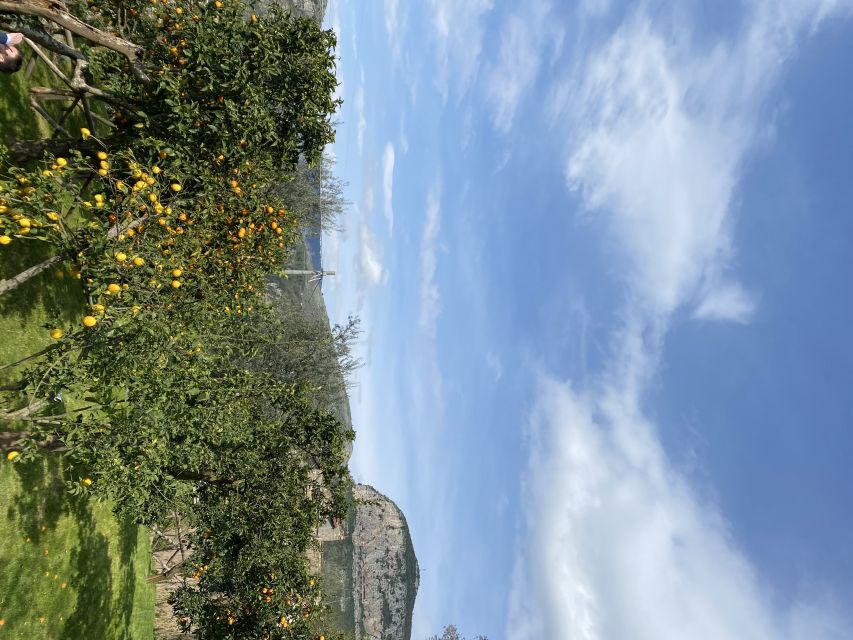
If you’re someone who hates any outdoor walking or wants strictly indoor pacing, this might be less comfortable. The farm setting is part of the point, and you’ll likely move around outdoors during the garden tour and meal.
Smart Tips to Get the Most From Your 3 Hours
Here are practical things that make your day smoother:
- Wear grippy shoes. You’re on a farm path and in the garden area.
- Come hungry, but don’t expect to cook on an empty stomach. You’ll be fed a welcome appetizer first.
- Ask what’s in season. Since the sauce uses seasonal vegetables you pick, your menu can shift by time of year.
- Go easy on extra heavy sightseeing right before. You’ll want time to relax and digest outdoors.
- If you’re booking for wine lovers, pace yourself. You’ll drink wine with lunch, then there’s limoncello at the end.
Also, since the class is taught in Italian and English, you can feel comfortable if you only speak English. The instruction is set up for mixed-language needs.
Finally, because group size is small, being a bit flexible helps. You’ll get better results if you’re ready to slow down and focus on the task in front of you.
Should You Book This Piano di Sorrento Cooking Class?
Book this if you want an Amalfi Coast experience that feels tied to real people and real food. The combination of ingredient picking, handmade pasta instruction, and lunch in a citrus grove is exactly the kind of day that sticks in your memory because it’s not just about tasting. You learn the process, then you eat the proof.
Skip it only if you’re chasing a pure sightseeing priority, or if outdoor farm walking would be a deal-breaker for you. At 3 hours, it also works best when you’re not trying to cram three other major stops into the same half-day.
If you value authentic, practical learning over big-bus theatrics, this is one of the best ways to spend time in Piano di Sorrento with your appetite front and center.