REVIEW · TOKYO
Japanese Food Cooking Class in Asakusa, Tokyo
Book on Viator →Operated by Sushi Making Tokyo Cooking Class in Japan · Bookable on Viator
Rolling sushi starts before you even touch rice.
In Asakusa, you can learn two Japanese favorites in one 3-hour class: matcha whisking and sushi rolling. Best of all, it happens just a few minutes on foot from Sensoji Temple, so the meal lesson fits naturally into a classic Tokyo day.
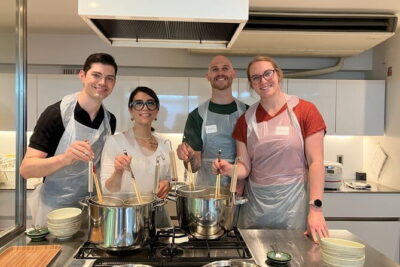
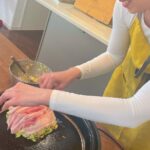
I love the hands-on format (you’re not just watching) and the way instructors like Jun keep things clear and patient in English. I also like that you work with fresh ingredients and leave with plenty of sushi you helped make, not a token taste.
One consideration: there’s no hotel pickup, and the class ends back at the meeting point, so you’ll want to plan your route and timing around that fixed location.
In This Review
- Key things that make this class worth your time
- Asakusa: the best neighborhood for sushi and matcha in Tokyo
- Matcha making: learning the tea ritual step by step
- Sushi rolling and nigiri: maki and nigiri made approachable
- Meet the instructors: patient teaching that doesn’t talk down
- Ingredients, meal, and what you’ll actually eat
- Price and value in Tokyo: why this is a fair deal for the time
- Timing and getting there near Sensoji Temple
- Who this class suits (and who might want a different option)
- Should you book this Asakusa matcha and sushi class?
- FAQ
- FAQ
- How long is the class?
- Where is the meeting point?
- Is hotel pickup included?
- Do I need any prior experience with sushi or matcha?
- Is the instruction available in English?
- What’s included in the price?
- How many people are in a group?
- Do I get a ticket for this experience?
- What’s the cancellation window?
Key things that make this class worth your time
- Two skills in one sitting: matcha first, then sushi, with a clear flow that stays upbeat
- English instruction throughout: step-by-step guidance, even if your Japanese is zero
- Small class size (max 15): more chances to get help as you roll
- You make and eat what you produce: the payoff is real, not just a photo-op
- Close to Sensoji: an easy add-on before or after temple wandering
- Friendly, funny teaching style: people repeatedly mention instructors who keep the mood light
Asakusa: the best neighborhood for sushi and matcha in Tokyo
If you’re going to learn Japanese food skills in Tokyo, Asakusa is a smart pick. It’s traditional without feeling staged, and it’s the kind of place where a short walk can take you from old streets to a busy station scene.
This class also has a practical advantage: it’s located near Sensoji Temple, one of Tokyo’s most famous landmarks. That means you can build a day that feels effortless. You can do temple sights, hop on public transit when you need to, then circle back for hands-on food time.
And food classes in big cities can be tricky. You don’t always know if the session will feel organized or like a quick demo. Here, the structure is straightforward: matcha-making first, then sushi-making. That two-part rhythm helps you build confidence fast.
You can also read our reviews of more tours and experiences in Tokyo.

Matcha making: learning the tea ritual step by step
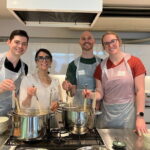
The matcha portion runs about 1 hour, and it’s not treated like a side quest. You’ll learn the art of whisking Japanese matcha the traditional way, which is a big part of why people take this class even if they already know sushi.
What you’re really learning here is control: how to whisk so it looks right and has that proper texture. Matcha is simple on paper, but small technique changes affect how it looks and tastes. A good instructor’s job is making that feel doable, and the feedback highlights that the teaching style is patient and supportive.
You’ll also understand matcha in context, not just as a green drink. The best classes explain how tea culture fits into everyday Japanese life, and this one leans into that educational side without slowing down the hands-on pace.
A practical note: matcha has a distinct smell. It’s great while you’re learning, but if you’re heading straight to dinner afterward, you might want to plan a quick rinse and change. That’s just normal for cooking time, not a class flaw.
Sushi rolling and nigiri: maki and nigiri made approachable
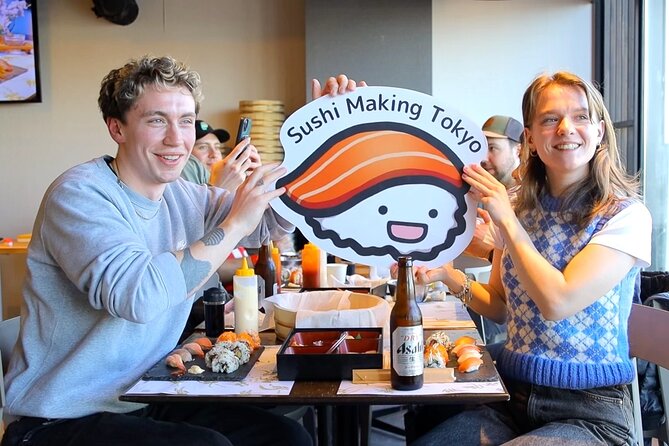
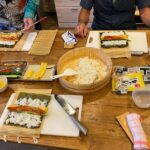
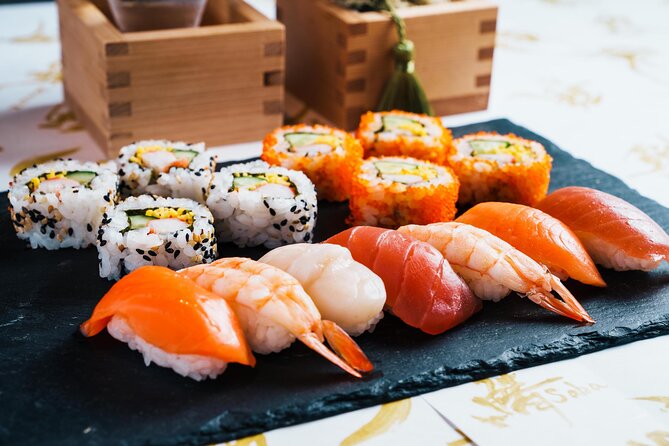
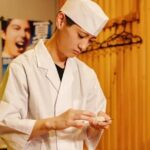
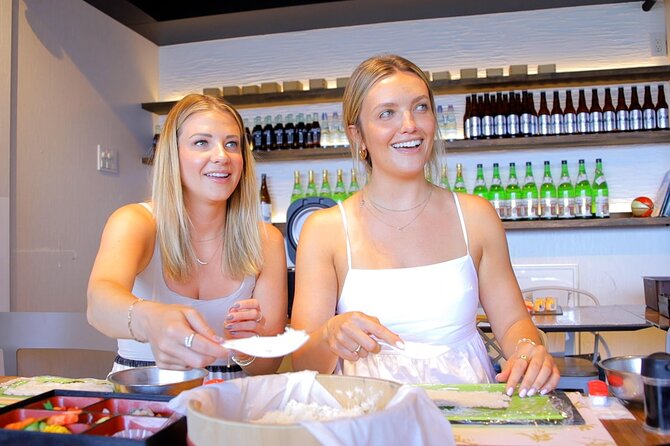
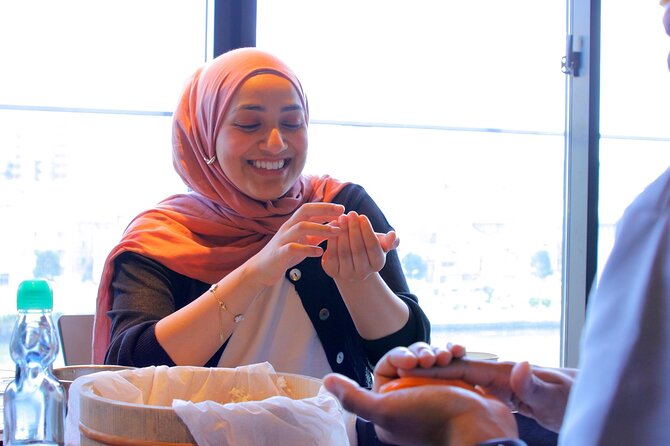
Next comes the sushi portion, about 1 hour 40 minutes. This is the part most people think of when they book—rolling sushi, making nigiri, and eating the results.
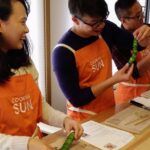
The big win is that you get guided practice. The class is built around a step-by-step process, and the vibe you’ll notice from the way it’s taught is: no stress, lots of coaching. People specifically point out that the instruction makes it easy to get good-looking rolls and learn how things come together.
You’ll work with what makes sushi work:
- getting rice and seasoning right
- handling nori and fillings
- shaping sushi so it holds together
Some classes teach you how to do one roll and then rush you out. Here, the experience tends to deliver more production—meaning you get the satisfaction of making enough sushi to feel like you truly did the work, not just assembled one bite.
Another detail worth knowing: sushi has history, and the class touches on it. That’s useful because it gives your technique meaning. When you understand why nigiri and maki are made the way they are, the whole process stops feeling like a craft trick and starts feeling like a food tradition.
Meet the instructors: patient teaching that doesn’t talk down
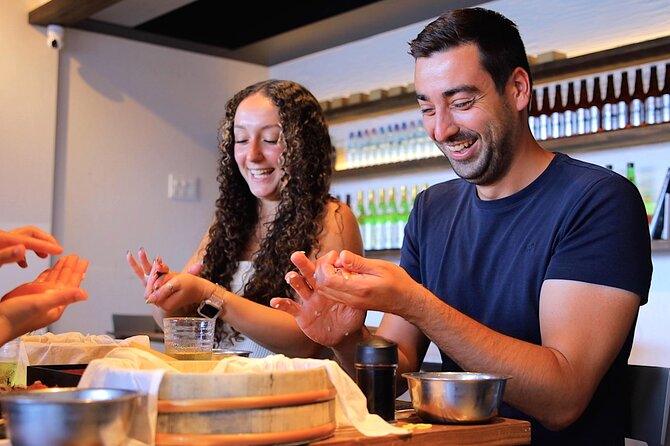
A good cooking class has two gears: skill and communication. This one leans hard on communication.
English is part of the package, so you’re not forced into guessing meanings while you’re holding sticky rice. In the feedback, names like Jun and Kazu come up along with comments about instructors being knowledgeable and patient, plus a sense of humor.
That humor matters more than you’d think. Sushi work is repetitive in a good way. If someone keeps the tone friendly and light, the class feels fun instead of stressful. And because you’re learning by doing, you’ll likely have a moment where a roll doesn’t look perfect. Friendly coaching is what turns that into a quick fix rather than a frustrating stop.
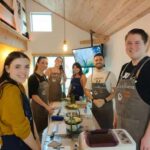
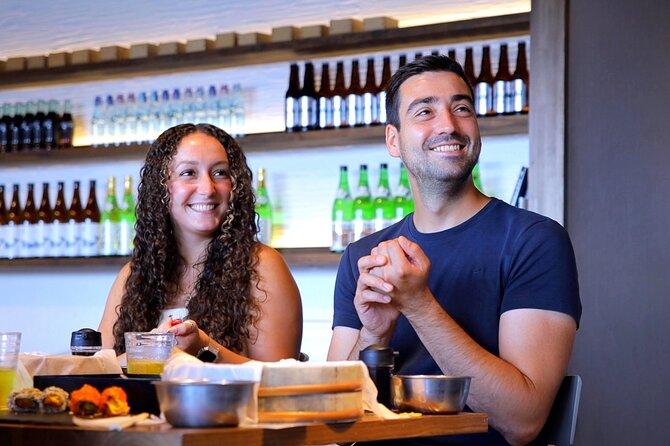
Also, the group limit is 15 travelers. Small enough that you’re not just part of a crowd, but big enough that the energy stays lively. When you need help—especially with rice handling or shaping—that size helps.
Ingredients, meal, and what you’ll actually eat
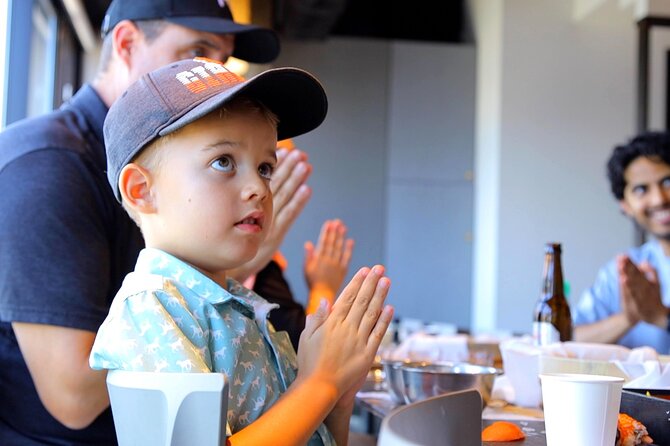
This class includes the ingredients and the meal. That sounds obvious, but it’s where many cheap classes fall apart: you pay low prices and then you leave hungry or you don’t get enough food to justify the effort.
Here, you should expect to eat what you make—sushi you rolled, plus matcha whisked the way the class teaches. The overall impression from the experience is that the food ends up tasting good, not just looking good.
If you’re the type who loves learning techniques you can repeat later, take note: the value isn’t only the final sushi. It’s the moment-to-moment guidance that helps you understand how sushi comes together.
One more practical point: you’ll be working with your hands for a while. If you’re sensitive about smells or mess, wear sleeves you don’t mind lightly getting rice residue on. It’s normal.
Price and value in Tokyo: why this is a fair deal for the time
The price is listed as $85.87 per group (up to 1), and it runs about 3 hours total. That’s not the cheapest thing you can do in Tokyo, but it’s also not overpriced for what you get.
Why the math works:
- You’re paying for two taught experiences (matcha + sushi).
- You get an English-speaking instructor.
- Ingredients and your meal are included.
- The class is small and hands-on, not a large demonstration.
If you’ve done cooking classes before, you know the difference between a session where you do the work versus one where you mostly watch. This one is aimed at letting you actually make the food.
Also, with no hotel pickup, you’re saving time and money on logistics. You just show up at the meeting point and get started.
Timing and getting there near Sensoji Temple
The meeting point is at 2-chōme-17-9 Kaminarimon, Taito City, Tokyo 111-0034, Japan. The activity ends back at the same meeting point.
That matters because it affects how you plan your day. If you’re also visiting Sensoji, schedule this class early enough that you won’t feel rushed. On foot, the distance isn’t intimidating, but you still want buffer time for getting oriented.
This class is near public transportation, which is helpful. Still, it’s not a pickup-and-drop service. You’ll need to get yourself there.
Mobile ticket users: this experience uses a mobile ticket, so you’ll want your phone charged and ready.
Who this class suits (and who might want a different option)
This works well if you:
- want hands-on cooking rather than a sit-and-watch tour
- like learning food technique you can repeat at home
- enjoy Tokyo culture that’s tied to real daily life, not just museum rooms
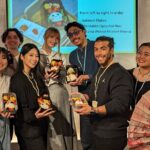
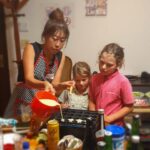
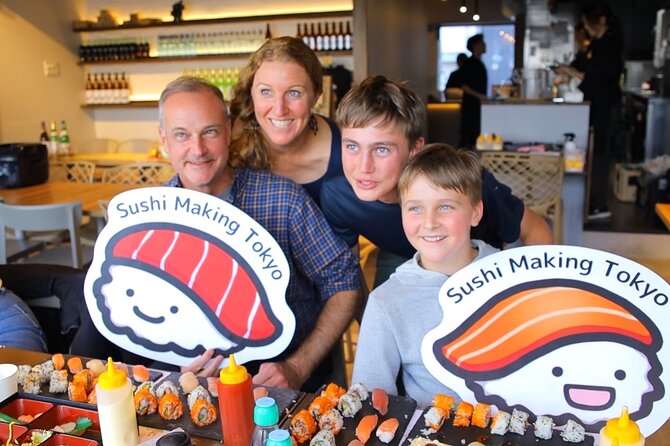
It also looks like a solid choice for families. One family with children around ages 7 and 9 reported having a great time with step-by-step instruction and plenty of fun. The class structure seems to make it easier for kids to participate meaningfully.
You might choose a different activity if you:
- hate cooking with your hands or dislike messy preparation
- want a purely sightseeing day with no food workshop component
Should you book this Asakusa matcha and sushi class?
Yes, you should book it if your goal is to leave Tokyo with more than photos. This is one of those experiences where the skills are tangible: whisk matcha, roll sushi, and understand what makes them work.
Book it especially if you’re doing a Sensoji day. The location makes the class feel like a natural stop, not a forced detour. And the combination—matcha plus sushi in one session—gives you more value than picking only one.
If you’re nervous about not knowing Japanese, don’t be. English instruction is included, and the teaching style highlighted in the experience centers on patient, clear guidance with a friendly tone.
FAQ
FAQ
How long is the class?
The class runs for about 3 hours total, split into around 1 hour for matcha making and about 1 hour 40 minutes for sushi making.
Where is the meeting point?
The meeting point is at 2-chōme-17-9 Kaminarimon, Taito City, Tokyo 111-0034, Japan.
Is hotel pickup included?
No. Hotel pickup and drop-off are not included.
Do I need any prior experience with sushi or matcha?
No experience is needed. The instructor guides you step by step.
Is the instruction available in English?
Yes. The class includes an English-speaking instructor.
What’s included in the price?
The price includes the English instructor and the ingredients for the class and meal.
How many people are in a group?
The class has a maximum of 15 travelers.
Do I get a ticket for this experience?
Yes. It uses a mobile ticket.
What’s the cancellation window?
Free cancellation is available up to 24 hours in advance of the experience’s start time for a full refund.