REVIEW · MOSHI
Private Market Tour and Tanzanian Cooking Class in Moshi
Book on Viator →Operated by Traveling Spoon · Bookable on Viator
Ugali tastes better with a market stop. This private Moshi experience mixes a guided ingredient hunt with a hands-on cooking class in a local mud home, then ends with a family-style meal.
What I like most is the market-to-table pacing, with your host showing you where ingredients come from and letting you sample foods along the way. I also love the real-work cooking details, like learning coconut milk the traditional way and making ugali over a wood fire.
One consideration: you’ll be cooking and eating in a simple home setting, so expect hands-on effort (and a bit of mess), and plan for an outdoor meal on benches.
In This Review
- Quick highlights
- From Moshi Hotel Pickup to a Real Market Tour
- The Market-to-Home Transfer: Walk or Tuk-Tuk in 20 Minutes
- Learning Coconut Milk the Traditional Way with a Buzi
- Ugali Over Wood Fire: A Simple Dish That Takes Skill
- The Family Meal: Benches, Peanut Brittle, and Homemade Alcohol
- Price and Value: Is $86 Fair for a 5.5-Hour Private Class?
- What to Wear and Expect So You Enjoy It (Not Just Endure It)
- Who Should Book This Moshi Cooking Class?
- Should You Book It?
- FAQ
- Where does this experience take place?
- How long does the cooking class and market tour take?
- Is this tour private?
- What do you do during the market portion?
- What do you learn to cook?
- Is pickup and drop-off included?
- How do you get from the market to Shida’s home?
- What’s the cancellation policy?
- When should I book?
Quick highlights
- William-guided market time: a close look at ingredients and vendor conversations, with sampling along the way
- Coconut milk with a buzi: traditional shaving/grinding setup using a small wooden seat and grinder
- Wood-fire ugali practice: a cornmeal staple that’s simple in idea but physical in practice
- Family meal outdoors: benches outside the mud house, with peanut brittle and homemade alcohol
- Moshi hotel pickup and drop-off: no need to figure out transport on your own
From Moshi Hotel Pickup to a Real Market Tour
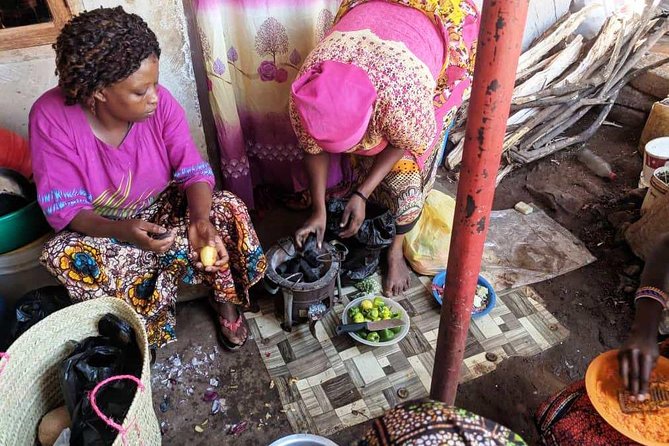
This is the kind of activity that feels perfect before (or after) time in the Mount Kilimanjaro area. You start in Moshi, with pickup and drop-off at your hotel, so you’re not spending the morning negotiating rides or searching for the right entrance.
Your host—William, Shida’s son—helps set the tone from the beginning. You head to a local market where you’ll see the ingredients that matter most to everyday Tanzanian cooking: produce, herbs, and other staples used to build flavor. The market portion isn’t just a photo stop. You’ll walk the stalls with your hosts, talk with vendors, and pick up what you need for the cooking class.
A small but meaningful detail: you’ll get chances to taste items during the market walk. Based on what people mention, fruit sampling is part of it, and dried sardines may be included in what you try. If you’re the type who likes food tours that actually teach you something—rather than just pointing at things—this section is a big win.
Private format note: it’s private, so you’ll only be with your group. That makes it easier to ask questions and move at the pace your hosts set.
The Market-to-Home Transfer: Walk or Tuk-Tuk in 20 Minutes
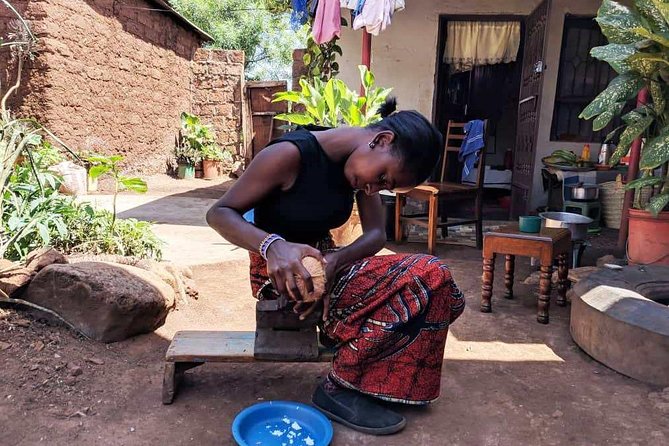
After the market, you move to Shida’s home, about 20 minutes away. You can expect either a leisurely walk or a tuk-tuk ride, depending on how things are organized that day.
I like this transfer because it keeps the day feeling connected. You’re not jumping from one tourist bubble to another. Instead, you’re going from where ingredients are chosen to where the cooking happens—at a real family home.
Also, it matters practically: a cooking class loses its charm if you arrive stressed, sweaty, and late. Here, the schedule gives you a comfortable buffer to settle in before you start working with food.
Learning Coconut Milk the Traditional Way with a Buzi
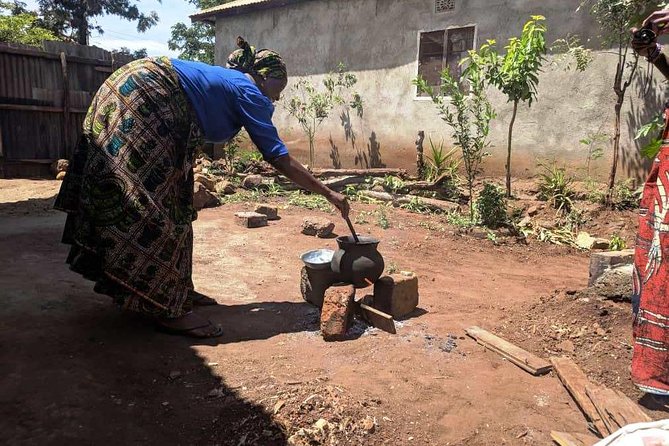
The cooking class happens at Shida’s mud house, where you join the family for a hands-on session. People describe this as a true look at daily life, not a staged demo.
The centerpiece lesson is making fresh coconut milk traditionally. You’ll learn using a buzi, a small wooden seat with a grinder mechanism used to shave coconut meat. That part is important: coconut milk isn’t “just add coconut” here. You’re seeing how the process starts with the actual coconut and how work and texture build the final ingredient.
Once you understand coconut milk, your hosts connect it to dishes you’ll know from Tanzanian cooking logic: it becomes the base for vegetable and stew-style recipes. That means the class isn’t only teaching you one dish. It gives you a framework—how a core ingredient turns into multiple meal components.
This is also where the day’s cultural value shows up. In many cooking classes, the food starts once the ingredients arrive. Here, the process highlights labor and technique, from grating and shaving to turning that into a usable cooking ingredient.
Ugali Over Wood Fire: A Simple Dish That Takes Skill
Now comes ugali, the cornmeal staple that anchors many Tanzanian meals. Your hosts guide you through making it with a wood fire. The setup is straightforward to understand, but it’s labor-intensive in practice, which is exactly why it’s worth doing.
Ugali is often described as simple—cornmeal, water, heat, stirring. But if you’ve ever tried cooking polenta or thick corn porridges, you already know: the texture is the trick. The cooking is where technique matters, and you’ll get to see how your hosts get it right and how much work goes into consistency.
The class format is family-led, so you’re learning from people who make this regularly. That connection is part of why the experience earns such high scores. It doesn’t feel like you’re copying a chef’s script; it feels like you’re joining a household routine.
Alongside ugali, the class connects ugali to the rest of the plate. You’ll be working toward sautéed vegetables, and the coconut milk you made earlier ties into stew-style cooking that rounds out the flavors.
The Family Meal: Benches, Peanut Brittle, and Homemade Alcohol
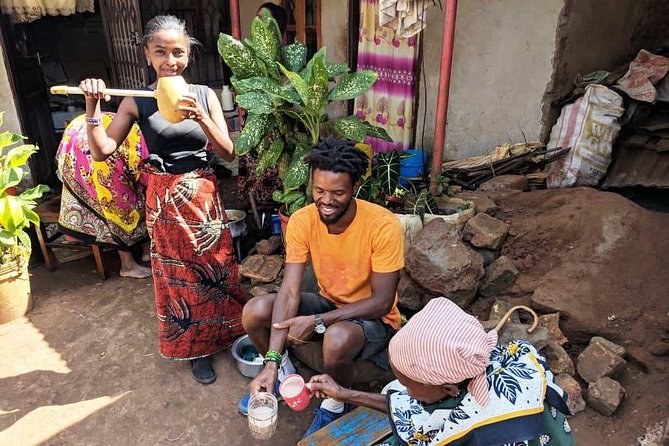
After the cooking, it turns into a meal shared with the family. People consistently call out the warmth here: you’re not left eating on your own like you’re waiting for your train.
The meal is eaten outside on benches. That matters for comfort and expectations. You’ll likely want to dress for warm weather and plan for a basic outdoor setting. It’s casual, but that casualness is part of what makes the day feel authentic.
You’ll eat ugali with peanut brittle and homemade alcohol, and you can expect drinks as part of the meal. I like when a cooking class doesn’t treat food like a separate “activity” from eating; here, your cooking leads directly into the table.
If you’re someone who likes food but also wants stories—why certain ingredients show up, how families eat, what a “good plate” looks like—this is the moment where it clicks.
Price and Value: Is $86 Fair for a 5.5-Hour Private Class?
At $86 per person for about 5 hours 30 minutes, this isn’t a budget cooking stop—but it is a value-heavy one if you compare what’s included.
Here’s why the price works for many people:
- Private format: it’s only your group, not a big shared cattle-car situation.
- Two-part food experience: market ingredient walk plus a hands-on cooking class.
- Hotel pickup and drop-off: you’re saving time and hassle.
- Food and drinks: you’re not just tasting; you’re eating the meal you help make.
- Cultural instruction: coconut milk with a buzi and wood-fired ugali are specific techniques, not generic cooking tips.
A practical strategy: if you’re traveling as a small group, you’ll usually feel better about the cost because you’re splitting the “private” advantage across more people. The listing also mentions group discounts, so it’s worth checking if you’re traveling with friends.
Who this fits best:
- Food lovers who want a Moshi, not just Kilimanjaro day
- Travelers who like market context
- Groups that prefer a private pace over mixed groups
What to Wear and Expect So You Enjoy It (Not Just Endure It)
This is a working cooking experience at a real home, and that affects what you should pack.
Wear something you can move in. You’ll likely be near heat from a wood fire and handling ingredients. Even when you’re not the main cook, you’ll be in the process.
Bring a small towel if you have one (or just plan to wipe hands as needed). Ugali-making can get thick and sticky depending on how things go, and coconut prep is messy by nature.
If you’re sensitive to strong smells or smoke from wood fires, don’t panic—but do set expectations. It’s not a restaurant kitchen. It’s a home cooking setup.
Also, since the meal is outdoors on benches and includes homemade alcohol, you might want to pace yourself. You’re there to learn and enjoy, not to power through.
Who Should Book This Moshi Cooking Class?
I’d put this at the top of the list if you want a “start-to-finish” food day that connects ingredients, technique, and eating—without feeling like a performance.
You should consider booking if:
- You’re in Moshi for Kilimanjaro planning or recovery and want something different from the usual tours
- You like learning through doing—especially with foods you can’t easily recreate at home
- You enjoy meeting local families and asking questions at the market
You might skip it if:
- You want a fully seated, low-activity experience with zero mess
- You’re only interested in tasting and don’t care about technique
Should You Book It?
Yes, if you’re the kind of traveler who values food as culture, not just food as a meal. The combination of a private market walk with William, learning coconut milk using a buzi, and making wood-fired ugali gives you a day that feels both practical and personal.
If you’re going to Moshi, you’ll get the most out of this when you treat it like a real household experience: ask questions, take notes where you can, and enjoy the family table at the end.
FAQ
Where does this experience take place?
It takes place in Moshi, Tanzania, with pickup and drop-off at your Moshi hotel.
How long does the cooking class and market tour take?
The experience runs about 5 hours 30 minutes total. The hands-on cooking class portion is about one hour.
Is this tour private?
Yes. It’s a private tour/activity, and only your group will participate.
What do you do during the market portion?
You visit a local market with your hosts to see fresh ingredients used in Tanzanian cooking, stop at favorite vendors to pick up ingredients, and taste items such as fruit and other foods like dried sardines.
What do you learn to cook?
You learn to make fresh coconut milk traditionally using a buzi, and then you learn to make ugali (cornmeal), served with vegetables and connected dishes based on the coconut milk.
Is pickup and drop-off included?
Yes. Pickup and drop-off at your Moshi hotel are included.
How do you get from the market to Shida’s home?
It’s about a 20-minute trip, either by a leisurely walk or a tuk-tuk ride.
What’s the cancellation policy?
You can cancel for a full refund up to 24 hours before the experience starts.
When should I book?
On average, this is booked about 16 days in advance, so planning ahead is smart.