REVIEW · TOKYO
Small Group Sushi roll and Tempura Cooking Class in Nakano
Book on Viator →Operated by Calmo Cooking Class in Tokyo Japan · Bookable on Viator
Cooking hands-on beats guessing at home. In Nakano, this small-group sushi roll and tempura class puts you in Eri’s home so you learn the why behind Japanese flavors, not just the how. I like that you get step-by-step coaching (especially for sushi rice and rolling), and you also get recipes you can use again later.
One thing to consider: at $160 for about 2.5 hours, it’s best if you want real instruction. If you’re only after a casual snack, this will feel like more time and money than you need.
In This Review
- Key Points Before You Go
- Why Nakano Sushi + Tempura Works Better Than a Restaurant Meal
- Getting There: Asagaya Station Meet Point and the Calm Start
- The Host Factor: What Makes Eri’s Teaching Feel Easy
- Sushi Basics First: Rice, Dashi, Nori, and the Logic Behind Flavor
- Rolling 3 Sushi Rolls: Picking Fillings and Getting the Cuts Right
- Tempura Time: Fluffy, Crispy Frying With Ingredient Choice
- Setting the Table Like Japan: Itadakimasu and Eating What You Make
- What You’ll Take Home: Recipes and Skills for Real-Life Cooking
- Price and Value: Is $160 Worth It?
- Who This Cooking Class Fits Best (And Who Might Skip It)
- Should You Book This Nakano Sushi Roll and Tempura Class?
- FAQ
- What is the duration of the sushi roll and tempura class in Nakano?
- What will I cook during the class?
- Where does the class take place?
- Who teaches the class?
- Can the class accommodate vegetarian or dietary restrictions?
- Is it a small group or private experience?
- How do I find the meeting point?
- Is a mobile ticket used?
- What is the cancellation policy?
Key Points Before You Go
- Learn sushi rice basics you can repeat: seasoning, texture, and handling so rolls don’t fall apart
- Roll 3 different sushi types with personal choice for fillings and rolling style
- Make tempura with your own ingredient choices for seafood and vegetables
- Cook at a Tokyo home for an intimate, small-group experience and quieter learning
- Clear guidance from host Eri from meeting instructions to on-the-spot coaching
Why Nakano Sushi + Tempura Works Better Than a Restaurant Meal
Tokyo has plenty of sushi and tempura. But the gap between eating and cooking is huge—rice texture, nori control, rolling pressure, and frying timing all change the final result.
Here, the focus is on skills that transfer. You’re not just tasting three sushi-rolls and a pile of crispy tempura; you’re learning how to build them—starting with the ingredients most people overlook. You’ll also pick what goes into your rolls and your tempura, which makes the lesson feel personal instead of like a fixed menu.
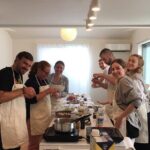
And because it’s held in a host’s home in the Nakano area, the tone is relaxed. You can ask questions without feeling rushed, and you get the kind of attention that’s hard to get in a busy class with large groups.
You can also read our reviews of more tours and experiences in Tokyo.

Getting There: Asagaya Station Meet Point and the Calm Start
Your class meets at NewDaysJapan in Asagaya (Suginami City), near JR Asagaya Station. The address is listed as 166-0004 Tokyo, Suginami City, Asagayakita, 3-chōme 南3361, at JR Asagaya Station, 2F outside the ticket gates on the concourse.
That matters because it keeps the start simple. You’re not hunting down a hidden back-alley entrance. If you arrive a few minutes early, you can get oriented fast.
Also, this is a private tour/activity, so it’s only your group. That’s a big deal for a cooking class: fewer distractions, fewer interruptions, and more time for your questions.
The Host Factor: What Makes Eri’s Teaching Feel Easy
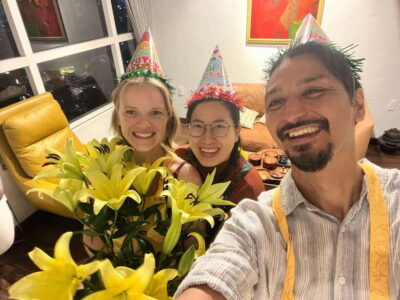
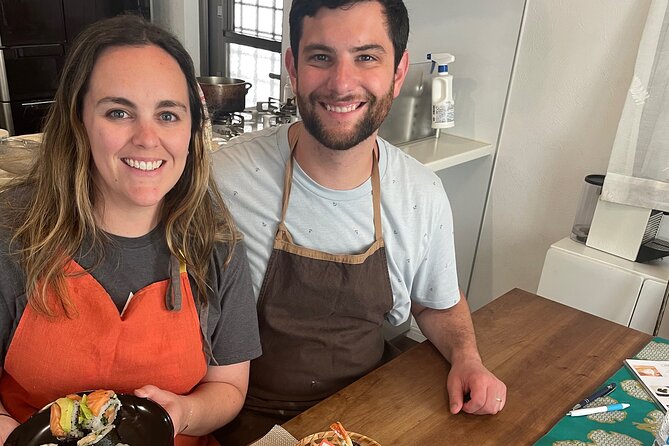
This class is run by Eri (Calmo Cooking Class in Tokyo Japan). What stands out is how welcoming and clear the whole experience feels from the start. You’ll get guidance on where to meet, and once you’re inside, you’ll be supported like an apprentice, not like a spectator.
In a good cooking class, people don’t just hand you tools—they help you avoid the common mistakes. Sushi rice is a great example. If the rice is too wet or too cool, your rolls won’t hold. If you treat nori like it’s optional, everything gets messy fast. Here, Eri guides you through those pressure points.
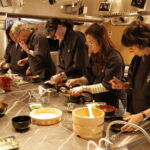
It also helps that the pace is hands-on. You’re rolling and frying as you go, so you don’t spend the whole time watching someone else cook.
Sushi Basics First: Rice, Dashi, Nori, and the Logic Behind Flavor
Before you roll, you go through ingredients in a way that actually helps. You’ll learn about sushi rice basics and other key parts like dashi and nori (seaweed sheet).
Here’s what you should expect to focus on:
- Sushi rice texture: how it should feel and look once properly seasoned
- Handling rice: cooling and spreading so it’s workable for rolling
- Nori control: when to lay it down and how to keep it from getting soggy
- Supporting flavors: how dashi and other ingredients fit into the broader taste
This part matters because most home attempts fail on rice. Many people can buy sushi rice seasoning, but they don’t know what the rice should look like during prep or how it affects roll structure. You’ll also learn how seasoning and moisture influence bite and stability.
You may not think you’ll care about rice until you taste the difference between rolls that are sticky and sloppy versus rolls that slice cleanly. This class is designed to fix that.
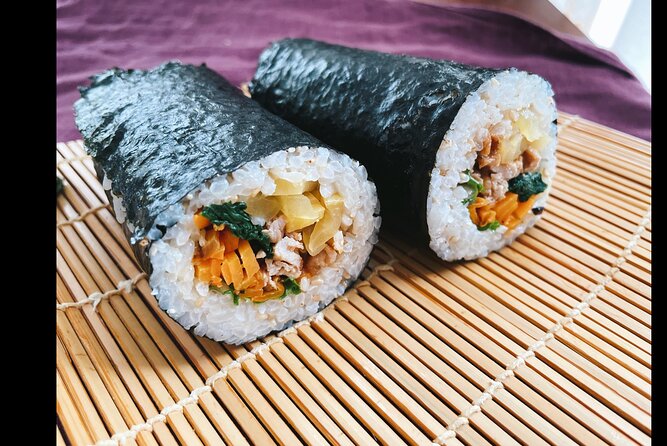
Rolling 3 Sushi Rolls: Picking Fillings and Getting the Cuts Right
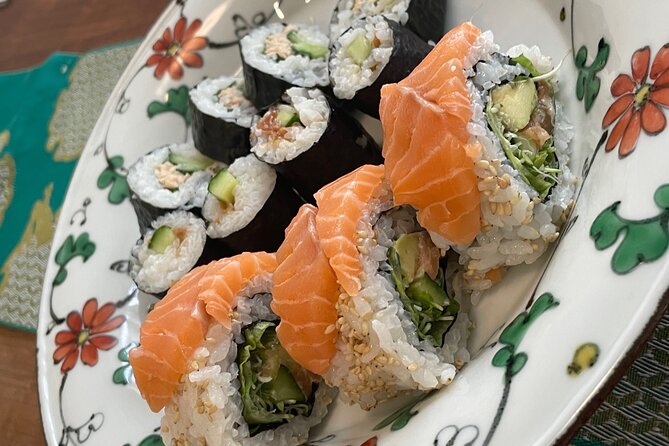
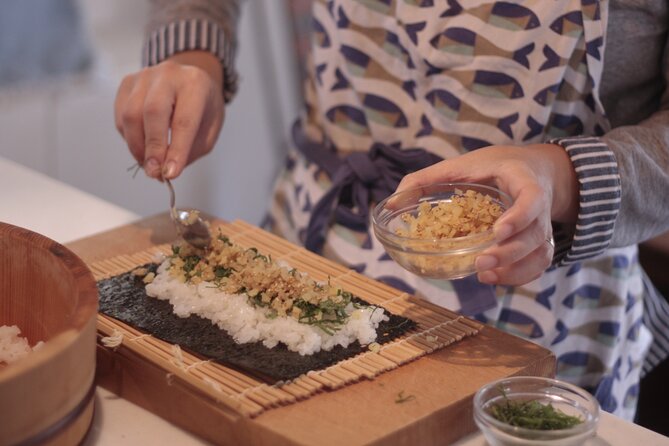
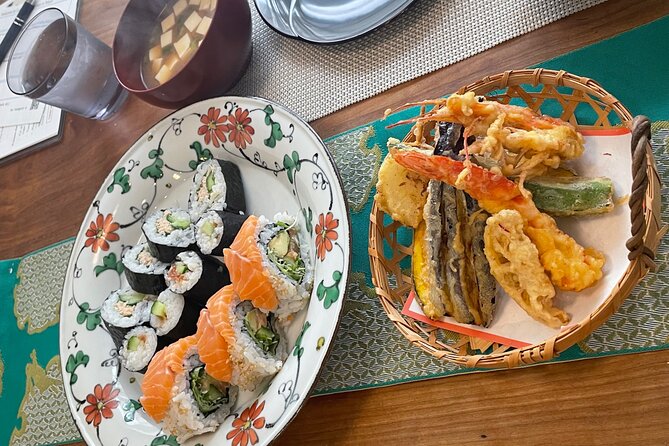
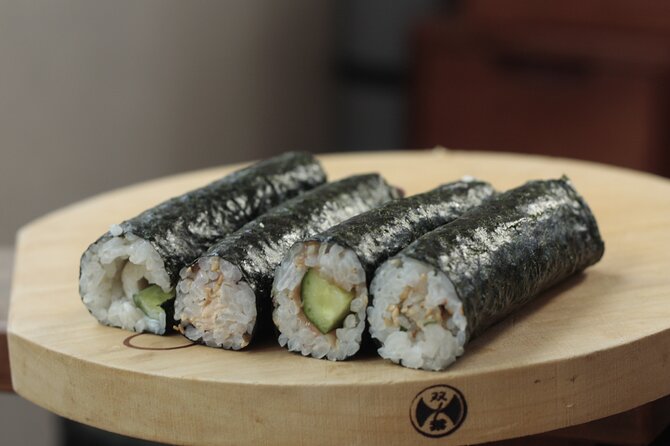
After the explanation, you make sushi rolls with ongoing support. This isn’t a passive demonstration. You’ll get to roll, adjust, and improve in real time—plus you’ll learn how to cut beautifully.
What makes this part fun is the choice element. You’ll be able to choose what to use for your sushi rolls and then roll them in. That choice can be the difference between a class you remember and a class you quickly forget.
As you work, pay attention to three things that make or break results:
- Pressure: too light and the roll opens up; too hard and it gets compressed
- Alignment: keeping ingredients where they belong so the roll holds when sliced
- Timing: rolling and cutting in a way that keeps nori from turning soft
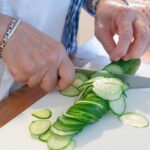
You’ll also learn how to cut neatly. Clean cuts are part technique, part patience. If you’re the kind of cook who enjoys the visual side of food, this is one of the more satisfying moments.
And since you’re making multiple rolls, you’ll see how the same fundamentals apply to different combinations—so you can adapt them later at home.
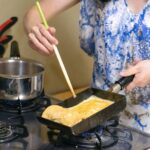

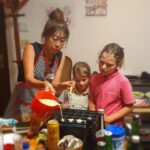
Tempura Time: Fluffy, Crispy Frying With Ingredient Choice
Tempura is often treated like a restaurant trick. Here, it’s taught like a craft you can practice.
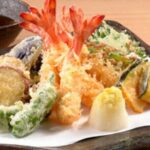
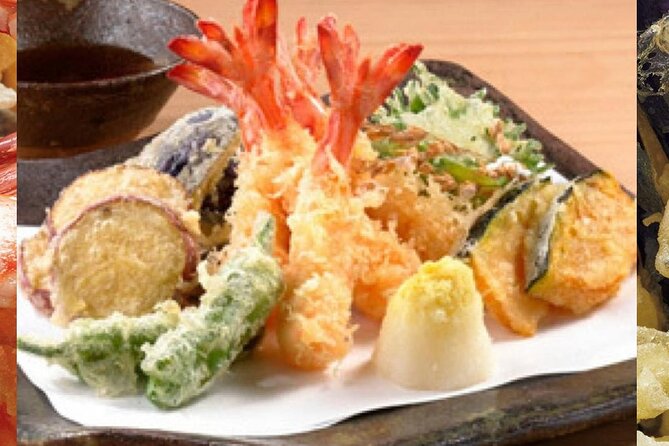
You’ll get to choose your tempura ingredients—there’s free choice for what you use, including deep-fried seafood and vegetable options. Then you’ll cook tempura with support.
Tempura is loved because it’s a contrast: light, airy batter outside, hot and juicy inside. The class emphasizes making tempura that’s both fluffy and crispy, which usually means getting batter texture and fry timing right.
The useful part for you is this: once you understand what causes crispness (and what causes sogginess), you can troubleshoot. If your batter sits too long, you’ll learn why that matters. If your oil isn’t behaving the way it should, you’ll understand what to look for next time.
Also, Eri supports ingredient choice based on your needs. Adjustments can be made for vegetarian or other dietary restrictions for both sushi rolls and tempura, so you’re not forced into a one-size-fits-all menu.
Setting the Table Like Japan: Itadakimasu and Eating What You Make
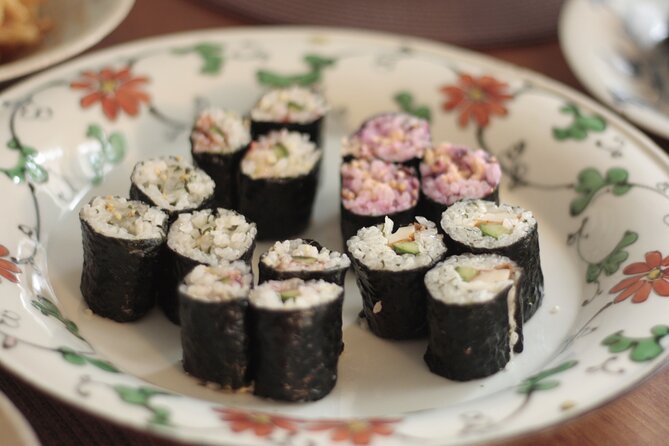
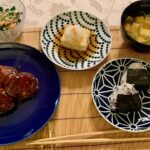
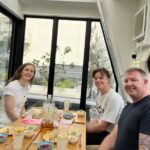
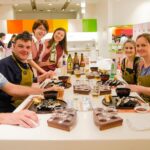
After cooking, you set the table in Japanese style and say Itadakimasu, then enjoy the meal.
This is simple, but it’s one of those cultural touches that makes the whole experience feel complete. You’re not rushing through eating. You’ve just worked with rice texture and frying heat; now you finally get to taste how your choices turned out.
And because you made both sushi rolls and tempura, your meal becomes a lesson in comparison. You can reflect on which roll combination you liked most, how the batter changed the tempura experience, and what you’d tweak next time you cook.
What You’ll Take Home: Recipes and Skills for Real-Life Cooking
A major value point here is that you leave with recipes. Recipes alone are helpful, but the class pairs them with technique.
So instead of owning a sheet of instructions you can’t follow, you have context:
- what sushi rice should be like
- how rolling works in practice
- how tempura choice affects the final bite
- why cutting matters for presentation
If you’re traveling and want a souvenir that isn’t another photo, this is a good bet. You can recreate something months later, when you finally miss Tokyo food.
Price and Value: Is $160 Worth It?
Let’s talk money plainly. At $160 per person for about 2 hours 30 minutes, you’re paying for:
- hands-on instruction in a small, intimate setting
- cooking at a home kitchen (not a high-traffic restaurant demo space)
- multiple dishes (three sushi rolls plus tempura)
- personalized support during rolling and frying
- recipes you can use at home
Compared to buying sushi and tempura in Tokyo, you’ll eat more than you would at a typical meal—but you also pay for the time, coaching, and learning. The question isn’t whether it’s cheaper. It isn’t. The question is whether you want to return home knowing how to make sushi rolls and tempura that actually work.
If you enjoy cooking, this is a strong value. If you don’t care about technique and you just want food, you may feel it’s overpriced for what you eat.
There are also group discounts, so if you’re traveling with someone who wants to learn too, the per-person value gets better.
Who This Cooking Class Fits Best (And Who Might Skip It)
This class is a good match if you:
- want a hands-on sushi-making and tempura lesson, not just tasting
- like learning basics like sushi rice, dashi, and nori usage
- want small-group attention while you cook and ask questions
- have dietary needs and want to see adaptations for sushi rolls and tempura
You might skip it if:
- you’re in Tokyo for a short stop and only want quick street food
- you’re not interested in technique and just want an easy meal
- you expect a restaurant-style show where everything is handled for you
Should You Book This Nakano Sushi Roll and Tempura Class?
I’d book it if your goal is to take home real skills. You’re learning the two signature Japanese comfort foods—sushi rolls and tempura—and you’re doing it in a small-group, home-style setting led by Eri. The combination of cooking time, personalized guidance, and recipes is what makes this class feel worth it.
If you’re the type who wants one memorable Tokyo activity beyond sightseeing, this one is practical. It also gives you a built-in way to remember the trip: you’ll be cooking again later, with your own hands remembering what to do.
FAQ
What is the duration of the sushi roll and tempura class in Nakano?
The class runs for about 2 hours 30 minutes.
What will I cook during the class?
You’ll make three types of sushi rolls and also prepare tempura with deep-fried seafood and vegetables.
Where does the class take place?
It is held in the host’s home in the Nakano area.
Who teaches the class?
The host and instructor is Eri.
Can the class accommodate vegetarian or dietary restrictions?
Yes. Adjustments can be made to accommodate vegetarian diets or other dietary restrictions for both sushi rolls and tempura.
Is it a small group or private experience?
It’s a private tour/activity, so only your group participates.
How do I find the meeting point?
You meet at NewDaysJapan, near JR Asagaya Station on the 2F outside the ticket gates on the concourse (Asagayakita, Suginami City).
Is a mobile ticket used?
Yes, the tour includes a mobile ticket.
What is the cancellation policy?
Free cancellation is available up to 24 hours in advance for a full refund. If you cancel within 24 hours, the amount paid is not refunded.
If you want, tell me your sushi and tempura preferences (and any dietary needs), and I’ll help you decide whether this class fits your style and what to focus on during the cooking.