REVIEW · LUCERNE
Private Swiss Cooking Class in Kriens with a Professional Chef
Book on Viator →Operated by Traveling Spoon · Bookable on Viator
A hands-on Swiss cooking class with Chef Marco turns Lucerne-area dining into something you actually do, not just watch. I love the private, restaurant-closed setup (so your group cooks and eats in peace) and the focus on Swiss staples like chnöpfli, local cheese, and dessert with pink peppercorn.
One practical consideration: the whole experience runs about 3 hours, so if you’re traveling with someone who wants quicker, lighter activities, you’ll want to plan accordingly.
In This Review
- Why this Kriens cooking class is a cut above
- Meeting in Kriens: setting the tone before you cook
- Chef Marco’s teaching kitchen: where Swiss technique becomes real
- The hands-on lesson: three dishes, one Swiss flavor story
- Starter: seasonal first course that tastes local
- Main: the Swiss classic chnöpfli, made with your group
- Dessert: Swiss chocolate cake with pink peppercorn
- What you actually eat: from kitchen to table
- Swiss ingredients you’ll remember (and what to look for next)
- How private feels in practice (and why it matters)
- Time planning: what 3 hours really means
- Dietary needs and substitutions: what you can expect
- Price and value: what you’re paying for at $203
- Who should book this class in the Lucerne area
- A quick note on weather and timing
- Should you book Chef Marco’s Swiss cooking class?
- FAQ
- How long is the Swiss cooking class in Kriens?
- Is the cooking class private?
- What dishes will I cook and eat?
- What food is included in the meal?
- Is alcohol included?
- Can they accommodate dietary restrictions?
- Do I need hotel pickup and drop-off?
Why this Kriens cooking class is a cut above

- Chef-led, private teaching kitchen: Marco runs the class in a kitchen designed for cooking instruction, not a random demo setup.
- Three dishes from scratch: you make a seasonal starter, a main with chnöpfli, and a Swiss chocolate cake for dessert.
- What you learn is food you’ll recognize: you connect Swiss cheese, chocolate, and local produce to how the dishes taste on the plate.
- You eat your work right away: after cooking, you sit down and share the meal you helped prepare.
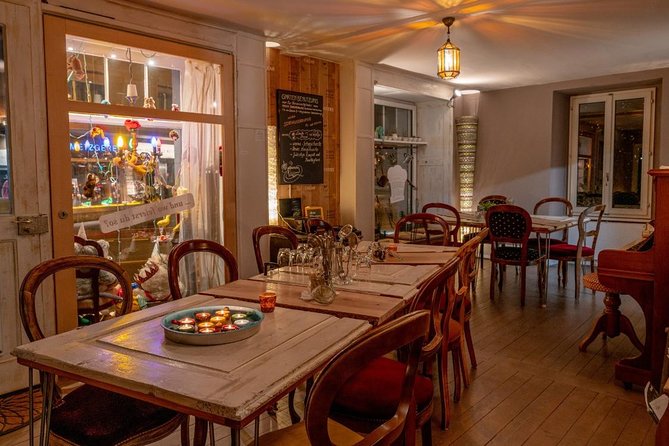
- A real sense of place: warm lighting, handmade tables, and quirky décor make it feel more like a cozy restaurant you’d want to return to than a tourist stop.
- Wine is part of the ritual: you get 1–2 glasses of local alcohol as you enjoy what you cooked.
Meeting in Kriens: setting the tone before you cook
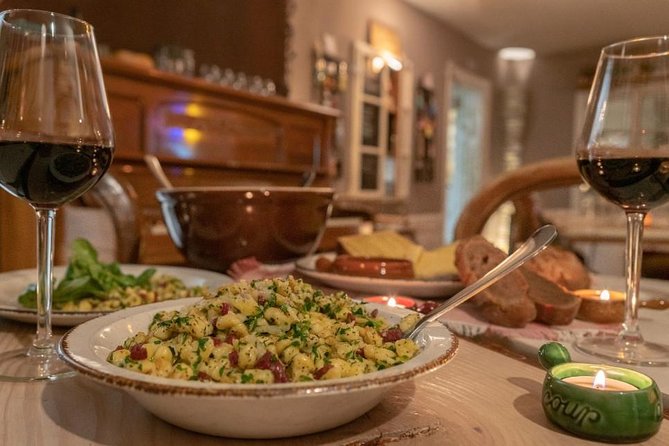
This experience starts in Kriens, just outside Lucerne, at Schnauserei, Luzernerstrasse 1 (6010 Kriens). The vibe here matters. You’re not whisked away on a bus to a “cooking theater.” Instead, you arrive at a real restaurant space where the cooking class and the meal share the same heart.
You’ll also be glad you don’t have to fight for timing with hotel pickup. Since the class isn’t tied to a pickup, you control the start—show up on time, get settled, and let the evening flow. It’s near public transportation too, which makes this easier to fit into a Lucerne itinerary without turning your day into logistics.
Chef Marco’s teaching kitchen: where Swiss technique becomes real
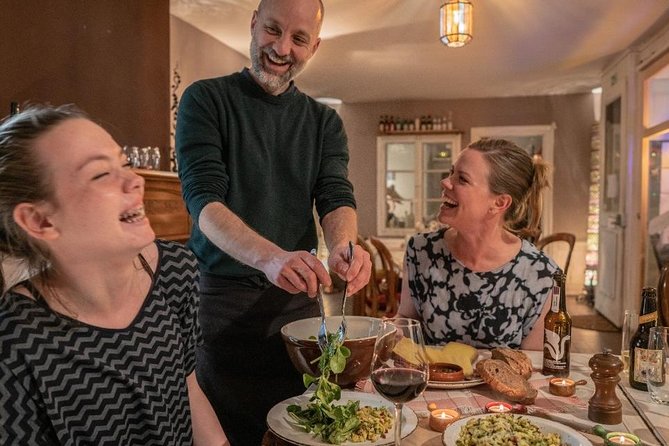
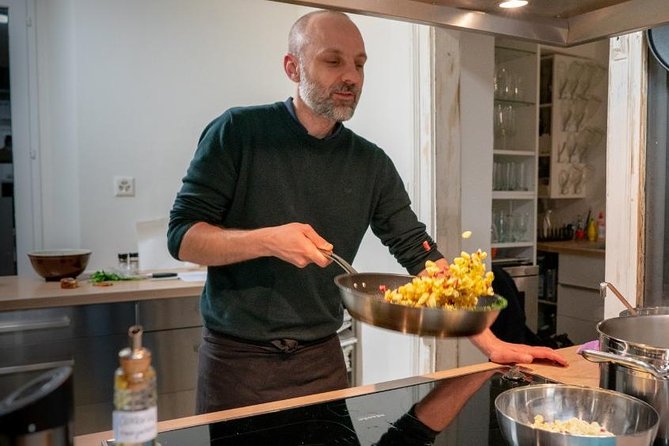
Once you’re in, you’re met as part of the cooking process, not as an observer. The restaurant is shut during your class, which is why it feels genuinely private. Your group cooks alongside the chefs in a professional kitchen designed for teaching.
From the way Marco guides people through the steps, what stands out is the pacing. He explains as you move. That means you’re not just following a list of actions—you’re understanding why the ingredients behave the way they do. You’ll hear context about Swiss cuisine through the actual work: prepping, cooking, seasoning, and building the dishes until they’re ready to eat.
And yes, there’s conversation. More than one person mentioned that it felt like hanging out with an expert who’s also easy to talk to. You’re learning ingredients and also the local culture that comes with them.
The hands-on lesson: three dishes, one Swiss flavor story
Your hands-on time is about two hours, and you’ll cook three dishes from scratch: a seasonal starter, a main, and dessert. The way the menu is structured matters because it traces Swiss food through contrasting textures and flavors—meats and cheese, a hearty “noodle” component, and then chocolate for the finish.
Starter: seasonal first course that tastes local
Your starter is seasonal. That’s a smart choice in a country where local produce and dairy do a lot of heavy lifting. Instead of making something generic, you’re working with ingredients that match the season, so the meal doesn’t feel like a fixed script.
You also get a practical education while cooking. Expect discussion around local produce and how Swiss cuisine uses what’s abundant and reliable. It’s the kind of learning that sticks because you tie it to what’s happening in the pan.
Main: the Swiss classic chnöpfli, made with your group
The main is built around chnöpfli, described as fresh noodles or dumplings. People often assume chnöpfli is just “Swiss comfort food,” but in this class you’ll learn the process, not only the final plate.
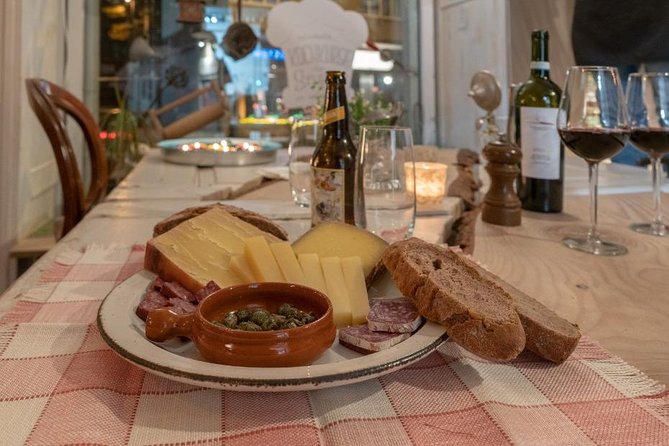
Alongside the chnöpfli element, the meal includes a platter of local meats and cheese and a salad. That combination matters because it shows you Swiss dining as a whole: rich, savory, dairy-forward flavors; then something crisp and clean to balance it.
You’ll be involved through the steps—so when you sit down later, you’re not guessing what’s inside. You made parts of it, handled the timing, and got a feel for the texture.
Dessert: Swiss chocolate cake with pink peppercorn
Dessert is Swiss chocolate cake with pink peppercorn, which is a fun detail to look for on your own later. Pink peppercorns add a specific kind of warmth and aroma—bright enough to keep chocolate from feeling heavy.
Because you’re cooking it in class, you’ll get a clearer sense of how Swiss desserts lean toward structure and balance, not just sweetness. And after all that savory food, chocolate dessert makes the whole meal feel complete in a way that a snack stop never does.
What you actually eat: from kitchen to table
After the cooking portion, you eat what you made with Marco. That’s the key value here: your meal isn’t separate from your lesson. It’s not “watch while someone else cooks, then eat.” It’s “cook, then sit down and share.”
The dining setup is another highlight. The restaurant ambiance gets described as warm, with handmade dining tables and quirky décor. More than one person pointed out the outside patio as beautiful too, which matters if the weather cooperates. Switzerland outside the main city areas can be gorgeous, and having a meal in a space like this helps you slow down instead of rushing through dinner.
As you dine, you’ll also get the local alcohol included with the meal—reported as 1–2 glasses. It’s not the only star on the plate, but it helps the experience feel like a real evening out rather than a quick activity.
Swiss ingredients you’ll remember (and what to look for next)
If you want to understand Swiss food beyond fondue and clichés, this is a good place to start. You’ll learn about Swiss cheese and Swiss chocolate during the class because the menu is built around those ingredients.
Here’s what that means for you after the experience:
- You’ll know what chnöpfli is and why it tastes the way it does, because you cooked the steps.
- You’ll be able to recognize local cheeses on menus later, since you’re connecting them to the platter and to what you see in the kitchen.
- You’ll taste chocolate in a Swiss style that uses flavor pairing (like pink peppercorn) rather than just sweetness.
And if you like the idea of bringing something home, one review mentioned the ability to bring home a recipe and skills from the trip. Even if you only remember a few key techniques, you’ll have a clearer picture of what you’re ordering when you’re back in Switzerland.
How private feels in practice (and why it matters)
This is billed and run as private. Only your group participates, and the restaurant closes during your class. That changes everything:
- You can ask questions in real time instead of waiting for a group schedule.
- Marco can adjust the pace if someone in your group needs extra time.
- You don’t feel like you’re competing for attention with strangers who are just there for the check-the-box photo.
Reviews repeatedly mention a relaxed atmosphere and comfort in the kitchen. That’s the kind of “comfort” that makes learning easier. When you’re not rushed, you pay attention—and the food tastes better because you understand it.
Time planning: what 3 hours really means
The duration is about 3 hours total, roughly split into cooking time plus dining. It’s enough time to do real work and still sit down for the meal without feeling like you’re eating in a hurry.
The possible drawback is simple: 3 hours is still 3 hours. If you’re planning this with a teenager, someone with limited attention span, or anyone who struggles with longer structured activities, this may feel like your least favorite part of a day—even if the food is excellent.
If you’re an adult couple, a small group of friends, or a family where everyone enjoys hands-on activities, the pacing is usually just right.
Dietary needs and substitutions: what you can expect
You’re asked to share allergies, dietary restrictions, and preferences at booking. The experience also states that vegetarian and lactose-free meals are available if you request them in advance.
That’s important. Cooking classes can be hard for people with restrictions when substitution is left to chance. Here, the expectation is you communicate your needs early, so the kitchen can plan the right version of the menu.
Price and value: what you’re paying for at $203
At $203, you’re paying for more than a cooking activity. You’re paying for a private, professional-led kitchen lesson plus a full meal you eat afterward, including local alcohol, taxes, fees, and gratuities.
That bundle is where the value comes from:
- You get instruction from Marco and another pastry chef involved in the process.
- You don’t just taste a sample; you eat a platter, salad, chnöpfli as the main, and dessert.
- Alcohol is included (reported as 1–2 glasses).
- The setting is private, with the restaurant shut during your class.
If you compare the total cost to paying separately for dinner plus a guided culinary workshop in a big city, this starts to look more reasonable. If you’re traveling as a group, group discounts can improve the value even more. The trade-off is simple: you’ll need to handle your own getting there since hotel pickup and drop-off aren’t included.
Who should book this class in the Lucerne area
This cooking class fits best if you want:
- an authentic Swiss-food experience that’s practical, not performative
- to cook and then eat immediately in the same cozy space
- a local chef host who explains ingredients as you work
- a relaxed evening with food and conversation, not a rushed “tourist meal”
It’s a great match for food lovers who like to learn by doing. It also works well for visitors who are staying in Lucerne and want a short jump to Kriens for something more intimate than the main tourist circuit.
A quick note on weather and timing
The experience requires good weather and can be rescheduled or refunded if it’s canceled due to poor weather. Since you may have an outdoor patio option, this is one of those activities where planning around the forecast helps.
Should you book Chef Marco’s Swiss cooking class?
Yes, I’d book it if you want an actual Swiss meal you can connect to technique, ingredients, and local flavor—not just a nice dinner with a short explanation. The private setup, the hands-on cooking of three dishes, and the chance to eat what you make are the big reasons it’s worth your time.
Skip it only if 3 hours of structured cooking isn’t your style, or if your schedule is so tight you can’t comfortably get to Kriens on your own. Otherwise, this is one of those experiences that makes Switzerland feel specific, edible, and personal.
FAQ
How long is the Swiss cooking class in Kriens?
The experience runs about 3 hours (approximately), including both the hands-on cooking lesson and the meal afterward.
Is the cooking class private?
Yes. It’s a private experience for your group only, and the restaurant is shut during the class.
What dishes will I cook and eat?
You’ll cook three dishes from scratch: a seasonal starter, a main featuring chnöpfli, and a dessert of Swiss chocolate cake with pink peppercorn.
What food is included in the meal?
After cooking, the meal includes a platter of local meats and cheese, salad, chnöpfli for the main, and Swiss chocolate cake with pink peppercorn for dessert.
Is alcohol included?
Yes. The experience includes local alcohol, described as 1–2 glasses, served with your meal.
Can they accommodate dietary restrictions?
You can advise allergies, dietary restrictions, and preferences at booking. Vegetarian and lactose-free meals are available if you request them in advance.
Do I need hotel pickup and drop-off?
No. Hotel pickup and drop-off are not included, and the experience starts at Schnauserei, Luzernerstrasse 1, 6010 Kriens.