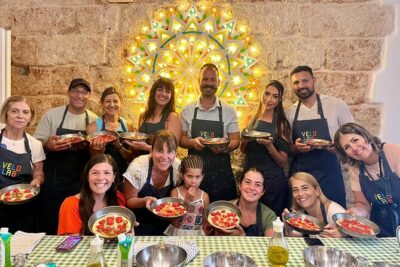
Pasta by the Adriatic sounds unreal. Between Francavilla al Mare and Ortona, Luca and Mamma Carla host a cooking class in their family home a few steps from the sea, while Nonna Adriana shares stories and Luca translates.
I especially like two things: the hands-on pasta making (fresh, hand-shaped, and really learnable) and the relaxed, family-style meal that turns cooking into conversation over local cured meats, cheeses, and vino.
One possible drawback: the food setup can be indoor or in the garden, and the beach moment depends on weather and sea conditions, so the plan is a little weather-aware.
In This Review
- Key highlights I’d plan around
- Why Abruzzo Pasta Feels Like Real Italian Life
- Meet Luca, Mamma Carla, and Nonna Adriana
- Your Hands-On Pasta Session: Dough to Shapes
- The 3-Course Meal: Seasonal Main, Simple Dessert
- The Beach Factor: Sunset Photos and Optional Aperitivo
- What You’re Really Paying For (and Why It’s Fair)
- Best For: Who Will Love This Most
- A Few Smart Tips Before You Go
- Should You Book This Seaside Cooking Class?
- FAQ
- How long is the Seaside Pasta & Cooking Class?
- Do they offer lunch and/or dinner?
- Is the class taught in English?
- How many people are in each group?
- What’s included in the price?
- What’s not included?
- Can they accommodate allergies or preferences?
- Do they always eat by the beach?
- Is there free cancellation?
Key highlights I’d plan around
- Steps from the Adriatic: sunset photos on the beach are part of the experience when conditions allow
- Small group size (max 8): more attention, less waiting, and a calmer pace
- Three generations in the room: Luca translates Nonna Adriana’s stories as you cook
- Learn a real seasonal recipe: you’ll make pasta plus a local main (or sauce) and a traditional dessert
- Take-home tools: printed recipes and a Mangia e Mare Abruzzo apron
Why Abruzzo Pasta Feels Like Real Italian Life
This isn’t the kind of class where you sit on the sidelines and hope someone explains what’s happening. It’s the opposite. You get flour on your hands, you shape pasta by feel, and you eat what you make at a table that belongs to a family home.
Abruzzo helps the mood. You’re in the region’s coastal zone between Francavilla al Mare and Ortona, and the Adriatic sea is close enough that you can feel the place. Even if you come from Rome, it works as a day-trip add-on to a bigger trip because Abruzzo also has lakes, mountains, and national parks—so you can mix beach time with nature time without changing cities.
And yes, you’ll still get the structure of a class: pasta, sauce or main, dessert. But the tone is casual and human, not formal. That’s usually what separates a tourist activity from something you actually remember.
Meet Luca, Mamma Carla, and Nonna Adriana
The best part is the cast. Luca is the host you’ll rely on most for English, especially when Nonna Adriana starts telling stories in Italian. Watching the translation happen in real time makes the whole meal feel like a living tradition, not a scripted show.
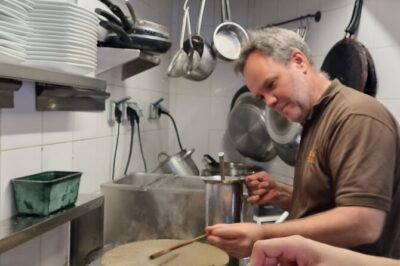
Mamma Carla is the cook behind the scenes and the person you’ll most likely watch closely as the kitchen moves fast. If dishes need longer cooking, she prepares an ahead-of-time version so you can still taste everything as part of the class. That small detail matters because it protects your pacing. You still get to participate without the experience turning into a long wait.
Teresa also shows up in the welcome for some groups, and English support is repeatedly described as smooth. That’s reassuring if your Italian is still in progress. Cooking is hands-first anyway, but language support helps when you’re asking about technique or what to look for.
Finally, there’s a 96-year-old perspective in the room. Nonna Adriana’s stories aren’t a bonus extra. They’re part of why the meal feels like an invitation to a home, not a transaction.
Your Hands-On Pasta Session: Dough to Shapes
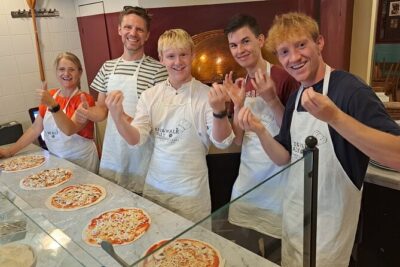
This is a pasta class built around what you can actually replicate later. You’ll learn to make fresh hand-shaped pasta, not just assemble something from a packet or watch dough move around a kitchen like magic.
The practical advantage of hand-shaped pasta is feedback. As you work, you notice how dough behaves: whether it’s too dry, whether it stretches too easily, and how the shape changes the feel of cooking. That’s the kind of learning you can carry home, because it’s based on touch and observation.
As you make pasta, you also learn the rhythm of Italian home cooking: do the next step while the previous one rests. If something needs time, the kitchen doesn’t stall your experience. Instead, Mamma Carla handles the longer parts so you can stay in the process and still get the full course meal.
Because the menu is seasonal, the class menu changes over time. That’s not a downside. It means you’re tasting what fits the season locally, and you’re learning a recipe approach rather than one fixed dish no matter the month.
The 3-Course Meal: Seasonal Main, Simple Dessert
After pasta work, the meal becomes the payoff. You start with local cured meats and cheeses, and you’ll have a glass of vino along with soft drinks. This is a smart setup: it keeps your energy up while the rest of the meal finishes, and it also gives you time to chat with Luca and the family before you sit down for the courses.
Then comes the main course portion. You’ll make a sauce or main dish using a seasonal local recipe guided by Mamma Carla. This is one of the best value parts of the experience because sauces are where most home cooks feel stuck. Instead of guessing, you get to see how it’s built and how it’s flavored in a real kitchen.
Dessert is traditional and kept simple. That matters too. In a short class, you don’t want a complicated production. Simple dessert usually means you get the key technique and the flavor logic without turning the evening into a second meal of work.
The meal is served family-style in a relaxed way, with the tasting centered on what’s been made right there. It’s also where Nonna Adriana’s stories land best. You’re not rushing through facts; you’re eating while the culture comes through.
The Beach Factor: Sunset Photos and Optional Aperitivo
This class has a built-in coastline advantage. The home is just a few steps from the Adriatic, so the beach isn’t a distant attraction. It’s part of the plan.
If weather and sea conditions cooperate, you’ll get indoor or garden dining, plus sunset photos on the beach. That’s the moment that makes the entire afternoon feel like something you couldn’t schedule in a city kitchen.
There’s also an optional beach aperitivo. The experience info says to ask about details, so you’ll need to coordinate with the provider when you confirm. I’d treat it as a bonus, not a guarantee, because the base experience already works with indoor or garden dining.
Practical note: if you’re the type who schedules every minute outdoors, plan for Plan B. The class acknowledges that beach add-ons depend on conditions, and that’s exactly what you want from a host who’s paying attention to reality.
What You’re Really Paying For (and Why It’s Fair)
The price is $162 per person for about 3 hours. On paper, that’s not cheap. But the value stack is strong, especially if you compare it to food experiences that cost a lot but teach little.
Here’s what’s included: alcoholic beverages, meals, snacks, and lunch (the listing specifically notes lunch). That means you’re not adding separate restaurant costs on top. You’re also taking home printed recipes, plus a Mangia e Mare Abruzzo apron—small items, but they help you remember and reproduce.
The small group cap of 8 people is another big part of value. More space and attention usually means less confusion during pasta shaping, and you’re more likely to get your questions answered without feeling rushed.
Also, this is not just about eating. The class includes instruction in fresh hand-shaped pasta, a seasonal local sauce or main, and dessert. If you care about learning, not just consuming, that education is the real centerpiece.
The only missing piece is private transportation. If you’re staying near Pescara or can arrange a short local transfer, the “no transport included” cost is manageable. If you’re far out, you’ll want to plan your way in so the experience stays a simple, enjoyable block of time.
Best For: Who Will Love This Most
You’ll probably enjoy this most if you like small, home-style experiences with real people at the center. It suits you if you want to:
- learn hand-shaped pasta techniques you can repeat
- eat a full meal with local wine and traditional flavors
- spend time with a host family where stories and cooking are connected
- get English support while you cook, not after you’re done
It’s also a great pick if you’re traveling with someone who wants “one special thing” that isn’t just sightseeing photos. Pasta by the sea gives you both: food skills and a setting you can’t fake.
If you’re only interested in a quick, hands-off taste, this might feel like you’re doing too much. But most people who come looking for authenticity end up loving the hands-on pace.
A Few Smart Tips Before You Go
You’re learning pasta, so focus on the basics and the feel. Keep your hands relaxed. Dough forgives you a little when you’re not forcing it. If your shape looks different from Luca’s, that’s normal—what you want is understanding what makes pasta work.
If you have allergies or preferences, the experience notes they can accommodate with notice. That’s the time to communicate clearly. The kitchen already plans around timing, including cases where a longer dish needs preparation ahead, so clear communication helps everything run smoothly.
Bring an appetite for wine and conversation. You’ll have local cured meats and cheeses at the start, and you’ll be sitting for a relaxed family-style meal. This is not a “grab and run” experience.
Finally, keep your expectations flexible about the beach. If you arrive and it’s not ideal for beach setup, you’ll still get the cooking class and the meal. Think of the beach sunset photos as a bonus when nature allows.
Should You Book This Seaside Cooking Class?
Book it if you want a real Abruzzo experience that mixes cooking skills with family hospitality, and you’re excited to make pasta from scratch. The combo of Luca translating, Mamma Carla running the kitchen, and Nonna Adriana sharing stories creates a warmth that you just don’t get with larger, more formal classes.
Skip it only if you’re looking for a guaranteed beach outdoor event regardless of conditions, or if you need private transportation built in. Otherwise, this is a strong value choice: you pay for instruction, a full meal, and take-home recipes, all in a small group right by the Adriatic.
If your trip plan includes Rome and you want one day that feels genuinely different from city sightseeing, this is the kind of experience that turns a trip into a memory.
FAQ
How long is the Seaside Pasta & Cooking Class?
It’s about 3 hours.
Do they offer lunch and/or dinner?
Yes, the experience is described as offering lunch or dinner.
Is the class taught in English?
Yes. The tour is offered in English.
How many people are in each group?
The maximum group size is 8 travelers.
What’s included in the price?
Alcoholic beverages, meals, snacks, and lunch are included.
What’s not included?
Private transportation is not included.
Can they accommodate allergies or preferences?
Seasonal menu selection can accommodate allergies/preferences with notice.
Do they always eat by the beach?
Dining can be indoor or in the garden, and the beach add-on depends on weather and sea conditions.
Is there free cancellation?
Yes, you can cancel for a full refund up to 24 hours in advance of the experience start time.