REVIEW · SINGAPORE
Peranakan Cooking Class in Singapore, near Lavender MRT Station
Book on Viator →Operated by Traveling Spoon · Bookable on Viator
Your lunch starts with a cutting board. This hands-on Peranakan cooking class turns Malay-Chinese Nyonya food into something you actually make in a private cooking studio tucked inside a bicycle tour shop near Lavender MRT. I like that the host work isn’t just show-and-tell; you learn real techniques, and Chef Colin (when available) shares the cultural story behind what’s on your plate.
One heads-up: the experience depends on who’s hosting and what’s in season, so the menu can shift. The biggest variable is menu varies and Colin availability, which means if there’s a specific dish you care about, you’ll want to request it in advance.
In This Review
- Key Points You’ll Care About
- Entering The Bicycle Shop Studio Off Crawford Lane
- Price and What This $128 Buys You
- The Flow: 1.5 Hours Cooking, Then a Lunch You Made
- Peranakan Dishes You Might Cook (and How to Get Your Favorites)
- Hands-On Details That Make the Class Worth It
- Colin Hosting Days vs. Colleague Hosting Days (What Changes)
- Eating Together: Why Lunch Here Feels Different
- Dietary Needs: Vegetarian and Gluten-Free Without Making It Complicated
- Who Should Book This Peranakan Class
- Practical Tips to Get the Best Experience
- Should You Book This Peranakan Cooking Class?
- FAQ
- Where is the class meeting point?
- What time does the cooking class start?
- How long is the cooking class?
- Is this class private or shared with other people?
- Can I request specific dishes or dietary options?
- Who hosts the class, and does it ever change?
- Is hotel pickup included?
- What happens if I need to cancel?
Key Points You’ll Care About
- Private class, just your group with a local chef-host in a dedicated studio space
- 2–3 Peranakan dishes in about 1.5 hours of hands-on cooking, then you eat together for lunch
- Seasonal menu with flexibility for requests, including vegetarian and gluten-free options on request
- Cultural context from the host, not just recipes and chopping
- Studio is inside a bicycle tour shop near Crawford Lane, so expect to pass through bicycles first
Entering The Bicycle Shop Studio Off Crawford Lane
This starts on Crawford Lane, right around the Lavender MRT area, at 10:00 am. When you arrive, you’ll be walking through the bicycle shop area before heading into the cooking studio. That odd little transition is kind of part of the charm: one minute you’re surrounded by bikes, the next you’re in a well-lit, organized space built for cooking.
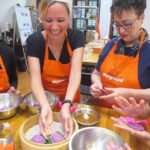
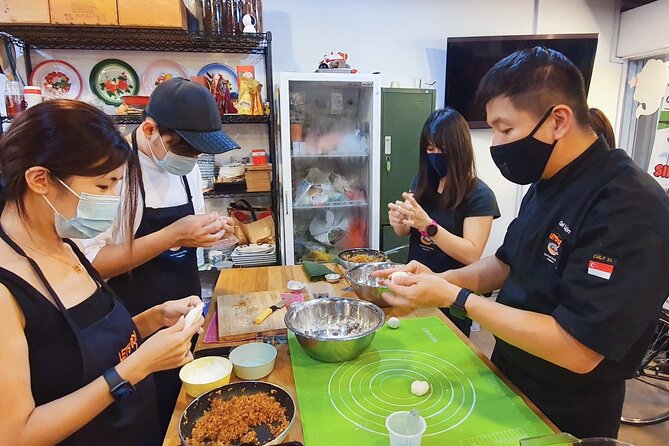
Inside, the studio feels intentionally set up for learning. You’ll notice pastel pots and a mural, and the room is designed so you can work without feeling crowded. I like this because it keeps the class practical—less chaos, more cooking.
Also, the time matters. It runs about 3 hours total, and you’ll spend about half that doing the hands-on cooking. Arrive a few minutes early if you can, so you’re not rushing through the shop part.
You can also read our reviews of more tours and experiences in Singapore.


Price and What This $128 Buys You
At $128 per person for a class that runs about 3 hours, you’re paying for more than recipes. You’re paying for private instruction from a local expert, a dedicated studio space, and the ingredients needed to turn out a proper lunch. You’re also getting gratuities included, which is one less thing to handle in Singapore.
No hotel pickup or drop-off is included, so you’ll want to plan your own way to Crawford Lane. That’s not a deal-breaker, but it does change the kind of traveler who benefits most: if you’re already moving around the city on your own, this fits nicely.
The other price-related detail that helps you decide: this is commonly booked about 39 days ahead on average. That doesn’t mean you can’t find a spot later, but it does suggest the schedule fills, especially for dates when Colin is available.
The Flow: 1.5 Hours Cooking, Then a Lunch You Made
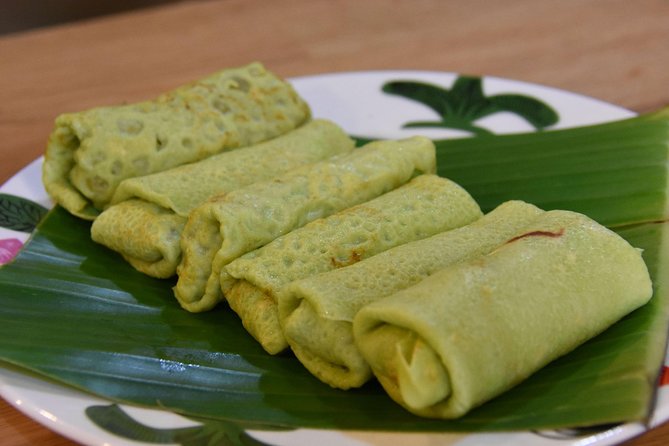
The class is built around active participation. The host demonstrates key steps first, then you get to try everything. You’re not stuck watching while someone else does all the work, which is exactly what you want if your goal is to learn how Peranakan cooking actually plays out in a kitchen.
After the cooking portion, you sit down to eat the dishes you prepared. This is one of the strongest value points of the experience: you’re not just learning; you’re eating the results right away with your host. If you’ve ever taken a food class where you leave with a lesson and no real meal, this one is the opposite.
Depending on the menu for your day, you may cook dishes such as:
- Hainanese chicken rice
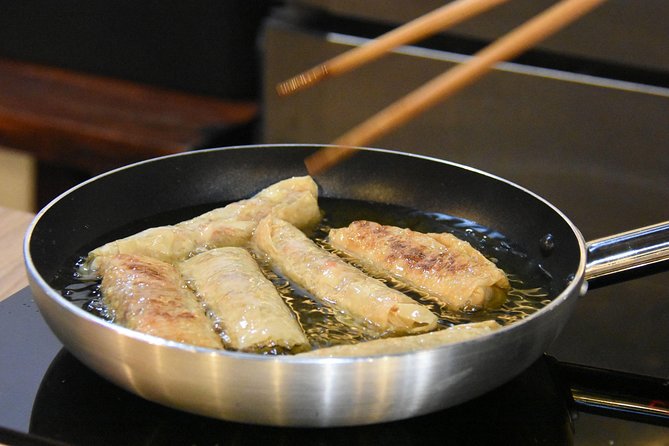
- ngoh hiang (minced meat and vegetables wrapped in bean curd)
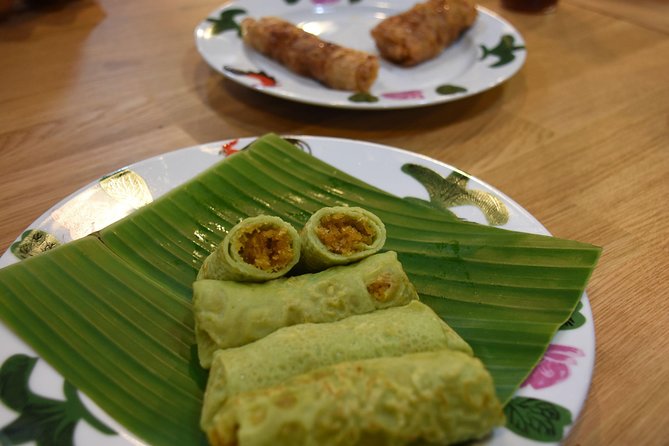
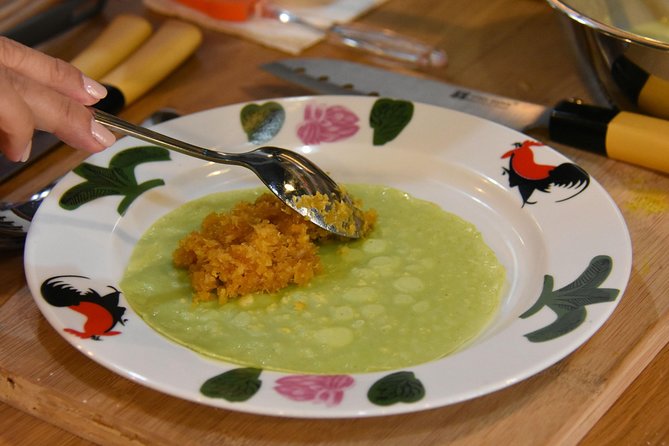
- Nyonya kueh dadar (a pandan crepe with freshly grated coconut)
Even if you’ve cooked before, it’s the technique and timing that matter. Stuffing, wrapping, and getting flavors to land the way Peranakan cooks expect are the skills you’re paying for.
Peranakan Dishes You Might Cook (and How to Get Your Favorites)
Peranakan cooking is Malay-Chinese fusion, often associated with Nyonya food. What that means on your cutting board is that you’ll be working with flavor combinations that don’t fit neatly into just one tradition. You’ll see it in the balance of aromatic ingredients, rich sauces, and the way dishes are built.
Your exact menu is seasonal, so it may include options like:
- ngoh hiang: minced meat and vegetables wrapped in bean curd
- Nyonya kueh dadar: pandan-flavored crepe with freshly grated coconut
- Hokkien noodles
- Nyonya laksa
You might also get a dish that’s not on the sample list, since seasonal ingredients can change what’s best to teach and cook during your session. That flexibility can be a plus if you’re curious, but it’s a risk if you have a single must-have dish.
Here’s the practical move: if you’re keen to make Nyonya laksa, put that request in the booking form. The class notes that without a specific request, the host will choose the menu based on what’s available seasonally. This is also where your host availability matters, since Colin isn’t always the person conducting the class.
Vegetarian and gluten-free options are available on request. That means you can usually plan around dietary needs, but you should still flag them while booking so the host has time to adjust the menu.
Hands-On Details That Make the Class Worth It
The style of instruction is part of why this class tends to feel satisfying. You’ll see some steps demonstrated, then you’ll do the chopping, mixing, shaping, and cooking yourself. That hands-on rhythm matters more than it sounds, because Peranakan recipes often rely on texture and balance.
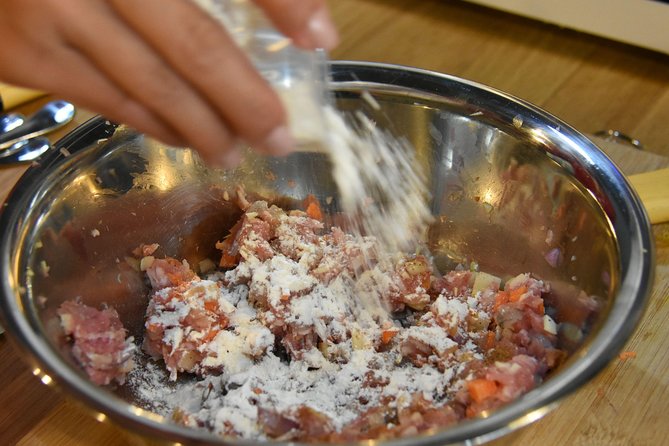
For example, with dishes like ngoh hiang, the wrapping and filling are not just “assemble and go.” It’s about getting the bean curd wrapper right, making sure the filling is seasoned, and cooking until the outside is in the right state. With kueh dadar, the pandan crepe and the coconut component both need timing, or you’ll end up with a dish that tastes good but doesn’t come out the way it should.
A good sign to look for is how the host responds to questions during the process. The class approach is practical: you learn tips while you’re working, not after the meal is over. If you’re the type who likes to understand why something works, this format tends to click.

Colin Hosting Days vs. Colleague Hosting Days (What Changes)
Colin hosts the experience on the days he’s available. When he isn’t, his colleague will run the lesson. The info you have here also gives you a named possibility: Denise is listed as a colleague who may host when Colin is not available.
So what changes? Two things:
1) Your host’s menu selection and teaching flow may differ, especially since the menu is seasonal.
2) Your chance to cook a specific dish you requested may depend on what’s on hand.
This doesn’t mean the class is worse on those days. It means you should treat your booking like a customized request. If you’re hoping to learn a very specific dish or cook with Colin specifically, plan to add those details clearly while booking.
Eating Together: Why Lunch Here Feels Different
Most cooking classes stop at the cooking. This one includes a shared meal, and it’s served after you finish cooking. That matters because it gives you a chance to ask questions while the flavors are fresh—like how to adjust a seasoning next time, or what to watch for in the next batch.
Also, eating what you made helps you actually remember the lesson. When you taste the dish, you can connect the technique you did earlier with the result. That link is often what separates a fun activity from real learning.
And because you’re eating together with the host, you’re not just checking off a food item. You’re likely to hear explanations about why dishes became part of Singapore’s story—how Peranakan culture shaped the cuisine and the food traditions people share.
Dietary Needs: Vegetarian and Gluten-Free Without Making It Complicated
One of the most helpful details is that vegetarian and gluten-free options are available on request. That’s a big deal in a class where the menu can shift seasonally, because it shows they can work with constraints rather than simply swapping your meal for something unrelated.
If you have gluten-free needs, it’s worth being explicit when you book so the host can choose dishes and ingredients accordingly. If you’re vegetarian, say so early enough to allow the host to build a menu that still hits the Peranakan flavor style.
Who Should Book This Peranakan Class
This works especially well if you:
- want a hands-on cooking lesson rather than a demo
- like learning the cultural story behind what you cook
- enjoy eating the same day you make it
- want a private setup with a chef-host in a dedicated studio space
It’s also a strong choice for couples or small groups because it’s private and only your group participates. If you’re traveling solo, you’ll still get the focused attention that a private class usually gives, which can make the experience feel easier than group classes.
If you’re the kind of person who needs exact certainty—like you must cook one specific dish no matter what—then this is only a good fit if you plan your request carefully in the booking form.
Practical Tips to Get the Best Experience
A few small things can protect you from disappointment:
- If there’s a specific dish you care about (like Nyonya laksa), request it while booking. The menu is seasonal, and the host will choose otherwise.
- Plan to get yourself to Crawford Lane near Lavender MRT since hotel pickup isn’t included.
- Expect a private studio inside a bicycle shop, not a standalone restaurant kitchen. It’s part of the experience, but it helps to know what you’re walking into.
- If you have dietary restrictions, flag vegetarian or gluten-free needs during booking so the menu can be adjusted.
Also, check the name of your host when you confirm (Colin or a colleague). If your goal includes learning with Colin specifically, that’s the best way to align your expectations with reality.
Should You Book This Peranakan Cooking Class?
I’d book it if you want a hands-on way to understand Peranakan cooking, and you like the idea of making a real lunch in a private studio. The format—demonstrate first, then you do the work—makes it practical, and the included meal turns learning into something you remember.
I’d think twice only if you’re locked to a single dish and you don’t want any chance of the menu changing with the season. In that case, your booking strategy matters: put your dish request in the booking form and note any preferences clearly.
If you’re flexible and you show up ready to cook, you’ll likely leave with both skills and a fuller sense of how Singapore’s Malay-Chinese fusion culture became everyday food.
FAQ
Where is the class meeting point?
You’ll meet at Crawford Lane (Crawford Ln, Singapore). The activity ends back at the same meeting point.
What time does the cooking class start?
The start time is 10:00 am.
How long is the cooking class?
The total duration is about 3 hours, with the hands-on cooking portion lasting about 1.5 hours.
Is this class private or shared with other people?
It’s private. Only your group participates.
Can I request specific dishes or dietary options?
Yes. The menu is seasonal, but you can request specific dishes in the booking form. Vegetarian and gluten-free options are available on request.
Who hosts the class, and does it ever change?
Colin hosts when available. On days when Colin is not available, his colleagues will host the lesson (Denise is named as one of the colleagues).
Is hotel pickup included?
No. Hotel pickup and drop-off are not included.
What happens if I need to cancel?
This experience is non-refundable and cannot be changed for any reason.