REVIEW · LJUBLJANA
Slovenia: Belokranjska Pogača Cooking Class
Book on GetYourGuide →Operated by Polak Tomaž · Bookable on GetYourGuide
Belokranjska pogača is bread with a story. In this hands-on 2-hour class in Central Slovenia, you learn the dough work for one of Slovenia’s most well-known breads, with Belokranjska pogača culture explained as you go. I especially like that you’re not standing around watching, you’re working the dough yourself.
I also like how Luka’s teaching connects the steps to everyday Slovenian life, so the process feels meaningful, not just technical. One drawback to consider: the session is tightly timed, so if you want long, slow oven-side conversation, you may feel a bit on the clock.
In This Review
- Key highlights you’ll care about
- Why Belokranjska pogača makes a great class in Central Slovenia
- What actually happens during the 2-hour session
- Meet Luka: the kind of host who makes this class work
- Ingredients, shaping, and baking skills you can reuse later
- Tasting, drinks, and what to notice when your pogača comes out
- Price, group size, and value for your time
- Getting to the meeting point (and making parking painless)
- Who this class suits best (and who should think twice)
- Should you book Belokranjska pogača Cooking Class?
- FAQ
- How long is the cooking class?
- How much does the Belokranjska pogača cooking class cost?
- What is Belokranjska pogača?
- What will I do during the class?
- Is the class taught in English?
- How big is the group?
- Where is the meeting point?
- Is there parking nearby?
- Is the class wheelchair accessible?
- What’s included in the price?
- Is there a cancellation refund?
Key highlights you’ll care about
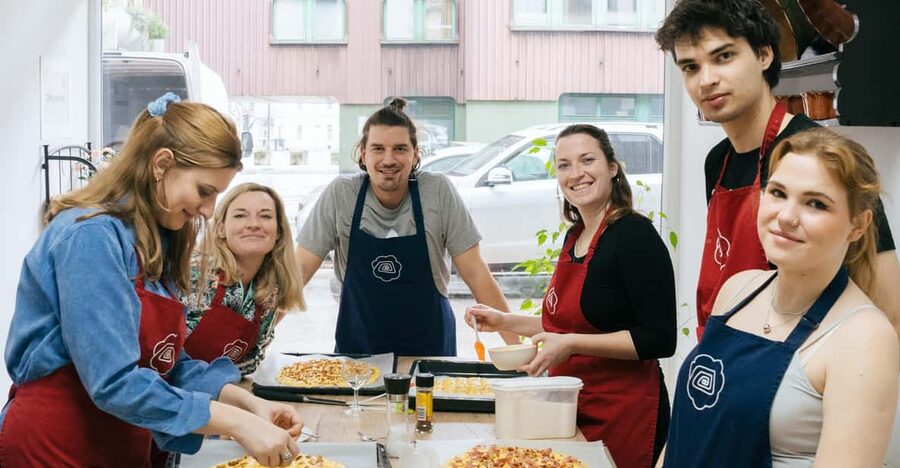
- You make the bread yourself: knead, roll, and shape your own Belokranjska pogača.
- The host teaches step-by-step in English: you get clear instructions while you work.
- Bela Krajina context during the lesson: the class ties the bread to its regional roots and meaning.
- Small group limits to 10: it feels personal, not like a big workshop line.
- You taste what you bake: the finished bread is the payoff, warm from the oven.
- Drinks may be included: some sessions feature Slovenian wine alongside the tasting.
Why Belokranjska pogača makes a great class in Central Slovenia
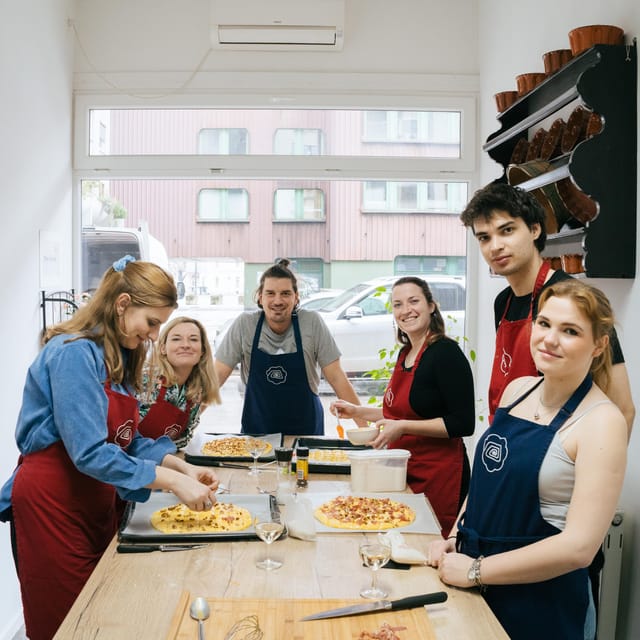
If you like food experiences that teach more than just a recipe, this one makes sense fast. Belokranjska pogača isn’t bread you eat once and forget; it’s a regional specialty from Bela Krajina with deep local roots, the kind of food people talk about with pride. You’ll learn the technique in a real kitchen setting, not in some showroom.
I’m also a fan of classes where the culture shows up during the work. Here, you get an introduction to the bread’s history and cultural significance while you’re kneading, shaping, and waiting for the dough to rise. That timing matters. It turns facts into something you can remember, because you’re physically doing the same steps people have done for generations.
You can also read our reviews of more tours and experiences in Ljubljana.
What actually happens during the 2-hour session
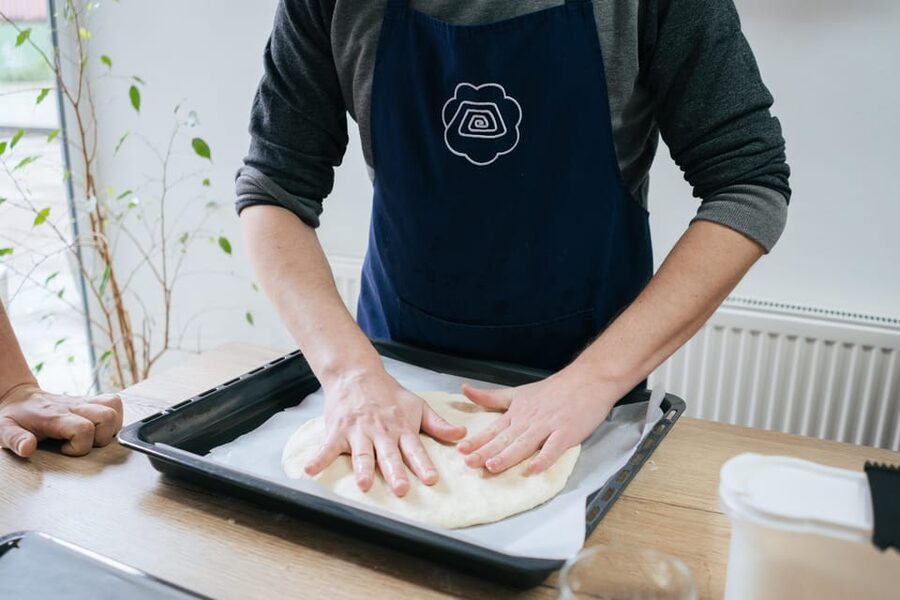
The class runs about 2 hours, which is long enough to feel accomplished but short enough to fit easily into a day in central Slovenia.
Here’s the flow you can expect:
First, you start with a welcome and intro to Belokranjska pogača—what it is, where it comes from in Bela Krajina, and why it matters to the local community. This is also when you’ll hear how the instructor wants you to work: what to watch for in the dough, how to handle it, and what “good” looks like before it goes into the oven.
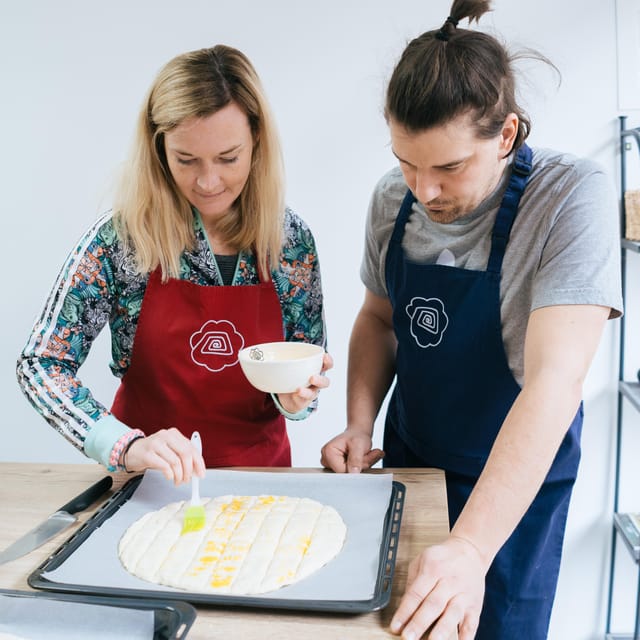
Next comes the practical part: you’ll knead, roll, and shape the dough. This is where the class earns its value. The steps are taught clearly enough that you can keep up, even if you don’t bake at home. You get enough guidance to avoid the most common dough mistakes, like rushing the texture or applying the wrong pressure while shaping.
After shaping, you’ll wait while the bread bakes. That oven time is part of the experience, not empty time. In the best moments, you’re chatting, learning more about Slovenia, and feeling the anticipation build. One recent session also included Slovenian wine while the bread baked, which makes the waiting feel like a proper pause rather than downtime.
Finally, you taste your own Belokranjska pogača. You’ll get to compare what your dough became with what you learned during shaping—texture, crust, and flavor. Warm bread always tastes better, but the bigger win is knowing you created it.
Meet Luka: the kind of host who makes this class work
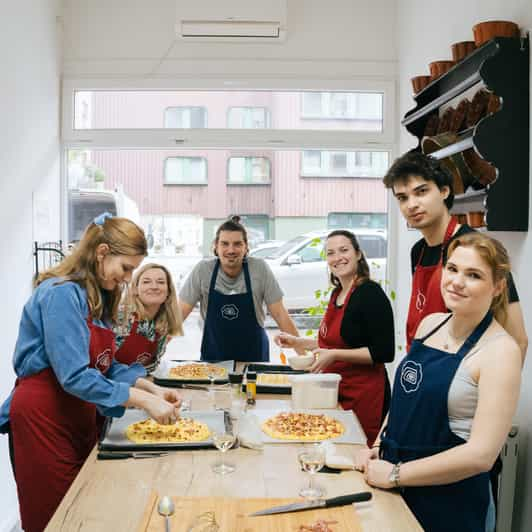
The biggest reason this class lands well is the teaching style. The host, Luka, comes across as warm and welcoming, and the instruction is clear enough that you feel confident during hands-on steps.
In particular, I like that the guidance is practical. When yeast is proving and dough is rising, it helps to know what you should expect and what signs mean things are going well. That’s the moment where a good teacher makes the difference between a fun failure and a satisfying result.
Language support is solid too. The class includes English and Slovenian, and the English used in recent sessions has been described as excellent. That means you can ask questions without simplifying your curiosity, whether you’re curious about the bread or the broader Slovenian way of life.
Also, the class has shown it can handle different ages. One parent booked it as a birthday surprise and said the host knew how to work with children and teenagers, which suggests the pace and explanations are flexible.
Ingredients, shaping, and baking skills you can reuse later
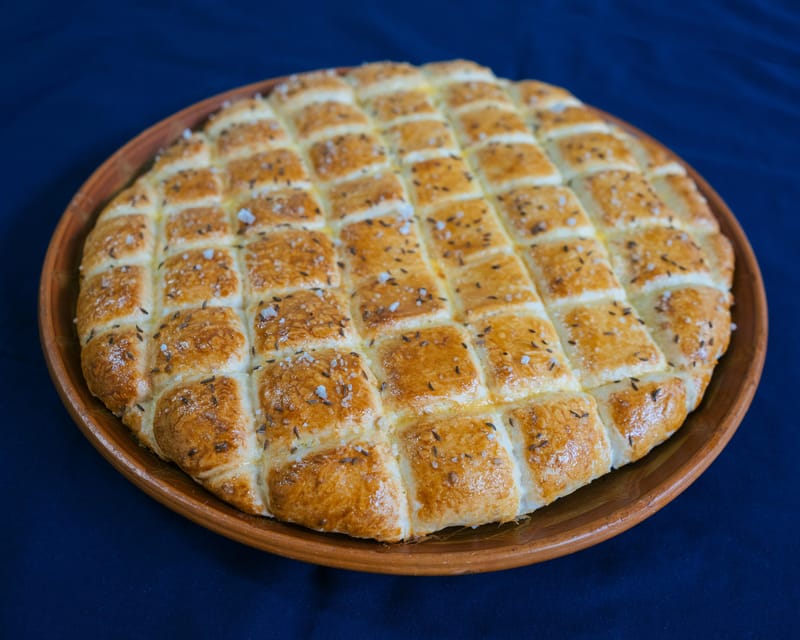
This isn’t a mystery-bread class. You’re given all the ingredients and cooking equipment, and you follow a process for Belokranjska pogača that teaches you what matters most: dough feel, shaping consistency, and timing.
Here’s what you’ll likely focus on while working:
- Dough texture: you’ll knead until it feels right, then handle it with care while rolling.
- Shaping: you’re guided through how to form the bread so it bakes properly and looks like the real thing.
- Timing: the proof/rise/bake stages are part of the lesson. You learn to wait for dough signals rather than guessing.
Even if you don’t bake often, this kind of skill sticks because it’s physical. You learn by doing. That’s the main reason I think it’s worth the money—this isn’t just entertainment, it’s repeatable know-how.
Tasting, drinks, and what to notice when your pogača comes out
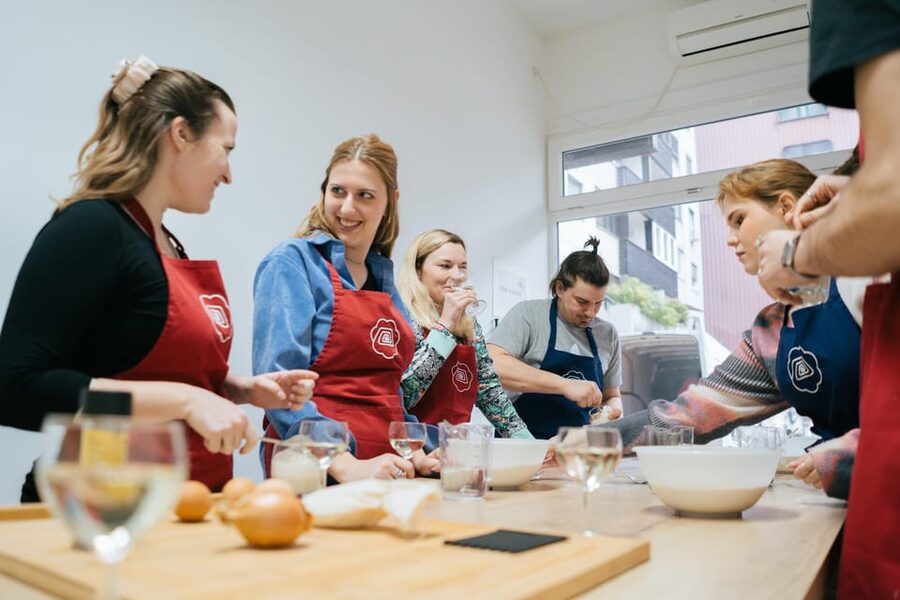
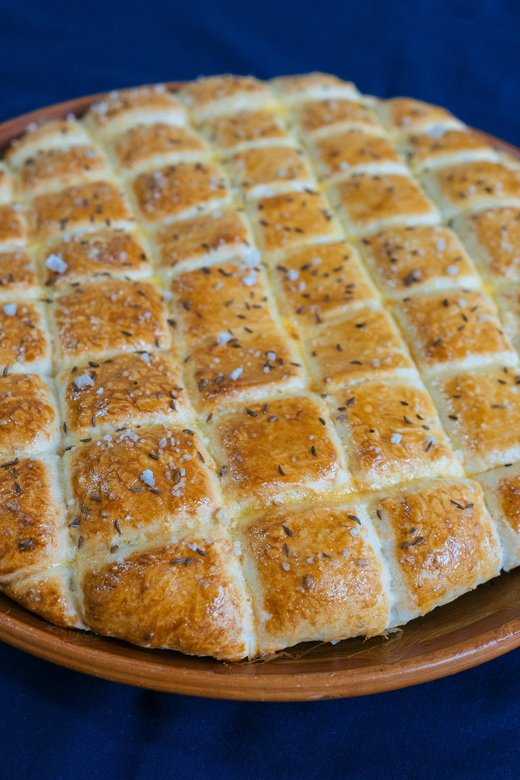
The final moment is simple: you eat what you made. You’ll tear into the warm bread and experience the combination you were working toward—an exterior that’s crusty and a softer interior.
Flavor notes in Belokranjska pogača can be herbal and savory, and the point isn’t to memorize a tasting menu. Instead, pay attention to:
- Crust vs. crumb: how the bread separates and how chewy or tender it is inside.
- Aroma: how the ingredients smell once baking finishes.
- Overall balance: how savory elements and dough character work together.
In some sessions, you’ll also be offered drinks. At least one recent booking included Slovenian wine, and another noted drinks were provided. Since drinks aren’t listed as a separate guaranteed item here, I’d treat them as a welcomed bonus rather than something to bet your night on. Still, it’s a nice touch when it happens.
Price, group size, and value for your time
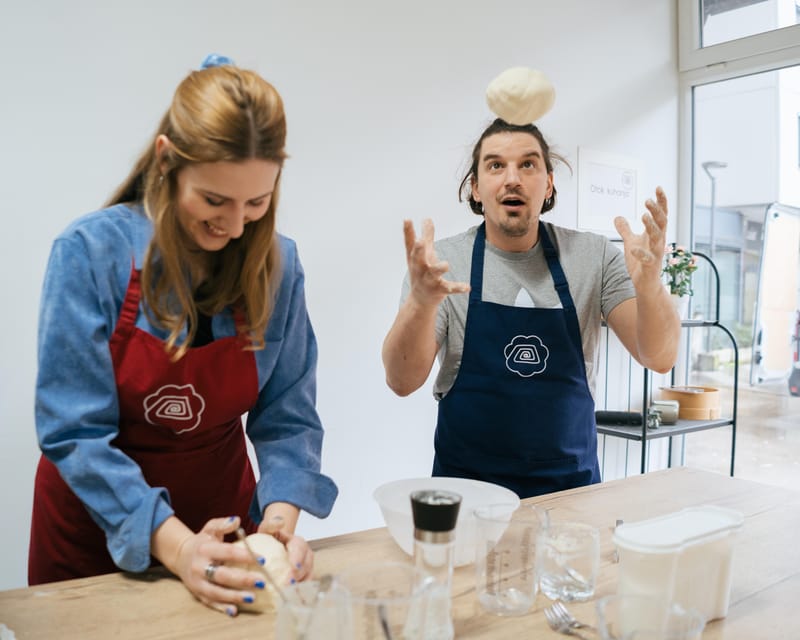
At $53 per person for a 2-hour class, the price sits in the “reasonable and satisfying” zone for a hands-on cooking experience in a central European city region. What you’re paying for isn’t just the ingredients. You’re paying for someone to teach you step-by-step, manage the baking flow, and keep the session moving so everyone finishes with bread to taste.
The group size is also key. It’s limited to 10 participants, which keeps attention on you. And in at least one case, the class ran as a private session. If you’re traveling as a solo foodie, this is the kind of setup that can feel like extra attention without extra hassle.
Where value shows up most is in outcomes. You leave with a bread you made and a clearer sense of how to approach dough at home. That’s hard to get from a short walking tour or a museum stop.
Getting to the meeting point (and making parking painless)
The meeting point instructions are very specific, which helps. You’ll look for a small square surrounded by buildings, with a broken concrete fountain in the middle. The shop is recognizable by a big clear window.
From there, you have a couple of ways to get in:
- Pass a Chinese restaurant near the old church, or
- Go through a small passageway in the building near the bus stop, depending on how the street layout works that day.
Parking depends on the time:
- In the morning, there are free parking spots on the platform behind the building.
- In the afternoon, you’ll want to contact Luka via WhatsApp for help.
This is the kind of information that saves time. If you arrive stressed and hungry, you won’t enjoy the first minutes.
Who this class suits best (and who should think twice)
This class is a great match if you:
- Want a hands-on food experience rather than a passive tasting,
- Like learning cultural context while you cook,
- Appreciate clear instructions in English (and sometimes Slovenian),
- Travel with kids, teens, or a mixed group and want an activity that can keep them engaged.
It may be less ideal if:
- You’re the type who hates getting your hands dirty (dough work is the whole point),
- You want an unhurried, long-form meal. This is a 2-hour session with baking timing built in.
If you’re on a tight schedule, it’s still doable. Two hours is manageable, and you’ll know pretty quickly whether you like the pace once you start shaping the dough.
Should you book Belokranjska pogača Cooking Class?
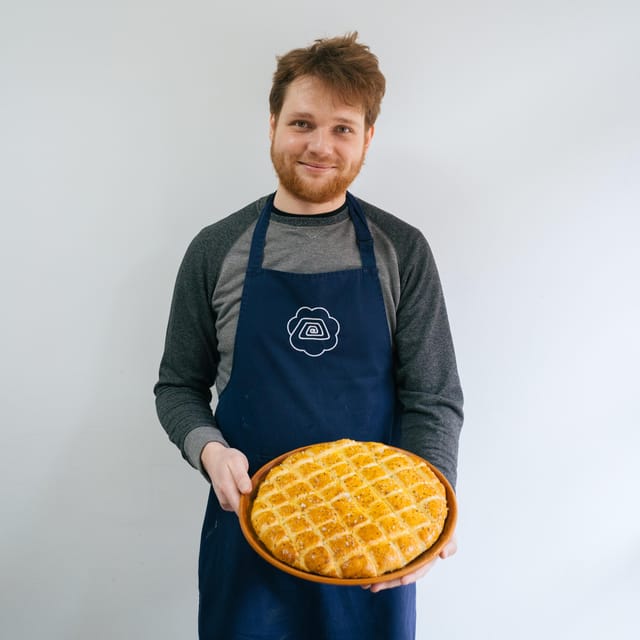
I’d book it if you want a genuinely practical Slovenian experience that turns local food culture into something you can actually do. The combination of small group attention, a welcoming host like Luka, and the chance to bake and taste your own Belokranjska pogača makes it feel worth it.
Skip it only if you’re looking for something purely sightseeing-based or you’d rather spend your time on a longer restaurant meal. This class is about making, learning, and eating what you made, in a tight two-hour window.
FAQ
How long is the cooking class?
The class lasts 2 hours.
How much does the Belokranjska pogača cooking class cost?
It costs $53 per person.
What is Belokranjska pogača?
Belokranjska pogača is a traditional Slovenian savory bread associated with the Bela Krajina region.
What will I do during the class?
You’ll participate in a hands-on cooking session where you knead, roll, and shape the dough, then bake and taste the bread.
Is the class taught in English?
Yes. The instructor/host provides instruction in English (and also Slovenian).
How big is the group?
The class is a small group limited to 10 participants.
Where is the meeting point?
Look for a small square with a broken concrete fountain in the middle, and find the shop with a big clear window. You may need to pass by a Chinese restaurant near the old church or use a small passageway near the bus stop.
Is there parking nearby?
In the morning, free parking spots can be found on the platform behind the building. In the afternoon, you should call Luka via WhatsApp for help.
Is the class wheelchair accessible?
Yes, it is wheelchair accessible.
What’s included in the price?
The class includes a hands-on cooking session led by seasoned experts, an introduction to the bread’s history and cultural significance, all ingredients and equipment, and the chance to bake and taste what you make.
Is there a cancellation refund?
You can cancel up to 24 hours in advance for a full refund.