REVIEW · FLORENCE
Small Group Gourmet Cooking Lesson With Dinner In Florence
Book on Viator →Operated by Doing business as: In Tavola · Bookable on Viator
Cooking in Florence sounds glamorous. Then you learn you’re doing it in an old cellar. What makes this one stand out is the hands-on, station-by-station format with a professional chef, plus a DOC Tuscan-wine dinner served in a wine cellar dating to the 1300s–1400s.
I especially like that the lesson runs in English, Spanish, and Italian led directly by the chef, so you’re not stuck half guessing what to do. Another strong point is the full meal: the cost includes a 4-course dinner you helped create, not just a snack and a demo. One thing to consider: if the group is smaller, the cooking portion may happen in a more closed, back-kitchen setup rather than the main space—still functional, just less showy.
In This Review
- Key Things to Know Before You Go
- Starting at InTavola: Your Florence 4:00 pm Game Plan
- Hands-On Florentine Cooking: How the Chef Keeps It Simple
- The 700-Year-Old Cellar Dinner: Wine and Atmosphere Without the Hustle
- What You’ll Eat: Savory + Sweet, and the Take-Home Recipes
- Price and Value: Is $167.10 Actually a Good Deal?
- Group Size, Languages, and the Vibe You Should Expect
- Logistics That Affect Your Comfort (Without Overthinking It)
- Who Should Book This Florence Cooking Lesson?
- Should You Book It?
Key Things to Know Before You Go
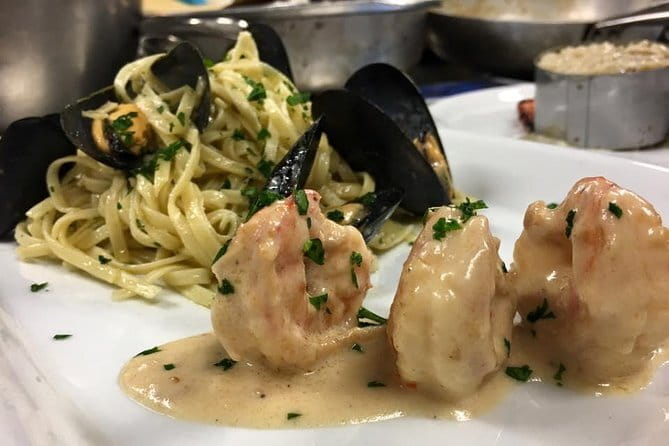
- Chef-led instruction at your station: the chef demonstrates step-by-step, and you replicate each step.
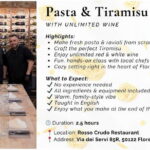
- Small group size (max 8): you should get more attention than in large classes.
- 4-course dinner plus wine: your meal includes Tuscan red wine and what you cook.
- Historic setting: dinner happens in a wine cellar dating to 1300–1400 A.D.
- Multilingual lesson: offered in English, Spanish, and Italian.
- Dietary options available: you can request vegetarian/vegan and other needs when booking.
Starting at InTavola: Your Florence 4:00 pm Game Plan
This class starts at 4:00 pm and runs about 4 hours, which is a smart timing choice for Florence. Late-afternoon cooking means you won’t spend your whole evening commuting, and you’ll end with dinner already lined up—no need to hunt for a late reservation.
You’ll meet at InTavola, Via dei Velluti 20R, 50125 Firenze FI, Italy. The tour ends back at the same meeting point, so you can plan dinner afterward (if you somehow have room) without scrambling across town. You’ll also have a mobile ticket, and you’ll get booking confirmation at the time you reserve.
One practical note: this is a cooking class built around close teamwork and a defined schedule. So you’ll get more out of it if you show up ready to cook and listen—rather than treating it like a casual stroll-through museum stop.
You can also read our reviews of more tours and experiences in Florence.
Hands-On Florentine Cooking: How the Chef Keeps It Simple
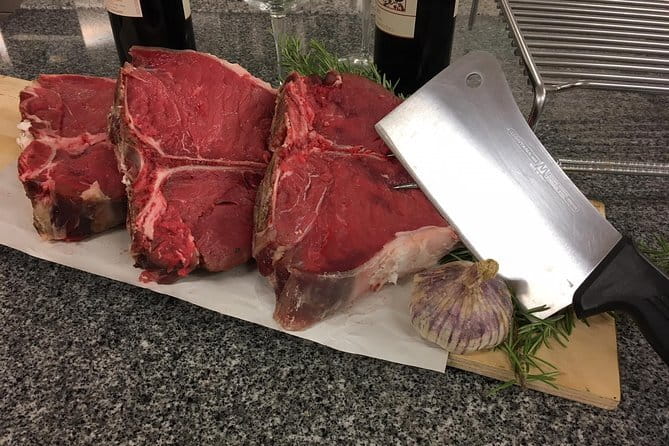
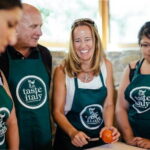
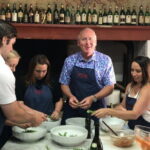
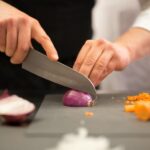
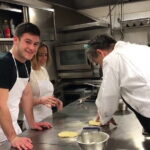
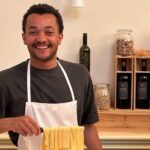
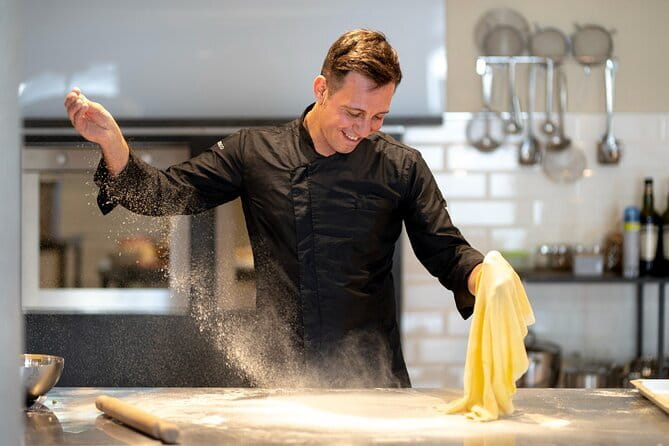
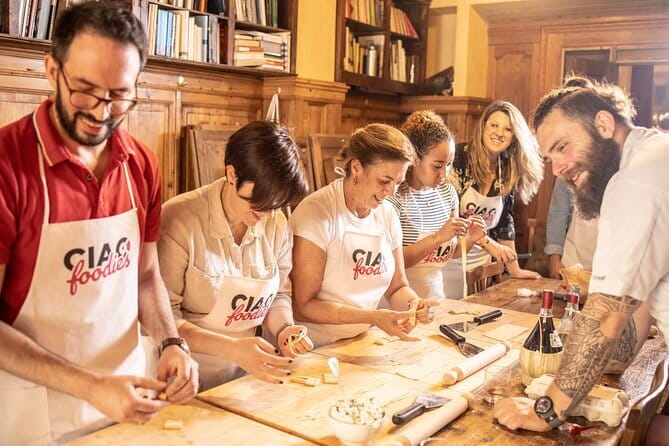
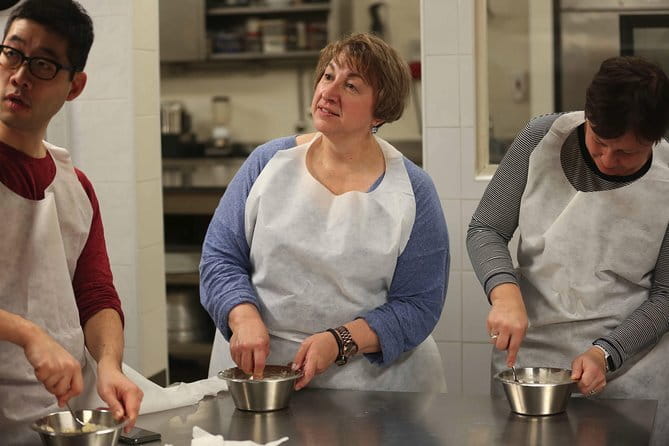
Here’s the core idea: you’re not just watching someone cook. Courses are taught by professional Italian chefs, who demonstrate step-by-step, and then you cook along at your own station. The menu is designed for students to make single-serving dishes, which keeps things manageable in a 4-hour format.
This teaching style matters more than it sounds. When you work at your own station, you can adjust your timing without falling behind the group. And because the chef’s guidance is practical and clear, you’re not dependent on translating every movement of a cooking show.
A lot of Florence cooking is about technique and restraint—simple ingredients handled well. The lesson is set up to teach you that approach through classic savory and sweet dishes, so you leave knowing what to repeat at home, not just what to taste once.
Also, since the chef teaches in English, Spanish, or Italian, you can choose the language that matches your comfort level. That helps a lot with questions. If you don’t speak Italian, you still get the same instruction rather than just a visual “good luck” experience.
The 700-Year-Old Cellar Dinner: Wine and Atmosphere Without the Hustle
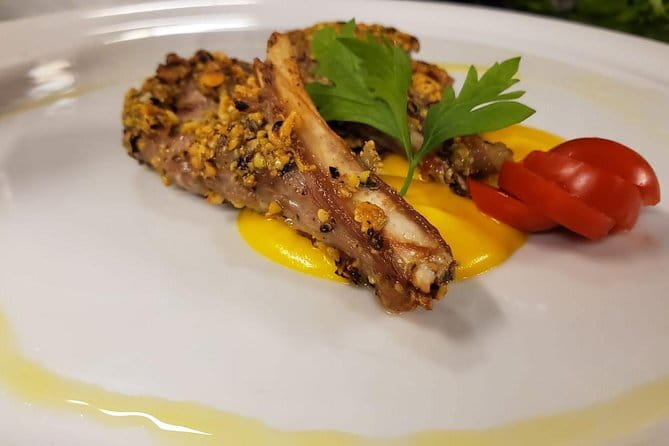
After cooking, you move into the dinner portion in a Florentine-style wine cellar. This isn’t a modern restaurant room pretending to be old. The cellar dates to 1300–1400 A.D., and it’s set up to serve the meal in that setting.
You’ll enjoy your 4-course dinner with Tuscan red wine (DOC, in the Florentine style). Wine included is more than a nice perk—it’s part of how the meal works. Instead of paying for wine separately at the end of your day, you’re guided into the pairing as part of the overall flow.
The best part of this setup is emotional, not just culinary. Cooking gives you context for what you’re about to eat. Then the cellar setting adds the feeling you want from Florence: a meal that feels like it belongs to the place, not just plated on a generic tablecloth.
One consideration: if your group is small, cooking may occur in a smaller closed kitchen area, with dinner still served in the main cellar setting. So if you’re hoping for maximum “chef show” drama the whole time, set your expectations for a quieter cooking space depending on how many people book your slot.
What You’ll Eat: Savory + Sweet, and the Take-Home Recipes
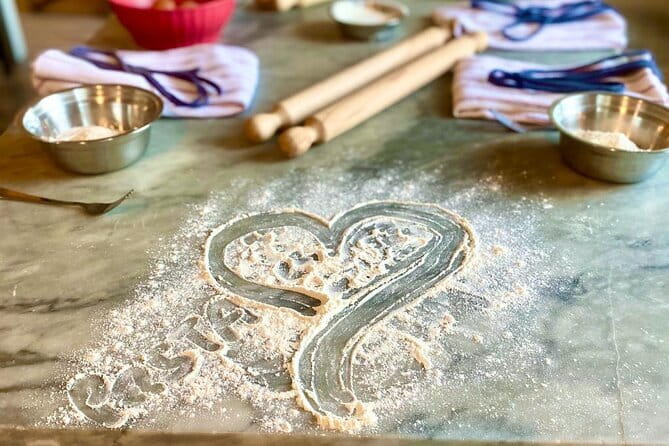
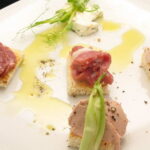
Your meal is built as a 4-course dinner, and it’s included in the lesson price. The menu focuses on authentic Florentine cuisine, covering both savory and sweet dishes.
Because the class uses a menu designed for single-serving results, you’ll generally finish with a plate that represents what you made during the lesson—so it doesn’t feel like you cooked in one direction and ate in another. That connection is the big win with cooking classes: you leave with taste memory plus technique memory.
You’ll also receive recipes. That’s a practical detail people often overlook. Recipes turn the evening into something you can reproduce. And since the dishes are taught with clear, step-by-step instruction, the recipes act like a recap you can actually follow later.
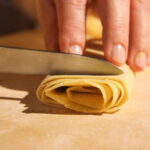
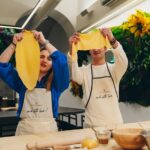
One item you should be prepared for: the menu may include classic pasta-making steps. Homemade pasta came up as a standout in past classes, so if pasta is a Florence food bucket-list item for you, this is the kind of class where you may get hands-on with it rather than only eating it.
Price and Value: Is $167.10 Actually a Good Deal?
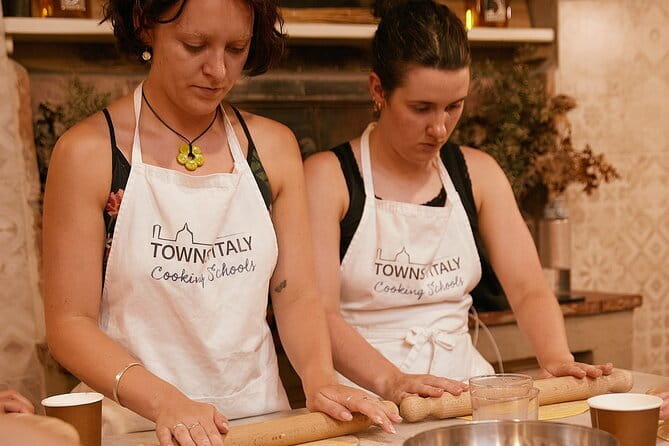
At $167.10 per person, this isn’t a budget cooking class. But it also isn’t just a short demo followed by a modest bite.
Here’s what you’re getting included:
- A professional chef leading a small-group, hands-on lesson
- 4-course dinner included
- Tuscan red wine included
- Bottled water
- Recipes to take home
- A historic cellar setting where the meal is served
When you factor in dinner and wine, the price starts to look more reasonable than it first appears. In Florence, a decent sit-down meal plus wine can add up fast. This class bundles the culinary experience plus the instruction, and it includes the full meal you’d otherwise plan separately.
Also, the class capacity is capped at 8 travelers, which tends to improve the instructor-to-student ratio. That’s one of the main reasons cooking classes become worth paying for: attention, not just entertainment.


Group Size, Languages, and the Vibe You Should Expect
This is a small-group lesson with a maximum of 8 travelers. In practice, that changes the feel. With fewer people, the chef can manage the group more tightly, and you’re more likely to feel like a participant instead of standing on the sidelines.
The lesson is multilingual and led directly by the chef in English, Spanish, and Italian. That’s a real advantage. When language is handled well, you understand what to do and why you’re doing it. It’s also easier to ask practical questions mid-process.
As for age: the minimum age is 7, and children must be accompanied by an adult. That makes it a legitimate family option if your kids are curious about cooking and can handle a structured 4-hour session. The class is also a good match for couples and small groups who want something social without being surrounded by a crowd.
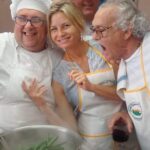
And staff style matters in cooking classes. Past participants described the team as friendly and even humorous, and they praised the chef’s patience. That lines up with what you want from a class where you’ll be learning by doing rather than rushing through steps.
Logistics That Affect Your Comfort (Without Overthinking It)
You should plan around the format and timing more than anything else. The class begins at 4:00 pm and lasts about 4 hours. That means it’s an ideal early-evening plan when you still have energy to do something hands-on.
Diet matters too. You’re asked to advise specific dietary requirements at booking—examples like gluten free, dairy free, no pork, or no seafood are given. Vegetarian/vegan is available as well if you request it when booking. If you have allergies, don’t rely on vague comments at the door—put it in the request ahead of time.
Finally, bring your mindset as much as your calendar. This isn’t a passive food tour. You’ll be cooking along, following steps, and sharing the kitchen workload in a small setup. If that sounds fun to you, you’ll likely have a smoother time.
Who Should Book This Florence Cooking Lesson?
This class is a great fit if you want:
- Hands-on instruction rather than watching
- A Florentine-focused menu with both savory and sweet dishes
- An evening that includes a full 4-course dinner plus Tuscan red wine
- A small group setting (max 8) with direct chef involvement
- Multilingual teaching so you can actually follow what’s happening
It may be less ideal if you’re mainly chasing a high-drama sightseeing experience where you want the most open, scenic kitchen staging the entire time. When fewer people book, the cooking space may be moved to a smaller, closed kitchen area. The dinner setting remains the star, but the cooking atmosphere can be quieter depending on your group.
Should You Book It?
If you’re the kind of traveler who likes real skills—things you can recreate later—this is a strong choice. The blend of hands-on cooking, included 4-course dinner, wine, and the historic cellar setting is hard to beat for Florence value.
Book it if you:
- Want an evening plan that’s structured and satisfying
- Care about learning technique, not just tasting
- Prefer a small group over big bus-style classes
- Appreciate multilingual instruction
Skip it (or at least think twice) if you only want sightseeing-level atmosphere during the cooking segment, since the kitchen space may be more compact when group size is small.
Bottom line: for most people, it’s a practical, fun, and genuinely Florentine way to spend a few hours—ending with dinner that actually makes sense because you helped make it.
You Might Also Enjoy

More Tour Reviews in Florence
- Cooking Class and Lunch at a Tuscan Farmhouse with Local Market Tour from Florence
★ 5.0 · 4,831 reviews