REVIEW · FLORENCE
Florence: Pasta & Tiramisu Cooking Class with Unlimited Wine
Book on GetYourGuide →Operated by Ristorante Rossocrudo · Bookable on GetYourGuide
Two and a half hours, zero guesswork. This Florence class teaches you to knead, roll, and shape ravioli and pappardelle, then build tiramisu from scratch, all with chef guidance and unlimited regional wine. I love that it is beginner-friendly, so you can focus on learning the steps instead of panicking over the dough. One possible drawback: the 2.5-hour pace is efficient, so you’ll master the core method rather than experimenting with a dozen extras.
The vibe is friendly and intimate, run by Ristorante Rossocrudo, where you can ask questions while you cook. You’ll leave with practical skills plus detailed recipes to bring home, which is what turns a nice meal into a repeatable Italian night.
In This Review
- Key highlights (quick hit list)
- Why This Florence Pasta and Tiramisu Class Feels Worth Your Time
- Ristorante Rossocrudo Setup: Ingredients, Equipment, and Small-Class Energy
- From Kneading to Shaping: Making Fresh Ravioli and Pappardelle
- Knead and roll like you mean it
- Shaping ravioli and pappardelle
- What makes this practical for home cooking
- Tiramisu from Scratch: Building Layers That Hold Up
- Why tiramisu is a smart second lesson
- What you should focus on
- Unlimited Regional Wine: How It Works Without Ruining the Lesson
- The Chef Factor: Andrea, Lucella, and Leo in the Spotlight
- Value Check: Is $35 Good for This Much Cooking?
- When This Class Fits Best (And When It Doesn’t)
- How to Recreate This at Home Without Losing the Magic
- Use the recipes while your memory is fresh
- Repeat the method, not just the ingredients
- Quick Practical Tips Before You Go
- Should You Book This Florence Pasta and Tiramisu Class?
- FAQ
- How long is the Florence pasta and tiramisu cooking class?
- What will I cook during the class?
- Is wine included?
- Do I need prior cooking experience?
- What languages are the instructors?
- What should I bring to the class?
Key highlights (quick hit list)
- Knead and shape fresh pasta dough with step-by-step coaching
- Make ravioli and pappardelle yourself instead of watching from the sidelines
- Craft tiramisu from scratch and learn the layering approach
- Enjoy unlimited regional wine throughout the experience
- Get small-class attention with chefs you might meet like Lucella, Andrea, or Leo
- Take home written recipes so you can actually recreate it later
Why This Florence Pasta and Tiramisu Class Feels Worth Your Time
If you want more than a tasting menu, this is a smart move. In one sitting you’ll handle dough, shape pasta, and assemble tiramisu—two of the most recognizable Italian comfort foods. It’s not a “stand and watch” workshop. It’s hands-on cooking, with enough structure that first-timers can keep up.
Two things I really like about this format. First, the class is designed for all skill levels, so you’re not expected to arrive knowing how to work with flour and water. Second, you get a chef who teaches in a clear, step-by-step way, which matters because pasta technique is mostly repeatable habits. Mix, knead, roll, shape. Then do it again without fear.
The other part that changes the mood is the unlimited regional wine. It’s there to keep the atmosphere relaxed and sociable, not to turn cooking into a blur. You still need to pay attention at the counter and follow the steps, but the room feels warmer when everyone’s sharing tastes while they cook.
One heads-up: the experience is only 2.5 hours. That’s a good length for a weekday or rainy day, but it means you won’t have time for deep detours into multiple pasta styles or advanced pastry variations. You’re there to learn the essentials well.
You can also read our reviews of more tours and experiences in Florence.
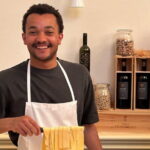
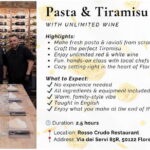
Ristorante Rossocrudo Setup: Ingredients, Equipment, and Small-Class Energy
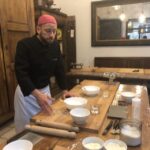
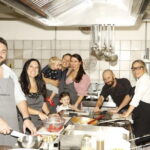
This class is hosted by Ristorante Rossocrudo, and the whole point is to keep it personal. The teaching is set up for small groups, which tends to make a big difference when you’re learning something tactile like dough. You can ask questions and get real corrections instead of waiting for the instructor to notice your floury crisis.
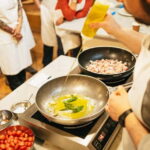
You’re provided with cooking ingredients and equipment, plus water. That’s convenient, because you don’t have to pack anything fancy from your hotel. You’ll only want to plan for comfort. Wear comfortable shoes, because you’ll be standing and moving around at the stations while you knead and roll.
Also, this includes Wi‑Fi, which is a small perk but handy if you want to look up a quick reminder for a technique later. More importantly, it helps you share photos while the day is still fresh—useful when you’re trying to recreate the recipes at home afterward.
In terms of teaching languages, you can expect instruction in English and Italian. If you’re curious about a few Italian words, this is one of the better setups for learning naturally, since you’ll hear the terms while the action is happening.
From Kneading to Shaping: Making Fresh Ravioli and Pappardelle
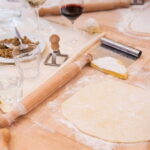
Here’s where the class earns its keep. Pasta is one of those skills that looks intimidating until someone shows you the rhythm. You start with pasta dough—kneading, then rolling it out, then shaping it. Even if you’ve never worked with dough before, the lesson is built to move you forward step by step.
Knead and roll like you mean it
Kneading isn’t about strength. It’s about texture. You’ll learn how to work the dough so it becomes smooth and workable. Then you roll it out so it’s thin enough to shape cleanly. This part is where beginners can improve fastest, because you’ll see exactly what the dough should feel like and look like.
Shaping ravioli and pappardelle
The class focuses on two shapes:
- Ravioli, which requires portioning and sealing (so it holds together when cooked and served).
- Pappardelle, wider ribbons that look dramatic on a plate and are relatively straightforward once you get the rolling right.
The best part is that you’re not just assembling at the end. You’re doing the hands-on shaping yourself, which means you’ll understand what makes a good ravioli closure or a clean pasta cut. That understanding is what lets you repeat it later without copying someone else’s exact timing.
- Cooking Class and Lunch at a Tuscan Farmhouse with Local Market Tour from Florence
★ 5.0 · 4,831 reviews

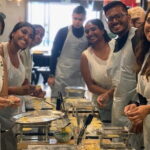
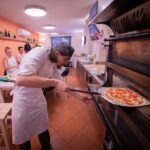
What makes this practical for home cooking
Even if you don’t plan to make pasta every weekend, you’ll come away with real confidence. You’ll know:
- what the dough should feel like before it’s ready,
- how to roll without tearing,
- and how to shape pieces consistently.
That’s the gap between eating fresh pasta in Italy and recreating it later.
Tiramisu from Scratch: Building Layers That Hold Up
After pasta, you shift gears to dessert. Tiramisu from scratch sounds like a lot, but in a good class it becomes a sequence you can follow. You’ll learn the method for assembling the components so the dessert has the right structure when served.
The key takeaway here is not the fancy result. It’s the process. Tiramisu is layered by design, and the class teaches the order and technique so you don’t end up with a sweet mess that collapses.
Why tiramisu is a smart second lesson
Pasta is tactile and demanding. Tiramisu is tactile too, but it’s mostly about layering and balance. Doing both in one class is a win because it keeps you engaged: one challenge teaches technique, and the other teaches precision.
What you should focus on
When you’re making tiramisu, pay attention to:
- how you assemble layers evenly,
- how to keep the texture consistent,
- and how the components come together without rushing.
If you take notes (or snap a few steps with your phone), you’ll thank yourself later when you repeat it at home and wonder why your layers didn’t look as neat.
Unlimited Regional Wine: How It Works Without Ruining the Lesson
Let’s be honest: unlimited wine changes the mood. This class uses free-flowing regional wines to keep the experience convivial as you cook and eat. It’s a great match for Italian food culture, where conversations stretch and meals are part of social life.
That said, the class is still a cooking lesson. You’ll be kneading, rolling, and assembling. So the best strategy is to treat wine like a companion, not a substitute for attention. Take a few sips, enjoy the taste with your food, and stay present for the steps that actually require your hands.
One more practical point: if you’re traveling as a couple, this is one of the easiest classes to bond in, because you’re both working side by side. If you’re with family, the playful energy helps, and you’re still learning real skills rather than just doing a long dinner.
The Chef Factor: Andrea, Lucella, and Leo in the Spotlight
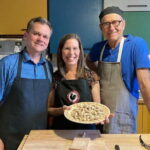
What makes this class feel personal is the coaching style. Depending on the time slot, you might be taught by different chefs connected to the restaurant team. You may meet instructors like Lucella, Andrea, or Leo, all of whom are known for making techniques feel doable for beginners.
I like this approach because pasta skills can feel mysterious when no one explains them. Instructors here tend to break things down so you understand the why, not just the what. That’s how a beginner turns into someone who can repeat the recipe at home without needing a cheat sheet every step of the way.
You’ll also notice the class can split into smaller groups. That kind of structure helps because each person gets more direct attention while working.
Value Check: Is $35 Good for This Much Cooking?
At $35 per person, you’re paying for more than a meal. You’re paying for chef coaching, ingredients, equipment, water, and unlimited regional wine, all in a guided 2.5-hour session. That combo is why the price feels reasonable.
Here’s why the value holds up:
- Hands-on instruction costs real money in Italy, especially when it’s paced for beginners.
- Ingredients and equipment included means you’re not adding hidden costs.
- Wine included adds to the experience without requiring you to plan a separate drink bill.
- Take-home recipes turn it into a future activity, not just a one-night performance.
Could you spend less? Sure. You could eat pasta and dessert in Florence for under that price. But you won’t get the same “I can do this at home” confidence unless you cook it yourself. This is the kind of activity that pays you back later—when you’re flipping through your recipes and thinking, yes, I can.
When This Class Fits Best (And When It Doesn’t)
This experience is ideal if you:
- want a rainy-day indoor plan that still feels lively,
- like learning practical skills you can repeat,
- enjoy food and wine together in a social setting,
- and want a class that welcomes beginners.
It’s also great for families, because the structure keeps people involved while still producing real results. The small-class setting helps younger cooks and less experienced adults stay comfortable.
What might not fit as well? If you want an ultra-long, slow cooking immersion with advanced techniques, the 2.5 hours will feel brief. You’ll learn the fundamentals and get a solid outcome, but it won’t be a multi-course culinary deep study.
How to Recreate This at Home Without Losing the Magic
This is the big reason I like classes like this: the skills are transferable. To get the best results at home, do two things right away.
Use the recipes while your memory is fresh
You’ll receive detailed recipes to take home. Don’t wait weeks. Make tiramisu or try a pasta shape within a few days, while you still remember how the dough behaved and what you adjusted during shaping.
Repeat the method, not just the ingredients
If you want success, focus on technique:
- Learn your pasta dough feel (how it changes as you knead).
- Keep pasta thickness consistent when rolling.
- Shape with patience so ravioli stay sealed and ribbons stay even.
- For tiramisu, follow the layering order and keep textures consistent.
Even if you’re using different ingredients at home, the method will carry you.
Quick Practical Tips Before You Go
A few small things can make the class smoother:
- Wear comfortable shoes. You’ll stand and work at a station.
- Bring a realistic expectation for hands-on cooking: yes, you’ll get flour on something.
- If you drink wine, pace yourself. You’ll want to stay sharp for rolling and layering.
- The meeting point can vary based on the option you book, so double-check your exact details in advance.
Also, the experience is wheelchair accessible, so it’s designed to welcome a range of visitors. And since instruction is in English and Italian, you can follow along even if your Italian is still in progress.
Should You Book This Florence Pasta and Tiramisu Class?
Book it if you want a practical, fun way to learn Italian cooking in a short time. The combination of fresh pasta hands-on practice, tiramisu from scratch, and unlimited regional wine at this price is a strong deal. Add in the intimate class size and the fact that you get recipes you can actually use later, and it becomes one of those activities that feels worth planning around.
Skip it only if you’re after a long, advanced training session or you dislike the idea of getting a little messy while you learn. Otherwise, this is a friendly, high-value Florence experience that leaves you full—and more importantly, confident.
FAQ
How long is the Florence pasta and tiramisu cooking class?
It lasts 2.5 hours.
What will I cook during the class?
You’ll make fresh pasta by kneading, rolling, and shaping ravioli and pappardelle, and you’ll also craft tiramisu from scratch.
Is wine included?
Yes. You get unlimited regional wines during the experience.
Do I need prior cooking experience?
No. The class welcomes all skill levels and requires no prior experience.
What languages are the instructors?
The instructor language options are English and Italian.
What should I bring to the class?
Wear comfortable shoes.
You Might Also Enjoy

More Tour Reviews in Florence
- Cooking Class and Lunch at a Tuscan Farmhouse with Local Market Tour from Florence
★ 5.0 · 4,831 reviews