REVIEW · SORRENTO
Sorrento: Authentic Italian Cooking Class in a Citrus Grove
Book on GetYourGuide →Operated by La Limonaia · Bookable on GetYourGuide
Cooking in a citrus grove beats restaurant dinner. This hands-on Sorrento cooking class is built around fresh garden ingredients and traditional pasta lessons in the shade of lemon and orange trees, with the chef guiding you through classic dishes. The one caution: Sorrento heat is real, and while the class is listed as 2.5 hours, it may run longer for bigger groups.
I like that the experience doesn’t treat you like a spectator. You’re greeted with a drink, then you get into the rhythm of making a full Sorrento menu—ending with a lunch-style meal you cooked yourself, with wine and limoncello in the mix. If you’re hoping for a quick, perfectly timed session, plan for flexibility.
The setting is at La Limonaia, and you’ll start by finding their green gate. The instructor is English-speaking, so you should be able to follow along without translation gymnastics.
In This Review
- Key things to know before you go
- Entering La Limonaia: the green gate in Sorrento
- From welcome drink to garden picking in the citrus grove
- Cooking the Sorrento menu: homemade pasta and real structure
- First course: homemade pasta with Sorrento style
- Second course: second course comfort, including eggplant parmigiana
- Dessert: tiramisù with coffee or agrumance juice
- Tasting under the pergola: how lunch turns into a class
- How long it really takes (and why heat can matter)
- Who this Sorrento cooking class suits best
- Price and value: what $158.60 really buys you
- The role of the chef (and English support)
- Should you book this citrus-grove cooking class?
- FAQ
- What is the duration of the Sorrento cooking class?
- Where do I meet for the class?
- What language is the instruction in?
- What dishes will I learn to make?
- Do I pick ingredients from a garden?
- What is included in the price?
- What about drinks—are they included?
- Is the menu the same all year?
- Will I get recipes to use at home?
- Is cancellation free?
Key things to know before you go
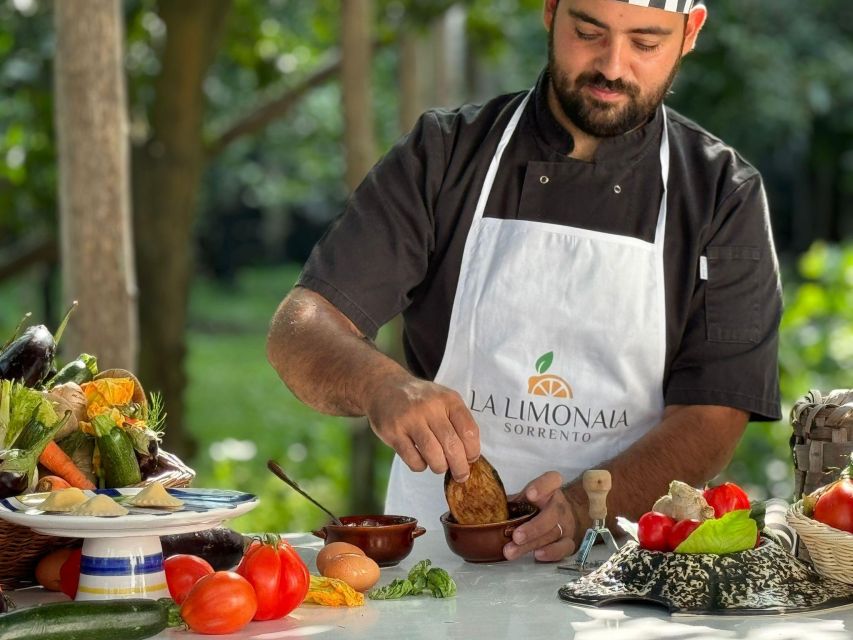
You pick ingredients from a garden. That’s part of why everything tastes so fresh.
The menu is classic Sorrento, but seasonal. Your exact pasta and main may change with what’s ripe.
You’ll learn hand-formed dishes. Gnocchi alla sorrentina, ravioli alla caprese, and eggplant parmigiana are all on the menu options.
Tiramisu finishes the meal properly. You’ll make tiramisù with coffee or an agrumance juice option.
Expect the setting to be sunny and warm. One session ran past the listed duration due to group size and setup.
Entering La Limonaia: the green gate in Sorrento
Meeting up is simple and specific: you start at a green gate with La Limonaia signed on top. That’s a big help in a place like Sorrento, where meeting points can get confusing fast.
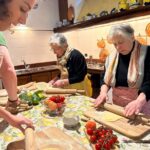
Once you’re inside, the whole vibe is “agritourism meets real cooking.” You’re not stuck in a sterile classroom. You’re learning in the kind of place where lemons and oranges aren’t just decorations—they’re part of the workflow. Expect pergolas and outdoor seating, plus the feeling that you’re taking part in something local rather than doing a standardized production line.
Logistically, it’s also nice that the class ends back at the meeting point. You’re not left scrambling for transit right after a meal.
You can also read our reviews of more tours and experiences in Sorrento.



From welcome drink to garden picking in the citrus grove
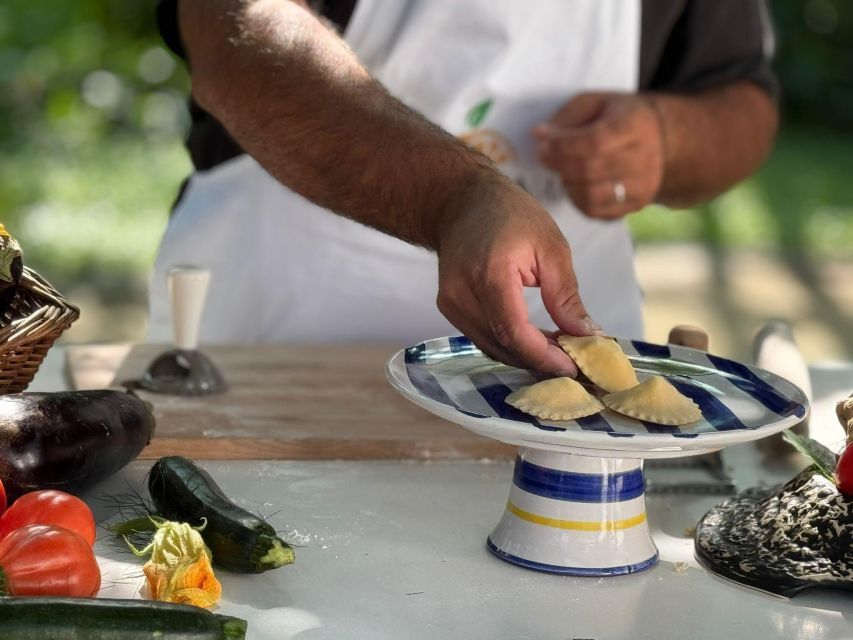
The experience begins with a welcome drink, setting a relaxed tone. After that, you’re guided into the food part: ingredients that are fresh enough that you can practically smell them before you touch them.
A core detail here is that you taste genuine ingredients after you’ve picked them from the garden. That matters more than it sounds. Lemons and oranges don’t just add brightness to a sauce or dessert—you’ll understand how citrus changes flavor balance in real time when you’re using the fruit in a dish you’re actively building.
Then you move from ingredients to technique. The chef shares recipes and the logic behind traditional Sorrento cooking—how you put components together so the meal feels complete, not random. You’re not just following steps. You’re learning why those steps exist.
Cooking the Sorrento menu: homemade pasta and real structure
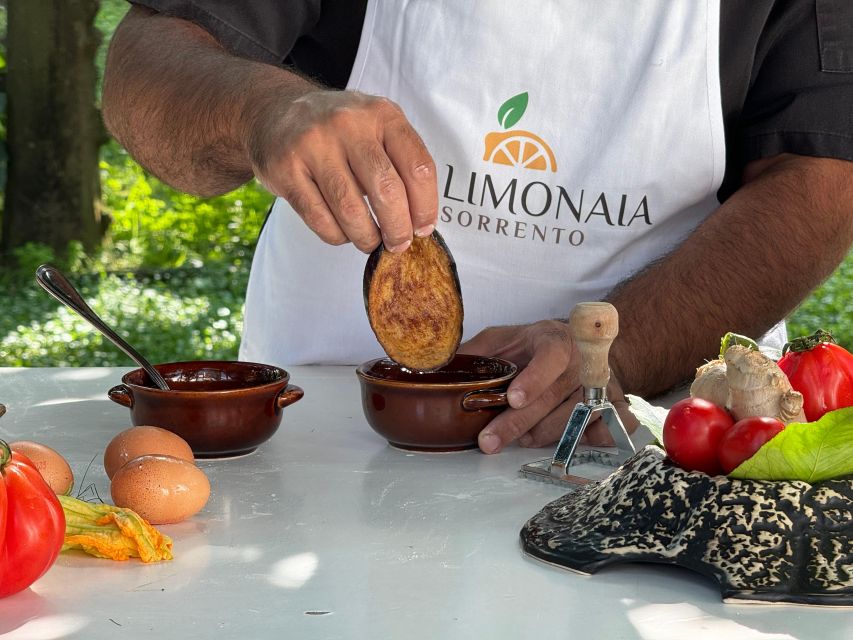
This class is centered on a traditional Sorrento menu, with multiple courses that build on each other: a first course with homemade pasta, a second course, and dessert.
First course: homemade pasta with Sorrento style
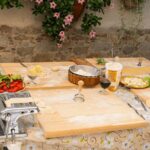
Your first course is homemade pasta, and this is where the class earns its keep. If you’ve ever watched pasta being made and thought, I could never do that, this is the kind of session that helps your hands catch up with your curiosity.
The chef will teach classic Sorrento options such as:
- gnocchi alla sorrentina
- ravioli alla caprese
- and, depending on seasonality, other traditional variations
Which one you make can shift based on what’s available seasonally. That’s not a bait-and-switch; it’s the practical reality of cooking with produce that’s actually in season.
Second course: second course comfort, including eggplant parmigiana
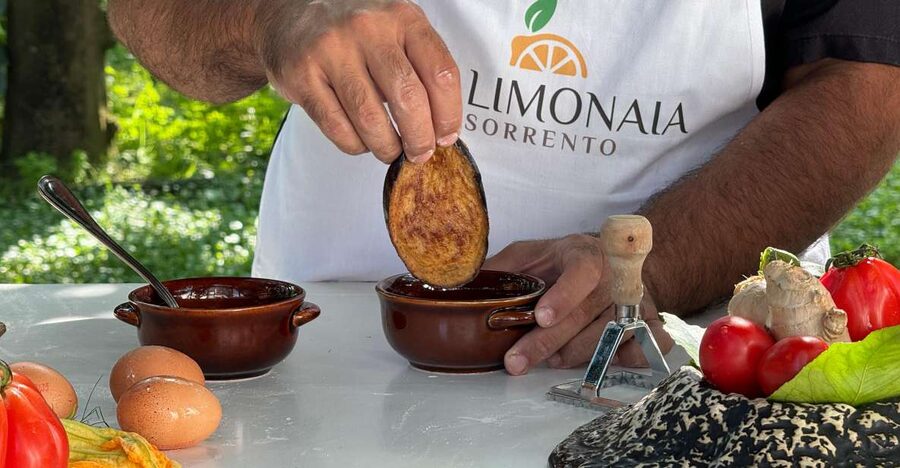
For the main course, you may work on something like eggplant parmigiana made with fried eggplant—also listed as one of the traditions you can learn here. Fried eggplant is a specific choice: it’s richer, more structured, and it holds up in a layered dish. You’ll feel the difference between a quick pan-fry and the kind of frying needed for that classic texture.



Dessert: tiramisù with coffee or agrumance juice
The final course is the unavoidable one: tiramisu. You’ll learn it as a finish, not a store-bought afterthought. In this class, tiramisù can be made with coffee or with an agrumance juice option, which fits the lemon-and-orange theme in a smart way.
Even if you think you know tiramisù, making it is different from eating it. The class format pushes you into the details: assembly, balance, and timing—so your dessert tastes like a proper dessert rather than a sweet compromise.
Tasting under the pergola: how lunch turns into a class
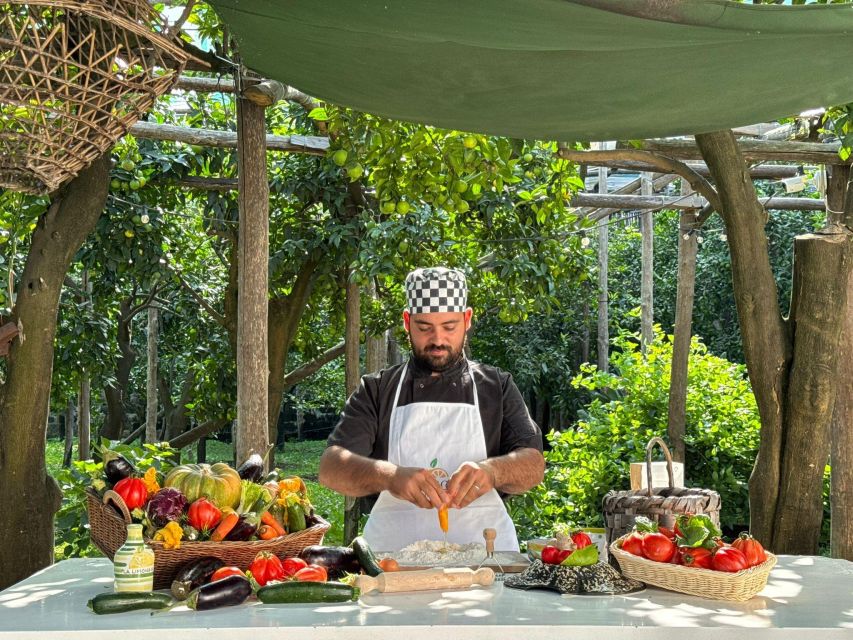
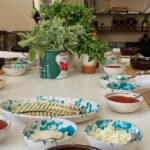
Once the cooking is done, you taste what you made. The format encourages you to slow down and enjoy the meal as a group activity, not a food runway where everyone grabs a fork and disappears.
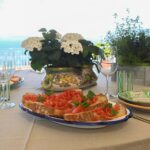
Here’s a key moment: you’ll judge your own dish in the shadow of the pergola, with a smile and fine wines in good company. That might sound cheesy until you realize it’s actually useful. It turns cooking into feedback. You’re actively noticing flavor, texture, and balance—things you can’t pick up from reading a recipe later.
Also, the included drinks round out the “Italian table” feeling. The class lists water/wine/limoncello as part of what you get, plus the welcome drink at the start. If you’re the type who enjoys a meal where you can taste progression—from citrus brightness to hearty pasta to coffee-and-cream sweetness—this format is made for you.
One note: the description says food and drinks are included, but there’s also a line under Not Included that reads Food and drinks are included. That conflict is likely a typo, but the practical takeaway is that lunch and drinks are listed under Included—so it’s safe to plan as if the meal is part of the ticket.
How long it really takes (and why heat can matter)
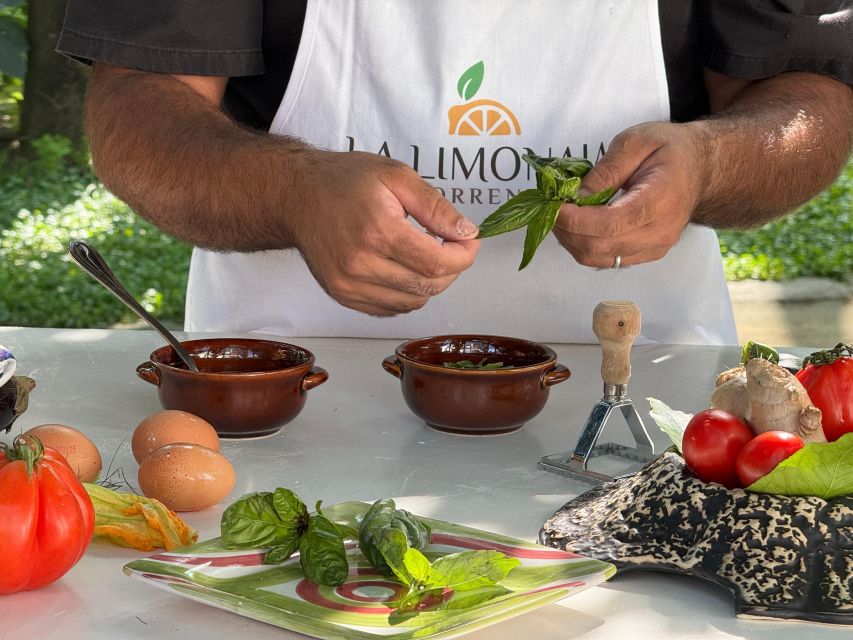
The class duration is listed as 2.5 hours. Still, one of the real-world complications is group size. When a session involves a larger group—especially for more fiddly tasks like ravioli—things can run longer than the schedule suggests.
There’s also the heat factor. One session was described as incredibly hot, and the overall flow still worked, but it’s a reminder to dress for warm weather and not treat this as a chilly indoor activity. If you sunburn easily, bring protection. If you don’t like long outdoor waits, arrive ready to move with the group.
What I’d do to make this go smoothly:
- Plan to be flexible on timing.
- Wear breathable clothing and something with good grip for kitchen floors.
- Bring water outside of what you’ll have there, just in case.
Also, if you’re traveling with a friend, you’ll appreciate how the chef coordinates assistance for larger groups. Cooking in pairs or small clusters means the pace can adjust without leaving you stranded.
Who this Sorrento cooking class suits best
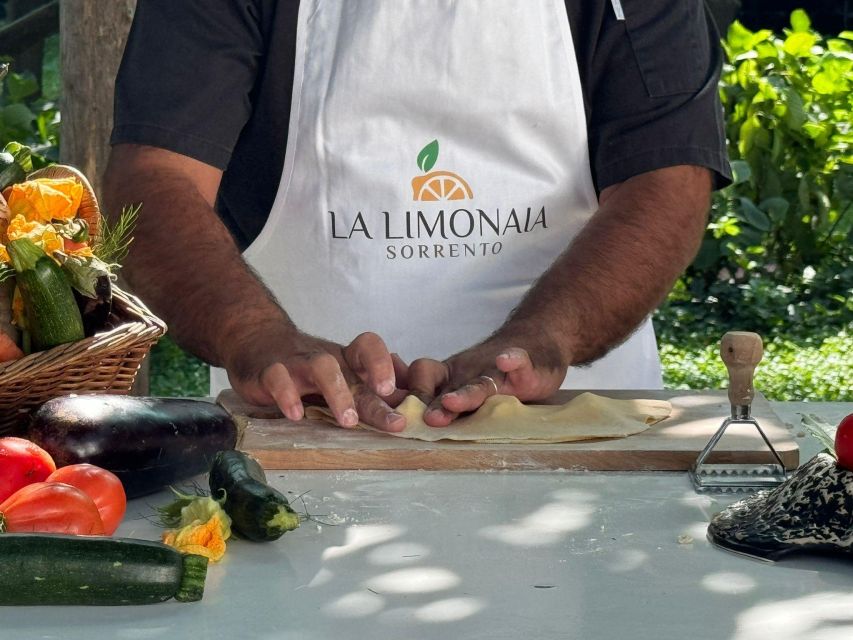
This is a good fit if you want more than a food tour stop. You get the hands-on part: mixing, shaping, layering, and assembling a full menu. You also get the setting: lemon and orange trees, citrus-first flavors, and an Italian meal atmosphere built into the schedule.
It’s especially suited for:
- Couples and small groups who like shared activities with a real payoff (you eat what you make)
- Solo travelers who want conversation built into the meal
- Food lovers who care about technique, not just tasting
It might be less suited for:
- People who hate warm outdoor conditions
- Anyone who needs a strict timetable with no wiggle room (since some sessions can run longer)
Price and value: what $158.60 really buys you
At $158.60 per person, this isn’t a budget snack-and-smile class. But the value is in what the ticket bundles together.
You’re getting:
- A welcome drink
- A complete cooking class
- Water/wine/limoncello
- Lunch
- Recipes to take home
That’s the difference between “I tasted pasta” and “I learned how to make pasta.” The included meal means you’re not paying separately for lunch after cooking. The recipes add another layer of value because you can recreate the dish later (at least the one you enjoyed most).
There’s also an emotional value that’s hard to price: the setting and the structure. Cooking under pergola shade with wine while you judge your own dish turns the day into a memory you’ll actually use. For many people, that’s why classes like this feel worth it even when the price isn’t small.
The role of the chef (and English support)
The chef instruction is in English, which makes a big difference when you’re learning technique. You can focus on what your hands are doing instead of guessing what the chef means when they point at the sauce.
In at least one instance, the chef was named Clorio, and the teaching style was described as patient and fun—key qualities when you’re making pasta shapes that are easy to mess up if nobody guides you. Another practical detail: for larger groups, you may have additional assistance so everyone can keep moving.
So if you’re worried you’ll be the slow one, don’t. This type of class is built to keep people on track.
Should you book this citrus-grove cooking class?
Book it if you want an authentic-feeling Sorrento meal where you learn, cook, taste, and eat—on the same afternoon. The lemon-and-orange garden setting adds real meaning, and the menu structure (pasta, main, tiramisù) makes the experience feel like a complete Italian table, not a loose set of cooking demos.
Skip it (or at least go in with eyes open) if timing must be exact or if hot outdoor settings make you miserable. Also, if you only want to taste and not cook, you’ll probably get less out of it than you’d hope.
If you’re on the fence, here’s the simplest decision rule: if you can handle warm weather and you like learning by doing, this class is a strong choice in Sorrento.
FAQ
What is the duration of the Sorrento cooking class?
The class is listed as 2.5 hours. Some sessions may run longer depending on group size and how the cooking steps go.
Where do I meet for the class?
You’ll meet at a green gate with La Limonaia signed on the top.
What language is the instruction in?
The instructor speaks English.
What dishes will I learn to make?
The class includes traditional Sorrento courses and may include options such as gnocchi alla sorrentina, ravioli alla caprese, and eggplant parmigiana. The exact menu can change with the season.
Do I pick ingredients from a garden?
Yes. You’ll pick genuine ingredients from the garden and taste fresh ingredients after picking.
What is included in the price?
Included items are the welcome drink, the complete cooking class, water/wine/limoncello, and lunch.
What about drinks—are they included?
Yes. The included list includes water/wine/limoncello, along with the welcome drink at the start.
Is the menu the same all year?
No. The menu selected could change based on the seasonality of the products.
Will I get recipes to use at home?
Yes. You receive recipes so you can cook your favorite dish at home.
Is cancellation free?
There is free cancellation up to 24 hours in advance for a full refund.